Hermantown residents sue to block Google data center


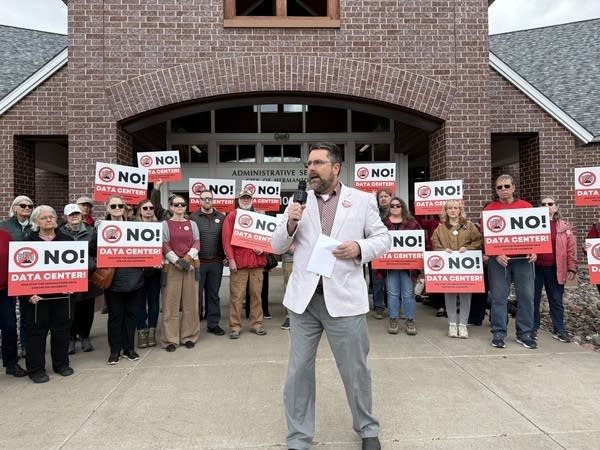
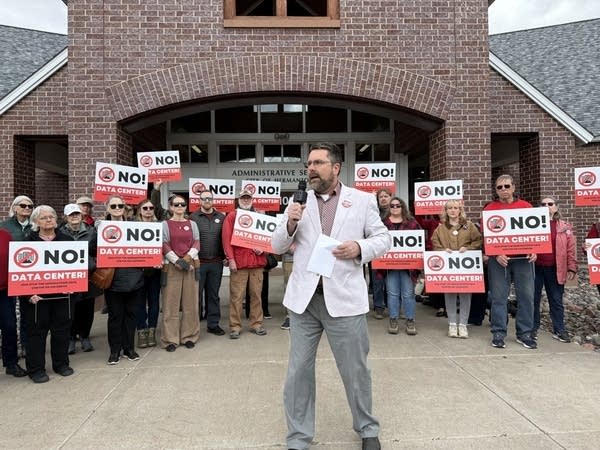
 Jonathan Thornton speaks at a rally outside Hermantown city hall

A citizen’s group fighting a proposed Google data center in the small northeastern Minnesota city of Hermantown has filed a lawsuit against the city, alleging it has violated state law in its pursuit of the data center.

The lawsuit was filed Wednesday in St. Louis County District Court by Stop the Hermantown Data Center. The group claims the city of Hermantown improperly changed its 2045 comprehensive plan and rezoned the neighborhood where the data center is proposed to be built to allow the controversial project to move forward.

The lawsuit also alleges the city violated Minnesota’s open meeting law by closing three meetings to the public while Hermantown officials secretly worked with the developer to make changes to its development plan.

City officials met with representatives of Google for more than a year before the project was made public last year. Several city and county officials signed non-disclosure agreements forbidding them from discussing the proposal, which was dubbed “Project Loon” in documents.

The group filed the lawsuit “to appeal the city’s actions and lack of transparency,” said Hermantown resident Emma Richtman. “We found it necessary to try and get a seat at the table to have a say in the plans for the development of a hyperscale data center in our community.”

Hermantown officials say they don’t comment on pending litigation.

The Hermantown city council voted last October to approve a zoning change to make way for the proposed data center on about 200 acres in a rural corner of the city, about eight miles west of Duluth.
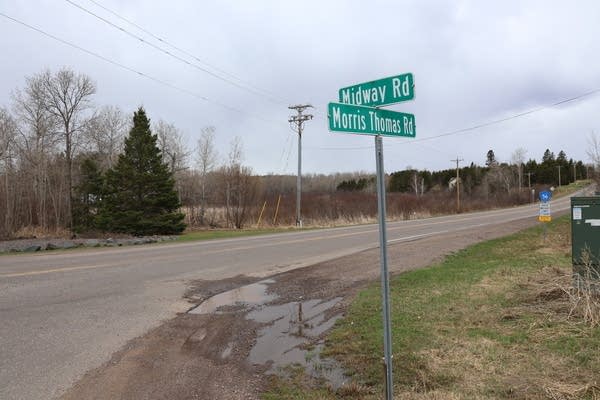
A street sign in Hermantown
The city of Hermantown is pursuing a $1.2-1.5 billion data center for Google on about 200 acres off the intersection of Midway Road and Morris Thomas Road. The proposed project would be on the other side of the street shown here on Wednesday.
Dan Kraker | MPR News

It’s one of about a dozen large-scale data centers proposed around the state. Only one is under construction: a Meta facility in Rosemount.

Data centers are huge buildings that house rows of computer servers. Those servers contain the raw computing power that undergirds cloud computing and the rapid rise of artificial intelligence. The complex in Hermantown would include up to four buildings. Each one would be up to 50 feet tall and would cover an area about the size of five football fields.

The more than $1 billion project would create around 100 permanent jobs and hundreds of construction jobs. The city is weighing a proposal to grant Google significant tax incentives. In return, the tech giant would contribute tens of millions of dollars toward infrastructure upgrades, as well as payments to the city and school district.

Opponents argue the massive project would fundamentally change the character of a rural neighborhood, depress property values, increase traffic and create noise and light pollution.

Community residents say they were kept in the dark as the city negotiated with Google. Jonathan Thornton, who lives about a mile from the proposed data center, was part of an advisory committee helping develop the city’s 2045 comprehensive plan.

Thornton said those committee meetings abruptly stopped in the summer of 2024. Shortly thereafter, city officials changed the comprehensive plan to allow for a data center at its proposed location.

“This complaint is the direct result of what happens when government officials sign non-disclosure agreements and circumvent the public process,” Thornton said at a rally announcing the lawsuit outside Hermantown city hall.

The Hermantown citizens group is also involved in another lawsuit that alleges the project’s environmental review was inadequate. The Minnesota Center for Environmental Advocacy is representing the group in that lawsuit. The MCEA also has filed lawsuits against proposed data center projects in Faribault, Lakeville, Monticello and Pine Island.




Source link

Leave a Reply

Subscribe to Our Newsletter

Get our latest articles delivered straight to your inbox. No spam, we promise.

Recent Reviews


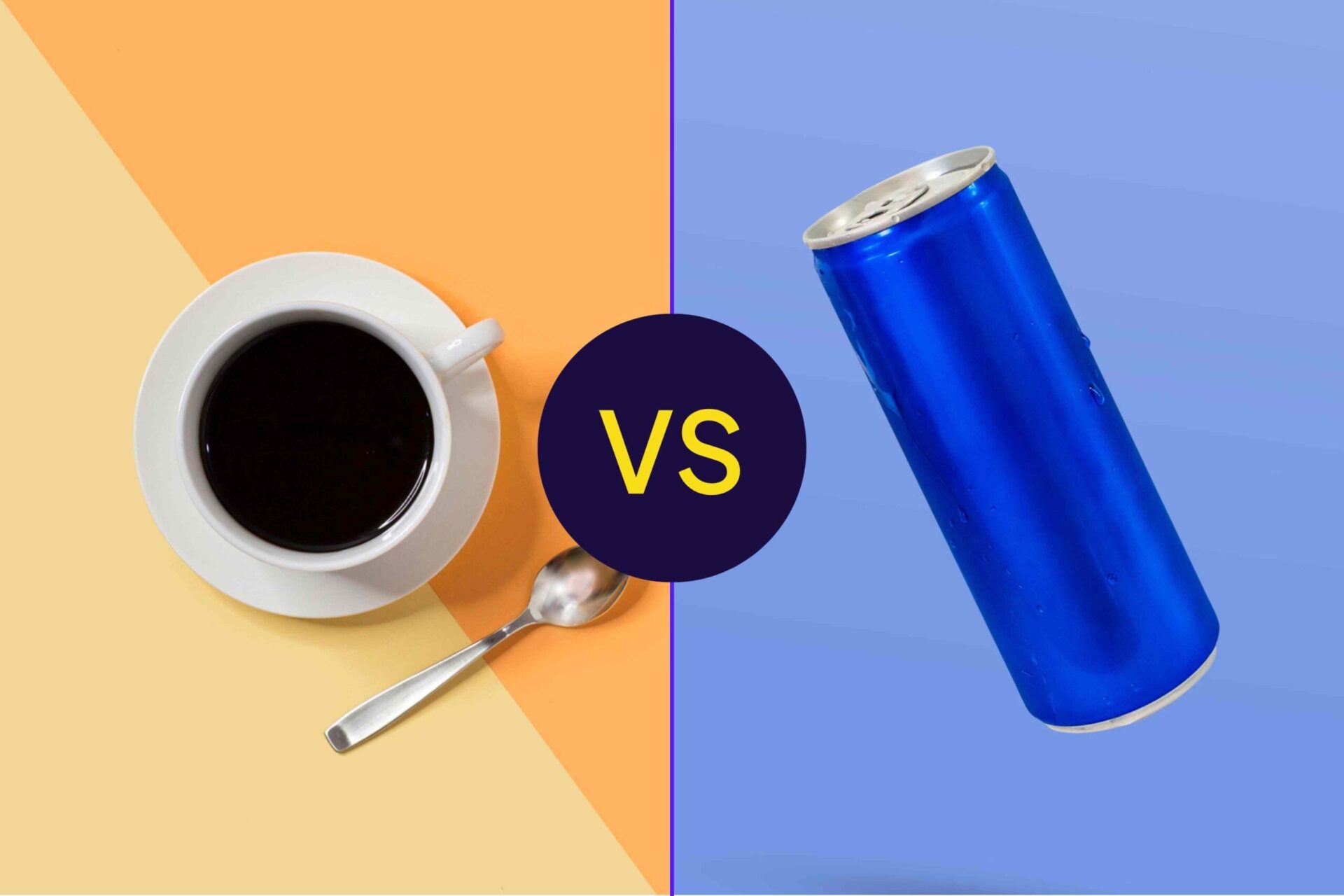
Coffee and energy drinks are popular sources of caffeine, but may have different health effects.Credit: Health / Getty Images
Coffee and energy drinks are popular sources of caffeine, but may have different health effects.
Credit: Health / Getty Images
  • Both coffee and energy drinks can vary in caffeine content.
  • Moderate caffeine consumption is recommended for reducing the risk to your heart.
  • Energy drinks have been shown to cause heart problems, but more research is needed.

Coffee and energy drinks are popular options for a quick energy boost. Both caffeinated beverages can support physical endurance, alertness, and reaction time. However, they can also increase heart rate, reduce steadiness, and increase your added sugar intake.

Which One Will Give You More Energy?

Coffee and energy drinks can both range in caffeine content, which can affect their impact on energy levels. Coffee drinks vary in caffeine based on the brew method and bean type, but on average, a cup (8 ounces) of coffee contains about 113-247 milligrams of caffeine.

Standard 16-ounce energy drinks can contain anywhere from 70 to 240 milligrams of caffeine. Concentrated 2-2.5 ounce energy shots pack about 113-200 milligrams of caffeine in a much smaller volume.

It's important to be aware of how much caffeine you’re consuming and check nutrition labels. However, energy drink manufacturers aren’t required to disclose the caffeine content.

Which Has a Greater Impact on Heart Health?

Research shows consuming high levels of caffeine can raise your blood pressure and heart rate, as well as affect your heart’s rhythm. This risk is especially high for children since their cardiovascular and nervous systems aren’t fully developed.

Coffee's effect on heart health is more widely researched than that of energy drinks. Evidence suggests that moderate coffee drinking can support heart health, while heavy consumption increases heart disease risk. How you prepare your coffee also affects the way it impacts your heart. Boiled coffee, like the kind you can make with a French press, can increase your cholesterol levels. High amounts of caffeine can also have negative effects on the heart, so many people with existing heart conditions choose decaf coffee out of caution.

Some case studies show that energy drink consumption can harm heart health, even in young people, but more research is needed to understand the mechanisms behind this. Some of the more severe cases include sudden death from drinking an energy drink.

What Other Ingredients, Besides Caffeine, Can Affect My Health? 

Coffee and energy drinks aren’t just pure caffeine. It’s important to consider their other ingredients when thinking about how they can impact your health. Early research suggests some of the cardiovascular effects of coffee and energy drinks may be more related to other ingredients than caffeine.

For example, energy drinks can contain a range of other ingredients, such as guarana (which contains additional caffeine), sugar, B vitamins, and other energy-boosting compounds. Both coffee drinks and energy drinks can contain high amounts of added sugar. Energy drinks can also interact with alcohol and prescription or illicit drugs, causing negative health effects.

Risks of Having Too Much Caffeine

Whether you choose coffee, an energy drink, or another caffeinated drink for your energy boost, it’s important to watch how much caffeine you’re consuming per day. Adults without underlying health conditions should limit their total caffeine intake per day to 400 milligrams. People who are pregnant or breastfeeding should stick to half of that limit, or about 200 milligrams. You can always check with your healthcare provider about your individual health status and their recommendations for your caffeine levels.

If you consume too much caffeine, you may notice:

  • A faster heart rate or a racing heart
  • High blood pressure
  • Trouble sleeping
  • Anxiety or jitters
  • Nausea or an upset stomach
  • Headache

If you’re choosing an energy drink, research suggests having only one drink at a time, with a max of two per day, for safer outcomes.


Source link