Best AirPods for 2026: Expert Tested and Reviewed


Along with all of our wireless headphones and earbuds, we test Apple AirPods based on six key criteria: designsound qualitynoise-canceling performancevoice-calling performance, features and value

Design

We assess not only how comfortably the AirPods fit (their ergonomics) but also their build quality and how well the controls are implemented. With wireless headphones and earbuds, we’ll note if they’re water-resistant, but only a few full-size headphones have water- and dust-resistance ratings, which is especially important for workout headphones you may take to the gym or on a run. 

Sound quality

We evaluate sound quality by listening to a set playlist of music tracks and comparing the headphones to top competitors in their price range. Sonic traits such as bass definition, clarity, dynamic range and how natural the headphones sound are key factors in our assessment.

Noise-canceling performance

If the AirPods we’re testing feature active noise canceling, we evaluate ANC performance by wearing the headphones in the same spot indoors near a noisy HVAC unit to see how well they do at muffling lower frequencies. Then we head out onto city streets to test the headphones in a real-world environment where we see how they do at muffling not only street noise but also people’s voices. Those that are able to reduce the most amount of ambient noise are noted and rated highly on this list.

Extra features

Some great-sounding AirPods aren’t loaded with features, but we do take into account what extra features are on board. These include everything from quick-access awareness through a double tap to transparency modes (your music pauses and the headphones open up to the outside world so you can have a conversation) to special sound modes to ear-detection sensors that automatically pause your music when you take the headphones off your ears. The newest models even incorporate hearing health metrics with hearing tests and a new hearing aid mode. We also take a look at the companion app for the AirPods, if there is one, and how user-friendly it is, and wireless charging capabilities. 

Voice-calling

When we test voice-calling performance, we make phone calls on noisy city streets and evaluate how well the AirPods reduce background noise and how clearly callers can hear our voices. Call quality is a key metric in today’s work-from-home world, so we’re sure to assess this feature in several fields.

Value

We determine value after considering the strength of the AirPods against all these criteria and what they’re able to deliver compared with other models in their price class. Some models require additional purchases, like a wireless charging case, to get the most out of their features, so we take those needs into account, too.


Source link

Leave a Reply

Subscribe to Our Newsletter

Get our latest articles delivered straight to your inbox. No spam, we promise.

Recent Reviews


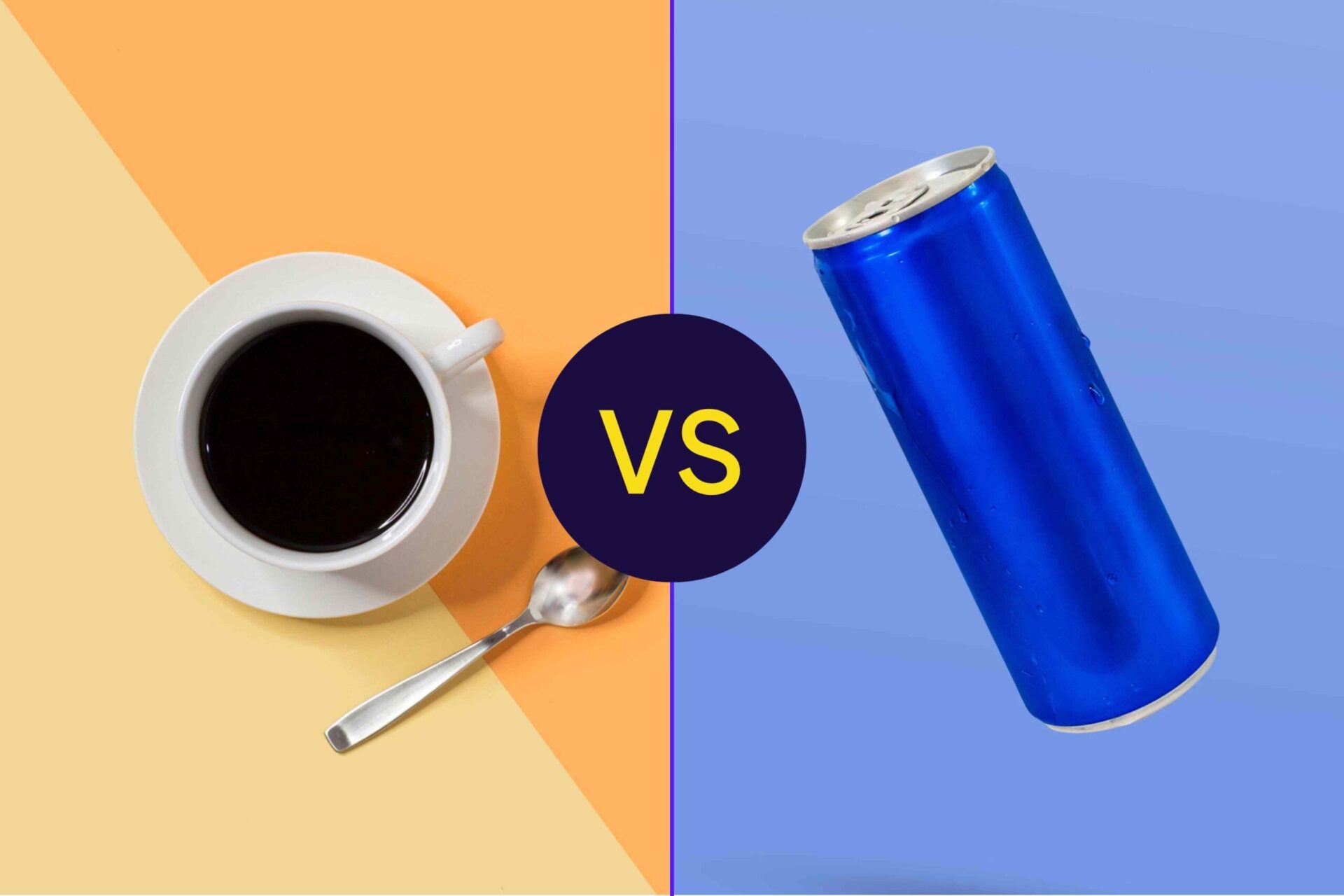
Coffee and energy drinks are popular sources of caffeine, but may have different health effects.Credit: Health / Getty Images
Coffee and energy drinks are popular sources of caffeine, but may have different health effects.
Credit: Health / Getty Images
  • Both coffee and energy drinks can vary in caffeine content.
  • Moderate caffeine consumption is recommended for reducing the risk to your heart.
  • Energy drinks have been shown to cause heart problems, but more research is needed.

Coffee and energy drinks are popular options for a quick energy boost. Both caffeinated beverages can support physical endurance, alertness, and reaction time. However, they can also increase heart rate, reduce steadiness, and increase your added sugar intake.

Which One Will Give You More Energy?

Coffee and energy drinks can both range in caffeine content, which can affect their impact on energy levels. Coffee drinks vary in caffeine based on the brew method and bean type, but on average, a cup (8 ounces) of coffee contains about 113-247 milligrams of caffeine.

Standard 16-ounce energy drinks can contain anywhere from 70 to 240 milligrams of caffeine. Concentrated 2-2.5 ounce energy shots pack about 113-200 milligrams of caffeine in a much smaller volume.

It's important to be aware of how much caffeine you’re consuming and check nutrition labels. However, energy drink manufacturers aren’t required to disclose the caffeine content.

Which Has a Greater Impact on Heart Health?

Research shows consuming high levels of caffeine can raise your blood pressure and heart rate, as well as affect your heart’s rhythm. This risk is especially high for children since their cardiovascular and nervous systems aren’t fully developed.

Coffee's effect on heart health is more widely researched than that of energy drinks. Evidence suggests that moderate coffee drinking can support heart health, while heavy consumption increases heart disease risk. How you prepare your coffee also affects the way it impacts your heart. Boiled coffee, like the kind you can make with a French press, can increase your cholesterol levels. High amounts of caffeine can also have negative effects on the heart, so many people with existing heart conditions choose decaf coffee out of caution.

Some case studies show that energy drink consumption can harm heart health, even in young people, but more research is needed to understand the mechanisms behind this. Some of the more severe cases include sudden death from drinking an energy drink.

What Other Ingredients, Besides Caffeine, Can Affect My Health? 

Coffee and energy drinks aren’t just pure caffeine. It’s important to consider their other ingredients when thinking about how they can impact your health. Early research suggests some of the cardiovascular effects of coffee and energy drinks may be more related to other ingredients than caffeine.

For example, energy drinks can contain a range of other ingredients, such as guarana (which contains additional caffeine), sugar, B vitamins, and other energy-boosting compounds. Both coffee drinks and energy drinks can contain high amounts of added sugar. Energy drinks can also interact with alcohol and prescription or illicit drugs, causing negative health effects.

Risks of Having Too Much Caffeine

Whether you choose coffee, an energy drink, or another caffeinated drink for your energy boost, it’s important to watch how much caffeine you’re consuming per day. Adults without underlying health conditions should limit their total caffeine intake per day to 400 milligrams. People who are pregnant or breastfeeding should stick to half of that limit, or about 200 milligrams. You can always check with your healthcare provider about your individual health status and their recommendations for your caffeine levels.

If you consume too much caffeine, you may notice:

  • A faster heart rate or a racing heart
  • High blood pressure
  • Trouble sleeping
  • Anxiety or jitters
  • Nausea or an upset stomach
  • Headache

If you’re choosing an energy drink, research suggests having only one drink at a time, with a max of two per day, for safer outcomes.


Source link