
MPR News meteorologist Paul Huttner retires


Tom Crann and Paul Huttner in the MPR News studio in 2025

After a four-decade career guiding audiences through blizzards, tornadoes, floods, heat waves and a rapidly changing climate, MPR News chief meteorologist Paul Huttner is retiring.

Huttner’s final day at MPR News marks the end of nearly 20 years with Minnesota Public Radio and a career that began in operational forecasting at Chicago’s weather command in 1986. Many Minnesotans first came to know him when he joined WCCO-TV in 1988, where he reported on some of the state’s most memorable weather events, including the Halloween Blizzard of 1991.

Huttner returned to Minnesota and joined MPR News in January 2007. On his first day, he was already doing what would become familiar to listeners: delivering a forecast with a mix of science, history and practical context.

WCCO-TV Weather Staff
WCCO-TV Weather Staff around 1991.
CBS | WCCO-TV

Speaking with then-All Things Considered host Tom Crann about an Alberta Clipper, Huttner explained that the fast-moving systems are named for clipper ships because they “zip on through.”

That blend of useful information, clarity and curiosity became a signature of Huttner’s work. Over his years at MPR News, he helped launch the Updraft weather blog and built Climate Cast into a weekly segment and podcast focused on climate science, data and the effects of a warming world in Minnesota and beyond.

His interest in weather started early. As a 4-year-old near Deephaven, Huttner watched the May 6, 1965, tornado outbreak move through the Twin Cities from the window of his basement. The storm helped spark a lifelong desire to understand the science behind severe weather.

Before coming to MPR News, Huttner’s meteorology career took him from Minnesota to Chicago and Arizona. He worked at WGN-TV in Chicago, where he covered the historic July 1995 heat wave, and later led a weather team at KGUN-TV in Tucson.

At MPR News, Huttner became one of the station’s most familiar and trusted voices. He helped listeners navigate dangerous weather while also explaining broader climate trends shaping Minnesota’s future.

Mandy Thalhuber, a meteorologist for MPR News, said Huttner had “this way of turning the atmosphere’s chaos into clarity,” helping people make sense of storms, blizzards and everything in between.

Three people on stage
MPR News meteorologists Mandy Thalhuber, Sven Sundgaard and chief meteorologist Paul Huttner at the MPR Booth on Aug. 27, 2025 at the Minnesota State Fair.
Tom Campbell | MPR

Mark Seeley, professor emeritus at the University of Minnesota, said Huttner’s work stood out because he regularly brought climate context into daily weather coverage.

“To me, the climate context, that is the seasonality and what the public expects, and things of that nature are really important, because we have such a variable climate and such variable weather in Minnesota,” Seeley said. He also called Huttner “a really good educator,” particularly through Climate Cast.

Sven Sundgaard, a meteorologist for MPR News, said Huttner is “probably one of the most respected meteorologists in our state,” noting that when significant weather is on the way, people often share Huttner’s posts as a trusted source.

That reputation was built over thousands of forecasts and conversations. During his time at MPR News, Huttner hosted about 14,000 live weather chats, wrote roughly 8,000 Updraft posts and produced more than 650 Climate Cast episodes.

Former WCCO anchor Don Shelby said Huttner’s scientific approach stood out early in his television career. Shelby said Huttner showed courage in connecting changes in weather to human-caused climate change at a time when that was still a contentious subject in broadcast meteorology.

For colleagues, Huttner’s legacy is not only about forecasting accuracy. It is also about steadiness.

“What I remember most is how calm he was,” Thalhuber said, recalling his coverage of the Halloween Blizzard. “Years later, getting to work alongside him, I realized that’s exactly who he is every day.”

As Huttner signs off, he leaves behind a body of work that helped Minnesotans understand not just what weather was coming, but why it mattered.

In his parting message, Huttner thanked listeners for following “this weather-obsessed 4-year-old kid who made a career talking about all kinds of weather and climate these past 40 years.”

“Our weather and climate are a big part of what makes us Minnesotans,” he said. “So may your days be sunny with just a few storms to keep things interesting.”




Source link

Leave a Reply

Subscribe to Our Newsletter

Get our latest articles delivered straight to your inbox. No spam, we promise.

Recent Reviews


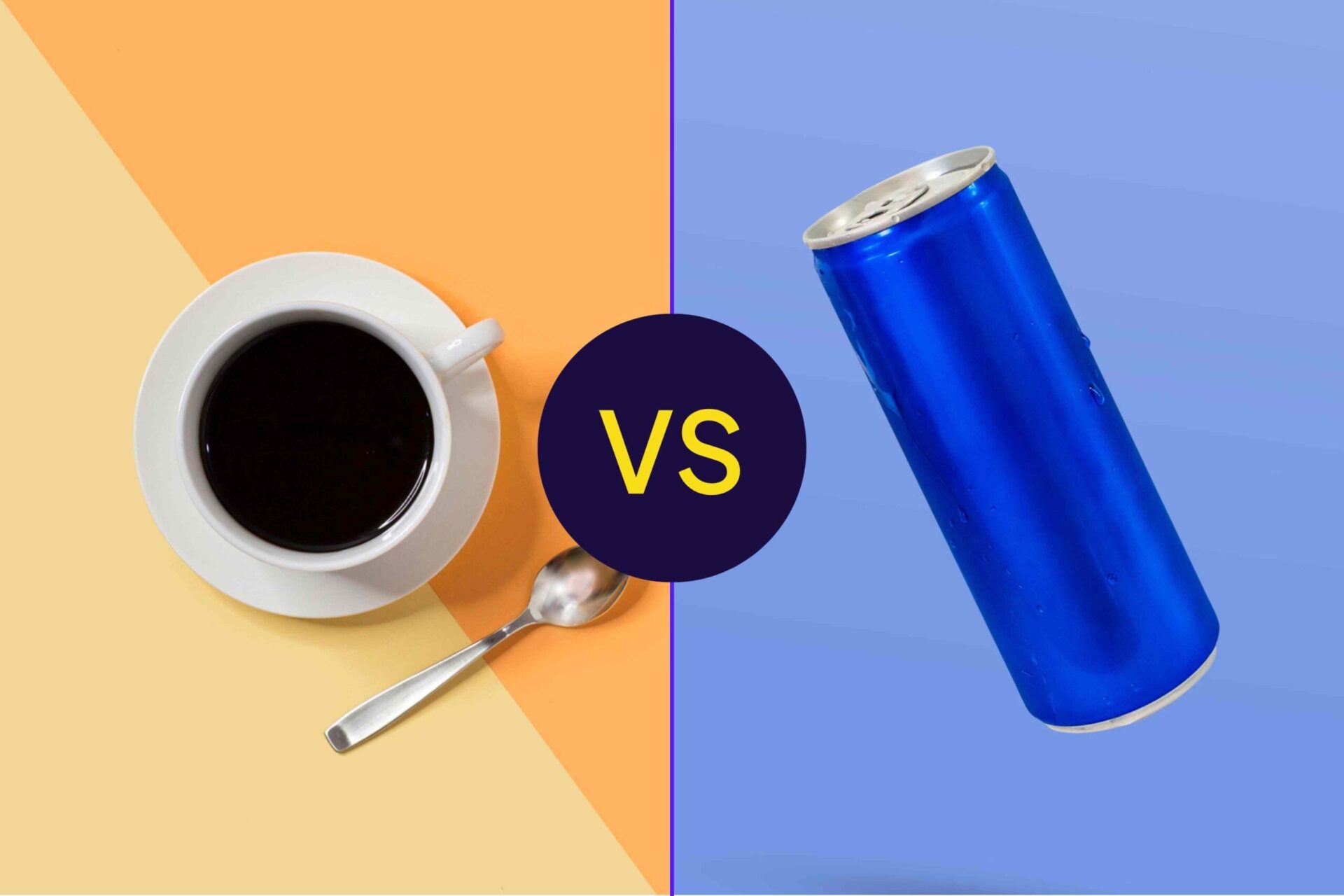
Coffee and energy drinks are popular sources of caffeine, but may have different health effects.Credit: Health / Getty Images
Coffee and energy drinks are popular sources of caffeine, but may have different health effects.
Credit: Health / Getty Images
  • Both coffee and energy drinks can vary in caffeine content.
  • Moderate caffeine consumption is recommended for reducing the risk to your heart.
  • Energy drinks have been shown to cause heart problems, but more research is needed.

Coffee and energy drinks are popular options for a quick energy boost. Both caffeinated beverages can support physical endurance, alertness, and reaction time. However, they can also increase heart rate, reduce steadiness, and increase your added sugar intake.

Which One Will Give You More Energy?

Coffee and energy drinks can both range in caffeine content, which can affect their impact on energy levels. Coffee drinks vary in caffeine based on the brew method and bean type, but on average, a cup (8 ounces) of coffee contains about 113-247 milligrams of caffeine.

Standard 16-ounce energy drinks can contain anywhere from 70 to 240 milligrams of caffeine. Concentrated 2-2.5 ounce energy shots pack about 113-200 milligrams of caffeine in a much smaller volume.

It's important to be aware of how much caffeine you’re consuming and check nutrition labels. However, energy drink manufacturers aren’t required to disclose the caffeine content.

Which Has a Greater Impact on Heart Health?

Research shows consuming high levels of caffeine can raise your blood pressure and heart rate, as well as affect your heart’s rhythm. This risk is especially high for children since their cardiovascular and nervous systems aren’t fully developed.

Coffee's effect on heart health is more widely researched than that of energy drinks. Evidence suggests that moderate coffee drinking can support heart health, while heavy consumption increases heart disease risk. How you prepare your coffee also affects the way it impacts your heart. Boiled coffee, like the kind you can make with a French press, can increase your cholesterol levels. High amounts of caffeine can also have negative effects on the heart, so many people with existing heart conditions choose decaf coffee out of caution.

Some case studies show that energy drink consumption can harm heart health, even in young people, but more research is needed to understand the mechanisms behind this. Some of the more severe cases include sudden death from drinking an energy drink.

What Other Ingredients, Besides Caffeine, Can Affect My Health? 

Coffee and energy drinks aren’t just pure caffeine. It’s important to consider their other ingredients when thinking about how they can impact your health. Early research suggests some of the cardiovascular effects of coffee and energy drinks may be more related to other ingredients than caffeine.

For example, energy drinks can contain a range of other ingredients, such as guarana (which contains additional caffeine), sugar, B vitamins, and other energy-boosting compounds. Both coffee drinks and energy drinks can contain high amounts of added sugar. Energy drinks can also interact with alcohol and prescription or illicit drugs, causing negative health effects.

Risks of Having Too Much Caffeine

Whether you choose coffee, an energy drink, or another caffeinated drink for your energy boost, it’s important to watch how much caffeine you’re consuming per day. Adults without underlying health conditions should limit their total caffeine intake per day to 400 milligrams. People who are pregnant or breastfeeding should stick to half of that limit, or about 200 milligrams. You can always check with your healthcare provider about your individual health status and their recommendations for your caffeine levels.

If you consume too much caffeine, you may notice:

  • A faster heart rate or a racing heart
  • High blood pressure
  • Trouble sleeping
  • Anxiety or jitters
  • Nausea or an upset stomach
  • Headache

If you’re choosing an energy drink, research suggests having only one drink at a time, with a max of two per day, for safer outcomes.


Source link