May Day, also known as International Workers’ Day, has long been a global movement for labor organizing, protest, and solidarity. In Minneapolis this year, that tradition continues – but organizers say the stakes feel higher than usual.
People across Minnesota are preparing to rally, march, and speak out this May Day, reflecting both on the historical roots of the day and the challenges workers face right now.
A rally and march are scheduled to begin at 4:30 p.m. along Lake Street. Organizers emphasize that this event is separate from the annual May Day parade and community arts celebration, which will take place Sunday.
A day rooted in labor history
May 1st traces back to the 1886 strike for the eight-hour workday, when hundreds of thousands of workers across the United States walked off their jobs in protest.
For many organizers in Minnesota, that history remains deeply relevant – but this year’s observance is also shaped by current concerns, especially around immigration enforcement.
“For the last 20 years, we have been continuing this tradition of standing up in solidarity with immigrant rights, with worker rights, but also just fighting back against the constant attacks which this year have been very brutal,” said Erika Zurawski, co-founder of the Minnesota Immigrant Rights Action Committee or MIRAC.
Organizers say increased immigration enforcement has created fear and uncertainty for many workers, affecting not only their jobs but their willingness to gather in public or participate in events like May Day.
That impact is visible at Mercado Central on Lake Street, a longtime hub for Latino-owned businesses and community activity.
The marketplace is typically bustling – but in recent months, foot traffic has fluctuated.
Jose Alvillar with Unidos Minnesota describes what the place looked like during the height of the ICE surge – remembering how every door was locked during business hours.
“It was completely closed. There was no way anybody could have entered. A lot of the businesses saw a lot of loss in revenue.”
Alvillar recalled how, during periods of heightened enforcement, the atmosphere changed dramatically.
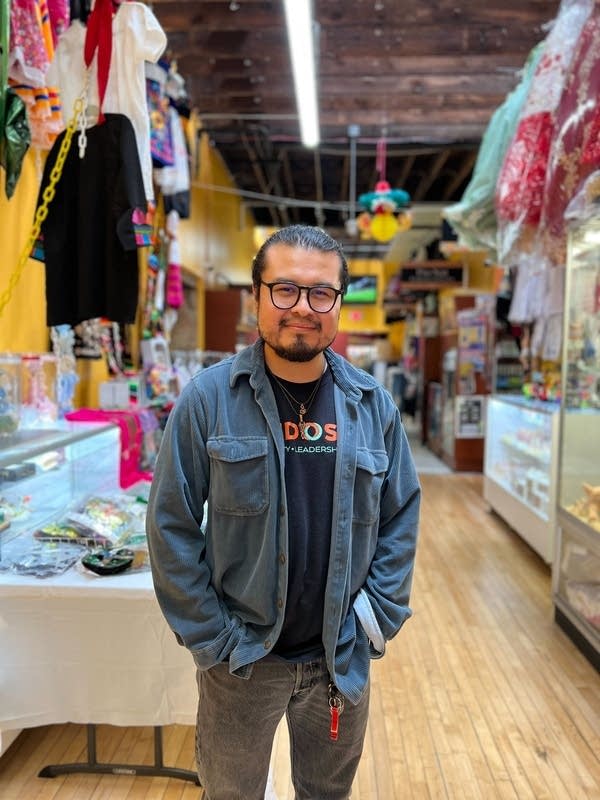
“It was completely closed. There was no way anybody could have entered,” he said.
Now, conditions are improving. Doors are open again, and customers are slowly returning.
“It’s a little bit liberating,” Alvillar said. “There's still a sense of surveillance, like from our community, where we're looking after each other, but it also feels nice to not constantly have to look over your shoulder. When I come to Mercado Central, as soon as I walk through that door, I feel at home.”
Still, uncertainty remains.
“People deserve to go to work without fearing whether they’ll make it back home,” he added.
A different kind of May Day
Labor leaders say the impact extends beyond immigrant communities, affecting workplaces across sectors.
Nicole Juan, Political Council Chair for the Minnesota Association of Professional Employees, said this year feels markedly different.
“I think this year is different. We're missing our union siblings who have been murdered or taken away by ICE,” she said. “We're also seeing a difference because workers are responding differently and afraid to go to their workplaces.”
That shift is shaping how people engage with May Day. While many will march, others may choose different forms of participation.
Organizers say supporting local businesses, especially those affected by recent disruptions, is one meaningful way to show solidarity.
Community, solidarity and looking ahead
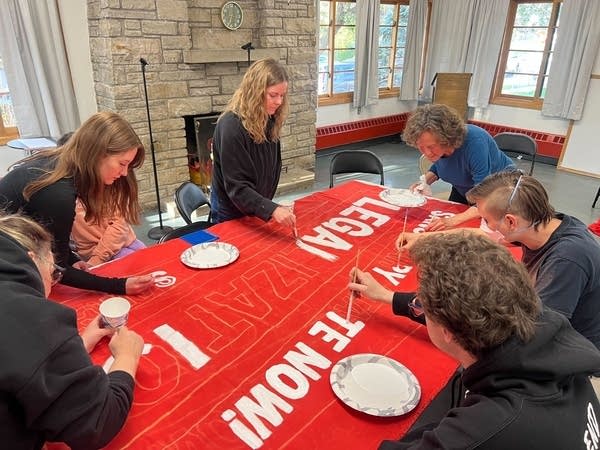
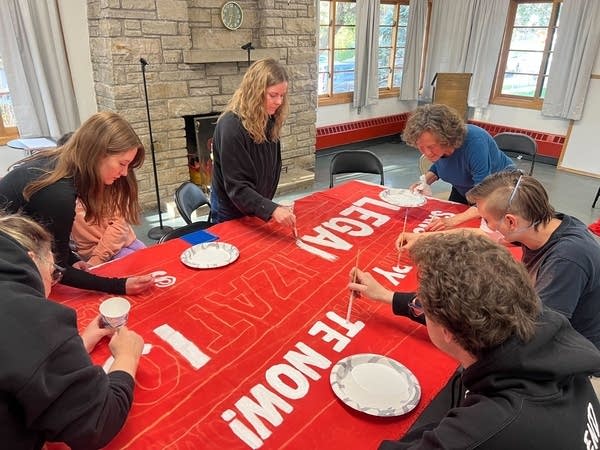
In the lead-up to the march, community members gathered at sign-making events across Minneapolis – painting messages, sewing flags, and preparing to take to the streets.
For many, the act of coming together is itself powerful.
“There’s just so much need for people to band together right now,” Zurawski said. “Not just here in Minneapolis, but across the country.”
Find a list of scheduled May Day events here.