Sony to Pay $7.85M in PlayStation Store Settlement. What to Know


If you’re a PlayStation customer who lives in the US, you may be eligible to claim part of an upcoming $7.85 million settlement payout. The case centers on a claim that Sony “unlawfully eliminated competition and monopolized the market for [its] digital games” by no longer selling game-specific vouchers that let PlayStation owners buy digital games from different online shops.

The class-action lawsuit Caccuri, et al. v. Sony Interactive Entertainment, LLC (PDF) alleged that Sony’s actions caused “consumers to pay more for certain digital games than they otherwise would have paid on the PlayStation Store.” Some of these games include PlayStation exclusive titles, such as The Last of Us, as well as third-party games like Mass Effect Trilogy and Resident Evil 4.

Sony denied that it engaged in any wrongdoing or that settlement class members were damaged by its actions, and the court has not decided if the company violated any laws. Despite this, the court has preliminarily approved the $7.85 million settlement payment.

The settlement website is live now, but the settlement payout is still subject to the court’s final approval hearing. The hearing is scheduled to take place Oct. 15, and it’s meant to confirm the settlement sum, allocate up to 25% of the funds for attorneys’ fees and create a plan to distribute the rest of the money to eligible class members.

If you fit all of the criteria to be part of the Sony PlayStation game-voucher settlement, you’re automatically a class member in this lawsuit and will be able to collect a portion of the settlement money — added directly to your PlayStation Network account wallet — sometime after the final approval hearing.

Gamers who have deactivated their PlayStation Network accounts can apply for the settlement payment by sending qualifying purchase information to the email address info@PSNDigitalGamesSettlement.com. Customers with deactivated accounts will receive cash payments instead of PSN account accreditation.

You can opt out of the settlement if you’d like to retain your right to sue Sony separately in regard to its game-voucher sales practices. If you don’t send a written request to the court opting out of or objecting to the settlement by July 2, you will remain part of the settlement class.

Who can be part of the Sony PlayStation settlement?

Not every PlayStation owner is automatically eligible. The money is reserved for those who purchased a digital game through the PlayStation Store during a period after Sony ceased its sales of game-specific vouchers for alternative online storefronts.

In order to join, you must meet all of the following qualifications:

  1. Be a living, individual human being in the US or its territories.
  2. Have purchased one of the eligible digital games (PDF) through the PlayStation Store between the period of April 1, 2019 and Dec. 31, 2023.

Affected individuals are automatically part of the settlement class and will receive their compensation through their PlayStation Network account wallet, subject to approval at the final hearing, the date and time of which could change. Any updates will be posted to the settlement website.

How much will the Sony PlayStation settlement pay?

It’s unclear how much each settlement class member will receive, though we know most affected parties will automatically receive compensation in the form of PlayStation account funds.

Up to a quarter of the $7.85 million settlement will be used to pay attorneys’ fees, taxes and other administrative costs. The remaining settlement money will be administered equally to every settlement class member.


Source link

Leave a Reply

Subscribe to Our Newsletter

Get our latest articles delivered straight to your inbox. No spam, we promise.

Recent Reviews


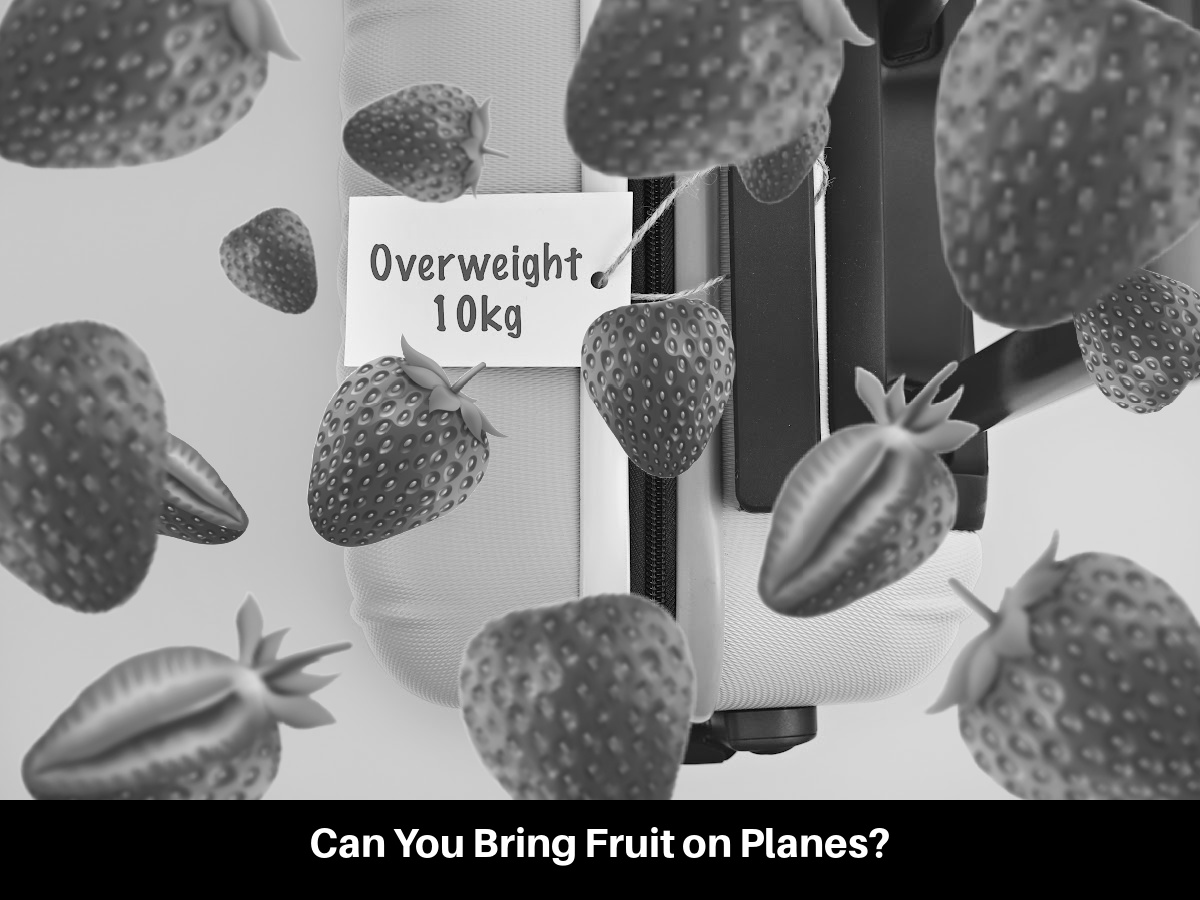
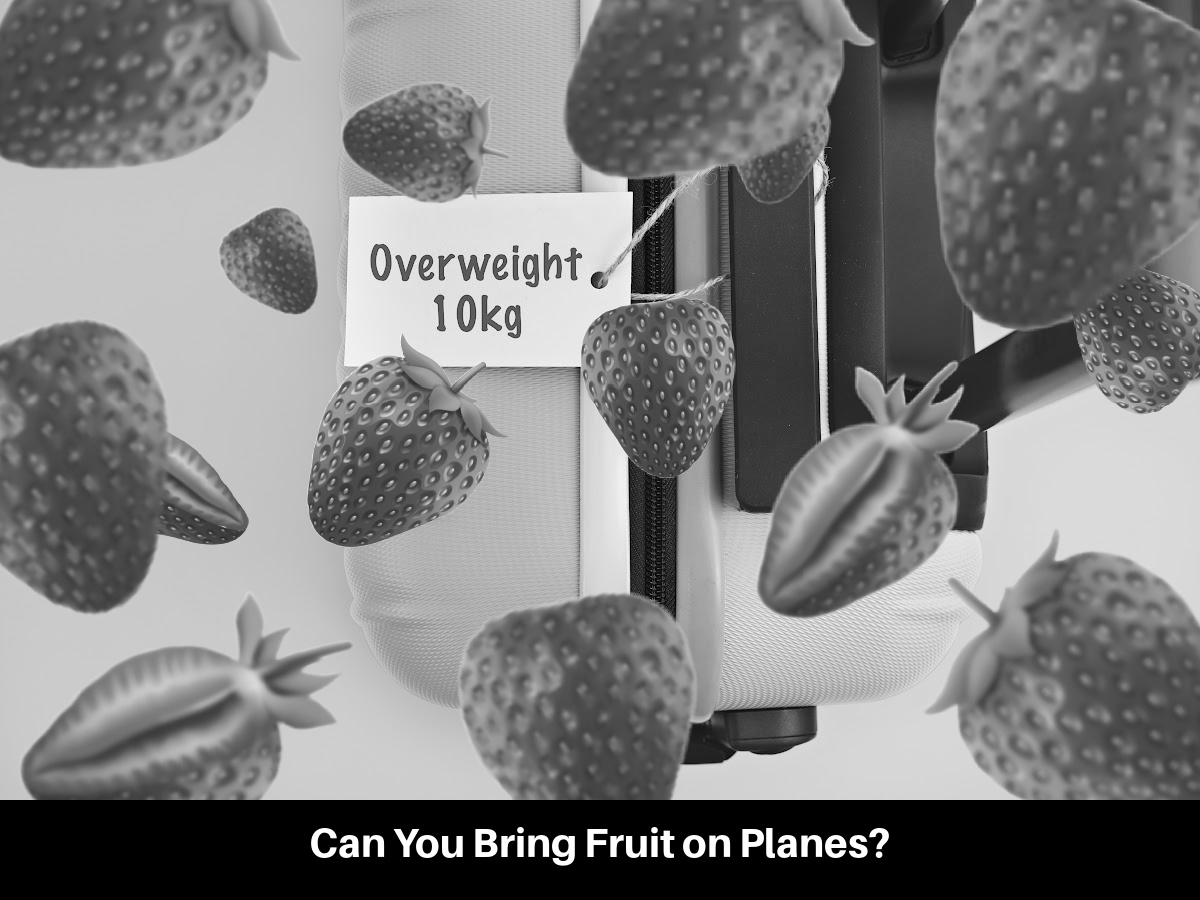
On most domestic flights, you’re allowed to bring fresh fruit in hand and checked baggage. This includes apples, bananas, pears, mangos, and other common fruit. They’re allowed even if they contain a lot of water, as is the case with melons and watermelons. Frozen or cut fruit (for example, fruit salad or fruit cups) are also allowed. 

You’re also allowed to eat them during the flight. In fact, some airlines even don’t count Tupperware containers with snacks towards the hand luggage allowance. This allows you to prepare snacks and fruits for your flight and not worry about the size limits for hand luggage.

Some fruit products are considered liquids, including fruit juices, jams, applesauce, and canned fruit. If packed in hand luggage, they must be in 3.4 oz (100 ml) containers or smaller and packed together with other liquids inside a 1-quart bag. Larger volumes are only allowed in checked bags.

It’s also worth noting that each security officer always has the final say on whether fruits are allowed. If they classify them as liquid because they contain too much liquid inside, you’ll most likely have to discard them at the security checkpoint.

I’ve never experienced any issues when traveling with fresh fruit. Nobody bats an eye when I bring them through security. People only start to notice them upon landing – when going through Customs and Immigration.

Traveling With Fruit Internationally

On most international flights, fresh fruits are banned from hand and checked baggage. The reasoning for this is that they may contain diseases, pests, or they themselves may be an invasive species. Each country wants to protect its ecosystems and agriculture from these risks, which is why transferring fresh fruit, meat, plants, soil, milk, and eggs, is prohibited.

This is enforced by Customs and Immigration – a checkpoint that you’ll have to go through upon landing after an international flight. Over there, they’ll ask you questions about your baggage, may ask you to fill out a form, and inspect your baggage. Any fresh fruit will most likely be confiscated and discarded.

This also applies to some domestic flights in the US. When flying to or from Hawaii, Puerto Rico, or the US Virgin Islands, most fresh fruit are prohibited. That’s because although technically they’re in the same country, they’re all islands with different, fragile ecosystems.

One exception is flights between Europe, the UK, and the EU economic zone. Fresh fruit are allowed on these flights if they originate in the EU, UK, or the EU economic zone. Another one is on flights between the US and Canada. Most common fruits are allowed there.

Dried and processed fruit don’t count towards these restrictions – they’re usually allowed even on international flights. This also includes roasted nuts, homemade food, granola bars, potato chips, and other processed items.

If you want to transfer fruit internationally (and if it’s prohibited), you’ll need to get a special document called Phytosanitary Certificate. Then you will need to apply to the Customs agency of the country you want to import it to and get approval.

How to Pack Fruit for Air Travel

For traveling, a good idea is to bring firm fruits that can’t get squished very easily. Some examples include apples, bananas, oranges, pears, grapes, mango, kiwi, and others.

For consumption during the flight, you should pre-cut them ahead so that you don’t make a mess. You can place them inside a foldable Tupperware container, which you can wash and pack in your bag when finished. Another idea is to pack them in disposable containers (from ice cream, store-bought berries, etc.), which you can throw out when done. But before packing it in your bag, put it inside a bag because liquids from fruit may spill from the container.

Remember that you’ll have to remove this container from your bag when going through security and place it in a separate bin. They ask to do this because food tends to clutter the X-ray scanners. So make sure to pack it somewhere on top, where it’s easily accessible.

Summing Up – Traveling With Fruit

Fresh fruits are some of the best snacks that you can take on a plane. They contain a lot of Glucose which will boost your energy, they’re healthy, and they taste good. Just be sure to finish eating them during the flight because they spoil quickly. If not, they’ll most likely be confiscated by the Customs agents upon landing.


Source link