Fact checked by Nick Blackmer
:max_bytes(150000):strip_icc():format(jpeg)/Health-GettyImages-535657883-23145255ac034985838b6ea9eaa17a48.jpg "Kiwi on a table")
Credit: SusanadelCampoPhoto / Getty Images
- Some pre-bedtime snacks may help support relaxation and improve sleep quality.
- Stress-reducing food options include turkey, kiwi, and hard-boiled eggs.
- For best results, keep portions small and avoid eating too close to bedtime.
We’ve all been there: in bed at night exhausted but wired, replaying a video you saw or something you wish you hadn’t said. But what if the right bedtime snack could calm your mind enough to let you drift off? While no foods or beverages are a stress-reduction silver bullet, some may support relaxation and the body’s natural sleep processes, helping to prime you for a more restful night. As a registered dietitian, here are seven I recommend.
1. Tart Cherry Smoothie
Tart cherry juice is a smart choice for winding down at night because it’s a natural source of melatonin—a hormone involved in sleep regulation—as well as magnesium and antioxidants like anthocyanins, which may help reduce inflammation and address conditions that disrupt sleep. In fact, a 2025 review found that tart cherry juice is associated with longer sleep duration, improved sleep efficiency, and faster sleep onset, along with reduced inflammation.
Tart cherry juice can be, well, tart, so try blending it—or frozen tart cherries—with a banana (which provides magnesium and tryptophan, both linked to sleep support), chia seeds, your favorite milk, and ice.
2. Walnuts
Walnuts are rich in omega-3 fatty acids, which may promote sleep and relaxation by helping reduce inflammation and support melatonin regulation. Research also suggests a link between omega-3 intake may better sleep: a 2024 review found that higher consumption was associated with improved sleep efficiency.
3. Oatmeal
Oats are one of the best sources of soluble fiber, which help nourish beneficial gut microbes. A 2022 study suggests that fiber’s positive effects on the microbiome may be linked to better sleep and fewer sleep disorder symptoms. Fiber can also help prevent sharp spikes and dips in blood sugar, which may interfere with evening relaxation. Plus, a warm bowl of oatmeal at night can simply be cozy and soothing.
4. Turkey and Whole Grain Crackers
Turkey’s tryptophan is often blamed for the classic post-Thanksgiving nap, but there’s truth behind the hype: This amino acid is linked to improved sleep quality. Pairing nitrate-free or minimally processed deli turkey with fiber-rich whole-grain crackers can enhance the snack’s sleep-supporting potential by promoting steady blood sugar and relaxation.
5. Chia Seed Pudding
Like walnuts, chia seeds are rich in omega-3 fatty acids and fiber—both of which may aid sleep. As a bonus, chia pudding can be made in advance and usually has a touch of sweetness, making it a satisfying option for curbing a sweet tooth while also helping you unwind after dinner.
6. Kiwi
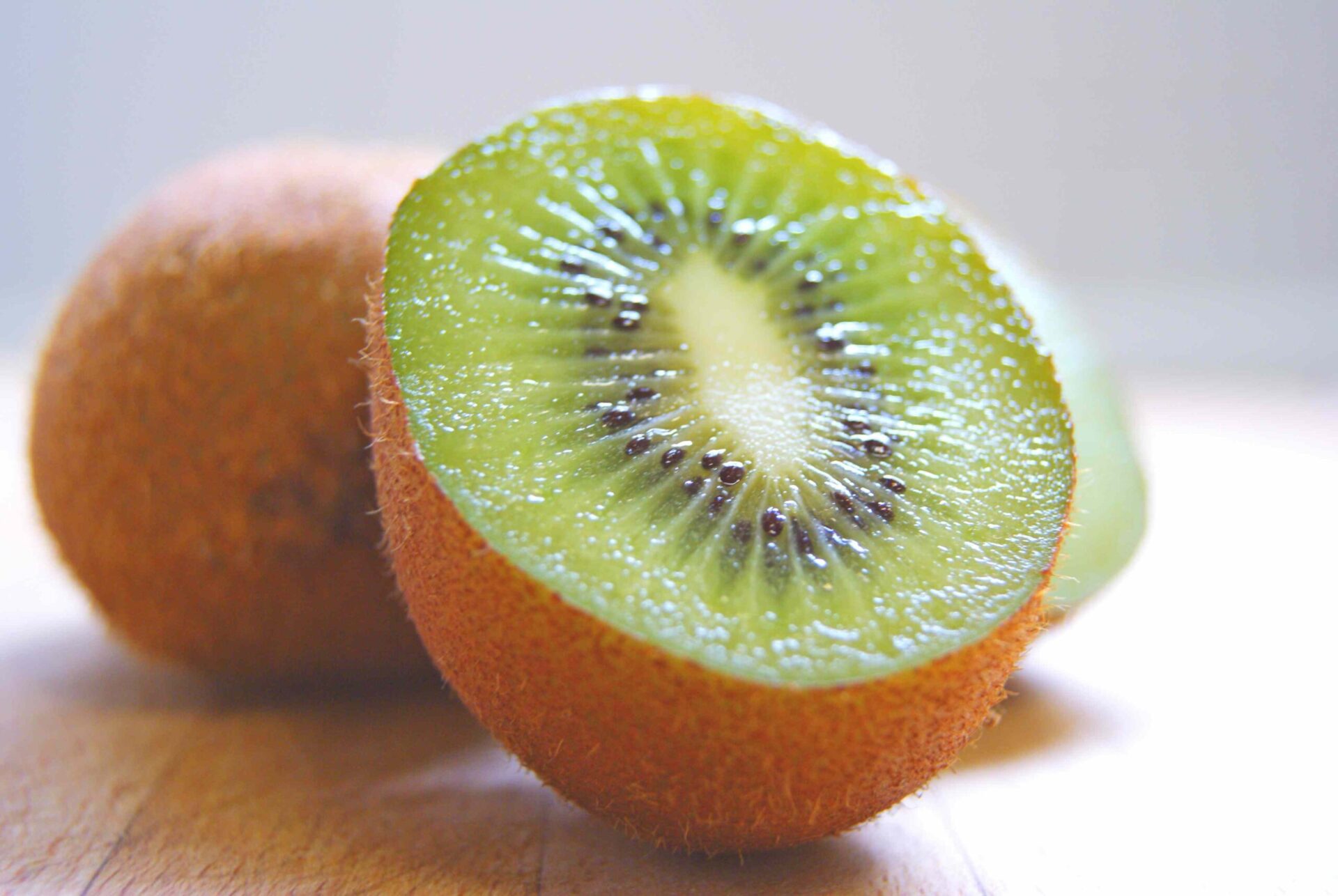
Rich in both fiber and melatonin, kiwi may be an effective option for unwinding before bed. A 2023 study found that elite athletes who ate kiwi before bedtime experienced longer total sleep time, improved sleep efficiency, and fewer nighttime awakenings.
7. Hardboiled Eggs
Eggs may help promote relaxation and sleep in part due to their vitamin D content. This nutrient plays a role in serotonin and melatonin pathways, supports sleep-related brain receptor activity, and may help improve conditions that can interfere with rest, such as restless legs syndrome.
Because vitamin D can be difficult to get from food alone, egg yolks offer an accessible and tasty source—so enjoying a few hard-boiled eggs in the evening may help you unwind and make it a bit easier to fall asleep.
Foods and Drinks That May Make Nighttime Stress Worse
There are also several foods that may increase nighttime stress and make it harder to fall asleep. Alcohol, heavy or greasy foods, and foods high in caffeine, added sugar, or spicy ingredients are common examples.
Individually, these foods can interfere with the body’s ability to relax, disrupt circadian rhythms, or cause gastrointestinal discomfort—such as gas or bloating—that makes it more difficult to unwind and fall asleep.
Tips for Eating Before Bed—and Other Simple Ways to Improve Sleep
While some evening snacks may help support relaxation sleep, you also have to pay attention to timing and portion size. Eating your last bite at least an hour before bedtime—and keeping portions snack-sized—allows time for digestion and can help reduce restlessness caused by gastrointestinal discomfort throughout the night. Pairing complex carbohydrates (fiber) with protein can also help reduce evening energy fluctuations and support a calmer transition to sleep.
Beyond food choices, maintaining a calming nighttime routine can be incredibly helpful. Dimming the lights, listening to relaxing music, avoiding screens, reading, meditating, and doing gentle stretching can all help lower stress levels and prepare the body for sleep.