Set Up a Compliant Billing Workflow for Clinics


Insurance claim denials are rising. And clinics are feeling the pressure fast. 

Even one small compliance mistake can delay payment for weeks or trigger an audit. So, if you want a steady cash flow and fewer compliance headaches for your clinic, you need to set up a compliant billing workflow from the ground up.

Key Takeaways on Billing Workflow for Clinics

  • A clearly mapped billing workflow helps identify gaps that lead to claim denials and delays.
  • Defined roles and ongoing staff training reduce compliance risks and improve accountability.
  • Standardized documentation and regular internal audits protect against audits and revenue loss.
  • Monitoring key billing metrics allows clinics to quickly fix issues and maintain steady cash flow.

Map Your Workflow From Check-in to Payment 

Start by documenting every step in your current billing process. Include appointment scheduling, eligibility verification, provider documentation, coding, claim submission, payment posting, and follow-up.

When you map your workflow, gaps become obvious. Missed eligibility checks or unclear handoffs between clinical staff and billers often lead to denials that could have been prevented.

Assign Clear Roles and Invest in Training for Clinics

Compliance problems often start with unclear responsibilities. Every team member should know exactly what they own, from verifying insurance to reviewing documentation and managing denials.

Training matters more than ever. Clinics will benefit from hiring staff who have completed formal programs to gain qualifications, such as a medical billing and coding certificate.

To keep expectations clear, define responsibilities such as these:

  • Confirm active coverage before the visit
  • Validate codes against documentation before submission
  • Track and appeal denied claims within payer deadlines

Defined roles reduce duplicated work. And they lower the risk of non-compliant billing practices.

Standardize Documentation and Coding Procedures

Clear documentation protects your clinic during audits. CMS outpatient rules require accurate reporting of services, modifiers, and medical necessity. Failure to align documentation with billing can lead to recoupments.

The Centers for Medicare & Medicaid Services highlights updated coding and billing requirements that affect hospital outpatient departments and certain clinic settings. Changes in scope-of-benefit rules and coding standards can quickly make old habits risky.

Create written coding guidelines tailored to your specialty. Schedule monthly internal chart reviews to catch patterns before external auditors do.

Build Internal Audits and Compliance Checks

Strong workflows include built-in safeguards. Automated claim-scrubbing tools can flag mismatched diagnosis codes, missing modifiers, or invalid provider identifiers before claims leave your system.

MDaudit emphasizes that organizations with structured audit programs identify compliance risks earlier and reduce revenue leakage. Early detection means fewer surprises and fewer costly repayments.

You should create a simple audit calendar. Quarterly reviews of high-risk services and random claim sampling keep your team prepared year-round.

Small Business Coach Associates able to help their client achieve business freedom

Monitor Key Metrics and Adjust Quickly

Tracking performance indicators keeps your billing workflow proactive instead of reactive. Focus on first-pass acceptance rates, denial percentages, and days in accounts receivable.

Organizations using integrated compliance solutions often report major reductions in compliance-related denials. Fewer denials mean less rework for your staff and faster payments for your clinic.

Review metrics monthly and discuss trends with both clinical and billing teams. Shared accountability encourages consistent documentation and timely follow-ups.

Strengthening Your Systems 

When you set up a compliant billing workflow for clinics, you protect more than revenue. You protect patient trust, staff morale, and your clinic’s reputation. Clear workflows, qualified training, routine audits, and data-driven adjustments will create a stable foundation. 

FAQs

What is a compliant billing workflow for clinics?
A compliant billing workflow is a structured process that ensures all billing activities follow payer rules, regulatory requirements, and proper coding standards from patient check-in to final payment collection.

Why do insurance claim denials happen so often?
Denials commonly occur because of missing or incorrect patient information, lack of eligibility verification, coding errors, or insufficient documentation to support medical necessity.

How often should clinics conduct billing audits?
Clinics should perform internal audits regularly. Quarterly reviews for high-risk services and monthly spot checks help catch errors early and maintain compliance.

What metrics should clinics track in their billing process?
Key metrics include first-pass claim acceptance rate, denial rate, days in accounts receivable, and turnaround time for claim resubmissions.

How can clinics reduce compliance-related risks?
Clinics can reduce risks by standardizing processes, investing in staff training, using claim-scrubbing tools, and maintaining consistent internal audits and performance reviews.

google business page


Source link

Leave a Reply

Subscribe to Our Newsletter

Get our latest articles delivered straight to your inbox. No spam, we promise.

Recent Reviews


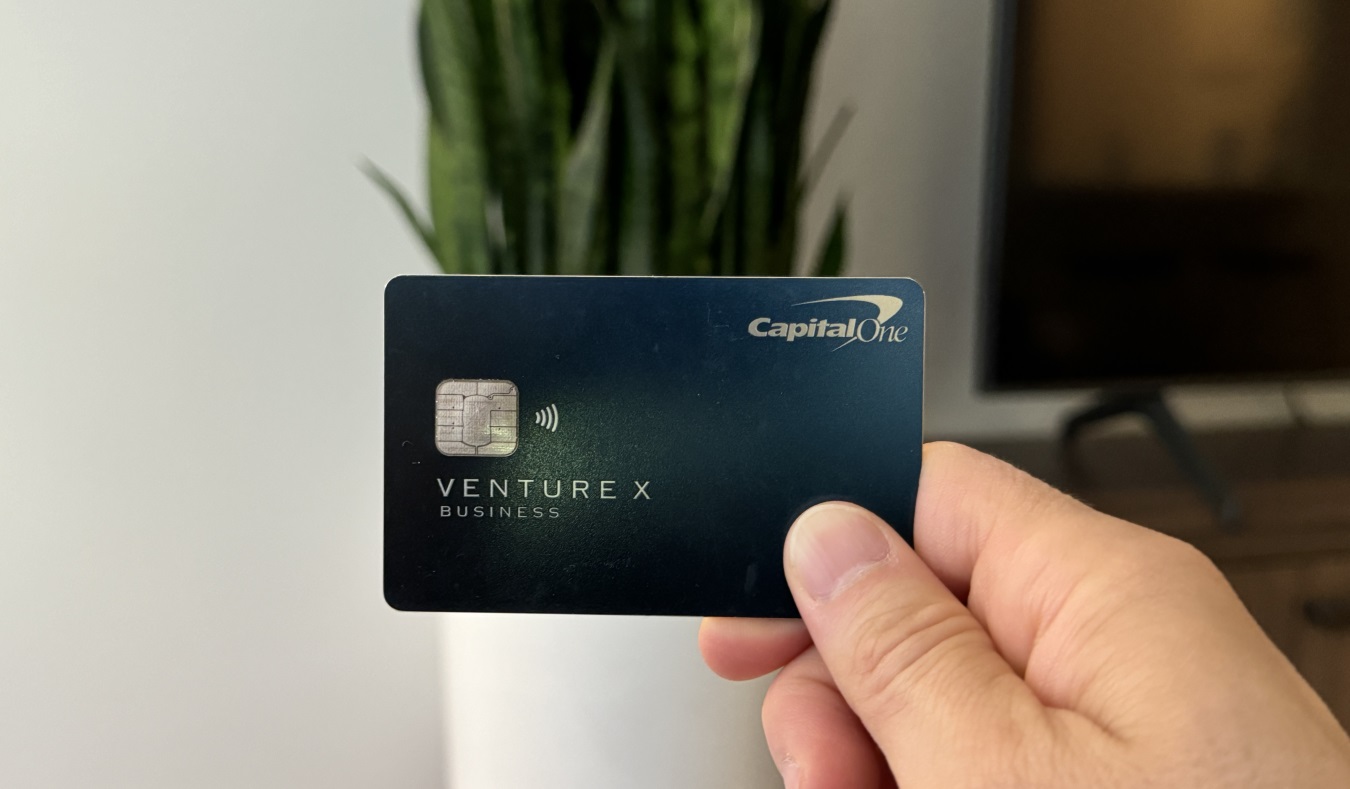
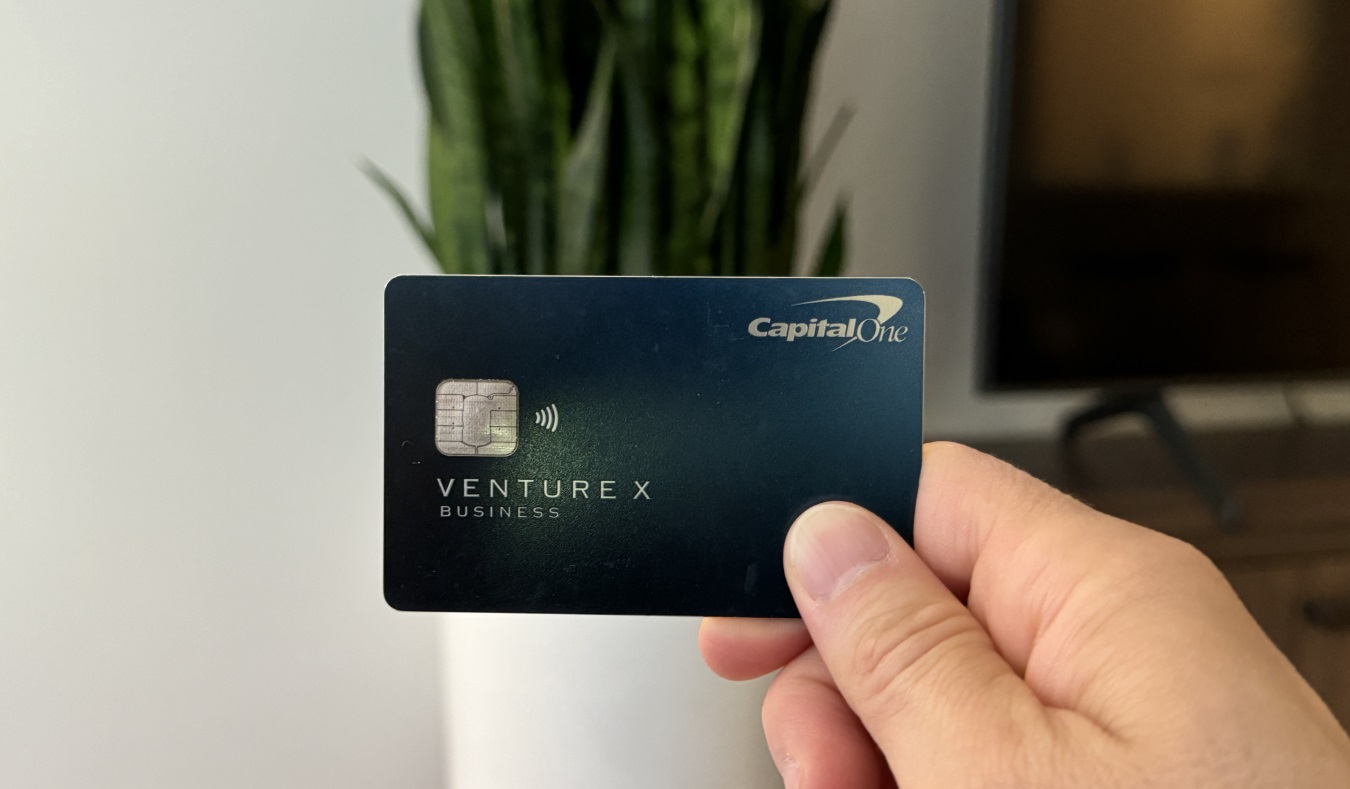
Nomadic Matt holding up his Capital One Venture X business card
I’m a sucker for a good travel rewards card. Over the years, I’ve collected a small handful of them — not because I love juggling annual fees, but because the right cards can save you a lot of money on flights, hotels, and travel perks you’d otherwise pay out of pocket for.

Not only do I have a bunch for my personal expenses but I have a couple for this business too. One of my favorite business credit cards is the Capital One Venture X Business Credit Card. It’s Capital One’s top-tier business product. I love it because there’s a big welcome offer, lounge access to over 1,300 airport lounges, annual travel credits, and a simple 2x reward on all spending (which ensures you are always earning multiples miles per dollar spent).

To help you decide if this card is for you, here’s my full review of the card and why I love it so much:


What is the Capital One Venture X Business Card?

The Capital One Venture X Business Credit Card is a travel rewards card issued by Capital One. It comes with a $395 annual fee that is way lower than the other premium business cards out there. And I think you can easily get way more value than the annual fee costs. Here’s a quick look at the main perks:

  • Earn 150,000 bonus miles once you spend $30,000 in the first 3 months from account opening
  • 2 miles per $1 on all purchases, no category restrictions
  • 5× miles on flights booked through Capital One Travel
  • 10× miles on hotels and rental cars booked through Capital One Travel
  • $300 annual travel credit (through Capital One Business Travel)
  • Every year, you’ll get 10,000 bonus miles after your account anniversary date.
  • Enjoy access to 1,300+ airport lounges worldwide, including Capital One Lounge locations and Priority Pass™ lounges, after enrollment
  • Up to $120 statement credit for TSA Precheck or Global Entry
  • No foreign transaction fees


Using Your Capital One Miles

Capital One miles can be redeemed in a few ways. One is by booking travel directly through Capital One’s portal. While I usually don’t recommend booking through credit card portals, to fully benefit from the Venture X’s travel credit (and to get the 5x and 10x miles offers) you’ll need to use their portal.

Another option is to use your miles to get reimbursed for any travel purchase. For 90 days after making such a purchase, you can reimburse yourself at a redemption rate of one cent per mile. After 90 days, and for all other purchases, you can use miles as cash back, at a redemption rate of 0.5 cents per mile (but avoid doing this, as it’s not a good value).

You can also use your Capital One miles in the Capital One Entertainment portal to book tickets for concerts, sports events, and more. Occasionally, Capital One offers cardholder-only events and presale opportunities too. While you’ll get just 0.8 cents per mile for tickets (not the best value), it’s still a fun and unique way to redeem miles.

However, you’ll get the most out of your miles by transferring them to Capital One’s 15+ airline and hotel partners. While the actual value varies based on what you book, you can usually find airline and hotel redemptions worth much more than the aforementioned one cent per mile. (The process is pretty straightforward and can be done through your Capital One account.)

Here are Capital One’s current travel partners:

  • Accor Live Limitless
  • Aeromexico Club Premier
  • Air Canada Aeroplan
  • Air France/KLM Flying Blue
  • Avianca LifeMiles
  • British Airways Executive Club
  • Cathay Pacific Asia Miles
  • Choice Privileges
  • Emirates Skywards
  • Etihad Airways Guest
  • EVA Air Infinity MileageLands
  • Finnair Plus
  • I Prefer Hotel Rewards
  • Japan Airlines Mileage Bank
  • Qantas Frequent Flyer
  • Qatar Airways Privilege Club
  • Singapore Airlines KrisFlyer
  • TAP Portugal Miles&Go
  • Turkish Airlines Miles&Smiles
  • Virgin Red
  • Wyndham Rewards


Pros of the Venture X Business Card

As someone who travels constantly for work, I’m always looking for ways to earn miles faster and make airport life a little less painful. I like this card for the simple 2x miles on everything. I use a lot of other cards that can get you 3 or 4x on certain categories like advertising or non-portal travel spend like flights and hotels. But when it comes to dining, museums, transportation, etc, there’s not a lot of ways to get more than 2x per dollar spent on a business card. So, I use this Venture X for anything I can’t get more than 2x per dollar.

Here’s a deep dive into some of the main perks:

$300 Travel Credit
Each year, you get a $300 credit toward bookings made through Capital One Business Travel (flights, hotels, or car rentals). If you’re already booking travel regularly, this credit is basically free money — and it immediately drops your effective annual fee from $395 to $95.

The catch? You do have to book through Capital One’s travel portal. It’s powered by Hopper, so the interface is clean and prices are usually competitive. I’ve found some good deals there.

Lounge Access
You get access to Capital One Lounges and Priority Pass lounges. Capital One’s own lounges are actually great — spacious, modern, good food — though they’re still limited location. But they are expanding how many they have and I personally think they are way better than the other lounges competitor banks have. You also get Priority Pass access t o over 1,300 lounges globally, which is a common but really nice perk.

Anniversary Bonus
Every year on your account anniversary, you’ll get 10,000 bonus miles (worth about $100 toward travel). It’s a nice “thank you” that helps offset the annual fee even further.
 

Should You Get This Card?

The Capital One Venture X Business Credit Card is best for small- to medium-sized business owners who travel regularly and can put at least $30,000 to ensure they meet the welcome offer requirements.

Overall, I think the Capital One Venture X Business is one of the best-value premium business cards out there right now. It’s not as benefit-packed or as flashy as the The Business Platinum Card® from American Express or the Chase Sapphire Reserve for Business?, but it’s easier to use, has a less expensive annual fee, gets you lounge access, and an easy to understand earning structure.

It’s one of the cards I use the most often for my business. I highly recommend getting it.

Stop paying full price for travel!

Download my free guide to points and miles and learn how to use points and miles for free travel! It’s how all the pros travel so much! In this guide, I’ll show you:

  • How to Pick a Credit Card
  • How to Earn Up to 10x Miles on Your Spending
  • How to Redeem Your Points
  • And a Ton of Other Money Saving Tips!
Points and Miles

Book Your Trip: Logistical Tips and Tricks

Book Your Flight
Find a cheap flight by using Skyscanner. It’s my favorite search engine because it searches websites and airlines around the globe so you always know no stone is being left unturned.

Book Your Accommodation
You can book your hostel with Hostelworld. If you want to stay somewhere other than a hostel, use Booking.com as it consistently returns the cheapest rates for guesthouses and hotels.

Don’t Forget Travel Insurance
Travel insurance will protect you against illness, injury, theft, and cancellations. It’s comprehensive protection in case anything goes wrong. I never go on a trip without it as I’ve had to use it many times in the past. My favorite companies that offer the best service and value are:

Want to Travel for Free?
Travel credit cards allow you to earn points that can be redeemed for free flights and accommodation — all without any extra spending. Check out my guide to picking the right card and my current favorites to get started and see the latest best deals.

Need a Rental Car?
Discover Cars is a budget-friendly international car rental website. No matter where you’re headed, they’ll be able to find the best — and cheapest — rental for your trip!

Need Help Finding Activities for Your Trip?
Get Your Guide is a huge online marketplace where you can find cool walking tours, fun excursions, skip-the-line tickets, private guides, and more.

Ready to Book Your Trip?
Check out my resource page for the best companies to use when you travel. I list all the ones I use when I travel. They are the best in class and you can’t go wrong using them on your trip.


Source link