9 Foods With More Fiber Per Serving Than a Pear


Fact checked by Nick Blackmer

A pear provides about 20% of the Daily Value of fiber.Credit: Aleksandr Zubkov / Getty Images
A pear provides about 20% of the Daily Value of fiber.
Credit: Aleksandr Zubkov / Getty Images
  • When looking to boost your fiber intake, pears are a great place to start. However, many other foods pack even more fiber per serving than a pear.
  • Raspberries, almonds, chia seeds, and lentils are some foods that offer more fiber per serving than a pear.
  • If you’re not used to eating much fiber daily, it’s important to start slowly and add more gradually to avoid symptoms like gas, bloating, or stomach discomfort.

Pears are among the richest sources of fiber, with a medium-sized fruit offering about 6 grams—roughly 20% of the nutrient's Daily Value (DV), based on the recommended intake of 28 grams per day for adults. But plenty of other foods pack even more fiber per serving than pears. Here are nine of them.

1. Chickpeas

Credit: SimpleImages / Getty Images
  • Fiber content: 10 grams per 1 cup canned, 35% of the DV
  • Health benefits: Chickpeas offer an impressive amount of fiber, but they are also rich in other beneficial nutrients, such as plant-based protein, iron, folate, manganese, and zinc. Zinc is critical for immune health, while manganese “aids in metabolism, helps regulate blood sugar, and supports antioxidant defenses,” Dani Dominguez, MS, RDN, registered dietitian nutritionist and founder of SunBright Wellness, told Health.
  • How to use it: Add them to salads or grain bowls, or make them into hummus.

2. Raspberries

Credit: Rocio Angulo / 500px / Getty Images
  • Fiber content: 8 grams per 1 cup, 29% of the DV
  • Health benefits: Raspberries are a great snack for weight management, Dominguez said. They’re low in calories and high in fiber, which can help curb cravings and overeating. They’re also “full of antioxidants, which help support the immune system and reduce inflammation.”
  • How to use it: Snack on them by the handful or toss them into smoothies, oatmeal, or homemade sorbet. Ali McGowan, MS, RD, LDN, a Boston-area registered dietitian and founder of Sprout Out Loud, told Health she loves “adding them to Greek yogurt or blending them with chia seeds for an easy, naturally sweet jam.”

3. Chia Seeds

Credit: HUIZENG HU / Getty Images
  • Fiber content: 10 grams per 1 ounce (2 tablespoons), 36% of the DV
  • Health benefits: Chia seeds pack a major nutritional punch in a very small package. They’re an excellent source of protein, which is required for the growth, repair, and maintenance of most structures in the body, and they’re rich in omega-3 fatty acids that help reduce inflammation and support heart health, Brittany Brown, RD, IBCLC, CDE, a dietitian and lactation consultant in Nova Scotia, told Health.
  • How to use it: When soaked, chia seeds form a pudding-like texture that’s great stirred into overnight oats or mixed with milk and fruit for a quick pudding, said McGowan. Chia seeds are also a satisfyingly crunchy topping for yogurt, oatmeal, salads, and pancakes.

4. Lentils

Credit: Crispin la valiente / Getty Images
  • Fiber content: 16 grams per 1 cup cooked, 57% of the DV
  • Health benefits: Lentils are fiber powerhouses, offering over half your daily needs in a single cup cooked. What’s more, McGowan said, they’re rich in protein, iron, and potassium, which help with red blood cell production and heart health.
  • How to use it: “Lentils are a fantastic stand-in for ground meat; I love using them in tacos for an affordable way to feed a crowd,” said Brown. The legumes also work well in salads, grain bowls, and soups.

5. Avocado

Credit: VIKTORIIA DROBOT / Getty Images
  • Fiber content: 10 grams per 1 cup cubed, 36% of the DV
  • Health benefits: Avocados are nutritional superstars,” Dominguez said. In addition to being high in fiber, they’re also a good source of potassium and provide heart-healthy monounsaturated fats that help reduce inflammation. They’re also rich in vitamins K and E, which support skin health, immune function, and proper blood clotting.
  • How to use it: There are countless ways to use avocado in the kitchen. “I love mashing it onto sourdough with flaky sea salt or adding it on top of turkey burgers,” McGowan said. Meanwhile, the other registered dietitians love adding it to salads, smoothies, and even ice cream.

6. Edamame

Credit: Jordan Lye / Getty Images
  • Fiber content: 8 grams per 1 cup cooked, 29% of the DV
  • Health benefits: “Edamame is both high in fiber and protein, keeping you full for hours,” said Brown. These soybeans also provide a variety of nutrients—including B vitamins, calcium, copper, magnesium, phosphorus, potassium, and iron—that support metabolic, immune, bone, and heart health.
  • How to use it: Snack on these straight from the pod (maybe with a sprinkle of sea salt) or shell them and add to salads, soups, noodle dishes, stir-fries, and protein bowls.

7. Sweet Potatoes

Credit: annick vanderschelden photography / Getty Images
  • Fiber content: 8 grams per 1 cup cooked, 29% of the DV
  • Health benefits: In addition to fiber, sweet potatoes are packed with plenty of other nutrients, including potassium and vitamin C, said Dominguez. They also contain beta-carotene, which your body converts to vitamin A for healthy skin and vision.
  • How to use it: You can roast or mash sweet potatoes, turn them into French fries, or incorporate them into waffles, pancakes, and soups. For the most fiber bang for your buck, be sure to leave the skins on.

8. Black Beans

Credit: Roberto Machado Noa / Getty Images
  • Fiber content: 15 grams per 1 cup cooked, 54% of the DV
  • Health benefits: Just one cup of these beans provides over half of the recommended daily value of fiber. They’re also a good source of protein and magnesium, which support muscle recovery and energy metabolism, said McGowan. Plus, black beans stand out from other varieties for their high antioxidant content.
  • How to use it: Whether mixed into chili, rice, stir fries, dips, or salads, the neutral flavor of black beans plays well in many recipes. You can even incorporate them into brownies, added Dominguez.

9. Artichoke

Credit: Alexander Spatari / Getty Images
  • Fiber content: 7 grams per one medium cooked artichoke, 25% of the DV
  • Health benefits: Artichokes boast a quarter of your daily fiber needs and are also a good source of folate, calcium, magnesium, phosphorus, and potassium.
  • How to use it: Add whole cooked artichoke hearts to salads, sandwiches, stews, or dips. Or enjoy them on their own with a side of creamy dipping sauce.




Source link

Leave a Reply

Subscribe to Our Newsletter

Get our latest articles delivered straight to your inbox. No spam, we promise.

Recent Reviews


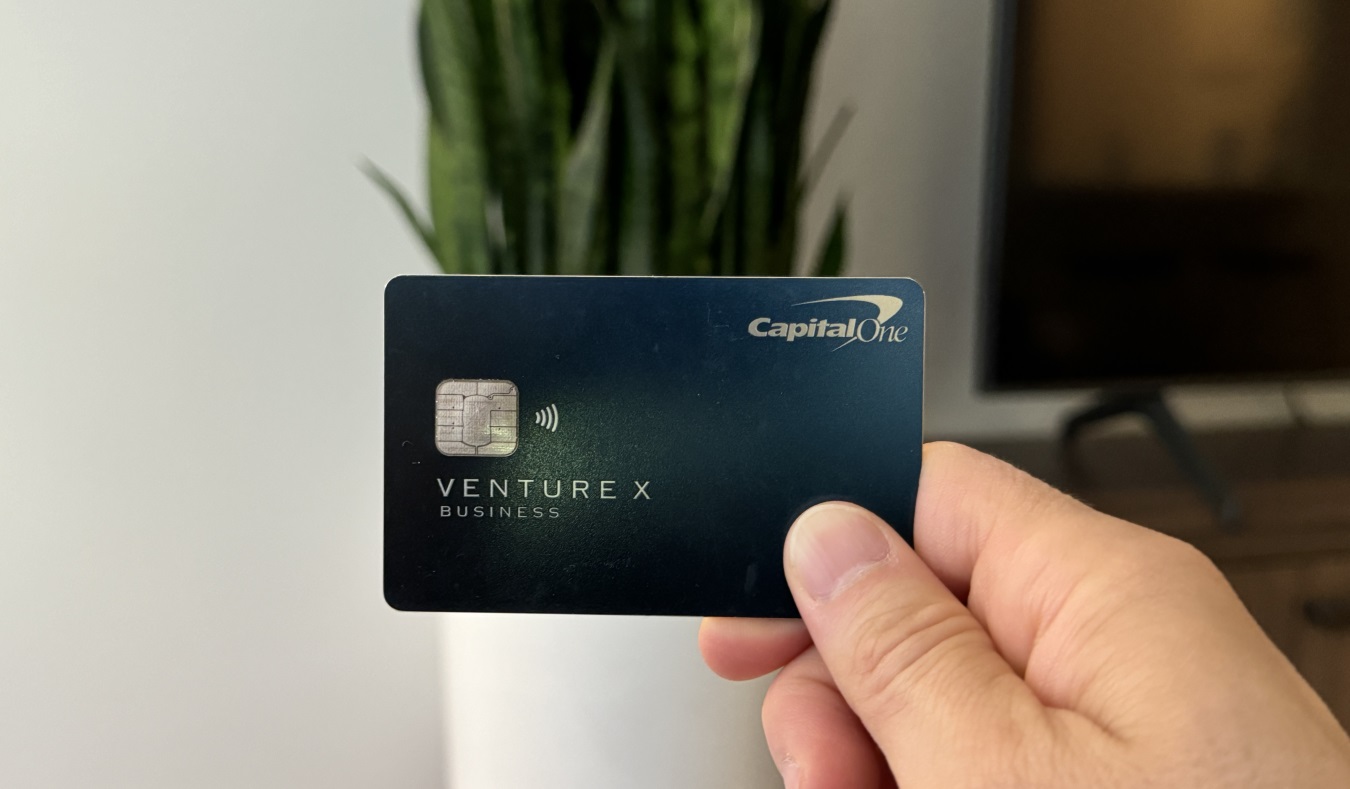
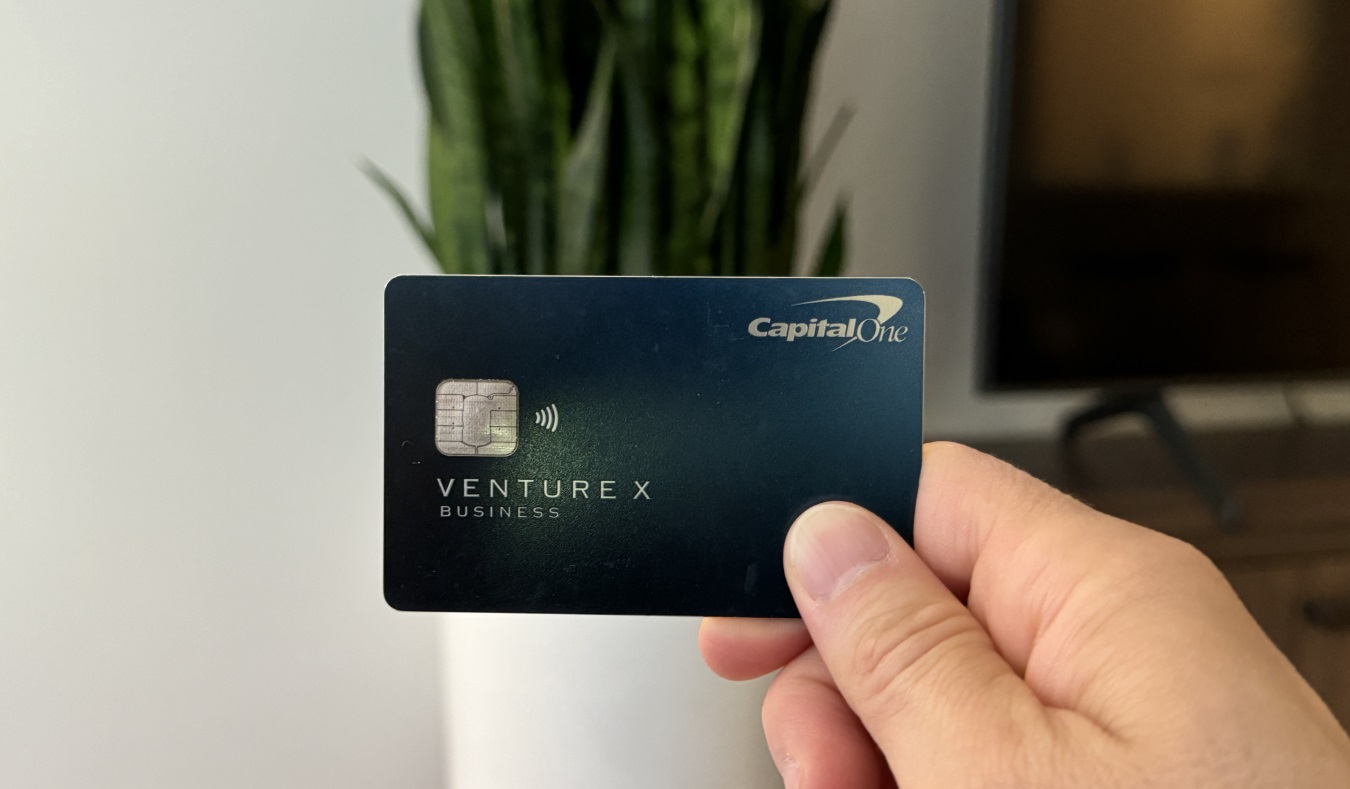
Nomadic Matt holding up his Capital One Venture X business card
I’m a sucker for a good travel rewards card. Over the years, I’ve collected a small handful of them — not because I love juggling annual fees, but because the right cards can save you a lot of money on flights, hotels, and travel perks you’d otherwise pay out of pocket for.

Not only do I have a bunch for my personal expenses but I have a couple for this business too. One of my favorite business credit cards is the Capital One Venture X Business Credit Card. It’s Capital One’s top-tier business product. I love it because there’s a big welcome offer, lounge access to over 1,300 airport lounges, annual travel credits, and a simple 2x reward on all spending (which ensures you are always earning multiples miles per dollar spent).

To help you decide if this card is for you, here’s my full review of the card and why I love it so much:


What is the Capital One Venture X Business Card?

The Capital One Venture X Business Credit Card is a travel rewards card issued by Capital One. It comes with a $395 annual fee that is way lower than the other premium business cards out there. And I think you can easily get way more value than the annual fee costs. Here’s a quick look at the main perks:

  • Earn 150,000 bonus miles once you spend $30,000 in the first 3 months from account opening
  • 2 miles per $1 on all purchases, no category restrictions
  • 5× miles on flights booked through Capital One Travel
  • 10× miles on hotels and rental cars booked through Capital One Travel
  • $300 annual travel credit (through Capital One Business Travel)
  • Every year, you’ll get 10,000 bonus miles after your account anniversary date.
  • Enjoy access to 1,300+ airport lounges worldwide, including Capital One Lounge locations and Priority Pass™ lounges, after enrollment
  • Up to $120 statement credit for TSA Precheck or Global Entry
  • No foreign transaction fees


Using Your Capital One Miles

Capital One miles can be redeemed in a few ways. One is by booking travel directly through Capital One’s portal. While I usually don’t recommend booking through credit card portals, to fully benefit from the Venture X’s travel credit (and to get the 5x and 10x miles offers) you’ll need to use their portal.

Another option is to use your miles to get reimbursed for any travel purchase. For 90 days after making such a purchase, you can reimburse yourself at a redemption rate of one cent per mile. After 90 days, and for all other purchases, you can use miles as cash back, at a redemption rate of 0.5 cents per mile (but avoid doing this, as it’s not a good value).

You can also use your Capital One miles in the Capital One Entertainment portal to book tickets for concerts, sports events, and more. Occasionally, Capital One offers cardholder-only events and presale opportunities too. While you’ll get just 0.8 cents per mile for tickets (not the best value), it’s still a fun and unique way to redeem miles.

However, you’ll get the most out of your miles by transferring them to Capital One’s 15+ airline and hotel partners. While the actual value varies based on what you book, you can usually find airline and hotel redemptions worth much more than the aforementioned one cent per mile. (The process is pretty straightforward and can be done through your Capital One account.)

Here are Capital One’s current travel partners:

  • Accor Live Limitless
  • Aeromexico Club Premier
  • Air Canada Aeroplan
  • Air France/KLM Flying Blue
  • Avianca LifeMiles
  • British Airways Executive Club
  • Cathay Pacific Asia Miles
  • Choice Privileges
  • Emirates Skywards
  • Etihad Airways Guest
  • EVA Air Infinity MileageLands
  • Finnair Plus
  • I Prefer Hotel Rewards
  • Japan Airlines Mileage Bank
  • Qantas Frequent Flyer
  • Qatar Airways Privilege Club
  • Singapore Airlines KrisFlyer
  • TAP Portugal Miles&Go
  • Turkish Airlines Miles&Smiles
  • Virgin Red
  • Wyndham Rewards


Pros of the Venture X Business Card

As someone who travels constantly for work, I’m always looking for ways to earn miles faster and make airport life a little less painful. I like this card for the simple 2x miles on everything. I use a lot of other cards that can get you 3 or 4x on certain categories like advertising or non-portal travel spend like flights and hotels. But when it comes to dining, museums, transportation, etc, there’s not a lot of ways to get more than 2x per dollar spent on a business card. So, I use this Venture X for anything I can’t get more than 2x per dollar.

Here’s a deep dive into some of the main perks:

$300 Travel Credit
Each year, you get a $300 credit toward bookings made through Capital One Business Travel (flights, hotels, or car rentals). If you’re already booking travel regularly, this credit is basically free money — and it immediately drops your effective annual fee from $395 to $95.

The catch? You do have to book through Capital One’s travel portal. It’s powered by Hopper, so the interface is clean and prices are usually competitive. I’ve found some good deals there.

Lounge Access
You get access to Capital One Lounges and Priority Pass lounges. Capital One’s own lounges are actually great — spacious, modern, good food — though they’re still limited location. But they are expanding how many they have and I personally think they are way better than the other lounges competitor banks have. You also get Priority Pass access t o over 1,300 lounges globally, which is a common but really nice perk.

Anniversary Bonus
Every year on your account anniversary, you’ll get 10,000 bonus miles (worth about $100 toward travel). It’s a nice “thank you” that helps offset the annual fee even further.
 

Should You Get This Card?

The Capital One Venture X Business Credit Card is best for small- to medium-sized business owners who travel regularly and can put at least $30,000 to ensure they meet the welcome offer requirements.

Overall, I think the Capital One Venture X Business is one of the best-value premium business cards out there right now. It’s not as benefit-packed or as flashy as the The Business Platinum Card® from American Express or the Chase Sapphire Reserve for Business?, but it’s easier to use, has a less expensive annual fee, gets you lounge access, and an easy to understand earning structure.

It’s one of the cards I use the most often for my business. I highly recommend getting it.

Stop paying full price for travel!

Download my free guide to points and miles and learn how to use points and miles for free travel! It’s how all the pros travel so much! In this guide, I’ll show you:

  • How to Pick a Credit Card
  • How to Earn Up to 10x Miles on Your Spending
  • How to Redeem Your Points
  • And a Ton of Other Money Saving Tips!
Points and Miles

Book Your Trip: Logistical Tips and Tricks

Book Your Flight
Find a cheap flight by using Skyscanner. It’s my favorite search engine because it searches websites and airlines around the globe so you always know no stone is being left unturned.

Book Your Accommodation
You can book your hostel with Hostelworld. If you want to stay somewhere other than a hostel, use Booking.com as it consistently returns the cheapest rates for guesthouses and hotels.

Don’t Forget Travel Insurance
Travel insurance will protect you against illness, injury, theft, and cancellations. It’s comprehensive protection in case anything goes wrong. I never go on a trip without it as I’ve had to use it many times in the past. My favorite companies that offer the best service and value are:

Want to Travel for Free?
Travel credit cards allow you to earn points that can be redeemed for free flights and accommodation — all without any extra spending. Check out my guide to picking the right card and my current favorites to get started and see the latest best deals.

Need a Rental Car?
Discover Cars is a budget-friendly international car rental website. No matter where you’re headed, they’ll be able to find the best — and cheapest — rental for your trip!

Need Help Finding Activities for Your Trip?
Get Your Guide is a huge online marketplace where you can find cool walking tours, fun excursions, skip-the-line tickets, private guides, and more.

Ready to Book Your Trip?
Check out my resource page for the best companies to use when you travel. I list all the ones I use when I travel. They are the best in class and you can’t go wrong using them on your trip.


Source link