Medically reviewed by Michael Menna, DO
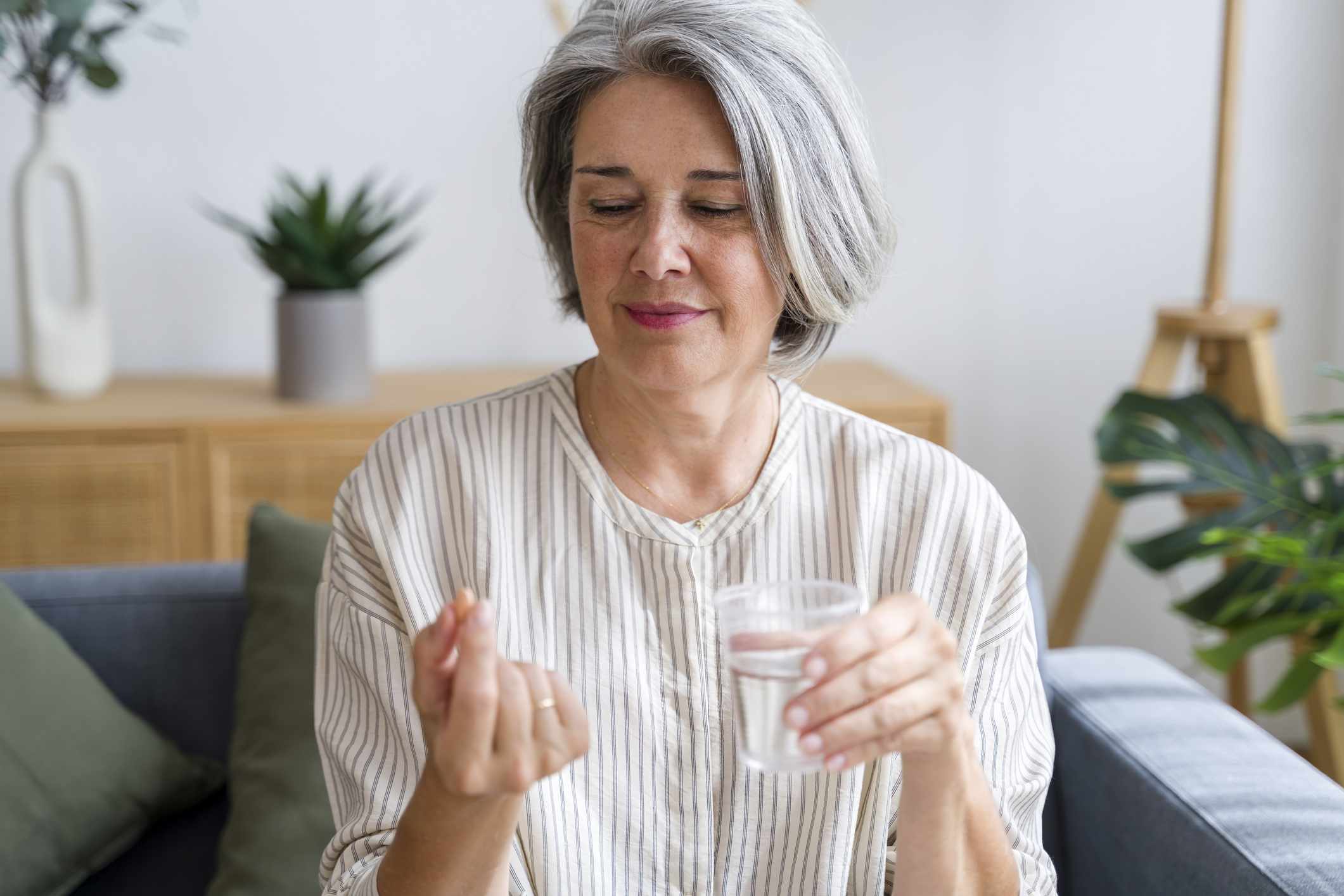
:max_bytes(150000):strip_icc():format(jpeg)/Health-GettyImages-2252140136-04e2f588537b4b61bf309e17220e1e0a.jpg "A woman holding a pill and a glass of water sitting on a couch at home")
Credit: Westend61 / Getty Images
- As women get older, health risks like bone loss and cognitive decline increase the need for certain vitamins and minerals.
- Examples of supplements that support healthy aging in women include calcium, vitamin D, and magnesium.
- Other ways to support your health as you get older include eating a balanced diet and staying active.
As women get older, the need for certain vitamins, minerals, and nutrients changes. Supplements that can support healthy aging in women include calcium, vitamin D, magnesium, and more.
1. Calcium
Calcium is an important mineral for maintaining strong and healthy bones. Bone loss is common as you get older, raising the risk for fractures and osteoporosis (weak and brittle bones). Menopause also leads to bone loss because of low estrogen levels, which lowers how much calcium your body and bones absorb.
Women over 50 years old need at least 1,200 milligrams of calcium every day. A variety of calcium supplements are available to help you obtain enough calcium. Side effects caused by calcium supplements include gas, bloating, and constipation.
2. Vitamin D
Vitamin D plays an important role in bone health, cell growth, and immune health. Low vitamin D levels have been linked to quicker aging, a higher risk of falls and fractures, cognitive impairment, and dementia in aging populations.
You can get vitamin D naturally through sunlight or through some foods, like fatty fish and mushrooms. You can also take it as a supplement.
Recommended daily vitamin D intake is 15 micrograms or 600 International Units (IU). In people over 70, the recommended intake is 20 micrograms (800 IU). The tolerable upper limit (the maximum amount before it becomes unsafe) is 100 micrograms (4,000 IU).
3. Creatine
Creatine supplements may help improve strength, muscle size, and cognitive function as you get older. Creatine may also help lower your risk for falls, prevent bone loss, and reduce overall inflammation.
Before menopause, creatine may help improve your exercise performance and strength. After menopause, it can help with muscle size, function, and bone health. Studies have shown that creatine may also improve mental health, cognition, and mood.
Most adults can take creatine safely at doses of up to 25 grams daily for 14 days, followed by 10 grams daily for up to five years. Side effects include diarrhea, muscle cramps, and stomach upset.
4. Magnesium
Magnesium is needed for many cellular reactions, including muscle and nerve health, blood glucose (sugar) management, and blood pressure regulation. It also plays an important role in sleep, brain health, and neurodegenerative disease. As you get older, having low magnesium (magnesium deficiency) becomes more common, which may raise the risk for inflammation and oxidative stress.
The daily recommended magnesium dosage (from diet and supplements) for women over age 50 is 320 milligrams. Adults should not exceed 350 milligrams of magnesium per day from supplements alone.
5. B Vitamins
B vitamins play an important role in many body processes throughout life. Specifically, vitamins B3, B6, and B12 are important for women as they get older.
Vitamin B3 (niacin) helps with energy production and cellular health. Low B3 levels are associated with oxidative stress, cognitive issues, and inflammation. The recommended daily vitamin B3 intake for adult women is 14 milligrams of niacin equivalents (NE).
Vitamin B6 (pyridoxine) is needed for nerve health, red blood cell formation, metabolism, and cognitive function. The recommended daily amount of vitamin B6 needed in women over the age of 50 is 1.5 milligrams.
Finally, vitamin B12 (cobalamin) is important for red blood cell and nerve health. Low vitamin B12 levels are associated with low neurological function and cognitive decline. The recommended daily vitamin B12 intake for adult women is 2.4 micrograms.
B vitamins are available on their own, in a combination product with other B vitamins (often called vitamin B complex), and within multivitamin products.
6. Omega-3 Fatty Acids
Omega-3 fatty acids offer a variety of benefits, especially for brain, eye, and heart health. In post-menopausal women, studies have shown that omega-3s can improve mental health and lower symptoms of depression. Diets that are high in omega-3 fatty acids are also associated with a lower risk of cognitive decline, dementia, and Alzheimer's disease. Adequate intake for women over 50 years old is 1.1 grams per day, whether through diet or supplementation.
7. Curcumin
Curcumin is a plant compound found in turmeric. The supplement is commonly used for its antioxidant, anti-inflammatory, antibacterial, and immune-boosting properties.
Curcumin may positively affect proteins involved in cellular aging, including oxidative stress, inflammation, cellular signaling, DNA repair, and apoptosis (death of cells). This leads to healthier cells for better overall health.
You can take curcumin as a supplement on its own or as a turmeric supplement. Turmeric doses up to 8,000 milligrams daily for up to eight months and curcumin doses up to 8,000 milligrams daily for up to three months are safe. Possible side effects include diarrhea, headache, rash, nausea, and yellow stool (poop).
8. Resveratrol
Resveratrol is a substance found notably in grapes and red wine. It has antioxidant, anti-inflammatory, anti-infection, and brain-protective properties. The substance helps improve oxidative stress, inflammation, and overall cellular health. Studies have also shown that resveratrol may help protect against cancers, lower blood sugar levels, and protect brain health.
Resveratrol is considered safe in doses up to 1,500 milligrams daily for up to three months. Common side effects include diarrhea and stomach discomfort.
Other Ways to Support Healthy Aging
Besides supplements, other ways to support your health as you get older include:
- Eat a nutritious, balanced diet
- Get regular physical activity
- Avoid tobacco products
- Manage your stress
- Engage in hobbies and stimulating activities, like puzzles
- Stay socially connected to others






:max_bytes(150000):strip_icc():format(jpeg)/Health-Anchovies-vs-Sardines-abf78393ed254f7fb6103ad3b603bfd0.png "Comparison between canned anchovies and sardines, side by side.")