Medically reviewed by Simone Harounian, MS
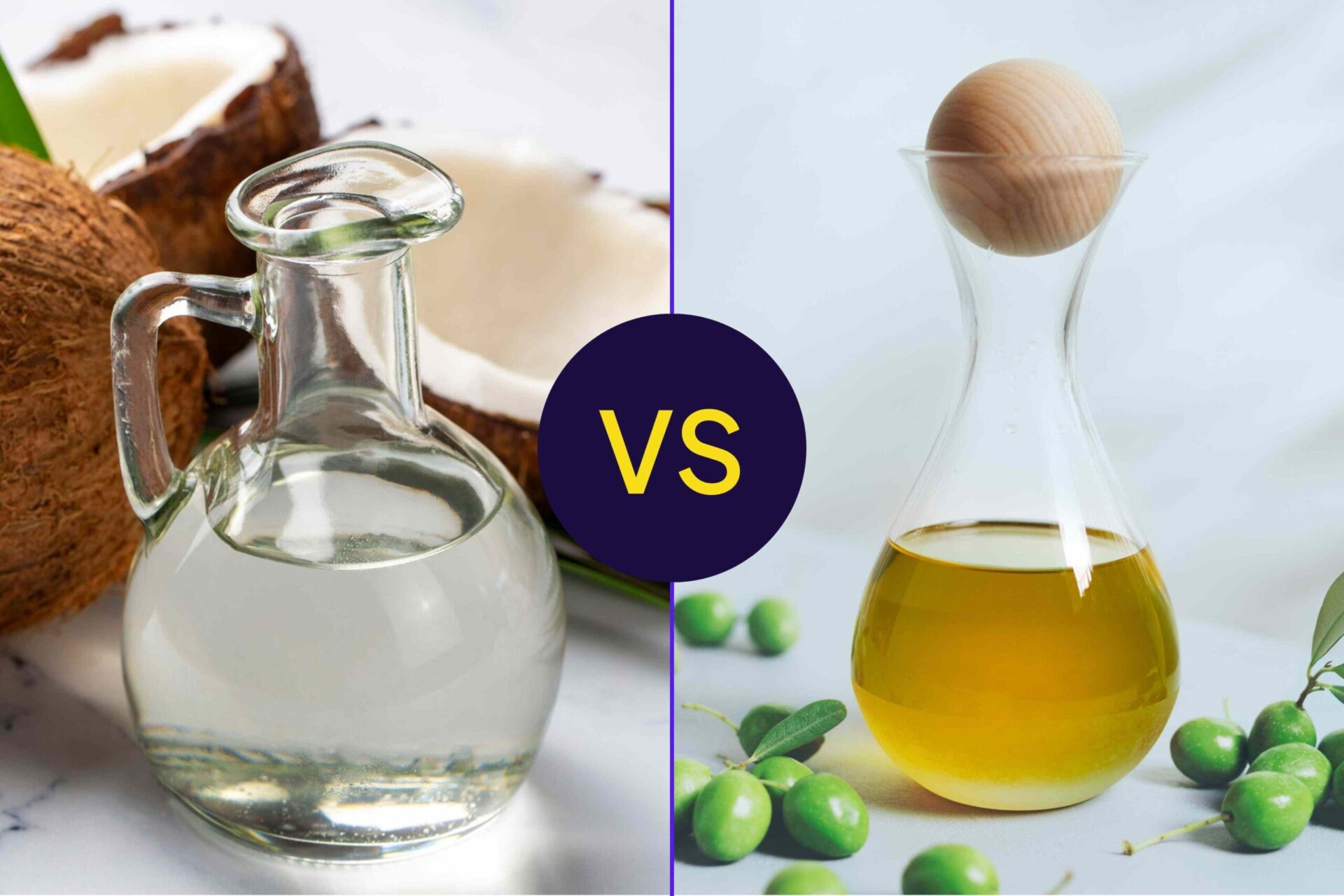
:max_bytes(150000):strip_icc():format(jpeg)/Health-coconutvsoliveoil-0aabab6a81134799be42c204cf35be89.jpg "Side-by-side comparison of coconut oil and olive oil presented in glass jars")
Credit: Health / Getty Images
- Olive oil is higher in heart-healthy monounsaturated fats, while coconut oil is primarily made of saturated fats.
- The fats and polyphenols in olive oil support healthy cholesterol levels and may help reduce other markers of heart disease.
- Both oils contain antioxidant compounds that can help support overall health.
Coconut oil and olive oil are both plant-based fats with a variety of uses in cooking and baking. However, olive oil is often considered the healthier oil due to its higher concentration of heart-healthy unsaturated fats.
Which Is a Better Source of Healthy Fats?
Coconut and olive oil contain about the same amount of total fat per serving. However, they differ in the types of fats they provide, with olive oil being the better source of heart-healthy unsaturated fats.
Olive oil is higher in monounsaturated fats, which can help lower your low-density lipoprotein (LDL, the "bad" cholesterol), especially when eaten in place of saturated fats. Olive oil also provides some polyunsaturated fats, like omega-3 and omega-6 fatty acids, which can support brain and heart health.
In comparison, coconut oil is primarily made up of saturated fat. Eating too much saturated fat can raise your LDL cholesterol.
Here's how the fat content compares in a 1-tablespoon serving of coconut oil and olive oil:
| | Coconut oil | Olive oil |
| Calories | 121 | 119 |
| Total fat | 13.5 grams (g) | 13.5 g |
| Saturated fat | 11.2 g | 1.86 g |
| Monounsaturated fat | 0.86 g | 9.86 g |
| Polyunsaturated fat | 0.23 g | 1.42 g |
Which Is Better for Heart Health?
Since olive oil is a better source of unsaturated fats, it's also a better choice for heart health.
Eating a diet too high in saturated fat can increase your LDL cholesterol. High levels of LDL cholesterol can build up in your arteries (blood vessels), increasing your risk for heart disease and stroke.
Replacing saturated fats like coconut oil with unsaturated fats like olive oil can help lower your LDL cholesterol and support your heart health.
Olive oil also contains polyphenols, which are plant compounds that have antioxidant and anti-inflammatory properties. For example, a 2025 study found that extra-virgin olive oil may help lower blood pressure, prevent blood clots, and reduce plaque buildup in the arteries. The researchers credited these effects to the polyphenols hydroxytyrosol and oleuropein, as well as oleic acid, a type of monounsaturated fatty acid high in olive oil.
How the Other Benefits Compare
Apart from their fat content, coconut oil and olive oil both contain other compounds that can benefit health.
Other potential benefits of consuming coconut oil include:
- Increased HDL cholesterol: Although coconut oil can raise LDL cholesterol, some studies show it also raises high-density lipoprotein (HDL) cholesterol. HDL is considered "good" cholesterol as it helps remove LDL from the body.
- Antioxidants: Coconut oil contains antioxidant compounds, including lauric acid, myristic acid, vitamin E, phytosterols, and phenolic acids. Antioxidants work against harmful free radicals to prevent oxidative stress, a state of cell damage that can lead to disease.
- Greater intake of medium-chain triglycerides (MCTs): Coconut oil is a natural source of MCTs. Research shows MCTs may promote the production of ketones (compounds that form from the breakdown of fat for energy), providing a quick source of energy.
Other potential benefits of consuming olive oil include:
- A boost in antioxidant, anti-inflammatory, and antimicrobial compounds: The phenolic compounds in olive oil have been shown to improve inflammation, increase antioxidant activity, and slow the growth and spread of certain bacteria.
- Greater immune health: Some research shows that the polyphenols in olive oil can increase the production of white blood cells and other compounds that strengthen the immune response.
- Lower disease risk: Higher olive oil intake has been linked to a lower risk of death in several conditions, including neurodegenerative (brain and spinal cord) disease, heart disease, and respiratory (lungs and airways) disease. Some studies have also found that diets that feature extra virgin olive oil, such as the Mediterranean diet, may lower the risk of breast, prostate, and gastrointestinal cancer. The fatty acids in olive oil have also been linked to reduced tumor growth.
- Better support for weight management: Replacing conventional cooking oils with olive oil can help support weight loss and prevent obesity-related conditions like hyperglycemia (high blood sugar).







:max_bytes(150000):strip_icc():format(jpeg)/Health-Anchovies-vs-Sardines-abf78393ed254f7fb6103ad3b603bfd0.png "Comparison between canned anchovies and sardines, side by side.")