GM Agrees To Pay $12.75 Million To Settle California Lawsuit Over Misuse Of Customers’ Driving Data


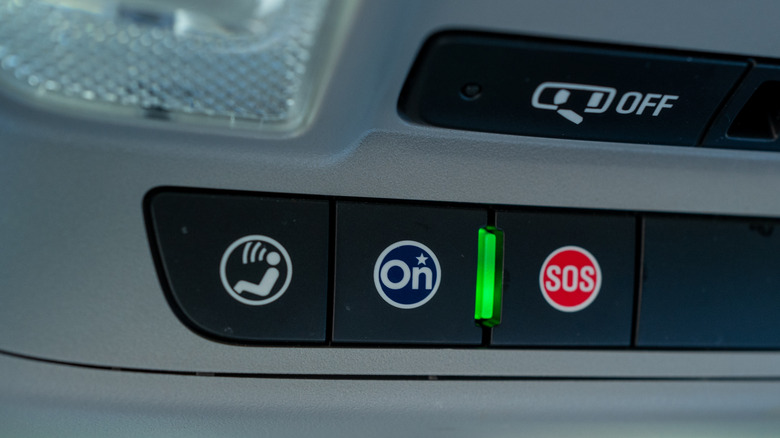
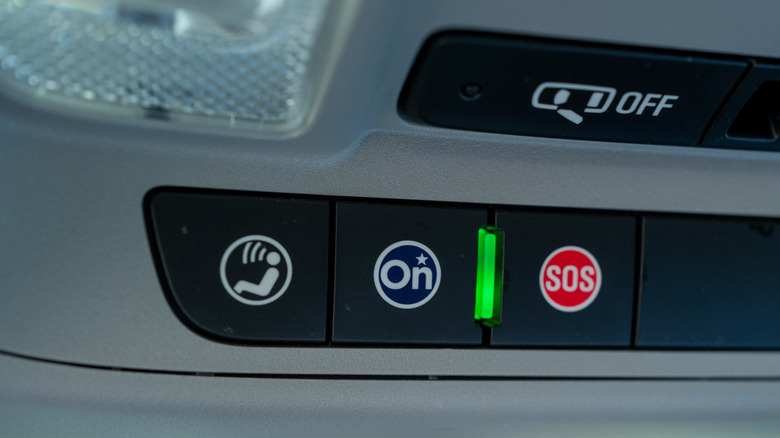
Following its settlement with the FTC earlier this year over its sale of drivers’ data to brokers, General Motors has now also reached a settlement in California. The company agreed to pay $12.75 million in civil penalties to settle the lawsuit led by Attorney General Rob Bonta on behalf of the people of California, and is banned from selling driving data to consumer reporting agencies for five years. The lawsuits came after a 2024 New York Times report revealed that GM collected consumers’ driving data through its OnStar program and sold this information to data brokers Verisk Analytics and LexisNexis Risk Solutions, which in turn could market the data to auto insurers.

In some cases, that driving data could be used by insurers to increase customers’ rates. However, in California, customers were likely spared this consequence, as laws in the state prohibit insurers from using driving data in this way. Nevertheless, the complaint alleges that GM violated consumers’ privacy by nonconsensually selling data that included people’s names, contact information, geolocation data and driving behavior data.

The settlement agreement stipulates that GM must delete any driving data it’s retained within 180 days “except for certain limited internal uses,” unless it has the customer’s express consent. It also requires GM to develop a privacy program to assess the risks of collecting data through OnStar, and report its findings to the DOJ and other agencies. In a statement on Friday, Bonta said, “Today’s settlement requires General Motors to abandon these illegal practices and underscores the importance of the data minimization in California’s privacy law — companies can’t just hold on to data and use it later for another purpose.”


Source link

Leave a Reply

Subscribe to Our Newsletter

Get our latest articles delivered straight to your inbox. No spam, we promise.

Recent Reviews


Learn the difference between accountability and responsibility — and why building a more accountable team starts with what you do as a leader.

Do you want your team to be more accountable?

If you’re like most of the CEOs I work with, you do.

You want clear ownership. You want clear communication. You want consequences for missing targets.

But here’s what most CEOs miss: holding accountability is your responsibility, not theirs.

In this essay, I’ll explain the difference between accountability and responsibility, and share the questions you need to ask to make sure you’re doing your part.

What is accountability?

I define accountability as the ability to account for one’s actions and decisions.

There are two sides to accountability: 

  • Being accountable: that’s the person giving an account.
  • Holding someone accountable: that’s the person they are giving it to.

The most common form of accountability is a report that shows:

  1. The numbers
  2. The story behind them. 

In fact, the word account can refer to numbers (think accounting) or stories (an account of what happened).

Reporting is powerful because it forces people to check in on their goals, what they’ve done, and what to do next. And great reports can create a self-managing system where the report does a lot of the heavy-lifting.

Accountability has benefits: it helps people remember and focus on their goals, and it can maximise their learning. Plus, it keeps stakeholders informed.

However, accountability is only half of the equation.

The other part is responsibility, and without it, accountability isn’t nearly as helpful.

What is responsibility?

I define responsibility as the ability to respond with effective actions and decisions.

So is the manager or the teammate responsible for getting results? 

This needs to be crystal clear:

  • Your team is responsible for getting results.
  • You are responsible for the team itself.

Your team is responsible for planning their work, making commitments, and solving problems in order to get results.

However, you are responsible for selecting the right people, communicating expectations, and supporting them as best you can.

Accountability is a service. It’s goal is to increase a person’s level of responsibility.

Haven’t you craved some accountability so you followed through on something important?

It actually starts with you, not them.

The first step in driving accountability is to check in with your responsibilities first: 

  • Have you selected the right people? 
  • Have you communicated expectations? 
  • Have you supported them and provided them with accountability?

Because the consequences you want aren’t actually on them, they are on you.

Answering these questions? That’s accountability.

Actually doing something about them? That’s taking responsibility.

Related Reading: 

Originally published on February 25th, 2026


How do top founders actually scale?

I’ve coached CEOs for 10,000+ hours—here’s what works.
Join 17,000+ founders learning how to scale with clarity.

Unsubscribe any time.


Source link