Medically reviewed by Kierra Brown, RD
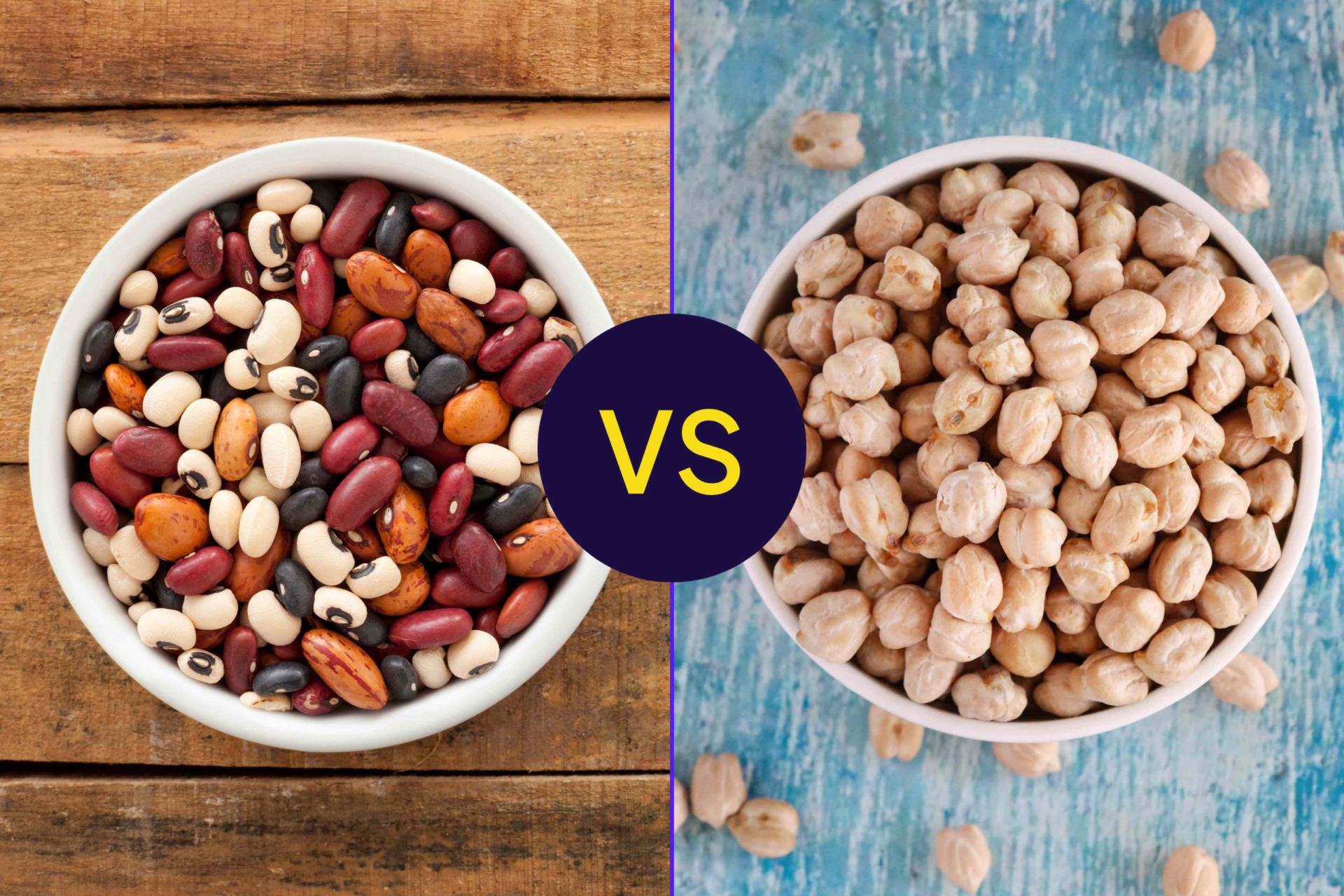
:max_bytes(150000):strip_icc():format(jpeg)/Health-Beans-vs-Chickpeas-dfc5e73813e54b8ba06b51de5cb485c8.png "Bowls of beans and chickpeas side by side with a VS in the center.")
Credit: Design by Health; Getty Images
- Beans and chickpeas are both nutrient-rich protein options that support digestive and heart health.
- The two offer similar amounts of protein, with about 14–15 grams per cooked cup.
- Beyond protein, beans provide slightly more fiber, while chickpeas offer more iron and zinc.
Beans and chickpeas are packed with nutrients that support digestive health and provide steady energy, including fiber, minerals, and plant-based protein. In fact, both of these legumes are considered top sources of plant-based protein, though beans have slightly more.
Protein Head-to-Head: Are Chickpeas or Beans the Better Choice?
If you're looking to increase your consumption of plant-based protein, you can't go wrong with either beans or chickpeas, as both provide a solid amount of protein per serving.
There are many different types of beans out there—in fact, chickpeas themselves are technically considered beans (and are sometimes called garbanzo beans). But here's how the protein content of chickpeas stacks up against the two most common types of beans in the United States:
- Pinto beans: 15.4 grams of protein per 1 cup, cooked
- Black beans: 15.2 grams of protein per 1 cup, cooked
- Chickpeas: 14.5 grams of protein per 1 cup, cooked
Beans usually have more protein. But with less than 1 gram of difference between these plant-based proteins per serving, choosing any type of bean or chickpea can help you get the protein you need.
Protein is best known for providing structure for cells, muscles, and tissues. But the body also uses it to make hormones and enzymes, which help your body function as it should. Eating more protein can also promote fullness and help control your appetite, which can aid weight management.
Benefits of Eating Plant-Based Protein
Getting your protein from plant-based sources—regardless of whether it's from beans or chickpeas—can be a good idea for your health. That's because beans and chickpeas contain:
- Low amounts of unhealthy fats: Certain animal proteins (especially red meat) can be high in cholesterol and saturated fats, which put your heart health at risk. Legumes like beans and chickpeas are naturally low in fat, so they're considered a heart-healthy choice.
- Antioxidants: Beans and chickpeas contain plant compounds and vitamins that have antioxidant properties, meaning they help protect cells from damage. They may also help lower inflammation.
Diets rich in beans, legumes, and other plant-based proteins are associated with a lower risk of chronic conditions linked to inflammation, such as heart disease and type 2 diabetes.
However, most plant-based proteins, including beans and chickpeas, are not considered "complete" proteins—that means they don't contain substantial amounts of all of the amino acids (protein building blocks) your body needs. To meet your protein needs, you'll have to eat a variety of plant-based sources throughout your day, including whole grains, nuts, and soy-based foods.
Other Nutritional Differences Between Chickpeas and Beans
Fiber
In addition to protein, beans are also the slightly better choice when it comes to fiber:
- Black beans: 15 grams of fiber per 1 cup, cooked
- Pinto beans: 15.4 grams of fiber per 1 cup, cooked
- Chickpeas: 12.5 grams of fiber per 1 cup, cooked
Again, both beans and chickpeas are considered great sources of fiber. A cooked, 1-cup serving of black, pinto, or chickpeas provides at least half of the daily fiber recommended for women, and about 33–40% of the recommended intake for men.
Soluble fiber—the type of fiber primarily found in beans and chickpeas—is known for supporting healthy cholesterol and blood sugar levels, which means it may be protective against type 2 diabetes and heart disease. Beans and chickpeas also contain other types of carbohydrates that act as prebiotics, meaning they encourage growth of good bacteria in the gut.
Vitamins and Minerals
Beyond protein and fiber, beans and chickpeas also deliver a range of vitamins and minerals. Here's how a cooked cup of pinto beans, black beans, and chickpeas compare, and how they contribute toward the recommended Daily Value (DV) of certain micronutrients:
| | Pinto beans | Black beans | Chickpeas |
| Iron | 3.57 milligrams (mg) | 3.61 mg | 4.74 mg (26% DV) |
| Folate | 295 micrograms (mcg) (74% DV) | 259 mcg | 282 mcg |
| Potassium | 746 mg (16% DV) | 611 mg | 477 mg |
| Zinc | 1.68 mg | 1.93 mg | 2.51 mg (23% DV) |
| Magnesium | 85.5 mg | 120 mg (29% DV) | 78.7 mg |
- Iron: This mineral supports oxygen transport in the blood.
- Folate: A B-vitamin, folate helps form DNA and supports chemical reactions in the body.
- Potassium: It helps regulate blood pressure and fluid balance in the body.
- Zinc: This mineral helps maintain immune function and supports wound healing.
- Magnesium: An essential mineral, magnesium supports muscle function, nerve function, and bone health.
Ways To Add Beans and Chickpeas to Your Diet
There are lots of ways to use beans and chickpeas in everyday meals:
- Use them as toppings for salads or grain bowls.
- Mix them into pastas, soups, or stews.
- Rather than using meat, add chickpeas or beans to tacos, burritos, or mashed in sandwiches.
- Blend chickpeas or beans into hummus or bean spreads for a quick snack.
At most grocery stores, you can find beans and chickpeas that are either canned or dried. These options offer similar amounts of protein and fiber; however, canned beans and chickpeas usually have more sodium. You can reduce this sodium content by draining and rinsing your legumes before you eat them.
If you're relatively new to cooking with beans or chickpeas, make sure to introduce them gradually—adding in more high-fiber foods slowly can help you avoid gastrointestinal issues like bloating and gas.