Better Than Russian Twists: Why the Pallof Press Can Upgrade Your Core Workout


Credit: Gorica Poturak / Getty Images
  • The Pallof press is an exercise that challenges your core to resist rotational movements.
  • This movement activates and strengthens your abdominal muscles, glutes, shoulders, and muscles responsible for maintaining good posture. 
  • This exercise places less stress on your spine and can improve balance, posture, performance, and everyday movement mechanics. 

There are plenty of core workouts that include motions like twisting, crunching, and bending. However, some of your most functional core strength lies in your ability to resist rotational stress and movement. That’s where the Pallof press exercise comes in. It may seem simple, but this exercise can challenge your core muscles in ways that Russian twists don’t.

Why Swap Russian Twists for Pallof Press

Russian twists have long been a staple in many core workouts, especially in online fitness routines and group fitness classes. This exercise targets rotational strength and endurance by practicing repeated spinal rotation, often with an added load or to fatigue.

If you have a history of low back pain, poor rotational control, or overall limited trunk mobility, exercises like Russian twists that involve repeated loaded twisting may not be the most effective or comfortable movement to improve core strength.

The Pallof press exercise offers a different approach. 

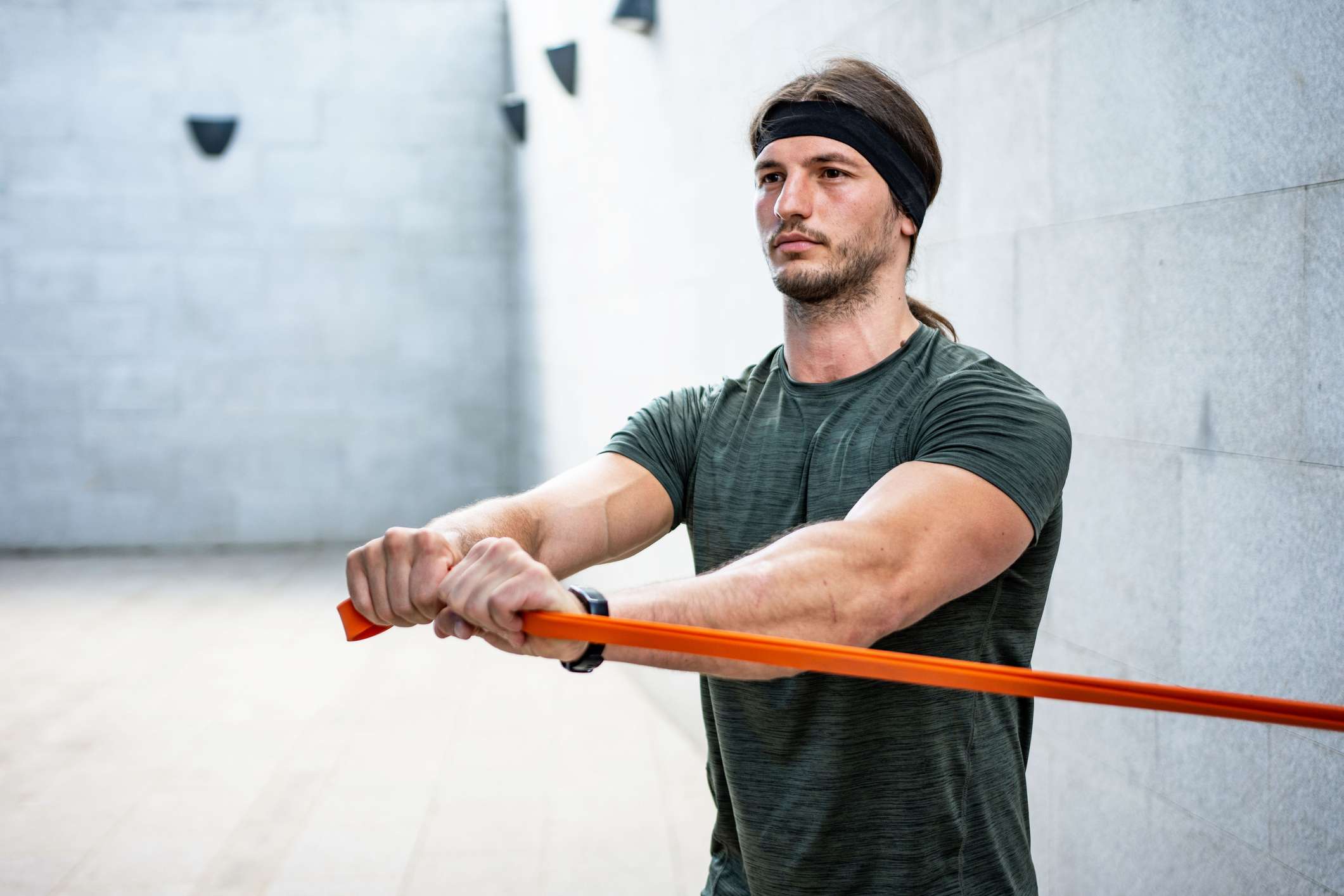
Rather than using a rotational movement, the Pallof press resists rotational movement. As you press the resistance band or cable band away from your body, your core muscles are working to prevent your trunk from twisting. This exercise builds anti-rotation strength, or your body's ability to remain stable when outside forces are trying to push or pull you out of alignment. 

Anti-rotational strength is important during everyday movements like picking up a child, carrying groceries, pushing a stroller, or changing directions while you’re running or walking.

What Exactly Is a Pallof Press?

The Pallof press—named after physical therapist John Pallof—is a resisted core exercise performed in a standing or kneeling position with a resistance band or cable machine held at chest height. 

To perform the exercise:

  1. Start standing or kneeling sideways to the anchor point with your feet (or knees, if kneeling) hip-width apart. 
  2. Hold the handle of the cable machine or the resistance band at your chest with both hands, just about at the level of your sternum or breast bone. 
  3. Engage your core muscles and press your hands straight out in front of you as you exhale. 
  4. Pause, holding your arms extended as your body resists being pulled towards the anchor. 
  5. As you inhale, slowly bring your arms back to the starting position.

If you’re new to core and anti-rotation training, start with 2-3 sets of 8-12 controlled repetitions on each side using a light resistance band. Be sure to focus on your posture, breathing, and form. 

If you notice any pain or discomfort, consider working with a licensed physical therapist who can help you find the right mechanics and progression.

How Is the Pallof Press Different?

The Pallof press trains your core differently because it stabilizes the deepest core muscles, as they all work together to perform the exercise.

The Pallof press challenges your:

  • Transverse abdominis muscle, or the deep abdominal “corset” muscle
  • Internal and external oblique muscles, which are responsible for controlling rotation
  • Multifidus, or small spinal stabilizing muscle
  • Glutes, which help control the alignment of your hips and pelvis 
  • Scapular stabilizing muscles, which control and support posture and shoulder positioning

Since this exercise requires your trunk to remain still while your arms move, your nervous system also learns how to maintain optimal spinal alignment under load. 

That kind of stability can help improve your performance with other exercises in the gym as well as functional movements you perform in your everyday life. 

Is the Pallof Press Better for Your Spine?

For most people, the Pallof press can be a more spine-friendly option for improving core strength. However, this may depend on your goals, level of function, and injury history.

Russian twists involve a lot of repeated rotation and bending, especially if you perform them quickly or with improper form. This can create more harm than benefit, especially if you experience:

The Pallof press encourages you to keep a neutral spine, brace through your core muscles, and control outside rotational forces being put on your body.

However, this does not mean Russian twists are “bad.” They simply train your core muscles in a different way. The Pallof press emphasizes control and stability first. 

For many individuals, especially beginners, control and stability can help build a better foundation for other movements.

Who Should Add the Pallof Press to Their Workout?

The Pallof press can help support a variety of fitness goals. People who may benefit from adding the Pallof press to their routine include: 

  • Casual exercisers looking to build foundational core strength
  • Runners looking to improve trunk control
  • Heavy lifters looking for more stability when lifting heavy loads
  • New parents or grandparents who spend time carrying children
  • Older adults working on balance and fall prevention

Since the Pallof press is low-impact and easily adjustable to your level of function, it is simple enough for beginners but still challenging enough for advanced athletes when loaded correctly. 

How To Make the Pallof Press More Challenging

Once the standard version feels too easy, some progression options include:

  • Increase the resistance: A heavier band or cable can create a stronger, more challenging rotational pull.
  • Extend the pause: Hold the press for 5-10 seconds and increase the time under tension when the challenge feels appropriate. 
  • Change your base of support: Try to perform the exercise in tall kneeling, half-kneeling, split stance, or even single-leg stance. The less stable your base is, the harder your core has to work to resist rotation. 
  • Add movement: Additional variations include performing an overhead Pallof press, lateral walks with a Pallof hold, squat to Pallof press, and marching Pallof presses. These variations can challenge your core during real-world movement patterns. 

Should You Stop Performing Russian Twists?

Not necessarily.

Russian twists are still an effective exercise when performed correctly, especially for athletes who need rotational power. 

However, if your goal is better posture, improved lifting mechanics, more functional core strength, or fewer low back flare-ups, the Pallof press may deserve a permanent spot in your workout routine.




Source link

Leave a Reply

Subscribe to Our Newsletter

Get our latest articles delivered straight to your inbox. No spam, we promise.

Recent Reviews


Medically reviewed by Jonathan B. Jassey, DO

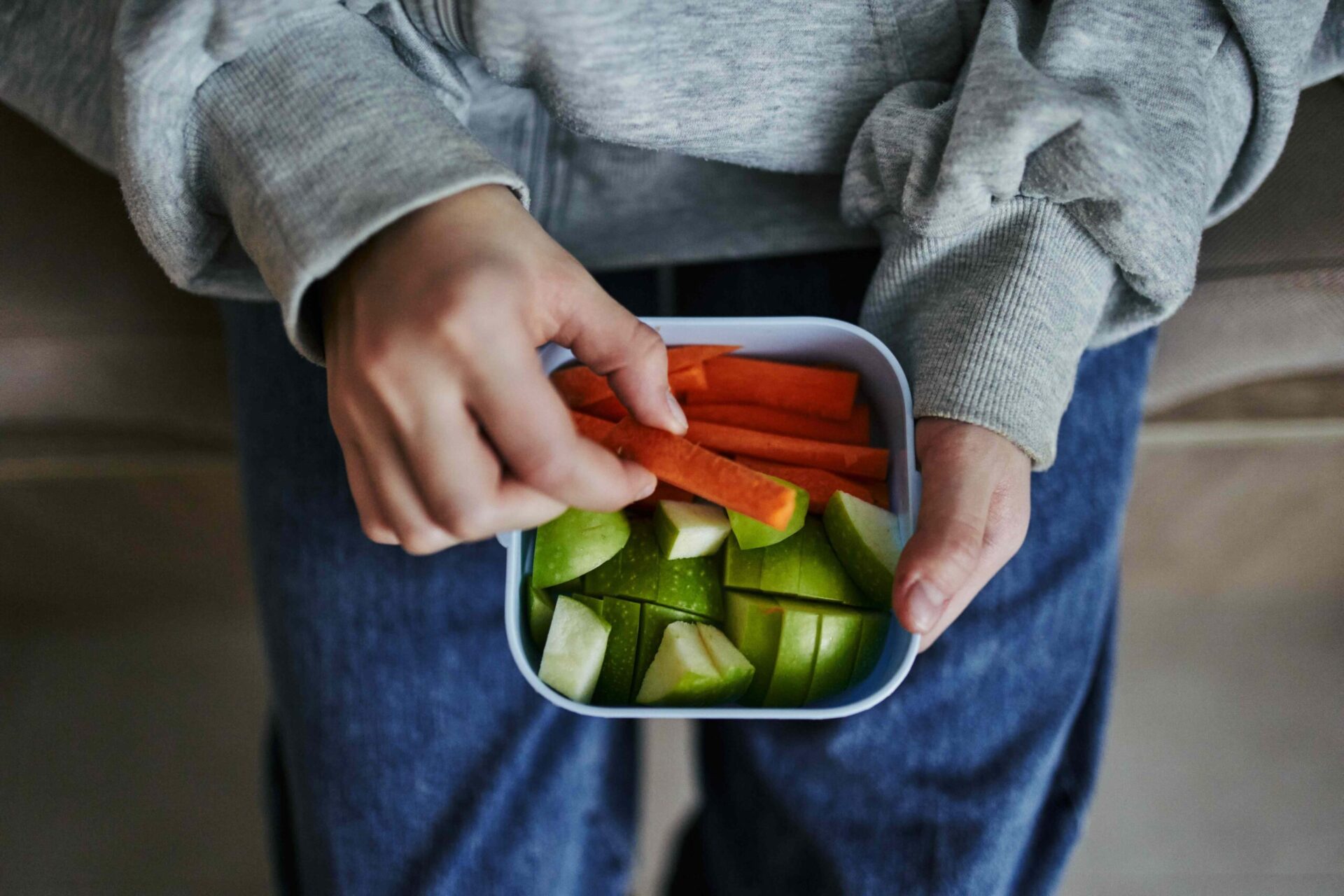
Fresh fruits and vegetables can provide nutrients, like fiber, that can help them feel full.Credit: Ekaterina Goncharova / Getty Images
Fresh fruits and vegetables can provide nutrients, like fiber, that can help them feel full.
Credit: Ekaterina Goncharova / Getty Images
  • Food ideas for children with Prader-Willi syndrome include high-protein meals, complex carbs, healthy fats, fruits, and vegetables.
  • Eating these types of food helps ensure your child gets enough nutrients and stays full, which can help curb their appetite and food intake.
  • It’s best to avoid feeding them lots of sugary or processed foods, as most of those foods have little to no nutritional value, are less filling, and can contribute to weight gain.

Food can be a complex topic for children with Prader-Willi syndrome (PWS). This is because PWS causes symptoms such as an uncontrollable preoccupation with food, relentless hunger, a persistent desire to eat (often leading to overeating), and weight gain—typically starting from around 4 years of age.

When choosing what to feed your child, experts recommend focusing on low-calorie, whole, filling, nutrient-dense foods to manage the metabolic and food-related behavioral issues associated with PWS.

1. Complex Carbohydrates

Children with PWS have the same nutritional needs as their peers. However, their bodies use energy at a lower rate due to reduced muscle mass and impairments in the brain and hormonal systems. This means kids with PWS may not burn calories fast, which contributes to their tendency to gain weight. Because of this, complex carbohydrates rather than simple or refined carbohydrates are recommended.

Whole complex carbs support slow, sustained release of energy. They do not spike blood glucose levels, are packed with essential nutrients, are filling, and are great food options for weight management.

Examples of whole, complex carbs that children with Prader-Willi syndrome can eat include:

  • Beans
  • Potatoes 
  • Corn
  • Peas
  • Lentils
  • Whole grains, including brown rice, quinoa, oats, and whole wheat
  • Home-made pastries, bread, cereals, and tortillas made with whole wheat and no or very minimal added sugar

2. Proteins

Research has widely indicated that high-protein meals can help curb appetite and regulate food intake. Proteins are also filling and can help you stay full longer. They also promote the building and maintenance of muscle mass.

A high-protein diet may also increase energy expenditure, as the body uses more energy to digest and absorb protein than other food classes. This is called diet-induced thermogenesis.

Early research suggests that eating high-protein meals shifts the metabolism of muscle cells toward fat rather than carbohydrates as an energy source in children and young adults with PWS. This may promote body fat reduction and weight loss. 

High-protein foods you can feed your child include:

  • Lean meats like chicken and turkey
  • Eggs
  • Milk
  • Tofu 
  • Hummus
  • Cheese
  • Bean soup
  • Oysters and shrimp
  • Low-mercury fish such as tilapia, sardines, and salmon

3. Fiber

Most complex carbs are also excellent sources of fiber. Recent research suggests that fiber may improve the lives of people with Prader-Willi syndrome by boosting gut health. 

Fiber supports a healthy gut microbiome, promotes the immune system, and helps lower the risk of gastrointestinal issues like constipation. Foods that are high in fiber are satisfying and can help your child stay fuller. 

High-fiber foods you can feed a child with Prader-Willi syndrome include:

  • Vegetables
  • Nuts (if the child is at least 5 years old)
  • Legumes, including peas, chickpeas, soybeans, and fava beans
  • Whole fruits like avocados, citrus, pears, berries, kiwis, and bananas

To maximize fiber intake, it’s best to serve fruits to your children whole, with the skin on. If your kid prefers drinks, you can make them a smoothie instead of juice, since most of the fiber in juice is lost during juicing.   

Also, while children need fiber in their diet, they don’t need excessive amounts. Excess fiber can cause abdominal discomfort and gas. Children need the following amount of fiber a day based on age:

  • 1-3 years: 19 grams (g)
  • 4-8 years: 25 g
  • 9-18 years: 26 g

4. Healthy Fats

A high-fat diet—particularly when paired with low consumption of refined carbs—may benefit children with PWS by promoting fullness, reducing frequent snacking, and regulating weight and blood sugar levels. However, this is not always straightforward, and the effects of a high-fat meal may vary depending on factors like the type of fat.

A 2020 study investigated the effects of a ketogenic-like diet called the modified Atkins diet in a very small number of children for four months. The study showed that the modified Atkins diet—a less restrictive high-fat diet that allows 10–15 grams of carbs per day—may be a good low-carbohydrate option for weight management in children with PWS.

Parents and relatives of the children who participated in the study reported positive effects on extreme hunger, reaching fullness, and the children’s behavioral and cognitive function. However, this was a small study, and more research is needed to further assess the risks or adverse effects that may be associated with ketogenic-like diets like a modified Atkins diet. 

The recommended type of fat to feed your child is unsaturated fatty acids. This type of fat is considered healthy and is divided into two types: monounsaturated and polyunsaturated fatty acids. Examples of foods rich in these healthy fats that you can feed your child include:

  • Fatty fish
  • Nuts and seeds
  • Low-fat or fat-free dairy products, such as low-fat Greek yogurt
  • Nontropical plant oils like olive, nut, soybean, and nut oils

5. Water and Drinks Without Artificial Sweeteners

People with Prader-Willi syndrome tend not to like plain water. However, water is important for hydration. Consider introducing a habit of drinking plain water early, sticking to it, and avoiding substituting it with beverages that have added sugars. You can also have them get more water with nutritious and healthy fluids, like:

  • Fresh, homemade smoothie
  • Coconut water
  • Herbal teas
  • Low-fat milk
  • Soups and broths
  • Water infused with fresh natural fruits like lemon
  • Fruits with a high amount of water, including citrus, watermelon, and cucumber

Speak with your child’s pediatrician about the safety of giving your child herbal teas and to get recommendations on which ones to try.

Other Dietary Considerations

Many people may place their children with PWS on strict calorie-restrictive diets. Instead of strictly counting and measuring calories (which can be tedious and time-consuming), it is best to focus on ensuring your child is eating mostly nutrient-dense, whole, well-balanced meals. 

Also consider the following suggestions:

  • Limit processed foods: Avoid or limit feeding them processed foods or foods with artificial sugar additives. This includes foods like pastries, carbonated drinks, and processed meat. Reducing sweeteners in a diet may reduce the urge to eat, especially if that type of diet starts in childhood.
  • Follow a Mediterranean-style diet: Evidence suggests that an eating plan similar to the Mediterranean diet may benefit young people with PWS. This diet involves eating mostly complex carbs, legumes, fruits, vegetables, fish, nuts, and animal-based proteins.
  • Consider a low-carb diet: If you want to try low-carb diets like the ketogenic diet (a high-fat, moderate-protein, and very low-carbohydrate eating plan), speak with your child’s provider first to determine if it’s ideal for your child. They may need to monitor your child for any possible adverse effects.
  • Offer a variety: Feeding your kids a variety of nutritious meals helps ensure they enjoy mealtimes. 
  • See a dietitian: Consult a registered dietitian for recommendations on various aspects of your child's diet, including a personalized meal plan, meal scheduling, and portion size recommendations.


Source link