Medically reviewed by Gagandeep Brar, MD
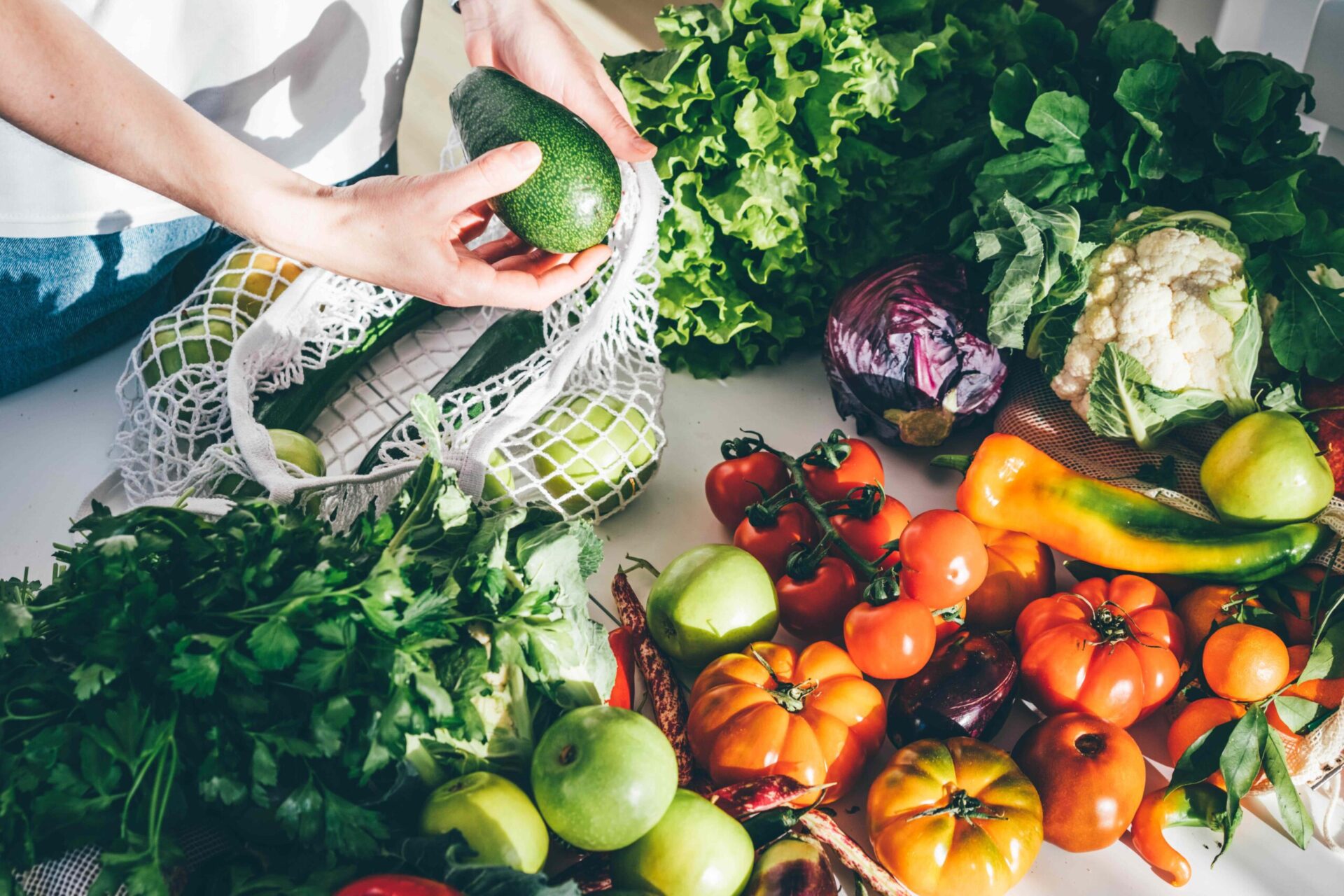
:max_bytes(150000):strip_icc():format(jpeg)/Health-GettyImages-1365546460-973eb05f76a94db1998d775fbc332370.jpg "A person takes out a piece of fresh produce from their mesh bag to place it with an assortment of other fruits and vegetables")
Credit: Maria Korneeva / Getty Images
- There’s no scientifically proven diet for indolent systemic mastocytosis (ISM), but keeping a food-and-symptom diary can help you find your personal triggers.
- Fresh, unprocessed foods are often better tolerated, while fermented, aged, and highly processed foods may trigger symptoms.
- Low‑histamine diets may be helpful for some people with ISM, but evidence is limited, and food lists vary widely.
With indolent systemic mastocytosis (ISM), an excess of abnormal mast cells (a type of white blood cell) builds up in the body. Certain foods can trigger these cells to release substances, causing symptoms like hives, flushing, and digestive issues. Everyone’s triggers are different, but knowing which foods can help avoid or cause issues may help you better manage your symptoms.
Foods That Tend To Be Well-Tolerated
Histamine is a chemical released by mast cells that can cause many of the symptoms of ISM, and it’s also found naturally in certain foods. Histamine levels in food can rise as foods age, ferment, or sit in storage for long periods. Because of this, choosing fresh foods may help keep the overall histamine load lower.
Options for fresh, unprocessed foods include:
Fresh proteins
- Fresh chicken and turkey
- Fresh fish (frozen-at-sea options may work when fresh isn’t available)
- Eggs
Fresh fruits
- Apples
- Blueberries
- Pears
- Cherries
- Watermelon
Fresh vegetables
- Carrots
- Broccoli
- Zucchini
- Cucumbers
- Lettuce
Grains and starches
- Rice
- Quinoa
- Oats
Drinks That Tend To Be Well-Tolerated
Some drinks may be less likely to trigger ISM symptoms. Laboratory research showed that compounds found in green tea may help reduce histamine release from mast cells, though this has not yet been studied in people with ISM.
Besides green tea, drinks that may help with ISM include:
- Water
- Milk
- Fresh smoothies made with tolerated fruits
Could a Low-Histamine Diet Help?
Experts don’t fully agree on how helpful a low-histamine diet—which limits histamine-provoking foods—is for systemic mastocytosis. Still, the diet is one of the first things many people with ISM may try to help lower histamine exposure and reduce symptoms.
One survey of 382 people with mast cell disorders, a group of conditions that include ISM, found that about half of those who tried a low-histamine diet felt their symptoms improved. Others noticed little change or weren’t sure if the diet helped.
What Is Considered Low-Histamine?
There’s no clear standard for what counts as a low-histamine food. Depending on the guidelines, the cutoff ranges anywhere from less than 1 milligram to 50 milligrams per kilogram of food. This is a wide range, which may help explain why low-histamine food lists can vary so much.
Histamine levels in foods may also change depending on how fresh the food is and how it’s prepared. Boiling and steaming may be better tolerated than grilling or frying, which may increase histamine levels in some foods.
Foods That May Trigger Symptoms
Triggers vary person to person. Here's a list of the items frequently reported as problematic in people with mast cell disorders because they tend to be higher in histamine or may trigger histamine release.
Fermented, Aged, Cured Foods
Foods that are aged, cured, or fermented tend to be highest in histamine. Common examples include:
- Aged cheeses, such as cheddar and parmesan
- Cured and processed meats, like salami and pepperoni
- Fermented foods, such as sauerkraut, kimchi, and soy sauce
- Canned and smoked fish
Alcohol
Wine and beer may not contain as much histamine, but alcohol itself can make it harder for the body to break down histamine. This may lead to a buildup of histamine and worsen symptoms in some people.
Histamine-Releasing Foods
These foods are not necessarily high in histamine but may still trigger histamine release in some people. Examples include:
- Citrus fruits
- Tomatoes
- Strawberries
- Spinach
- Chocolate
- Shellfish
Spicy Foods
Spicy foods are common triggers for many people with ISM. Examples include hot peppers and spicy sauces.
Processed Foods
Processed foods may cause problems because they often contain preservatives and additives that can trigger mast cells. These can include foods with artificial colors or dyes, as well as packaged foods with preservatives like sulfites, which are commonly found in dried fruits and processed snacks
Foods With Lectins
Lectins are compounds found naturally in beans, grains, and some vegetables. Some research suggests lectins may activate mast cells in certain people, but there’s not enough evidence yet to know whether avoiding them helps with ISM symptoms.
Next Steps
There’s very little scientific evidence to guide diet changes in indolent systemic mastocytosis, and much of the available information comes from patient experience rather than large studies. That means the foods to eat (and avoid) depend on learning what your body reacts to.
To track which foods trigger your symptoms, keep a food-and-symptom journal. Write down what you ate and if you developed any symptoms. Patterns usually become clearer as you track these. Limit only the foods that clearly cause problems for you rather than unnecessarily cutting out entire food groups.
If you want to try an elimination diet or low-histamine diet, it’s best to do it with support from a registered dietitian familiar with mast cell conditions. They can help you safely identify trigger foods while making sure you still get balanced nutrition.
Keep your care team in the loop as you make changes, and talk to them first if you’re curious about supplements.