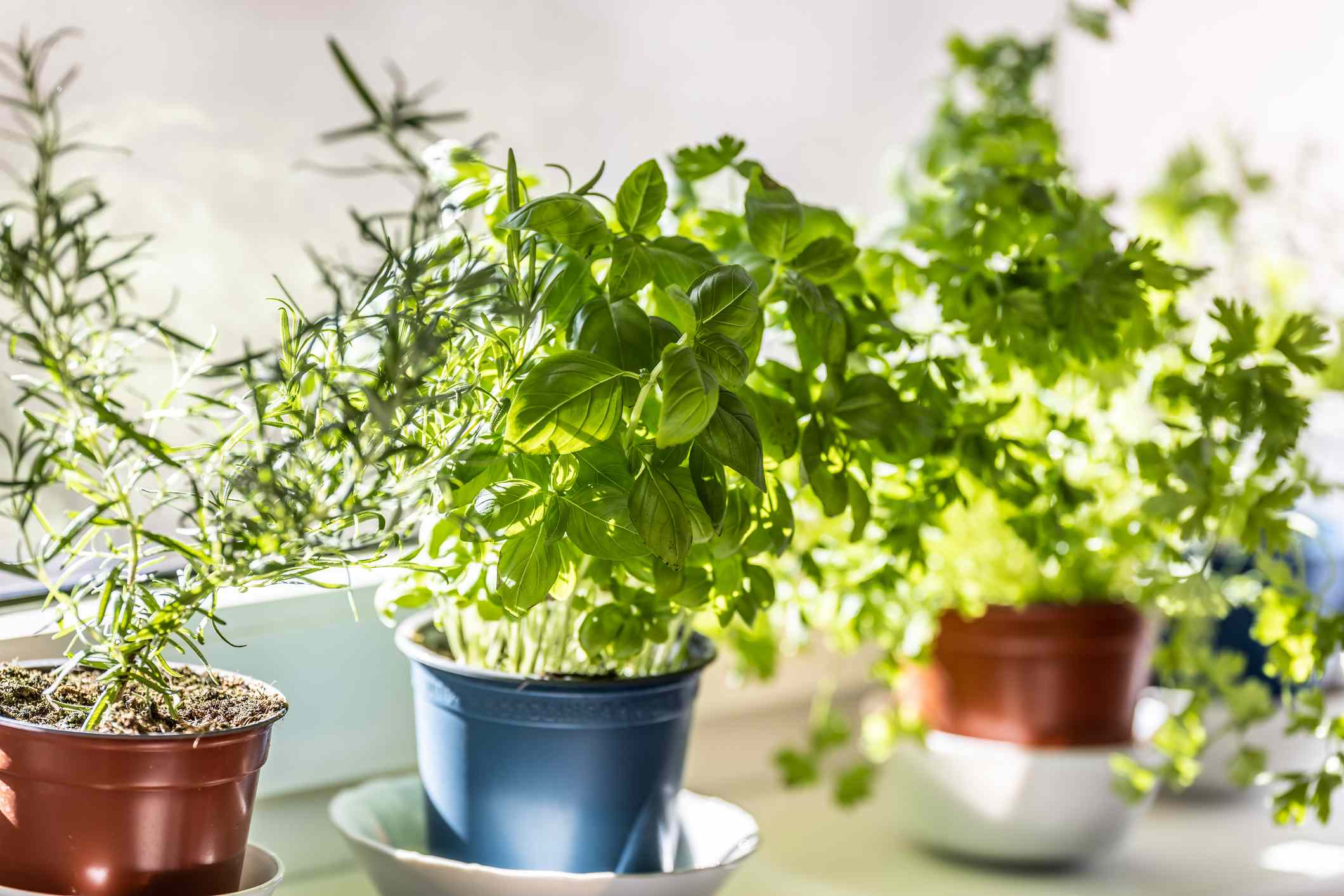
Many common herbs are a good source of magnesium and can help you reach your daily mineral needs.Credit: SimpleImages / Getty Images
Many common herbs are a good source of magnesium and can help you reach your daily mineral needs.
Credit: SimpleImages / Getty Images
  • Drying concentrates magnesium and other nutrients, making many dried herbs richer sources than their fresh counterparts.

  • Herbs alone won’t meet your magnesium needs, but they can contribute to your daily intake.

  • Adding herbs to meals throughout the day is an easy way to boost flavor, antioxidants, and magnesium.

Magnesium is essential for your nerve and muscle function, immune health, sleep, and more. It’s important to eat magnesium-rich foods, like nuts and leafy greens, but adding certain herbs to your meals can also help increase your magnesium intake. Here are the herbs with the most magnesium.

1. Dried Coriander Leaf

Credit: Nikolay_Donetsk / Getty Images

Magnesium content: 4.16 milligrams (mg) per 1 tablespoon (tbsp)

Dried coriander leaf, also called cilantro, is one of the herbs highest in magnesium. This is partly because drying removes most of the water, making the nutrients more concentrated.

It also provides vitamins C and K, potassium, and plant compounds that help protect cells from damage.

Dried coriander leaf has a citrusy flavor and works well in soups, curries, rice dishes, and salsa.

2. Freeze-Dried Chives

Credit: Michelle Lee Photography / Getty Images

Magnesium content: 1.28 mg per 1 tbsp

In addition to magnesium, chives provide vitamins A, C, and K, plus potassium and iron. They also contain sulfur compounds that have anti-inflammatory and antimicrobial properties.

Chives add a mild onion-like flavor to eggs, potatoes, soups, dips, and salads. Freeze-dried chives are more concentrated than fresh chives, so they contain more nutrients in a smaller amount.

3. Ground Sage

Credit: Ivannag82 / Getty Images

Magnesium content: 8.56 mg per 1 tbsp

Ground sage is another magnesium-rich herb. It also provides vitamin K and small amounts of calcium, iron, and potassium. Like other herbs, sage contains antioxidant compounds that help protect cells from damage.

Sage has an earthy, savory flavor that pairs well with poultry, roasted vegetables, beans, soups, and stuffing.

4. Fresh Basil

Credit: Feifei Cui-Paoluzzo / Getty Images

Magnesium content: 3.84 mg per 1/4 cup

Fresh basil is a popular herb used in pesto, pasta dishes, salads, sandwiches, and tomato-based recipes.

Along with magnesium, basil provides vitamins A and K, as well as antioxidant compounds such as rosmarinic acid. Research suggests rosmarinic acid may have antiviral and anti-inflammatory properties and could offer benefits for ulcers and arthritis.

5. Fresh Spearmint

Credit: Julia_Sudnitskaya / Getty Images

Magnesium content: 7.18 mg per 2 tbsp

Spearmint is known for its refreshing flavor and aroma. Like basil, spearmint provides rosmarinic acid and other antioxidant compounds. It has also been studied for its potential to ease nausea and digestive discomfort.

Try adding spearmint to tea, smoothies, yogurt, fruit salads, and grain dishes for a magnesium boost.

6. Fresh Dill Weed

Credit: gbh007 / Getty Images

Magnesium content: 4.9 mg per 1 cup

Dill weed has a fresh, slightly sweet flavor and offers magnesium along with vitamins A and C.

It pairs well with fish, potatoes, vegetables, soups, and yogurt-based sauces. For the best flavor, add dill near the end of cooking or use it fresh as a garnish.

7. Dried Chervil

Credit: Michelle Lee Photography / Getty Images

Magnesium content: 2.47 milligrams per 1 tbsp

Chervil is a delicate herb often used in French cooking. It has a mild flavor similar to parsley, with a hint of licorice.

In addition to magnesium, chervil provides vitamin C and antioxidant compounds. Try it in egg dishes, seafood, vegetables, soups, and sauces.




Source link

Leave a Reply

Subscribe to Our Newsletter

Get our latest articles delivered straight to your inbox. No spam, we promise.

Recent Reviews


Medically reviewed by Robert Burakoff, MD

Drinking herbal tea and winding down with a relaxing activity can help soothe your gut at night.Credit: Drazen Zigic / Getty Images
Drinking herbal tea and winding down with a relaxing activity can help soothe your gut at night.
Credit: Drazen Zigic / Getty Images
  • Small habits in the evening can influence your gut health.
  • Eating a Mediterranean-style dinner, drinking a cup of herbal tea, and taking an after-dinner walk are simple ways to support your gut health in the evening.
  • Stress management, a regular bedtime routine, and getting seven to nine hours of sleep each night help anchor your circadian rhythm, which may keep your gut bacteria balanced.

Gut health is something you can work at improving at all hours of the day. Here are seven simple habits you can do in the evening hours to support gut health.

1. Have a Mediterranean Dinner

Following the basics of the Mediterranean diet at dinner could support your gut health in the evening and beyond. This includes:

  • Fresh fruits and vegetables
  • Legumes
  • Whole grains
  • Poultry
  • Fish
  • Healthy fats, like olive oil

The foods you eat determine the makeup of your gut microbiome, or the system of microorganisms that live in your gastrointestinal tract. Whole foods and minimally processed foods contain nutrients, such as fiber, vitamins, and minerals, that support a balanced gut.

The Mediterranean diet is known for its health benefits, including reduced inflammation and improved overall health. Research also shows that the diet has a positive impact on the gut. People who followed a Mediterranean diet were found to have more microorganisms in their gut compared to people who ate a diet higher in sugar, fat, and salt.

2. Finish Eating 2-3 Hours Before Bed

Eating too close to bedtime could disrupt your sleep and impact gut health. A meal that isn't fully digested can cause unpleasant digestive symptoms, especially if you're prone to indigestion. While there are no rules about when to stop eating before bed, finishing your last full meal two to three hours before bedtime can give your body enough time to digest.

New, early research suggests that eating late at night may negatively affect the gut. The researchers found connections between stress, late-night eating, and bowel issues. Those who had both high stress and late-night eating patterns were 2.5 times more likely to also report bowel problems and have lower gut microbiome diversity.

If you need a snack after dinner, opt for foods that have protein, fiber, or healthy fats, including:

  • Fruits, like berries or kiwi
  • Low-fat yogurt
  • Nuts
  • While grains
  • Fermented foods like kimchi, kefir, or kombucha

3. Take a Walk After Dinner

An evening stroll can have benefits beyond getting in your daily steps. It could also help your body move food through the digestive system.

You don't have to walk for that long, either. In one four-week study, researchers found that a 10-15-minute walk after a meal was more effective than a prokinetic medication for easing bloating and discomfort in adults who regularly experience bloating.

If you can't walk around the neighborhood, even standing up and moving your body around the room could help.

4. Have a Cup of Herbal Tea

Sipping a caffeine-free herbal tea in the evening can be a relaxing ritual. Certain teas, including ginger and peppermint tea, can also help with digestion and ease unpleasant symptoms such as gas and bloating.

Ginger is known for easing stomach discomfort. Drinking ginger tea can help with gas and bloating because ginger reduces constipation and the breakdown of undigested nutrients in the gut. You can buy dried ginger tea in a bag or make it from fresh ginger. It's generally considered safe to drink in moderate amounts daily.

Peppermint can help with cramping and bloating. The tea is made from peppermint leaves and is generally considered safe. One thing to note is that peppermint can also trigger indigestion, so if you're prone to heartburn, it might not be a good choice.

5. Pick a Wind-Down Practice

The brain and gut are connected. Stress affects gut health, and higher stress levels are linked to stomach issues such as nausea, constipation, and diarrhea. When your stress hormones are high, it can lead to increased gut inflammation and potentially an imbalance in gut bacteria.

Choosing a relaxing activity to practice in the evenings could help lower your stress, which can also benefit your gut. Try a mind-body or mental health practice, such as:

  • Meditation
  • Breathing exercises
  • Yoga
  • Journaling
  • Gratitude affirmations

Some evidence suggests that slow, deep breathing has positive impacts on the gut, such as improving symptoms in people with irritable bowel syndrome (IBS).

6. Keep Bedtime Consistent

Having a regular bedtime routine can help you get more consistent sleep, which may also positively affect your gut. Research suggests that changes to your sleep cycle can affect your gut microbiome. Keeping a regular sleep and wake time anchors the circadian rhythm. Even a few days of irregular sleep could impact your gut.

While researchers are still learning about the complex connection between the gut and sleep, it appears as though sleep disturbances can change the gut's makeup and function. Setting a regular bedtime and wake time and sticking to it as closely as possible could benefit your gut health.

7. Get Enough Sleep

Something as simple as regularly getting enough sleep could have a big impact on your gut health. Experts recommend that adults get between seven and nine hours of sleep each night. Sleeping less than seven hours could put you at risk for health issues.

Shorter sleep time can affect the gut microbiome, potentially causing an imbalance that could lead to inflammation and metabolic problems.

The relationship between sleep and your gut seems to work both ways. Just as poor sleep can negatively affect gut health, an unbalanced gut may contribute to sleep troubles. If you're not consistently getting the recommended amount of sleep and aren't able to improve your sleep with at-home habits, it might be worth asking a healthcare provider for help.


Source link