Fact checked by Nick Blackmer
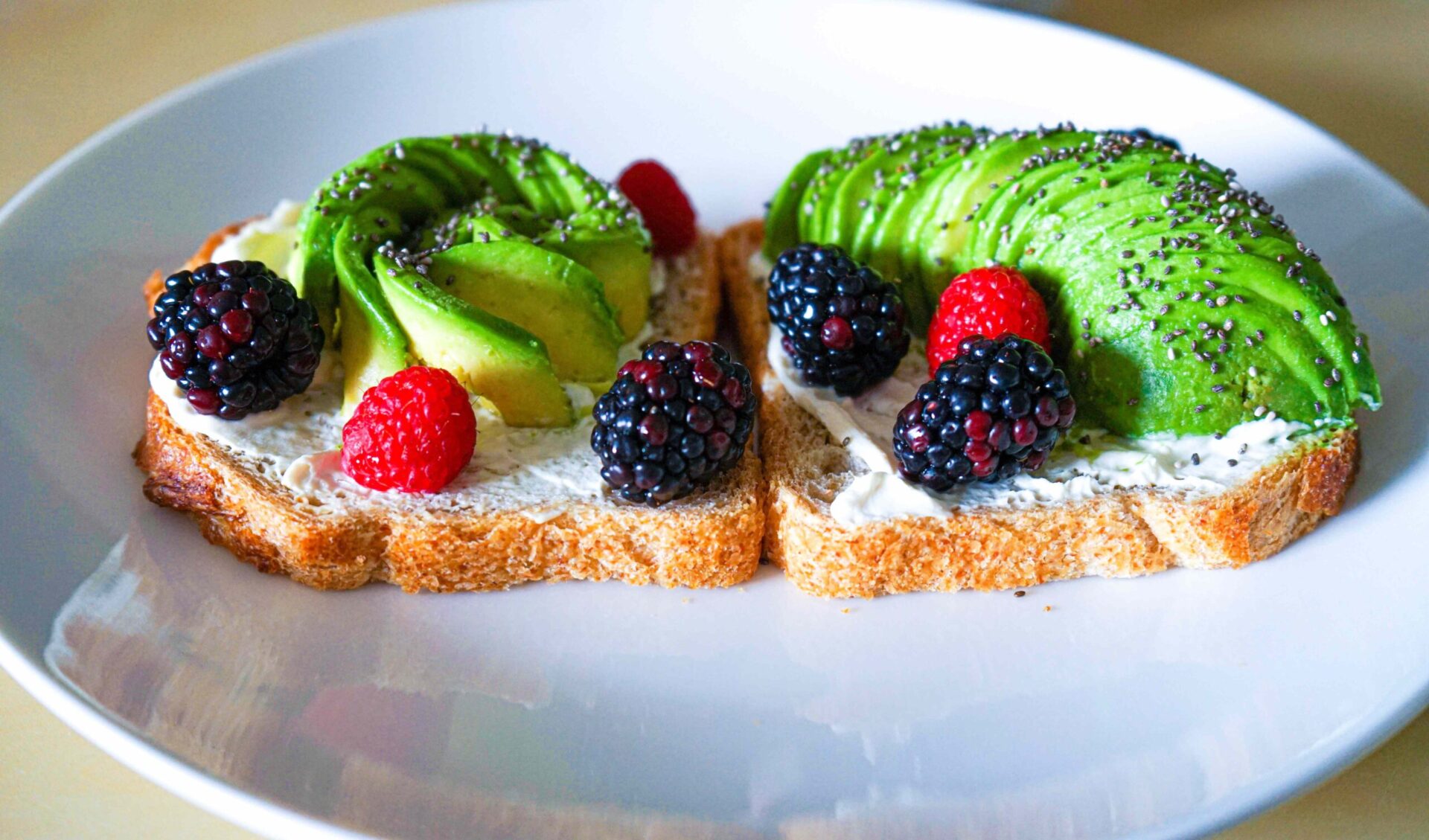
:max_bytes(150000):strip_icc():format(jpeg)/Health-GettyImages-1267597687-2eb653c4d62147c9a89d7a1457b7d5a8.jpg "Two slices of bread topped with cream cheese, sliced avocado, blackberries, raspberries and sprinkled with chia seeds.")
Credit: blissfullife / Getty Images
- Lentils are high in fiber and protein, which helps slow digestion and curb hunger.
- Eating raspberries and blackberries supplies antioxidants, which may help prevent certain diseases.
- Edamame offers magnesium and potassium, which help control blood pressure.
High-fiber foods improve digestion and help you feel fuller, which supports weight loss. These foods also contribute to better overall health.
1. Lentils

Fiber: 15.6 grams per cup, 55.7% of the 28-gram Daily Value (DV).
Why It Helps: Lentils are high in protein, with 17.9 grams per cup, in addition to fiber. Protein and fiber slow digestion and encourage the release of hormones that make you feel full. A 2023 study found that adults in the United States who ate legumes gained much less weight over 10 years compared to those who did not.
How To Use It: Lentils can be used in salads, soups, and grain dishes, and roasted and enjoyed as a high-fiber snack.
2. Avocado

Fiber: 13.5 grams per (201-gram) avocado, 48% of your daily fiber needs.
Why It Helps: Eating fiber-rich foods like avocados may help you avoid weight gain over time and also prevent risk factors for heart disease, such as high low-density lipoprotein (LDL) cholesterol. Avocados are low in carbohydrates and high in healthy fats, making them suitable for low-carb diets.
How To Use It: Slice avocado and add it to salads, or use mashed avocado as a high-fiber mayo or butter replacement on sandwiches and toast.
3. Flaxseeds

Fiber: 5.62 grams per tablespoon of whole flaxseeds, 20% of the DV.
Why It Helps: Flaxseeds are also high in several vitamins and minerals, including copper, magnesium, and selenium. Plus, people who supplement with 30 grams of ground flaxseed have been found to see more decreases in waist circumference and waist-to-hip ratio compared to a control group.
How To Use It: Add whole or ground flaxseeds to oatmeal, chia pudding, and smoothie bowls for a high-fiber boost.
4. Raspberries

Fiber: 8 grams of fiber per cup, 29% of the DV.
Why It Helps: Besides fiber and vitamins, raspberries are packed with powerful antioxidants that protect your cells from damage, which decreases the risk of diseases. Studies show antioxidant-rich foods may lower risks associated with oxidative stress, including heart disease and certain cancers.
How To Use It: Try frozen raspberries in smoothies and protein shakes, and use fresh raspberries as a high-fiber topping for oatmeal and cereal.
5. Brussels Sprouts

Fiber: 4 grams per cup, 14.3% of the DV.
Why It Helps: A 2018 review found that people who ate more vegetables had a lower risk of gaining weight and developing obesity compared to those with low vegetable intake. Brussels sprouts are also high in vitamins and minerals, like vitamin C, vitamin K, and folate, as well as protective plant compounds like carotenoids.
How To Use It: Brussels sprouts are usually enjoyed cooked, but they can also be eaten raw, such as thinly shaved in a salad.
6. Chia Seeds

Fiber: 9.75 grams per ounce, 34.8% of your DV.
Why It Helps: Eating chia seeds could help decrease body fat, especially belly fat. A 2024 review found that chia seed supplementation was associated with a significant decrease in waist circumference. Chia seeds are also high in minerals like calcium, selenium, iron, manganese, and magnesium.
How To Use It: Chia seeds can be added to several recipes, like yogurt parfaits, chia pudding, and even baked goods.
7. Blackberries

Fiber: 7.63 grams per cup, 27.3% of the DV.
Why It Helps: Blackberries are a good source of essential vitamins and minerals, like folate, vitamin C, vitamin K, and manganese. They are also high in protective phenolic compounds with powerful antioxidant properties.
How To Use It: Blackberries are delicious in fruit salads and can be used as a high-fiber topping for oatmeal.
8. Black Beans

Fiber: 15 grams per cup, over half of your DV.
Why It Helps: The same serving contains 15.2 grams of protein, making black beans a filling choice. The fiber found in black beans encourages healthy bowel movements and can protect against digestive conditions like colon cancer and diverticulitis.
How To Use It: Add black beans to soups, salads, and tacos, or use mashed black beans to increase the fiber and protein content of baked goods, like brownies.
9. Oat Groats

Fiber: 5 grams per one-quarter cup, 18% of your DV.
Why It Helps: Oat groats, also known as whole oats, are the least processed form of oats. Oat groats contain 5 grams of fiber per quarter-cup serving, which is more than double the amount found in the same serving of rolled oats. They are also higher in protein than rolled oats, which makes oat groats a better choice for weight loss.
How To Use It: Oat groats have a chewier texture than rolled oats and can be used in a number of dishes, like porridge, grain bowls, and salads.
10. Edamame

Fiber: 8 grams per cup, 28.6% of the DV
Why It Helps: The same serving of edamame also provides 18.5 grams of protein. Choosing foods high in filling nutrients, like protein and fiber, could help you reach and maintain a healthy body weight. Edamame is also a rich source of vitamins and minerals, like magnesium and potassium, which are needed for blood pressure regulation, and could help lower your risk of heart disease.
How To Use It: Edamame can be enjoyed as a simple snack or added to dishes like salads, grain bowls, and soups.