Medically reviewed by Kelly Wood, MD
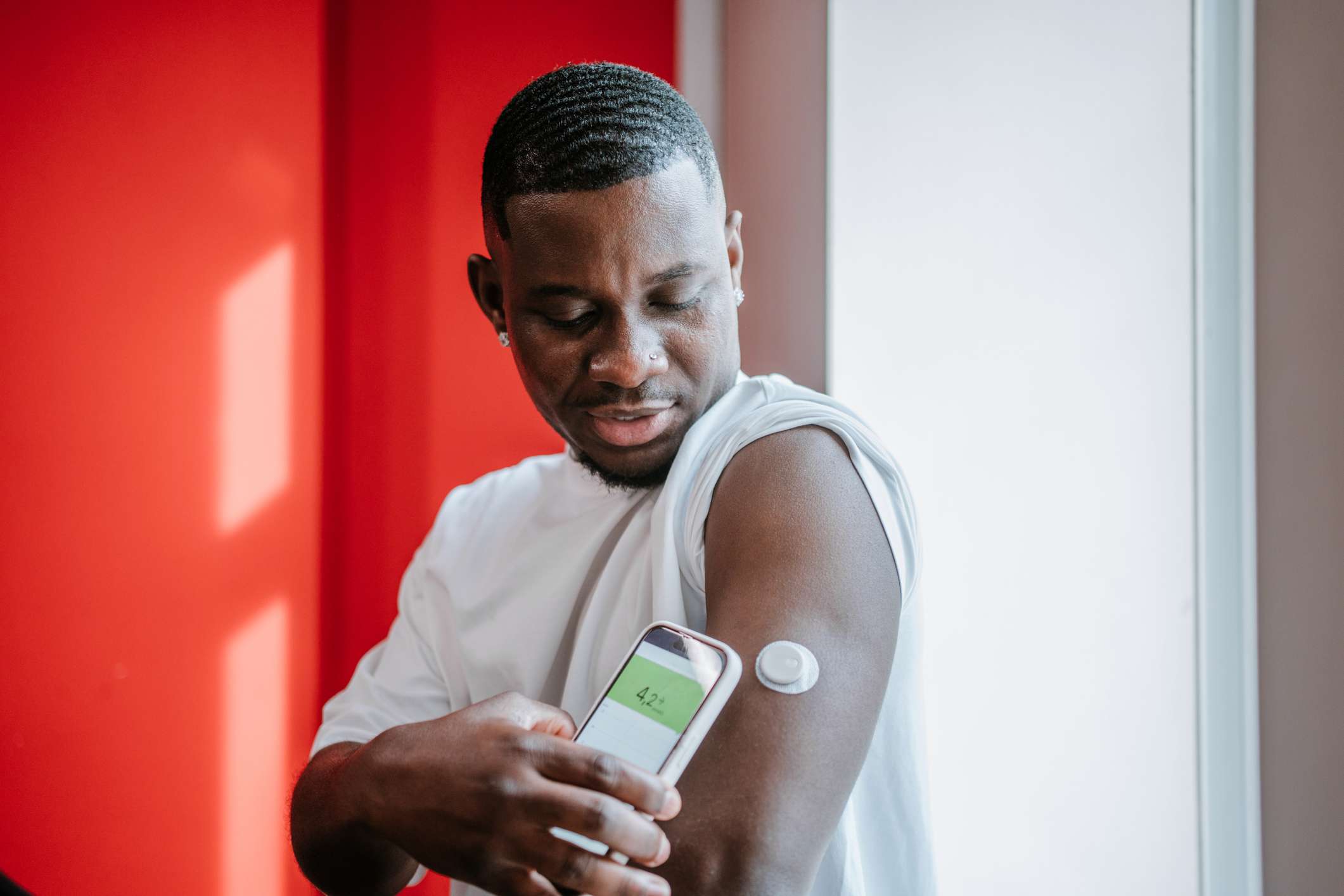
:max_bytes(150000):strip_icc():format(jpeg)/Health-GettyImages-SignsBloodSugarIsOutOfBalance-2a3b99df7a0a47c6a0ea1e6da44a27f0.jpg "Serious African American man using continuous monitor on upper arm")
- If you feel hungry after eating or have very intense food cravings, it may be a sign that your blood sugar is high.
- Excessive or very little sweating may be a sign that your blood sugar is out of balance.
- Increased blood glucose levels can increase fluid buildup in the eyes, leading to blurry vision.
When your blood sugar is too high or too low, it can affect your normal bodily functions, leading to various symptoms. Each person can experience high or low blood sugar differently, so it's important to talk to your healthcare provider if you notice recurrent symptoms that feel unusual for your body.
1. You Feel Shaky or Jittery
If your blood sugar falls too low (often below 70 milligrams per deciliter (mg/dL)), you may start to feel shaky, jittery, or dizzy.
Low blood sugar (hypoglycemia) may trigger the release of fight-or-flight hormones, such as adrenaline (epinephrine), to help raise blood sugar levels. However, this release of adrenaline can make you feel anxious, shaky, or irritable.
2. You Start Sweating Profusely or Not at All
If your blood sugar is out of balance, it can affect how your sweat glands regulate your body temperature, leading to excessive or very little sweating.
If you notice you are sweating too much even when the room is cool, or you are barely sweating when the temperature is high, or you are having an intense workout, you should talk to your healthcare provider.
3. You Feel Extremely Hungry, Even After Eating
If you notice you feel hungry after eating or have very intense food cravings, it may be a sign that your blood sugar is high.
This happens because the body cannot burn glucose for energy, even though there’s enough glucose, due to low insulin or insulin resistance. As a result, the brain sends hunger signals to prompt the body to obtain more fuel.
4. You Are Frequently Thirsty or Urinating More Often
Increased thirst and frequent urination may indicate that your blood sugar level is higher than normal.
When your blood sugar is high (over 180 mg/dL), it can cause your kidneys to filter extra glucose into your urine, leading to dehydration.
Feeling thirsty will make you drink more water, which can lead to a greater need to pee.
5. Your Vision Is Blurred, and Your Mouth is Dry
High blood sugar can also affect your eyesight and make your mouth feel dry. Increased blood glucose can cause swelling and fluid buildup in the eyes, leading to blurry vision.
When your blood sugar is high, it can also affect how your salivary gland works, often leading to less saliva. When your mouth is dry, it may increase your risk for dental cavities and gum problems.
6. You Constantly Feel Tired and Fatigued
If you always feel wiped out and very low on energy, it may be a sign that your blood sugar is out of control.
In people with high blood sugar, the body struggles to use glucose for energy, so their cells have less energy to function, leading to fatigue.
7. You Are Losing Weight Even When You Aren’t Trying To
Losing the required weight generally improves overall weight. However, if you notice you are rapidly losing weight even without trying, due to a change in diet, medication, or lifestyle, it may be a sign that your blood sugar is off.
Unexplained weight loss may be a sign that your body is not getting enough energy from the carbs in your food, so it thinks it is starving. To compensate, your body rapidly breaks down fat and muscle, leading to weight loss.
When to Talk to a Healthcare Provider
If you notice one or two signs that your blood sugar is out of balance, you have to see a healthcare provider to know if you may have diabetes or other symptoms.
Recognizing symptoms of high or low blood sugar can lead to early diagnosis, treatment, and the prevention of complications of diabetes.



:max_bytes(150000):strip_icc():format(jpeg)/Health-GettyImages-TypesOfSaunas-f03979ce340d4bfba326fadf6086fd24.jpg "Serene woman relaxing in infrared sauna.")