Fact checked by Nick Blackmer
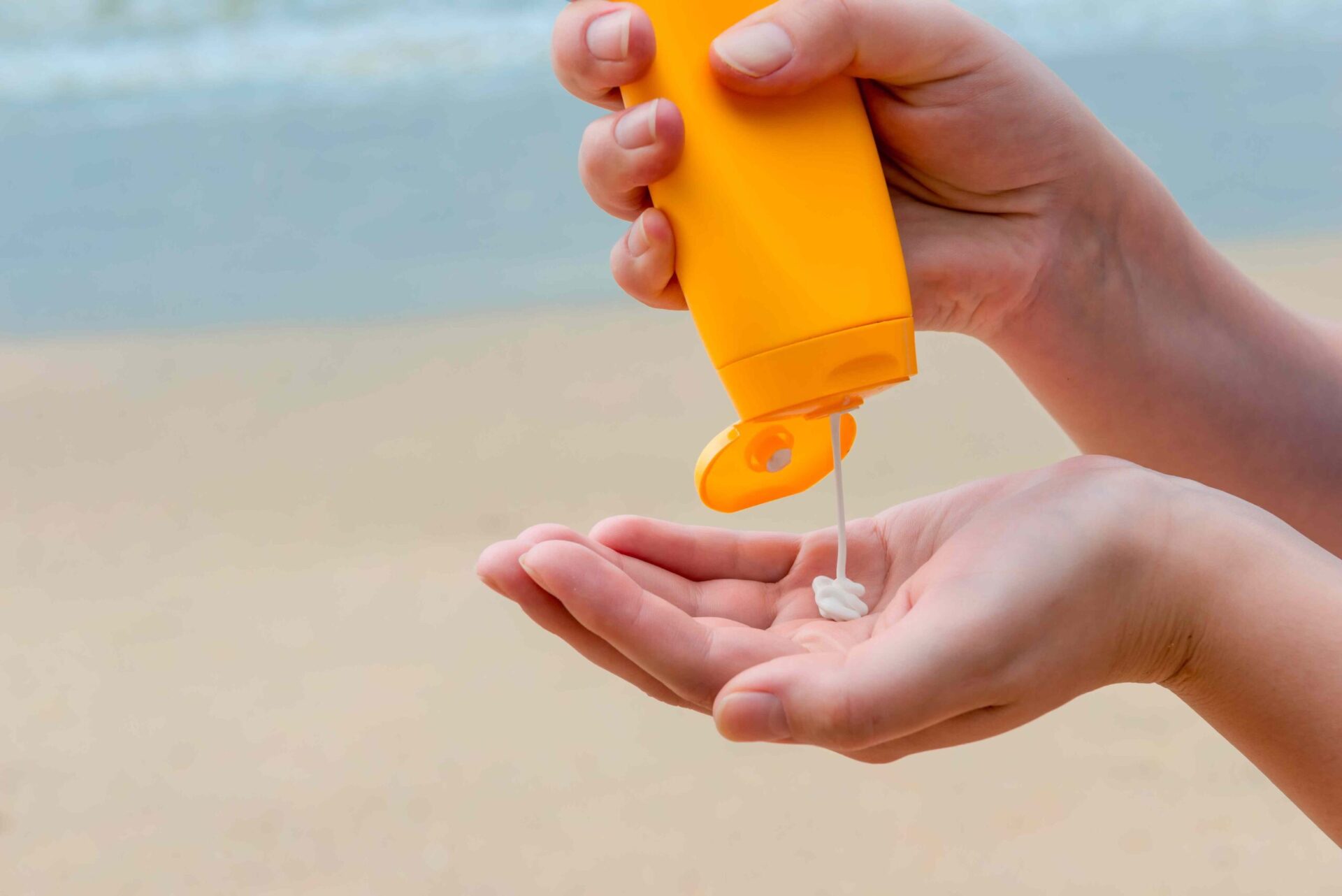
:max_bytes(150000):strip_icc():format(jpeg)/GettyImages-903105200-913d97e03d874377901fe796051207e4.jpg "close-up of women's hands with sunscreen")
Credit: kosmos111 / Getty Images
- The FDA recently approved the sunscreen filter bemotrizinol, which has been widely used in other countries for years.
- The decision marks the first FDA approval of a new UV filter in more than 25 years.
- Experts say bemotrizinol offers several advantages over existing U.S. sunscreen filters.
Earlier this week, the Food and Drug Administration approved a new sunscreen ingredient called bemotrizinol, marking the first time since 1999 that the agency has cleared a new UV filter—a compound added to sunscreen to protect against ultraviolet radiation.
Experts hailed the decision, saying it expands the range of available sunscreen options and could improve sun protection for Americans. Bemotrizinol has been widely used for years in Europe, Australia, and parts of Asia, including Korea and China.
“The addition of bemotrizinol to sunscreens in the United States is extremely exciting because it will give us better tools to protect the skin,” Joshua Zeichner, MD, a dermatologist and director of cosmetic and clinical research at Mount Sinai, told Health.
Here’s what to know about bemeotrizinol, and whether experts recommend eventually switching to products that contain it.
What Is Bemotrizinol?
Bemotrizinol is a chemical compound that absorbs ultraviolet radiation, helping protect the skin from sun damage.
The chemical is a broad-spectrum filter, meaning it offers protection against both types of harmful rays: UVB and UVA. UVB rays hit the skin’s surface and are the main cause of sunburn, while UVA rays penetrate more deeply and contribute to premature skin aging. Both types of radiation play a role in the development of skin cancer.
The ingredient’s manufacturer, DSM Nutritional Products, proposed bemotrizinol for use in the United States in 2024. In a press release announcing the approval, the FDA said it “considers bemotrizinol to be generally recognized as safe and effective (GRASE) for use in sunscreens by adults and children 6 months of age and older.”
How Does Bemotrizinol Compare to Other Sunscreen Filters?
Experts say bemotrizinol offers several benefits compared to current UV filters. One major advantage is that, compared to many other approved filters, it’s particularly effective at filtering UVA rays, according to the Environmental Working Group. The organization has found that most U.S. sunscreens don’t offer the level of UVA protection their labels suggest.
Another benefit has to do with the look and feel of sunscreens containing bemotrizinol, according to Zeichner. Bemetrizinol dries clear, and sunscreens containing it “can also be easily spread across the skin,” he said, noting that the chemical is particularly helpful for people with sensitive skin. Those positives contrast with mineral sunscreens, which rely on the broad-spectrum filters zinc oxide or titanium dioxide and can leave a chalky white cast on the skin.
Unlike other chemical filters, Bemetrizinol also doesn’t degrade quickly when exposed to sunlight—and it stays atop the skin, making it less likely to enter the bloodstream, Zeichner said. The ability of chemical filters to enter the bloodstream is a concern for some people, though it's unclear whether that has health effects.
All of these differences could mean more widespread sunscreen use, noted Deborah S. Sarnoff, MD, president of the Skin Cancer Foundation, in a press release. “People are more likely to use sun protection consistently when they can find products that meet their individual needs and preferences,” she said.
Are Sunscreens With Bemetrizinol Available Now?
Sunscreens containing bemetrizinol aren’t yet available in the U.S. However, sunscreen manufacturers can begin incorporating the ingredient into products starting August 9, 2026, according to an American Academy of Dermatology Association press release. Farah Moustafa, MD, a dermatologist and director of Laser and Cosmetics at Tufts Medical Center, said people can likely expect to see bemetrizinol-containing products on shelves in late summer or early fall.
Bemetrizinol will initially be sold under the brand name PARSOL Shield.
Should You Choose Sunscreens With Bemetrizinol?
According to Moustafa, people who still have concerns about chemical sunscreens may want to “still stick to the mineral ingredients like zinc and titanium dioxide.”
But for people who are comfortable using chemical sunscreens, both Zeichner and Moustafa recommend products with bemotrizinol when they become available, citing the chemical’s minimal systemic absorption and broad-spectrum coverage.
Sunscreens with bemotrizinol would also benefit people with deeper skin tones who want to avoid a white cast, as well as those looking for a cosmetically elegant sunscreen, Moustafa said.
The demand is already there, Moustafa added, noting that many of her patients have already sought out bemetrizinol sunscreens while traveling overseas. “It’s very exciting for them to be able to have it here,” she said. “It’s always better to have more and better choices.”