Medically reviewed by Jonathan Purtell, RDN
:max_bytes(150000):strip_icc():format(jpeg)/Health-Apple-Juice-vs-Orange-Juice-ebb201a1c6d648a4a59b099aa6bc9305.png "A comparison of apple juice and orange juice in separate glasses with a vs graphic between them.")
Credit: Design by Health; Getty Images
- The antioxidant and vitamin C content in orange juice may make it a better choice for immune health.
- Orange juice also contains more nutrients than apple juice, including folate and potassium.
- The best juice for you depends on your unique health goals, but in general, whole apples and oranges have greater health benefits.
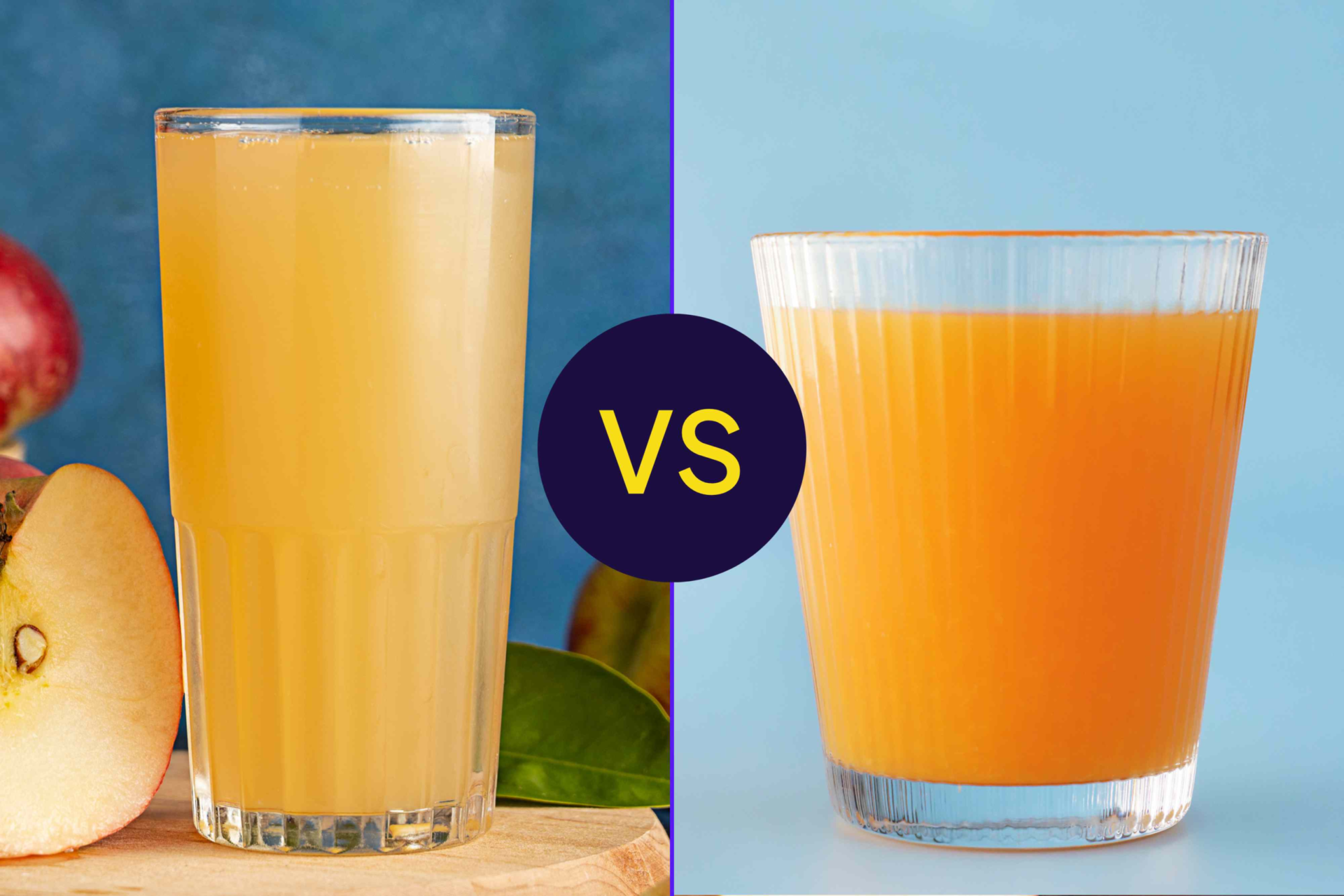
Orange juice and apple juice are popular choices if you're looking for a sweet start to your morning. But when it comes to nutrients and immune-boosting antioxidants, these juices aren't created equal.
Which Is Better for Your Immune System?
If you're looking for a glass of juice to help supercharge your immune system, orange juice may be the way to go.
Vitamin C plays an essential role in supporting immune system health. It also acts as an antioxidant, protecting against cell-damaging compounds in the body called free radicals. Oranges and orange juice are known for their vitamin C content, and for good reason—here's how orange juice stacks up against apple juice:
- Apple juice: 2.23 milligrams of vitamin C per cup (2.4% of the Daily Value)
- Orange juice: 71.2 milligrams of vitamin C per cup (79% of the Daily Value)
In addition to vitamin C, orange juice contains other antioxidants that can help support immune health, too. Citrus fruits and juices contain a polyphenol called hesperidin, an antioxidant. Research suggests hesperidin has anti-inflammatory capabilities to support healthy immune system function, plus it can promote better heart health.
Orange juice also contains small amounts of beta-carotene, an antioxidant that gives orange juice its color. Beta-carotene protects cells by reducing free radicals, and the body uses it to make vitamin A, a key driver of immune health.
For its part, apple juice does contain some antioxidants—polyphenols, specifically—that may help reduce inflammation and keep cells healthy. Cloudy apple juice often has more of these compounds than clear juice since it contains more apple solids.
Is Orange Juice or Apple Juice More Nutrient-Dense?
Though nutrition information varies based on juice brand or whether you make it at home, your glass of orange juice likely contains more essential vitamins, minerals, and other nutrients than a glass of apple juice. Here's how a standard 8-ounce cup of apple juice compares to a cup of orange juice:
| | Unsweetened apple juice; canned or bottled | 100% orange juice with calcium added; canned, bottled, or in a carton |
| Calories | 114 | 117 |
| Sugar | 23.9 grams (g) | 20.3 g |
| Carbohydrates | 28 g | 25.2 g |
| Protein | 0.25 g | 1.91 g |
| Potassium | 250 milligrams (mg) | 449 mg |
| Vitamin C | 2.23 mg | 71.2 mg |
| Folate | 0 micrograms (mcg) | 71.9 mcg |
| Magnesium | 12.4 mg | 24.6 mg |
| Vitamin A, RAE | 0 mcg | 4.96 mcg |
Apple juice has a slight edge when it comes to carbohydrates, which could make it a better pick for people who are watching their carb intake. But orange juice wins in nearly every other nutrient category.
Not only does orange juice contain more vitamin C than apple juice, but it also provides 18% of your recommended daily intake of folate, a B vitamin that aids in cell division. Orange juice also contains small amounts of potassium, magnesium, and protein, which are found in much lower concentrations in apple juice.
These higher nutrient concentrations—coupled with orange juice's slightly lower sugar content—may make it a more nutritious choice.
Which One Should You Choose?
In general, drinking 100% fruit juice can be a good way to get more nutrients in your diet, especially if whole fresh fruit is inaccessible. Choosing between apple and orange juice should depend on your personal preferences and health goals:
- For overall nutrition: Orange juice generally offers more vitamins and minerals—specifically vitamin C, potassium, magnesium, and folate—than apple juice. However, you can buy fortified versions of both juices, which means manufacturers have added extra vitamins and minerals for a nutritional boost. For example, try apple juice fortified with vitamin C or potassium, and orange juice fortified with calcium or vitamin D.
- For sensitive stomachs: Citrus fruits, including oranges and orange juice, are acidic and may trigger heartburn or acid reflux in some people. Apple juice is less likely to irritate your stomach.
- For sugar content: Apple juice typically has slightly more sugar than orange juice; however, both are considered higher-sugar beverages. People should cap their sugar intake to 50 grams per day if they're following a 2,000-calorie diet—a glass of either orange or apple juice may contribute nearly half of that amount.
- For iron absorption: If you follow a plant-based diet or are otherwise concerned that you may not be getting enough iron, orange juice is a better choice. Vitamin C helps your body absorb iron, specifically iron from plants like spinach and lentils.
In moderation, apple and orange juice can both be a nutritious part of your diet. However, for best results, choose whole apples and oranges when you can. Whole fruits are more nutritious than juice—they're lower in sugar and contain more fiber, a nutrient that supports heart health, digestion, and more. Plus, apples and oranges may be better for your immune system and overall health since antioxidants and vitamin C are often lost during the juicing and storage process.