As Noida International Airport Opens New Horizons, Galgotias University Emerges as Talent Engine for Aviation, Logistics and Tourism


Greater Noida | March 30, 2026: The inauguration of the Noida International Airport marks a transformative milestone in India’s infrastructure and economic landscape, positioning the National Capital Region as a global hub for aviation, logistics, and tourism. As one of Asia’s largest upcoming airports, the development is set to unlock unprecedented opportunities across airline operations, cargo ecosystems, hospitality, and travel services.

At the center of this emerging ecosystem, Galgotias University’s School of Aviation, Logistics and Tourism Management (SALTM) is playing a pivotal role in building the skilled workforce required to power this growth.

With the rapid expansion of airport infrastructure and allied industries, the demand for trained professionals in aviation operations, supply chain management, and travel services is expected to surge significantly. Galgotias University has consistently led this alignment through its industry integrated academic ecosystem, empowering students to take on pivotal roles in leading organizations, driving innovation and growth across sectors.

Over 30 leading companies have recruited 2025–26 batch students across aviation, logistics, and tourism domains, demonstrating strong industry trust and curriculum relevance.

In the aviation sector, students have secured roles with globally recognized and leading aviation service providers including Air India, Qatar Airways, Spice Jet, IndiGo, AISATS, Bird Group (BIS), and other aviation ecosystem players. Roles span across airport operations, customer service, security, and crew management functions at key hubs such as IGI Delhi, Ahmedabad, and the Noida International Airport, highlighting early integration into this emerging aviation hub.

In logistics and supply chain management, companies such as UltraTech, Tata 1mg, Welspun GCC, Del Monte Foods, Store My Goods, ShipX Cargo Logistics, V2 Retail and SSDN Technologies have recruited students for roles in field operations, warehouse management, logistics execution, and export documentation across Delhi NCR and key industrial regions. These placements reflect the growing importance of efficient supply chain networks in a rapidly evolving economic environment.

The tourism and travel management domain has witnessed strong participation from companies such as EaseMyTrip, Cordelia Cruise, IndiGo, ABEC Exhibitions & Conferences, IEML, Kinexin Convention Management, and other travel tech and event management organizations. Students have secured roles in holiday sales, cabin crew, exhibition management, and experience operations, indicating diversification into high-value service roles within the tourism ecosystem.

This placement success is underpinned by Galgotias University’s strong industry integration, including skill-based training aligned with global distribution systems like Amadeus and partnerships with the Aerospace and Aviation Sector Skill Council (AASSC), Logistics Sector Skill Council under NSDC (National Skill Development Corporation). The focus on outcome based education and role specific training ensures that students are industry ready from day one.

The proximity to Noida International Airport provides a strategic advantage, offering students direct exposure to a live, large scale aviation and logistics ecosystem. This enables enhanced opportunities for internships, live projects, and industry immersion, further strengthening employability outcomes.

Capt. Vaibhav Goutham Suresh, Director – SALTM (School of Aviation, Logistics and Tourism Management), Galgotias University, shared his vision on this milestone, “The rapid growth of the sector and the monumental scale of the Noida International Airport demand a departure from the status quo. At Galgotias University, we have replaced legacy learning with a precision-engineered, skill-first curriculum. By fusing innovative training pedagogies with industry-led certifications, we are producing elite professionals essential to power this new era of Indian aviation and global logistics.”

Speaking on the occasion, Dr. Dhruv Galgotia, CEO, Galgotias University, “The inauguration of Noida International Airport marks a defining moment for India’s talent landscape. At Galgotias University, our programs are built with a forward looking approach, preparing students to lead in high growth sectors like aviation, logistics and tourism. We are proud to be enabling the workforce that will drive this transformation.”

As India accelerates its journey towards becoming a global aviation and logistics powerhouse, institutions like Galgotias University are ensuring that talent development keeps pace with infrastructure growth creating a strong, future ready workforce for the nation.

About Galgotias University

Galgotias University is among the world’s leading universities in Quacquarelli Symonds (QS Rankings) and Times Higher Education (THE) Rankings.

Galgotias University proudly ascends in the QS World University Rankings 2026 by Quacquarelli Symonds, securing a coveted position in the 1201–1400 global band. Ranked 15th among top private universities and 43rd among all Indian universities, this achievement marks a powerful endorsement of Galgotias’ unwavering commitment to academic excellence, global relevance, and innovation in higher education. Galgotias has also been accredited with NAAC A+ grade in its very first cycle, achieving these milestones in a record time of just 14 years.

In the Times Higher Education (THE) World University Rankings 2025, Galgotias University has been ranked 45th among Indian universities (including both government and private institutions) and placed in the globally prestigious 1001–1200 band. This recognition reinforces the university’s growing stature in the international academic landscape and reflects its consistent progress across global higher education benchmarks.

These recognitions highlight Galgotias University’s strong focus on teaching excellence, research impact, internationalization, industry integration, and innovation driven learning, shaping globally competent graduates ready for the challenges of the future.


Source link

Leave a Reply

Subscribe to Our Newsletter

Get our latest articles delivered straight to your inbox. No spam, we promise.

Recent Reviews


What are Socket Programming in Java

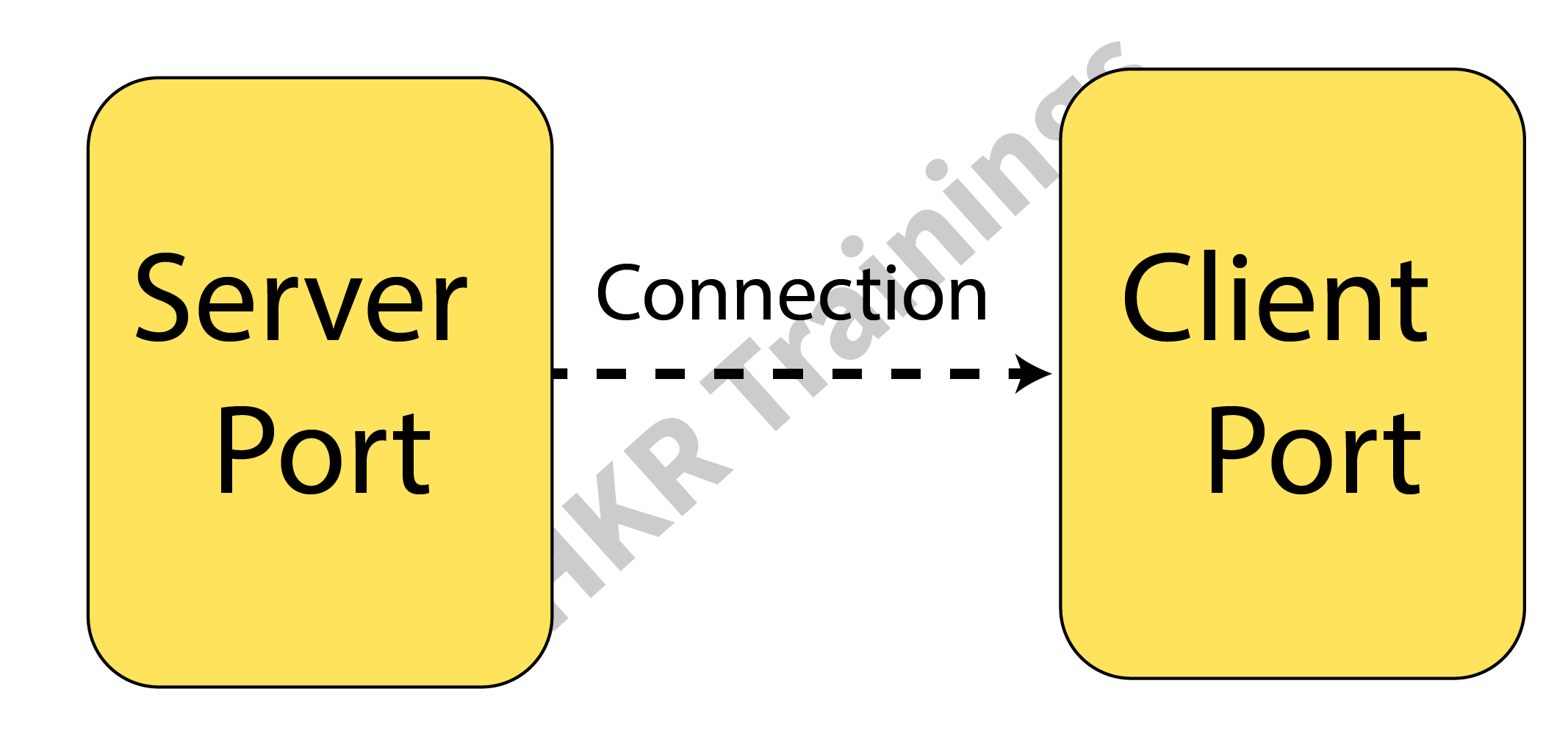
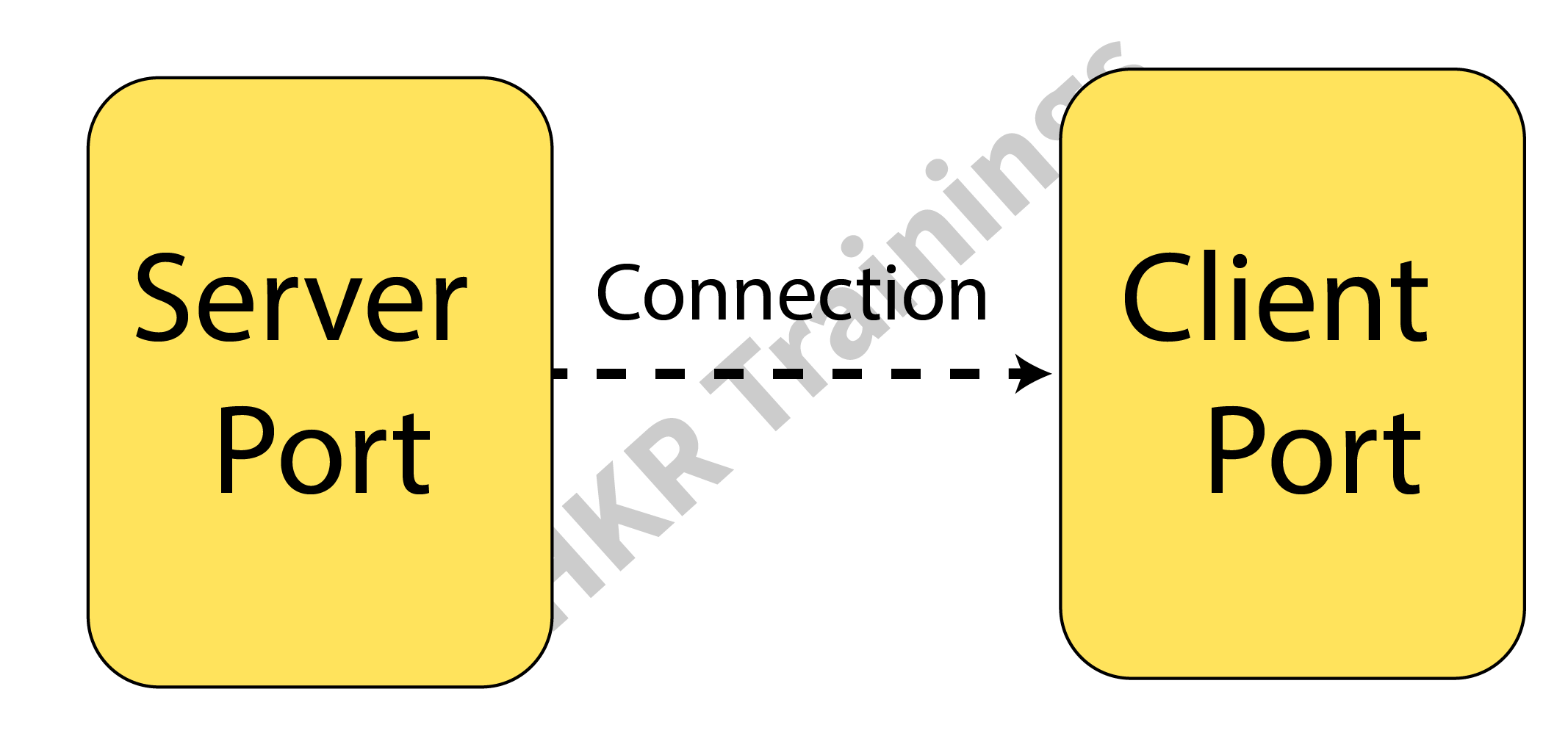
Socket programming is a method where two nodes on a network can connect and communicate with one another. While another socket reaches out to the first socket to establish a connection, one socket (or node) listens on a specific port at an IP address.
While the customer reaches out for the server, the server creates the listener socket. For connection-oriented socket programming, the classes Socket and Server Socket are utilized.

Programming using Java Sockets can be either connection-oriented or connection-less. For connection-oriented socket programming, While the customer reaches out for the server, the server creates the listener socket. For connection-oriented socket programming, the classes Socket and Server Socket are utilized. and DatagramSocket classes are used, while Socket and ServerSocket are used for connection-less socket programming.

What Is Java Socket

A Java socket is one terminal of a 2-way networked communication relationship between two programs. For the TCP layer to recognize the program that data is intended to be transferred to, a socket is tied to a port number.

Java Socket

A port number and an IP address make up an endpoint. An implementation of one side of a 2-way connection between the Java program and another program on the network is made possible by the class Socket, which is part of the Java platform’s package. The class resides on top of the platform-specific implementation, shielding your Java program from the specifics of every given system. Your Java programs can interact over the web in a platform-independent manner by utilizing the class rather than depending on native code.

Client-Side Programming

When using the client side, in the programming, the client initially watches for the server to launch. The requests will be sent to the server once it is operational. The client will then watch for the server’s answer. So, this is how server and client communication functions overall. Let’s now go deeper into client-side and server-side programming.

For starting with the requests from the client-side, the user needs to process the following steps:

Establish a connection :

Creating a socket connection is the initial action. The socket connection signifies that the 2 machines are aware of each other’s IP address and TCP port on the network.

The following statement will let you construct a socket:

Socket s = new s(“127.0.0.1”, 5000)

The first input in this case denotes the server’s IP address.

The TCP Port is represented by the second parameter. (A number that indicates which server-side program should be running.)

Communication :

Streams are utilized for both data input and output when communicating via a socket connection. You must shut down the connection after opening it and sending the requests.

Closing the connection :
Once the message has been transmitted to the server, the socket connection will explicitly close.

Wish to make a career in the world of Java? Start with HKR’S Java Training !

Java Certification Training

  • Master Your Craft
  • Lifetime LMS & Faculty Access
  • 24/7 online expert support
  • Real-world & Project Based Learning

Server-Side Programming

In essence, the server will create its object and await a request from the client. The server will reply with the response once the client will send the request.
Two sockets are required in order to program the server-side application, and they are as follows:

When a client calls newSocket(), a ServerSocket that is waiting for the requests from the client is created. There is a straightforward socket for client communication.
Following that, you must inform the client of the outcome.

Communication

The output is sent across the socket using the getOutputStream() function.

Closing the connection

Once everything is finished, it’s crucial to shut off the connection by shutting the socket and any active input/output streams.

  • You can run the server-side program first after configuring the client and server ends. After that, you must transmit the request and start client-side software. The server will reply as the client sends the request. The image below shows the same.

Closing the connection

  • The client will establish a connection and enter the request as a string.

Closing the connection 2

  • The server will reply to the request sent by the client.

Closing the connection 3

You must run a Java socket program in the given manner. These programs can also be run via a command window or terminal. However, as Eclipse is very feature-rich, you can easily run both apps on a console.

Top 30 frequently asked JAVA Interview Questions !

HKR Trainings Logo

Subscribe to our YouTube channel to get new updates..!

Testing The Applications

The testing of applications is done using the IntelliJ application or any other IDE. 

  • Put the two programs together.
  • Start the client application after starting the server software.
  • Write a message in the client window, and the server window will simultaneously receive and display them.
  • Type BYE to leave.

This can be done using a command prompt also:

  • Create a new folder called project (this is the name of your package).
  • Place the project folder’s Server.java and Client.java files.
  • Go to the root path on the command prompt after opening it.
  • Run java project.Server first, then javac projectServer.java.
  • Use the same process to run the client and server programs.
  • Messages can then be typed in the window of the client.

The application can fail when a port has already been in use. Modify port no to a special number to resolve this problem.

Acquire Jenkins certification by enrolling in the HKR Jenkins Training program in Hyderabad!

Java Certification Training

Weekday / Weekend Batches

Conclusion

In this article, we have talked about socket and socket programming. Socket programming is a method where two nodes on a network can connect and communicate with one another. While another socket reaches out to the first socket to establish a connection, one socket (or node) listens on a specific port at an IP address. We have also discussed client-side and server-side along with testing the applications.

Related Article:

Drools Interview Questions


Source link