At Google I/O 2006, YouTube unveiled more AI search hooks for its content. You’ll soon be able to ask conversational questions within YouTube to find specific answers or content within the platform, similar to Google Search’s AI Mode, but all in video.
Ask YouTube pulls together what it thinks are relevant videos, including long-form content and Shorts, and you’ll be able to ask follow-up questions based on results to refine them further. Ask YouTube will also fold in small text summaries for a better insight into whether the video will address your questions.
YouTube is also bringing Gemini Omni to its Create app and YouTube Shorts Remix. We dive deeper into Omni elsewhere, but it can create anything from any input, combining images, audio, video and text as input, folding it into “high-quality videos grounded in Gemini’s real-world knowledge”. Initially, the focus is on generating video, so it makes sense to find it nestled inside YouTube.
You’ll be able to remix Shorts, adding your own prompts and images while keeping the context of the original video, perhaps adding yourself to the video or applying a stylistic filter to everything. Creators of original Shorts can opt out of visual remix in Shorts.
Google claims that Gemini Omni will “better understand user intent” to deliver more consistent results. It’s a curious new feature, at a time when several platforms are looking to crush down on low-effort reposts and slop.
Ask YouTube is currently available to YouTube Premium members in the US through the YouTube Labs page. Gemini Omni integration is also rolling out today.
The SAP SD module is built on tables and uses them to store data. We’ll go through SAP SD tables and their relationships in this tutorial. SAP SD tables are critical storage for corporate data connected to SAP ERP software’s sales and distribution activities. The SD tables are basically divided into three parts:
These are the SD module’s building blocks, and it’s only natural to address tables in this sequence. Please look at the slides to see how the tables from different blocks were connected. Being an expert in SAP SD necessitates an understanding of these relationships.
Become a SAP SD Certified professional by learning this HKRSAP SD Training!
1) Sales
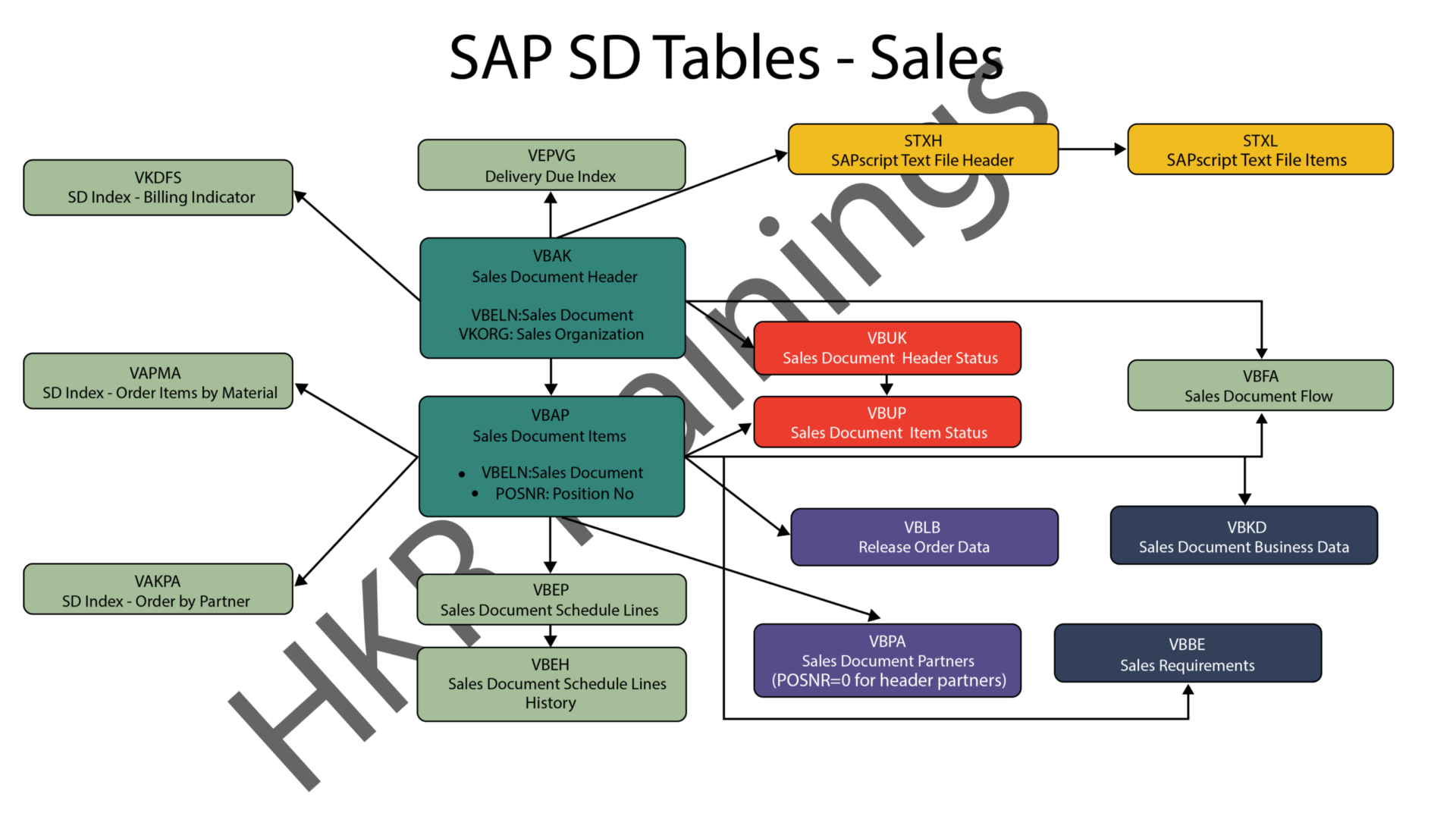
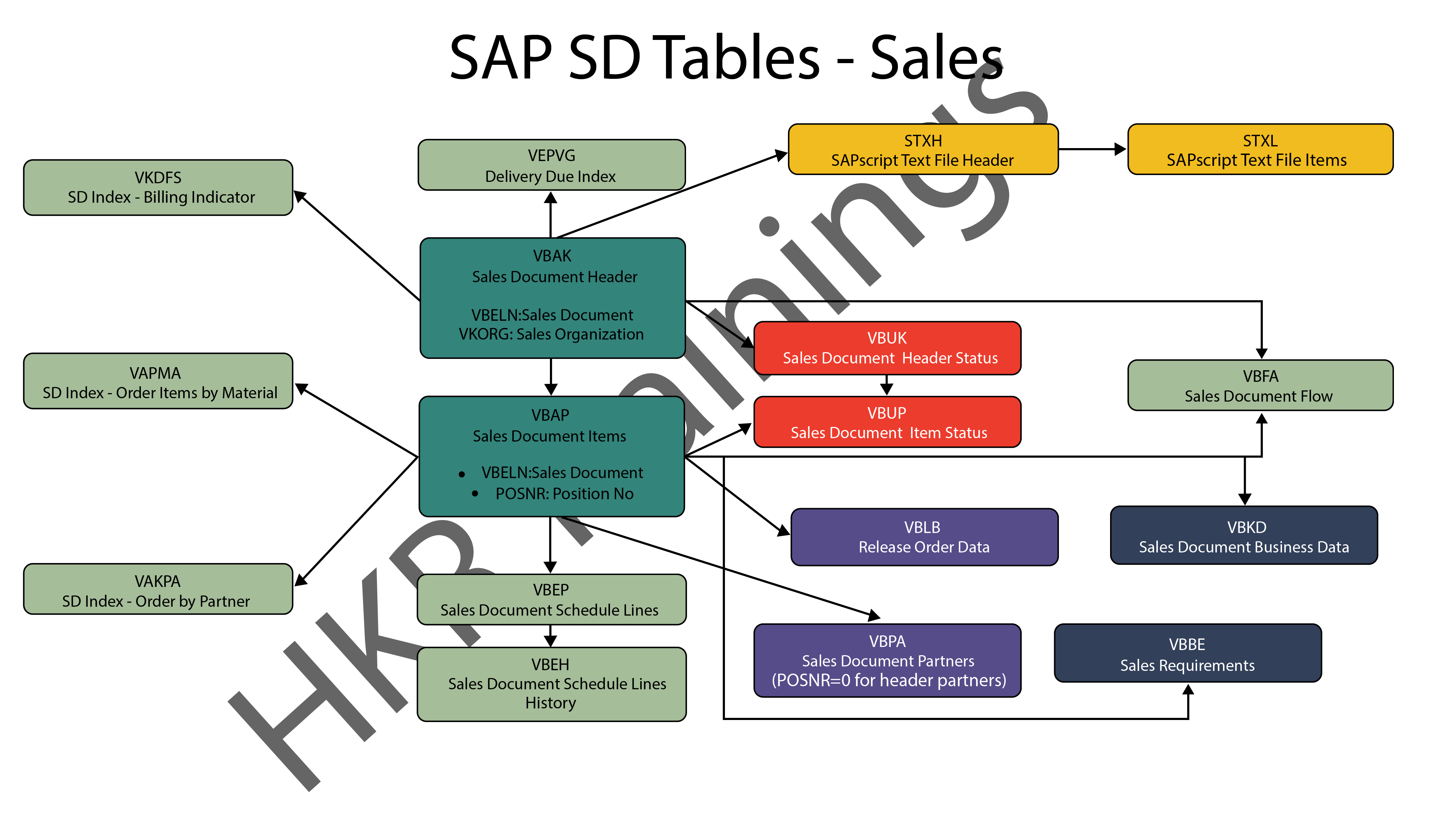
In SAP SD, the first block is about sales procedures.This indicates that the SAP SD tables in this block would be related to sales orders, quotations, and other similar transactions. We designed a visual slide that lists all of the tables and their relationships.
2) Shipping
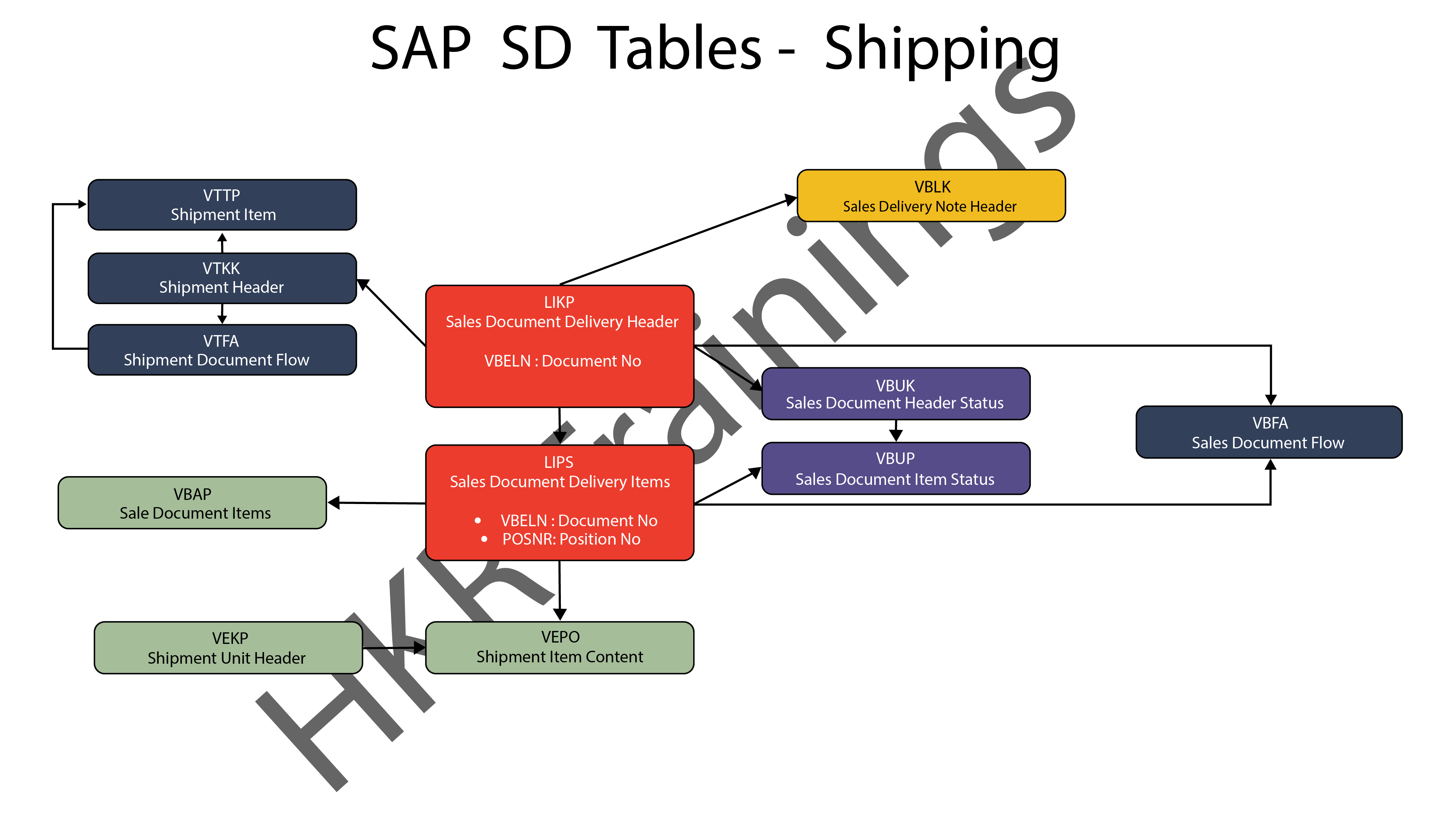
ThIs section is about SAP SD’s shipping processes. In this section, SAP SD tables deal with inbound and outbound deliveries, as well as shipments. Likewise, we’ve created a visual slide with links illustrating table relationships.
SAP SD Training
Master Your Craft
Lifetime LMS & Faculty Access
24/7 online expert support
Real-world & Project Based Learning
3) Billing
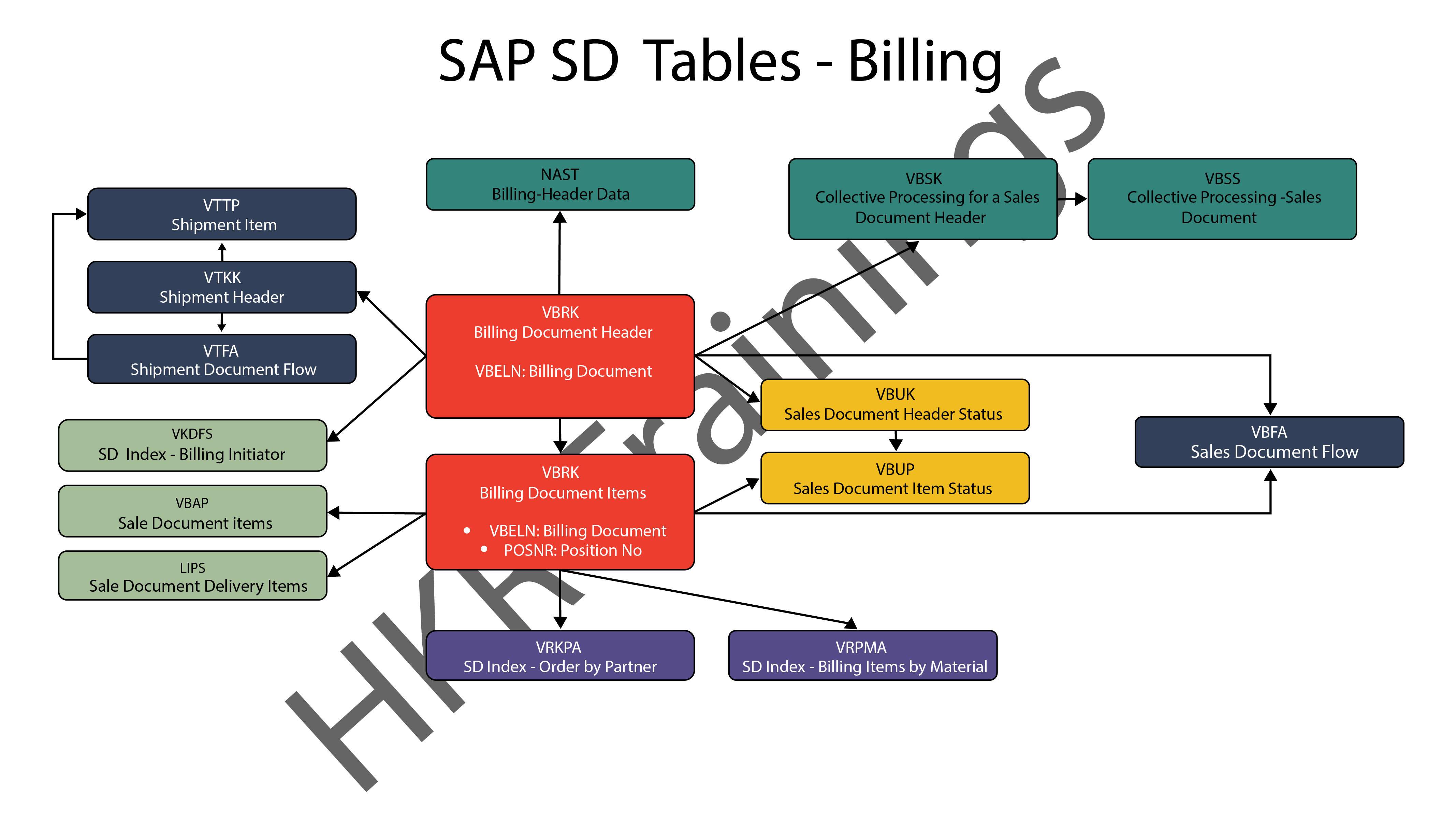
The billing feature of SAP SD is the last but not least. SAP has a variety of tables which are used to support a company’s billing procedures. Billing documents, as well as other related data, such as output conditions, are saved in these tables by SAP.
To provide the best experiences, we use technologies like cookies to store and/or access device information. Consenting to these technologies will allow us to process data such as browsing behavior or unique IDs on this site. Not consenting or withdrawing consent, may adversely affect certain features and functions.
Functional
Always active
The technical storage or access is strictly necessary for the legitimate purpose of enabling the use of a specific service explicitly requested by the subscriber or user, or for the sole purpose of carrying out the transmission of a communication over an electronic communications network.
Preferences
The technical storage or access is necessary for the legitimate purpose of storing preferences that are not requested by the subscriber or user.
Statistics
The technical storage or access that is used exclusively for statistical purposes.The technical storage or access that is used exclusively for anonymous statistical purposes. Without a subpoena, voluntary compliance on the part of your Internet Service Provider, or additional records from a third party, information stored or retrieved for this purpose alone cannot usually be used to identify you.
Marketing
The technical storage or access is required to create user profiles to send advertising, or to track the user on a website or across several websites for similar marketing purposes.