
Cards under $100 offering free TSA PreCheck or Global Entry


Many popular rewards cards — including some that charge less than $100 annually — come with statement credits toward application fees for Global Entry or TSA PreCheck, Trusted Traveler Programs that help speed up the screening process at the airport.

Global Entry/TSA PreCheck statement credits can be worth up to $120 every four years. You’ll get the full $120 in value if you sign up for Global Entry, which I recommend since it includes TSA PreCheck.

If you maximize the Global Entry/TSA PreCheck credit on one of these cards, you can completely offset the first year’s annual fee. Already enrolled? You can transfer the credit to someone else. All you have to do is charge the application fee to your card.

Let me introduce you to six of our favorite cards with annual fees under $100 that offer Global Entry/TSA PreCheck benefits.

Best cards under $100 with Global Entry/TSA PreCheck credits

The information for the One Key+ Card and the U.S. Bank Altitude Connect has been collected independently by The Points Guy. The card details on this page have not been reviewed or provided by the card issuer.

Now let’s dive into each card’s details to find your best match.

Related: It’s getting easier: 5 essential tips on how to get a Global Entry appointment

Chase Sapphire Preferred Card

Welcome offer: Earn 100,000 bonus points after spending $5,000 on purchases in the first three months from account opening. Per TPG’s June 2026 valuations, this bonus is worth $2,050.

Reward your inbox with the TPG Daily newsletter

Join over 700,000 readers for breaking news, in-depth guides and exclusive deals from TPG’s experts

Annual fee: $95.

Chase Sapphire Preferred card image
THE POINTS GUY

Earning rates:

  • 5 points per dollar spent on all Chase Travel℠ purchases, including flights, hotels, rental cars, vacation homes, cruises, activities and tours
  • 5 points per dollar spent on Lyft rides (through Sept. 30, 2027)
  • 5 points per dollar spent on eligible Peloton equipment and accessory purchases over $150 (through Dec. 31, 2027; limit of 25,000 bonus points applies)
  • 3 points per dollar spent on gas and electric vehicle charging
  • 3 points per dollar spent on vacation homes at these top brands: Airbnb, Vrbo, Plum Guide, HomeAway, Homestay.com and Vacasa
  • 3 points per dollar spent on dining, streaming services and online groceries*
  • 2 points per dollar spent on all other travel
  • 1 point per dollar spent on all other purchases

Best for: Earning flexible Chase Ultimate Rewards points for potentially valuable redemptions.

*The elevated earning rate for online grocery store purchases excludes Target, Walmart and wholesale clubs.

To learn more, read our full review of the Sapphire Preferred.


Apply here: Chase Sapphire Preferred Card


Capital One Venture Rewards Credit Card

Welcome offer: Earn 75,000 bonus miles after spending $4,000 on purchases in the first three months from account opening. This offer is worth about $1,388, according to TPG’s June 2026 valuations.

Annual fee: $95.

Capital One Venture Rewards Credit Card
THE POINTS GUY

Earning rates:

Best for: A simple earning structure.

To learn more, read our full review of the Venture Rewards.


Learn more: Capital One Venture Rewards Credit Card


Aeroplan Credit Card

Welcome offer: Earn 60,000 bonus points after spending $3,000 on purchases in the first three months from account opening. TPG’s June 2026 valuations place this offer at $840.

Annual fee: $95.

Hand holding the Aeroplan Credit Card
THE POINTS GUY

Earning rates:

  • 3 points per dollar spent at grocery stores, on dining at restaurants (including takeout and eligible delivery services) and on purchases made directly with Air Canada
  • 1 point per dollar spent on all other purchases

Best for: Air Canada (and Star Alliance) flyers.

To learn more, read our full review of the Aeroplan card.


Apply here: Aeroplan Credit Card


IHG One Rewards Premier Credit Card

Welcome offer: Earn 140,000 bonus points after spending $3,000 on purchases in the first three months from account opening. According to TPG’s June 2026 valuations, this bonus is worth $770.

Annual fee: $99.

IHG Premier personal card art
THE POINTS GUY

Earning rates:

  • Up to 26 points per dollar spent when you stay at IHG Hotels & Resorts
  • 5 points per dollar spent on travel, at gas stations and at restaurants
  • 3 points per dollar spent on all other purchases

Best for: IHG One Rewards loyalists.

To learn more, read our full review of the IHG Premier.


Apply here: IHG One Rewards Premier Credit Card


OneKey+ Card

Welcome offer: Earn $350 in OneKeyCash™ after spending $3,000 on purchases in the first three months from account opening.

Annual fee: $99.
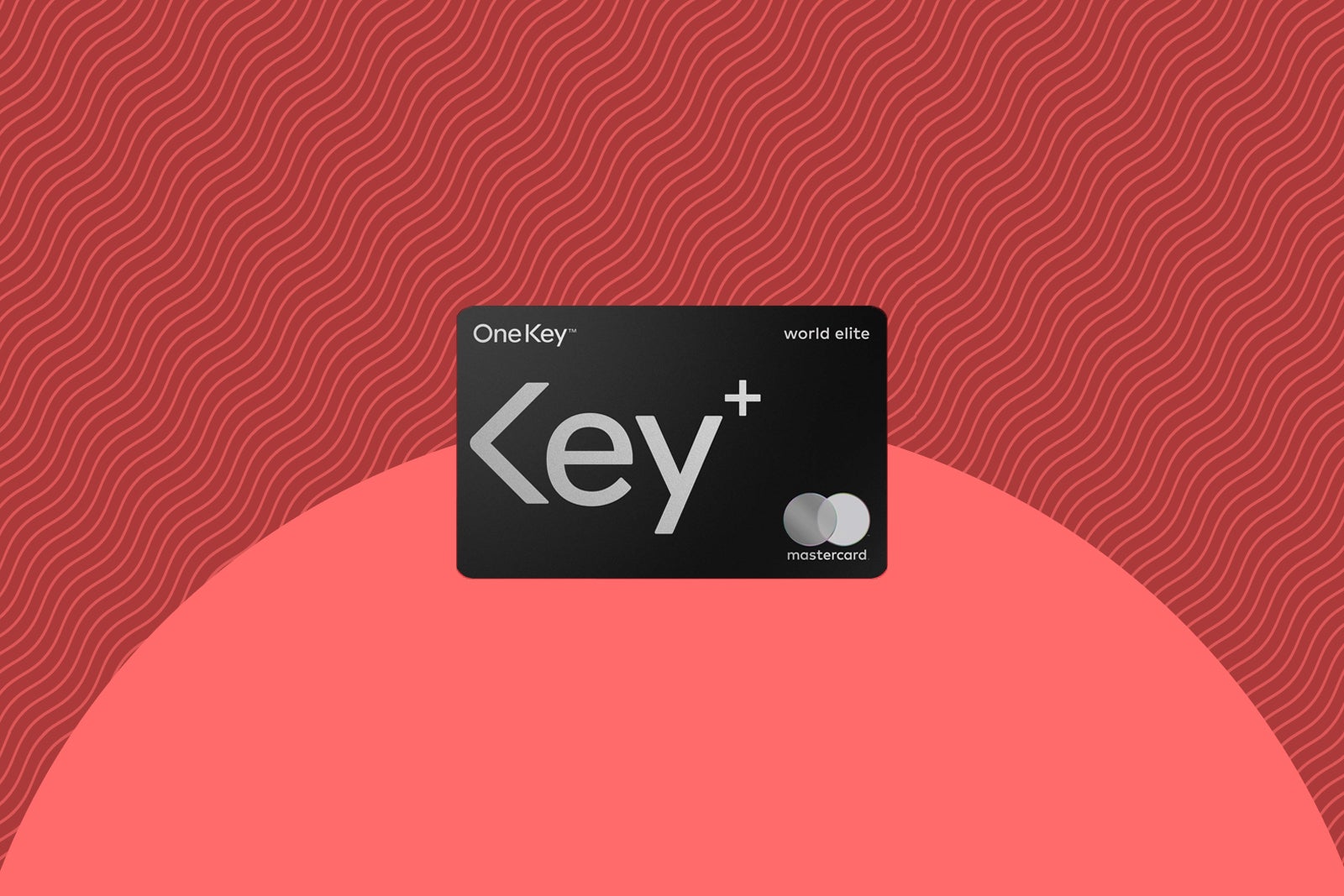
OneKey-Plus card art
THE POINTS GUY

Earning rates:

  • 3% back in OneKeyCash on Expedia, Hotels.com and Vrbo
  • 3% back in OneKeyCash at gas stations, at grocery stores and on dining
  • 2% back in OneKeyCash on other purchases

Best for: Travelers who want to earn OneKeyCash.

To learn more, read our full review of the OneKey+ card.


U.S. Bank Altitude Connect Visa Signature Card

Welcome offer: Earn 20,000 bonus points after spending $1,000 on purchases in the first 90 days from account opening.

Annual fee: $0.

US Bank Altitude Connect card image
THE POINTS GUY

Earning rates:

  • 5 points per dollar spent on prepaid hotels and car rentals booked directly in the Travel Center
  • 4 points per dollar spent at gas stations and EV charging stations (on your first $1,000 spent each quarter, then 1 point; excludes discount stores and wholesale clubs)
  • 4 points per dollar spent on travel
  • 2 points per dollar spent on dining, at grocery stores (excluding discount stores, supercenters and wholesale clubs) and on streaming services
  • 1 point per dollar spent on all other eligible purchases

Best for: Solid earnings for no annual fee.

To learn more, read our full review of the U.S. Bank Altitude Connect.


Bottom line

Each of these cards provides exceptional ongoing value beyond its Global Entry/TSA PreCheck benefit. It’s easy to offset the sub-$100 annual fees with any of these options.

The most important factor is determining the type of rewards you want to earn and how you would like to redeem them. You’ll also want to consider each issuer’s unique set of application rules and restrictions, including Chase’s 5/24 rule.

And remember, even if you already have Global Entry or TSA PreCheck, you can use this credit for someone you know. Just have them use your card to pay for their application fee.

Related: No more kiosks: Global Entry trials fast camera tech that clears you while you walk


Source link

Leave a Reply

Subscribe to Our Newsletter

Get our latest articles delivered straight to your inbox. No spam, we promise.

Recent Reviews


What is SAS?

SAS stands for Statistical Analytics System. It is a software system developed to accommodate complex analytics, data techniques and other mathematics, but is mostly used by big companies, especially in the banking, health and insurance sectors. SAS is not open-source, this is not free but it is not affordable either, and this is the greatest deterrent to business owners and start-ups that would have been able to do so.At present SAS is expanding its platform to include emerging technologies like AI and machine learning tools as well. Moreover, it also provides services related to custom intelligence, risk management and identifying, big data functionalities, etc. 

Why SAS?

Since SAS has been developed primarily for industrial and commercial purposes, this may not be the greatest option for beginners or solo data analysts to discover except if their main objective is to think about working in an industrial environment and to have new skills to be more competitive in the current industry. For all those who wish to learn SAS computing for free, a free version of SAS known as SAS University is available for educational purposes only and not for industrial applications. 

Become a SAS Certified professional by learning this HKR SAS Training !

Features of SAS:

The exciting features of the SAS are:

  • SaS is not a free platform or even an open source.
  • It integrates the functionalities or capabilities of AI and machining learning techniques.
  • SAS comes with high data security and stability.
  • Moreover SAS provides excellent customer service, technical support and maintenance services as well.
  • As it is compatible with cloud platforms, commands can be easily processed in the cloud.

SAS Training

  • Master Your Craft
  • Lifetime LMS & Faculty Access
  • 24/7 online expert support
  • Real-world & Project Based Learning

What is Python?

Python is an open-source object-oriented programming language which has become exceptionally successful with data analysts and software engineers. Python is recommended as it endorses, among many others, organized, object-oriented and operational programming and incorporates current infrastructure.Python comes with libraries to support a variety of data manipulation functions, including data integration, information extraction, business intelligence, visual analytics, and artificial intelligence. The libraries of the python are: pandas, Numpy, tensorflow, matplotlib, etc.

Why Python?

The simple truth that Python is perhaps the most popular language between many software developers and project managers helps make it simple to master, interpret, and then use. Python provides a sleek comprehensible syntax that makes it more convenient for newbies because they don’t go into a lot of programming. This provides people an opportunity to plan mostly on learning the other operations of data science.

  Become a python Certified professional  by learning this HKR Python Training !

Features of Python:

The attractive features of python are:

  • Python is easy and simple to learn programming language as it requires menial coding. 
  • It comes with more number of libraries
  • It comes with extensive support for many other operating systems like Mac platforms, Linus and Windows.
  • Python is a highly scalable, interpreted and fastest programming language.
  • Moreover, python comes with great features such as  visualization, data analytics, and data manipulation functions as well.
HKR Trainings Logo

Subscribe to our YouTube channel to get new updates..!

Comparison between SAS vs Python:

Now let us compare the SAS and python in detail.

Python:Python, on the other hand, is quick to understand thanks to its simple function. However, instead of an interactive GUI like the one in SAS, Python has an IPython notebook that allows students to access code.

SAS:For individuals who are really experienced with SQL, mastering the fundamental SAS language is possible due to a growing Emphasis. Prior to actually writing code, an adult should first acquaint himself/herself with the SAS GUI interface. There is no need to have previous knowledge to learn SAS.

Python: Python becoming an open source platform and it is very much free to download it. However they won’t provide any tech support or guarantee documents for the users. It is mostly preferred by the small and medium sized organizations due to its flexibility and transparency of the systems.

SAS:SAS is a licensed option and is more expensive as well. This SAS platform is equipped with mutli[le features which can be used only after the purchasing and upgrades. Most of the big IT companies rely on it.

  • Data Science capabilities:

Python:In the field of data science, Python language succeeds in the analysis of complex data. Libraries also including Scikit Learn, Pandas, and NumPy, and Matplotlib for visual representation, end up making it an alternative for beginners who want to undertake a career in data science.

SAS:SAS also typically includes data science abilities, such as simultaneous data analysis, access to and strategic planning of datasets through an interconnected SQL database system.

  • Libraries and tools supported:

Python:Python includes many other libraries for web design, software development, data science and visualization, desktop GUI programming, as well as machine learning and AI frameworks. Python is therefore a great option for exploiting and envisioning huge amounts of data.

SAS:SAS provides a variety of built-in business intelligence, data storage, graphical and computational tools that make it a better platform for manipulating data, especially on stand-alone data centres or devices. Although SAS could be used to determine outcomes very well, it is not as great as Python in terms of data visual representation as it cannot create special statistics. 

Python:Python is a powerful device that is not restricted to data analytics and software engineering functionality, creating a broader market for individuals with Python tech skills.

SAS:For a long time, SAS held the largest market share, and in particular the organizational market. However, the economy is continuously shifting toward these open-source technologies, which is why Python has grown exceptionally in prominence.

  • Application advancements:

Python:Due to its open nature of Python, the introduction of innovative features and methodologies is fast compared to SAS. Although there are opportunities for sustainable development since they’re not well-tested due to their accessible ability to contribute.

SAS:SAS is introducing a new edition in the type of software releases or rollouts. As it is granted a license, all functionalities and updates are well tested. It’s much less likely to be an error especially in comparison to Python.

Python:Python has a fierce challenge with graphics bundles such as VisPy, Matplotlib. But, compared to SAS, it’s still complex.

SAS:SAS includes system graphical capabilities. But this is extremely practical. Making any customization is a difficult task to achieve. We need to comprehend the SAS Graph package rigorously to configure it.

Top 30 frequently asked SAS Interview Questions !

Python:Python is recommended by start-ups, small and medium-sized technology companies since it provides advanced features for handling large unorganized data sets at no cost. It even has AI and machine learning abilities.

SAS:SAS is mostly embraced by large corporations whose major worry is high stability, better security and devoted customer support, not the expense of the application.

Python:Python is continuously replaced with the latest features from the community, making the latest developments quicker than SAS.

SAS:SAS will only be amended when a new version is rolled out.

SAS Training

Weekday / Weekend Batches

Conclusion:

The technology is changing towards transmission. Second, tools like Python are flexible and most recommended for data science. SAS is much more appropriate to statistical analysis and business intelligence. For this reason, it would have been more beneficial for a beginner interested in exploring data science to understand Python. But adding SAS to their knowledge base would give newbies more possibilities.

Related Articles:

  1. Python Partial Functions
  2. Python Split Method
  3. SAS Programming
  4. SAS BI Tools
  5. SAS Vs Tableau


Source link