Congressman Dan Meuser ‘Talk to the F***ing Democrats’ … They’re Why TSA Won’t Get Paid
Published
Rep. Dan Meuser blew his stack during a convo with Charlieabout Congress going home again without funding DHS, angrily ending their chat with this … “Talk to the f***ing Democrats!”
We got the Congressman from Pennsylvania on Capitol Hill Thursday … the day the House will go on another 10-day break. It’s especially ominous because Congress has not passed a bill to pay TSA workers and others, and the DHS Secretary has said the Department can’t make payroll next week.
Meuser had issues with the premise — that members of Congress should be in D.C. He says there’s a lot of important work members do in their districts, like getting feedback from constituents.
Things got heated when Charlie pressed Meuser, saying the Republicans have the majority in both chambers, so why can’t they pass a bill funding DHS? Meuser fired back, it takes 60 votes in the Senate to pass the bill, and left Charlie with these words — “Talk to the f***ing Democrats!”
So we did … we got Rep. Seth Moulton on the Hill, and he blamed the recesses and the impasses on Speaker Mike Johnson. So Charlie asked, if that’s the problem, why don’t the Dems form a coalition with Republicans and vote for a new Speaker?
The Senator from Massachusetts responded, “They [the Republicans] won’t break. They’re lockstep with Trump.” But that’s not true. Former Congresswoman Marjorie Taylor Greene and Congressman Thomas Massie broke with Trump, and all it would take is 3 Republicans.
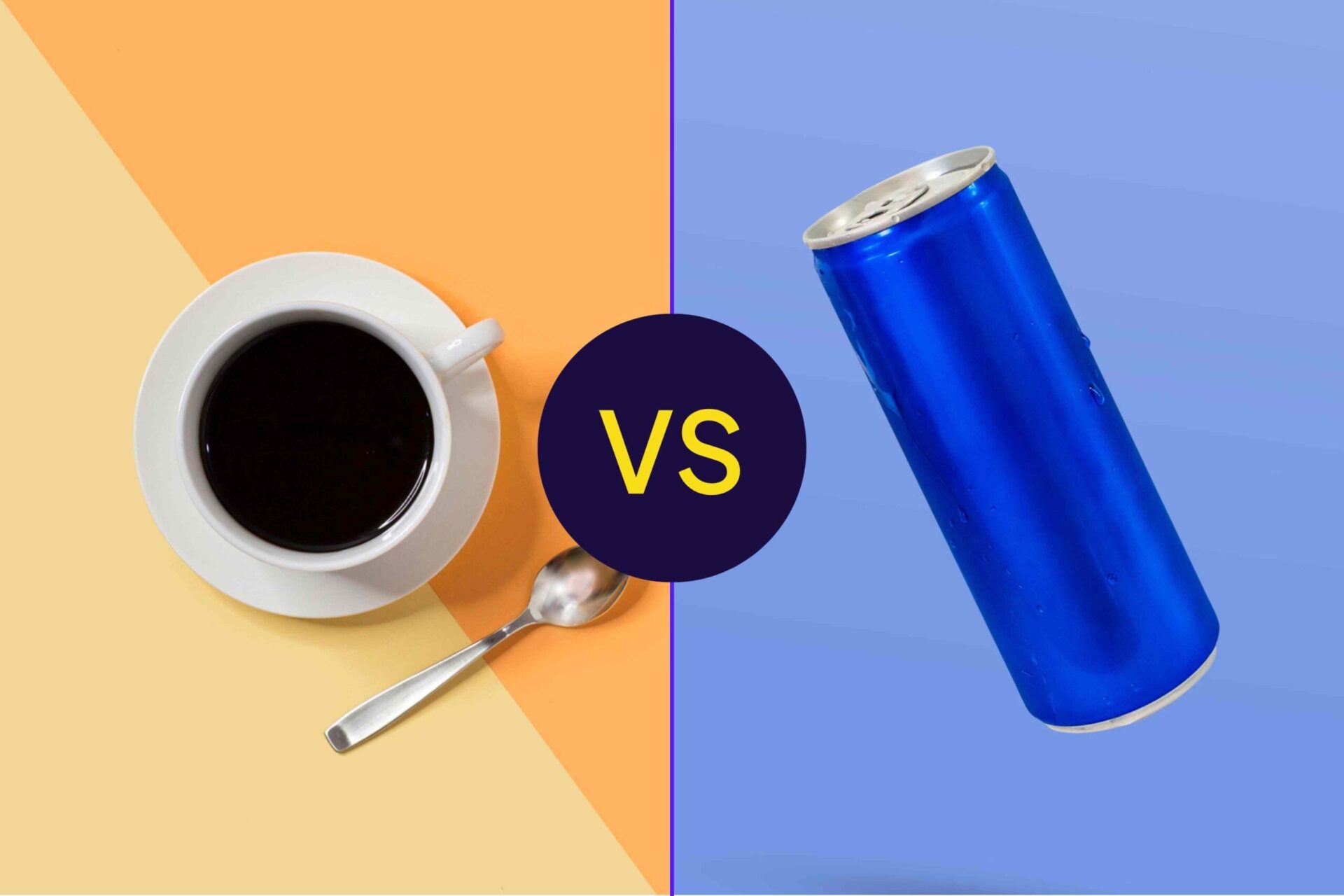
Coffee and energy drinks are popular sources of caffeine, but may have different health effects. Credit: Health / Getty Images
Both coffee and energy drinks can vary in caffeine content.
Moderate caffeine consumption is recommended for reducing the risk to your heart.
Energy drinks have been shown to cause heart problems, but more research is needed.
Coffee and energy drinks are popular options for a quick energy boost. Both caffeinated beverages can support physical endurance, alertness, and reaction time. However, they can also increase heart rate, reduce steadiness, and increase your added sugar intake.
Which One Will Give You More Energy?
Coffee and energy drinks can both range in caffeine content, which can affect their impact on energy levels. Coffee drinks vary in caffeine based on the brew method and bean type, but on average, a cup (8 ounces) of coffee contains about 113-247 milligrams of caffeine.
Standard 16-ounce energy drinks can contain anywhere from 70 to 240 milligrams of caffeine. Concentrated 2-2.5 ounce energy shots pack about 113-200 milligrams of caffeine in a much smaller volume.
It's important to be aware of how much caffeine you’re consuming and check nutrition labels. However, energy drink manufacturers aren’t required to disclose the caffeine content.
Which Has a Greater Impact on Heart Health?
Research shows consuming high levels of caffeine can raise your blood pressure and heart rate, as well as affect your heart’s rhythm. This risk is especially high for children since their cardiovascular and nervous systems aren’t fully developed.
Coffee's effect on heart health is more widely researched than that of energy drinks. Evidence suggests that moderate coffee drinking can support heart health, while heavy consumption increases heart disease risk. How you prepare your coffee also affects the way it impacts your heart. Boiled coffee, like the kind you can make with a French press, can increase your cholesterol levels. High amounts of caffeine can also have negative effects on the heart, so many people with existing heart conditions choose decaf coffee out of caution.
Some case studies show that energy drink consumption can harm heart health, even in young people, but more research is needed to understand the mechanisms behind this. Some of the more severe cases include sudden death from drinking an energy drink.
What Other Ingredients, Besides Caffeine, Can Affect My Health?
Coffee and energy drinks aren’t just pure caffeine. It’s important to consider their other ingredients when thinking about how they can impact your health. Early research suggests some of the cardiovascular effects of coffee and energy drinks may be more related to other ingredients than caffeine.
For example, energy drinks can contain a range of other ingredients, such as guarana (which contains additional caffeine), sugar, B vitamins, and other energy-boosting compounds. Both coffee drinks and energy drinks can contain high amounts of added sugar. Energy drinks can also interact with alcohol and prescription or illicit drugs, causing negative health effects.
Risks of Having Too Much Caffeine
Whether you choose coffee, an energy drink, or another caffeinated drink for your energy boost, it’s important to watch how much caffeine you’re consuming per day. Adults without underlying health conditions should limit their total caffeine intake per day to 400 milligrams. People who are pregnant or breastfeeding should stick to half of that limit, or about 200 milligrams. You can always check with your healthcare provider about your individual health status and their recommendations for your caffeine levels.
To provide the best experiences, we use technologies like cookies to store and/or access device information. Consenting to these technologies will allow us to process data such as browsing behavior or unique IDs on this site. Not consenting or withdrawing consent, may adversely affect certain features and functions.
Functional
Always active
The technical storage or access is strictly necessary for the legitimate purpose of enabling the use of a specific service explicitly requested by the subscriber or user, or for the sole purpose of carrying out the transmission of a communication over an electronic communications network.
Preferences
The technical storage or access is necessary for the legitimate purpose of storing preferences that are not requested by the subscriber or user.
Statistics
The technical storage or access that is used exclusively for statistical purposes.The technical storage or access that is used exclusively for anonymous statistical purposes. Without a subpoena, voluntary compliance on the part of your Internet Service Provider, or additional records from a third party, information stored or retrieved for this purpose alone cannot usually be used to identify you.
Marketing
The technical storage or access is required to create user profiles to send advertising, or to track the user on a website or across several websites for similar marketing purposes.









:max_bytes(150000):strip_icc():format(jpeg)/coffeevsenergydrink-738dcdca64dd44cf913c6acb21f2dc44.jpg "A cup of coffee and a metal can side by side with a VS icon in the middle")