First look at Porter’s new Montreal Metropolitan Airport


Travelers have a convenient new way to fly to Montreal.

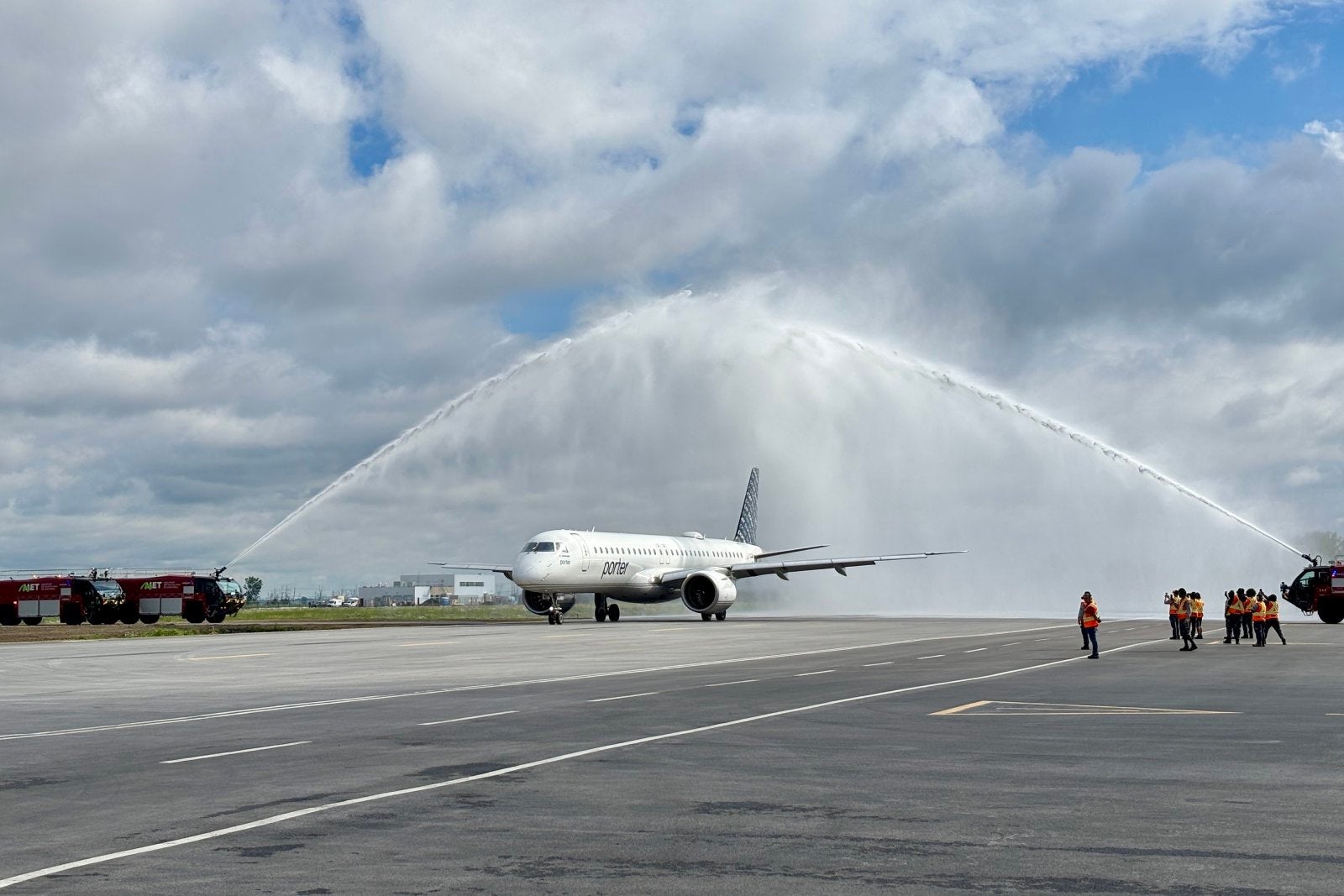
Porter Airlines and Canadian regional carrier Pascan Aviation on Monday inaugurated a new secondary airport in the Montreal area: the MET-Montreal Metropolitan Airport (YHU), located some 10 miles east of downtown Montreal.

Porter CEO Michael Deluce described the opening as a “significant milestone” for the Toronto-based carrier.

It should give travelers flying to and from Montreal a quieter alternative to the region’s largest gateway, Montreal-Trudeau International Airport (YUL).

The next Oneworld alliance airline? Canada’s Porter Airlines says it would be ‘obvious’ choice
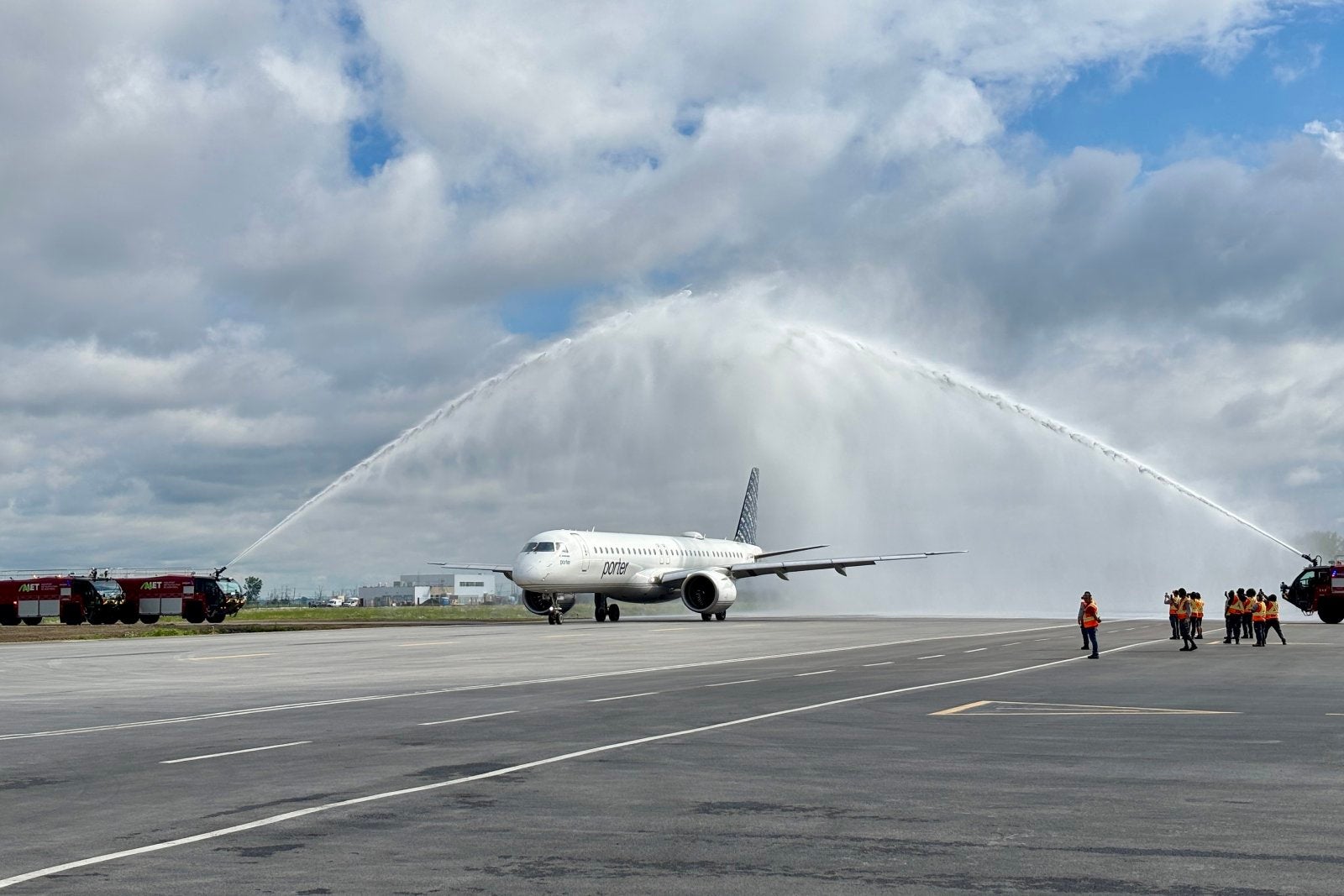
Porter’s inaugurated the new Montreal Metropolitan Airport with a flight to Vancouver on June 15. EDWARD RUSSELL FOR THE POINTS GUY

“Being the first airline to serve two Montreal airports, Porter’s giving travelers greater flexibility,” Deluce said.

Read more: How North American airports are preparing for the 2026 World Cup

What to know about the new Montreal airport

The new airport will serve as a complement, of sorts, to the far larger Montreal-Trudeau airport, which is a major hub for Porter’s top competitor, Air Canada. This opening marks the first time in more than two decades that Canada’s second-largest city has had two commercial airports; some travelers may remember that commercial flights to the former Montreal Mirabel International Airport (YMX) ceased in 2004.

Routes from YHU

Porter will use a mix of De Havilland Canada Dash 8-Q400 and Embraer E195-E2 aircraft to offer nonstop flights to 11 destinations across Canada from YHU by June 22, schedule data from aviation analytics firm Cirium shows. Destination airports include:

Reward your inbox with the TPG Daily newsletter

Join over 700,000 readers for breaking news, in-depth guides and exclusive deals from TPG’s experts

  • Calgary International Airport (YYC)
  • Charlottetown Alexander B. Campbell Airport (YYG)
  • Edmonton International Airport (YEG)
  • Halifax Stanfield International Airport (YHZ)
  • John C. Munro Hamilton International Airport (YHM)
  • Greater Moncton Romeo LeBlanc International Airport (YQM)
  • St. John’s International Airport (YYT)
  • Billy Bishop Toronto City Airport (YTZ)
  • Toronto Pearson Airport (YYZ)
  • Vancouver International Airport (YVR)
  • Winnipeg James Armstrong Richardson International Airport (YWG)

Pascan, the Canadian regional carrier, serves another four destinations from YHU.
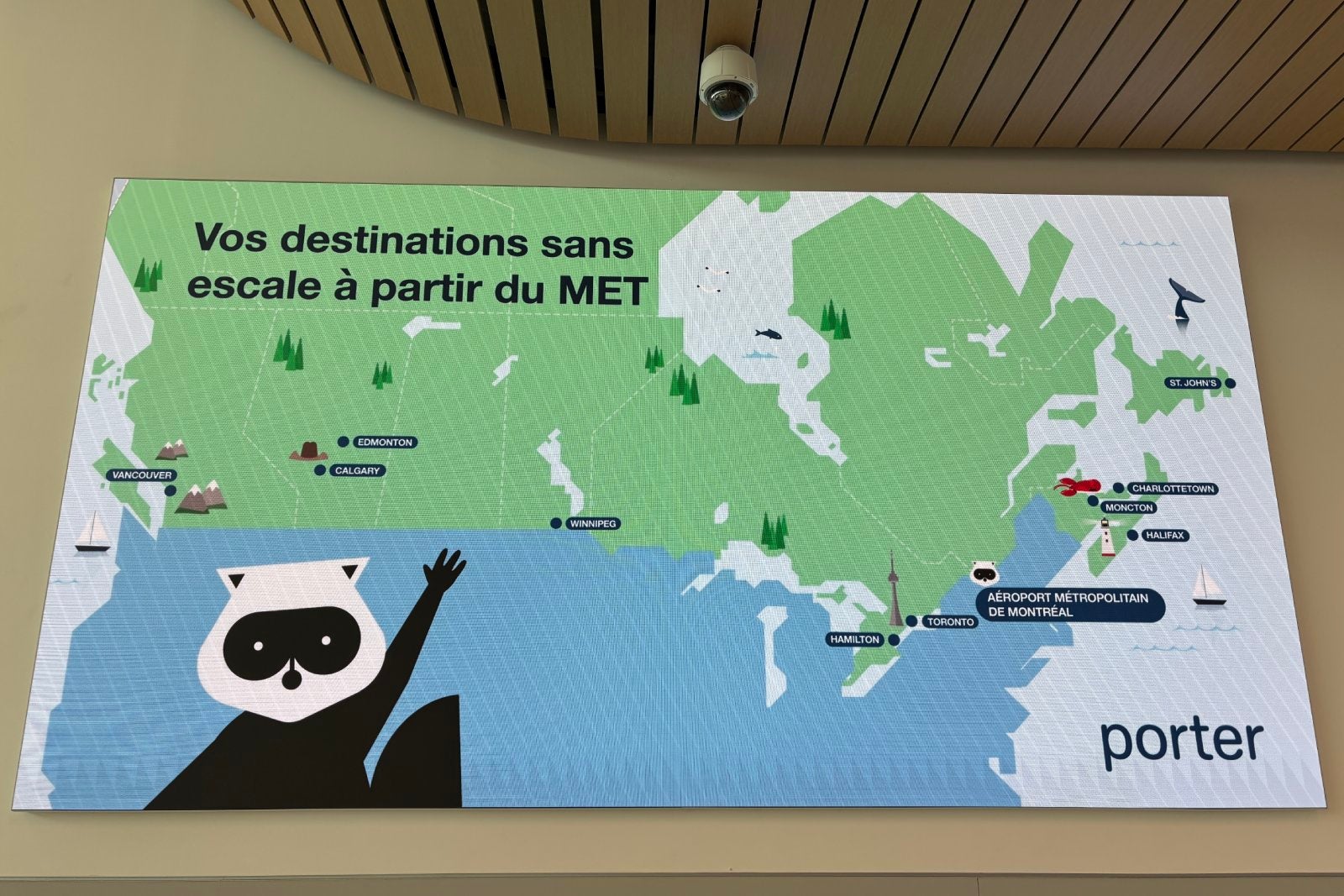
Porter’s destinations from the new Montreal Metropolitan Airport. EDWARD RUSSELL FOR THE POINTS GUY

No international flights at YHU

One thing that’s missing at the new airport? International flights.

As of now, the operator of Montreal’s main airport has an “exclusivity clause” in its lease that bars international flights from any nearby secondary airports — including YHU.

So, for now, don’t expect to see any nonstop flight from the U.S. to the new terminal.

But Porter and the operator of the new airport terminal want to see those restrictions changed in the future.

“As the community uses this airport — as it’s loved by the community — if local community politicians and [the airport operator] want us to look at international flights, it’s something we’ll look at very closely,” Deluce said.
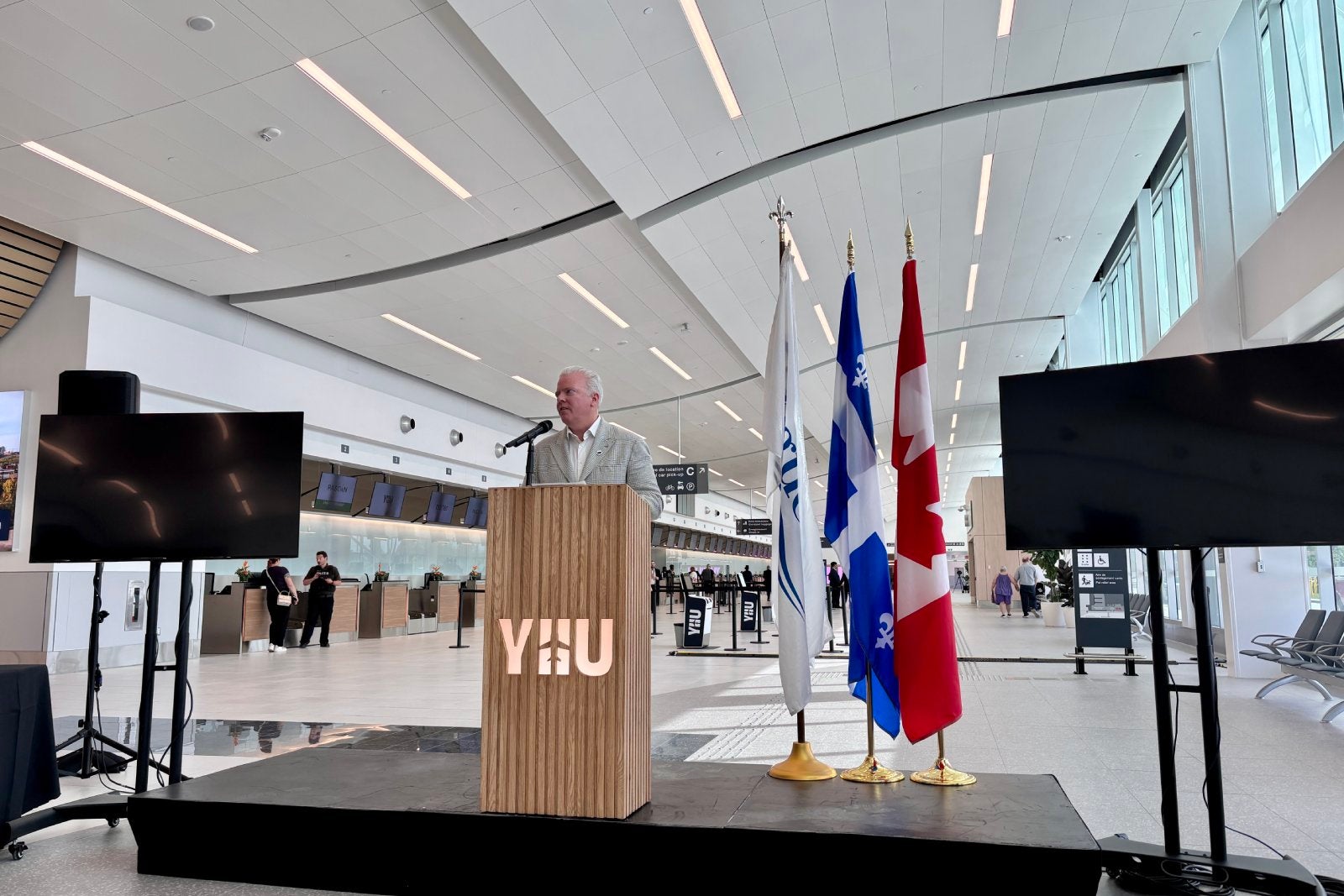
Porter CEO Michael Deluce speaking at the opening of the new Montreal Metropolitan Airport. EDWARD RUSSELL FOR THE POINTS GUY

A lounge-like terminal

The highlight of YHU is its new terminal. The unassuming building is modern, spacious and bright — the opposite of YUL’s chaotic, crowded atmosphere.
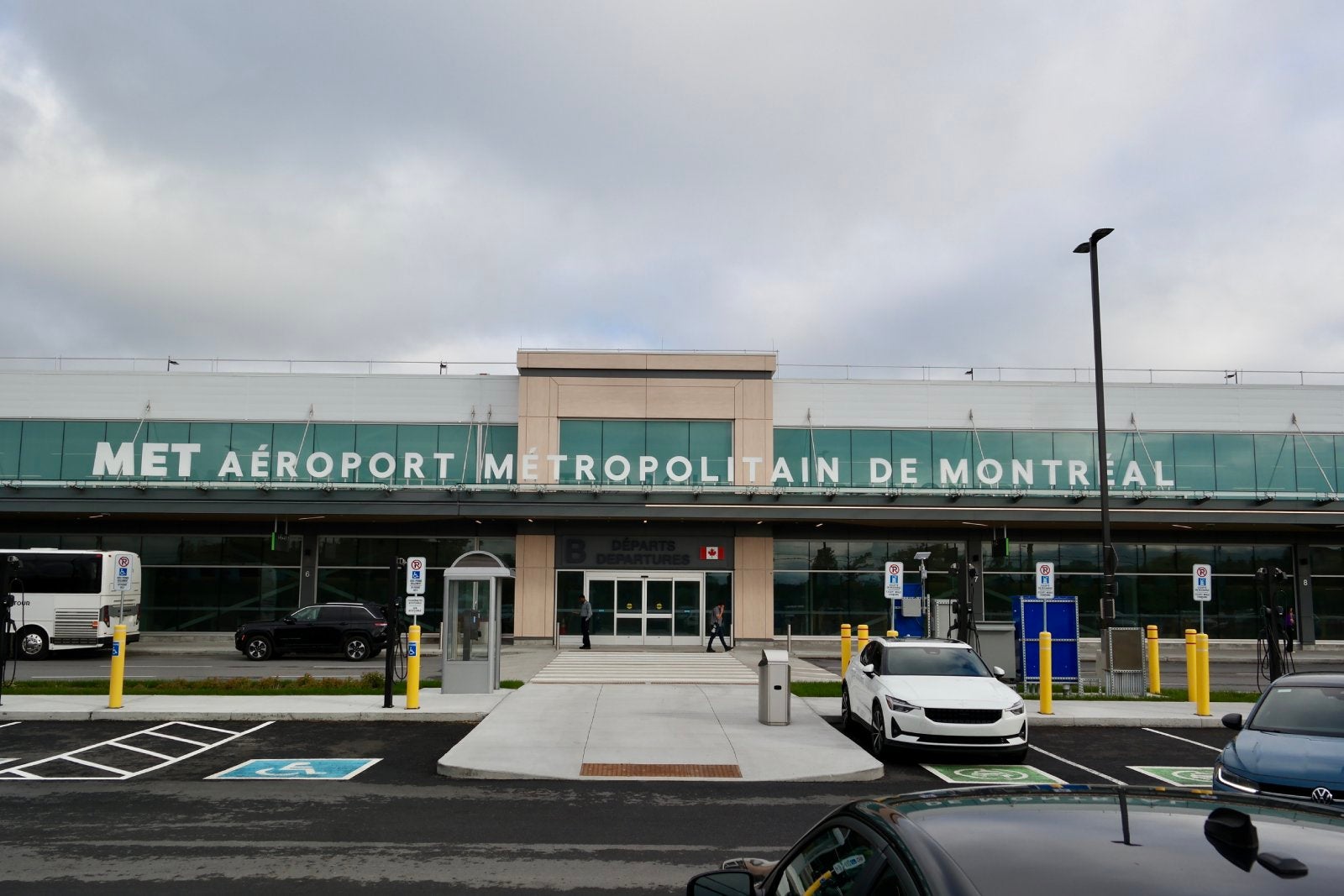
EDWARD RUSSELL FOR THE POINTS GUY

The single-story building features an airy, double-height lobby where travelers can check-in and drop off bags. It is not a terminal that seeks a “grand gesture” like the soaring, jet-age main terminal at Dulles International Airport (IAD).

In the Washington, D.C. area, United Airlines has a hub at Dulles International Airport (IAD).
Dulles International Airport (IAD). SEAN CUDAHY/THE POINTS GUY

Rather, it’s intuitive and pleasant for travelers.

“A grand gesture just doesn’t come across,” David Scott, the principal-in-charge of design at Scott Associates Architects Inc. (which designed the terminal), said while sitting in the postsecurity departures lounge. “The terminal has to be simple and intuitive.”

The YHU terminal is simple and intuitive, yet subtle. From the check-in area, travelers have just one way to walk: toward security. The corridor then leads them to a giant image of the R-100 airship that flew from the U.K. to Montreal in 1930 and eventually into the departures lounge.

Both Deluce and Scott are clear in their messaging: The waiting area is a “lounge.” The large, open space is brightly lit and offers a variety of seating types and views of the ramp from which flights depart. And, as was repeatedly mentioned, the space has 900 power outlets so travelers can charge their devices before jetting off.

It’s similar to the terminal at Paine Field (PAE) north of Seattle, but with less of a granite-and-wood Pacific Northwest vibe and more of a contemporary airline lounge atmosphere.

The lounge space builds on and improves upon the idea Scott tested at Billy Bishop Toronto City Airport (YTZ) with the terminal he designed for Porter in 2010.

Related: Best credit cards for airport lounge access
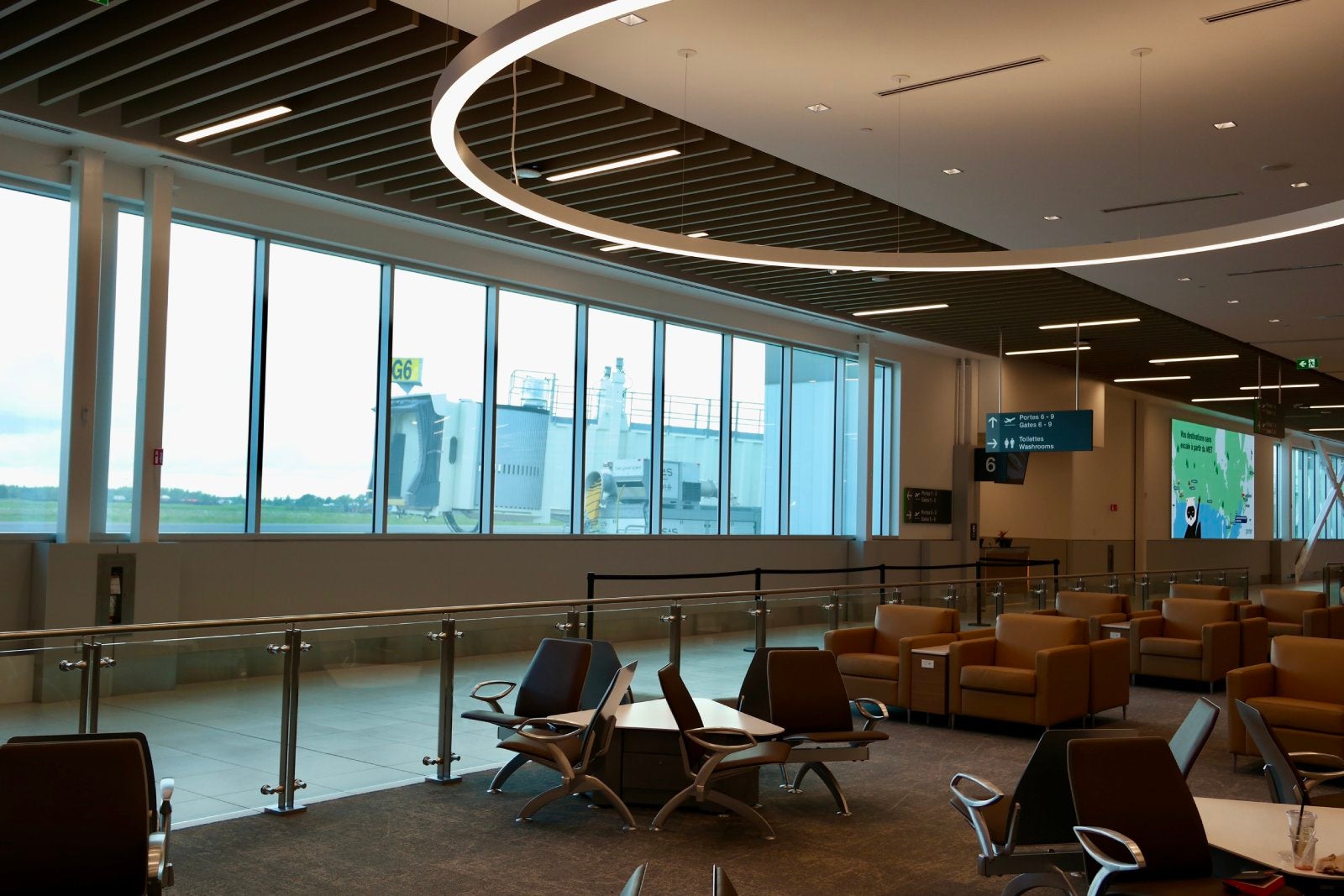
EDWARD RUSSELL FOR THE POINTS GUY

Of course, unlike a true airport lounge, there are no complimentary food or drinks; a cafe is open, and a sit-down restaurant is under construction. There is also a newsstand with the basic sundries travelers may need for their trip.

Looking ahead

Montreal Metropolitan is designed to accommodate 4 million annual travelers — an ambitious number for an entirely new terminal. Still, as nice as it is, it lacks the convenience of Porter’s Billy Bishop base in Toronto, which itself was an experiment when the airline launched two decades ago.
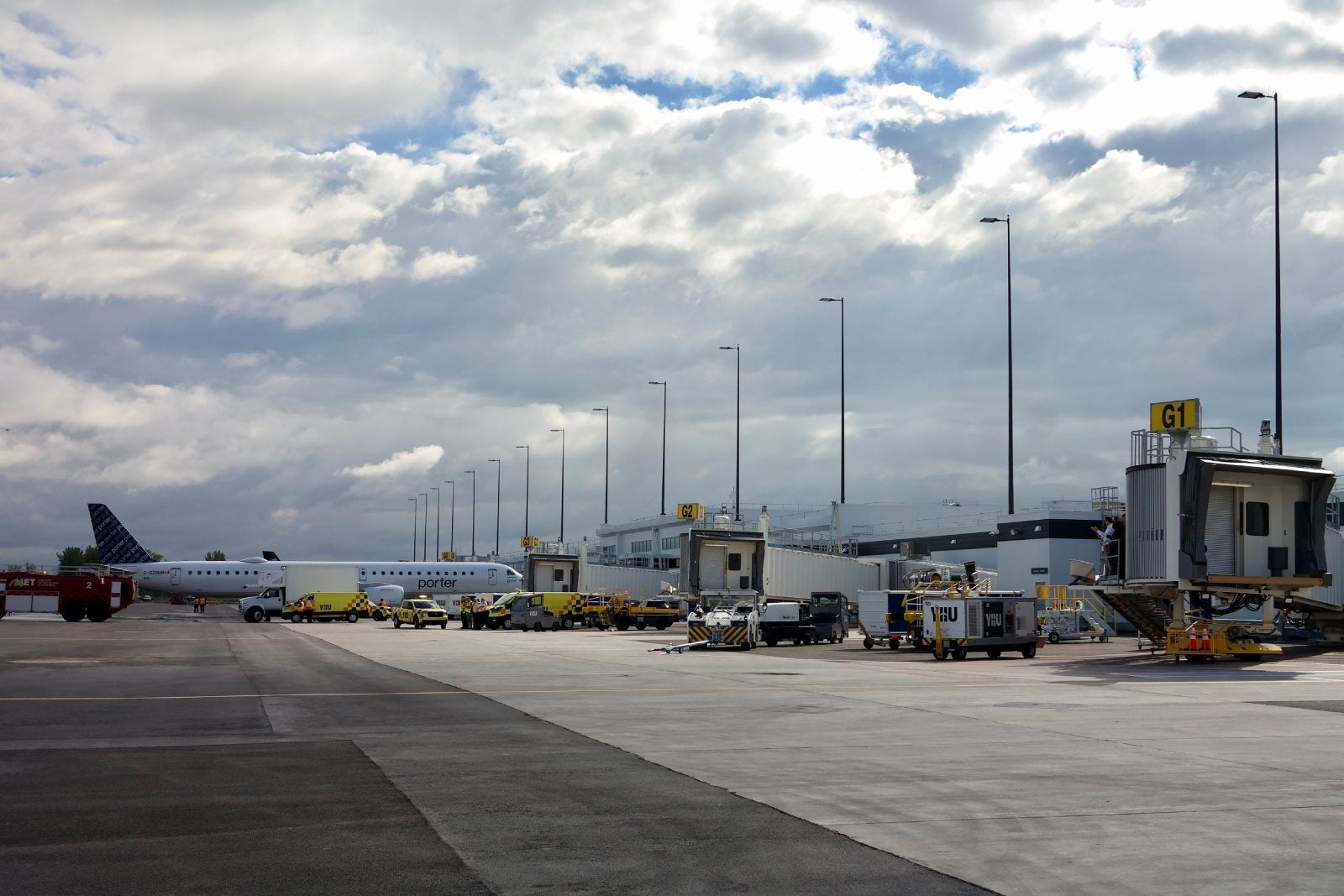
EDWARD RUSSELL FOR THE POINTS GUY

Advocates of the new YHU highlighted how a city of Montreal’s size can surely support a second commercial airport, and noted that the airport is no further from downtown than YUL (just in the opposite direction).

Plus, YHU’s location on the south bank of the St. Lawrence River, officials noted, makes it more convenient to access for around half of the region’s population.

“For Montrealers and their visitors, [YHU] is a huge asset,” Simon-Pierre Diamond, the interim president of the YHU airport authority, said.

Related reading:


Source link

Leave a Reply

Subscribe to Our Newsletter

Get our latest articles delivered straight to your inbox. No spam, we promise.

Recent Reviews


SAP EWM Process Flow – Table of Content

Introduction to the SAP EWM:

The  SAP EWM (extended warehouse management) is one of the functional modules which is used to manage warehouse inventory and supports the processing of goods movements. The SAP EWM also allows organizations to control both inbound and outbound delivery process delivery. and movements in the warehouse. The main purpose to use EWM is to manage the outbound and inbound delivery process, maintain goods receipts, solve goods issues, fulfill customer orders, and goods distributions. 

               We have the perfect professional SAP EWM Training for you. Enroll now!

SAP EWM key features:

SAP EWM signifies the major key features which are considered so important in any organization; Let us explain one by one;

  • With the help of SAP EWM, users can control the various warehouse activities such as picking, posting, managing storage, and good sales document types.
  • The SAP EWM helps you to set the alert before the goods receipt transfer from EWM to the SAP ERP system along with this feature, users are also able to perform corrections, reversal, and inbound delivery split from the SAP EWM to the SAP ERP system.
  • Users can also perform deconsolidation of the handling of various units that contain product details and their storage locations.
  • Users can also determine the storage concepts like product slotting, and optimize the goods arrangements for the warehouse automatically.
  • The SAP EWM functional module allows users to perform various tasks like work packaging, and also monitor the warehouse activities which are performed by the warehouse employees.
  • The SAP EWM also helps organizations to keep track of the vehicles, and other transportation units (it consists of a yard-in check in and yard-out checkout) activities.
  • SAP EWM also comprises storage and handling of various hazardous substances (such as SAP environmental health, and safety EHS).
  • SAP EWM allows organizations to store the labor time, and resource usage effectively( managing the resources effectively).
  • The SAP EWM cockpit allows users to perform the transportation of products to various warehouse centers.

Overview of SAP EWM Process Flow:

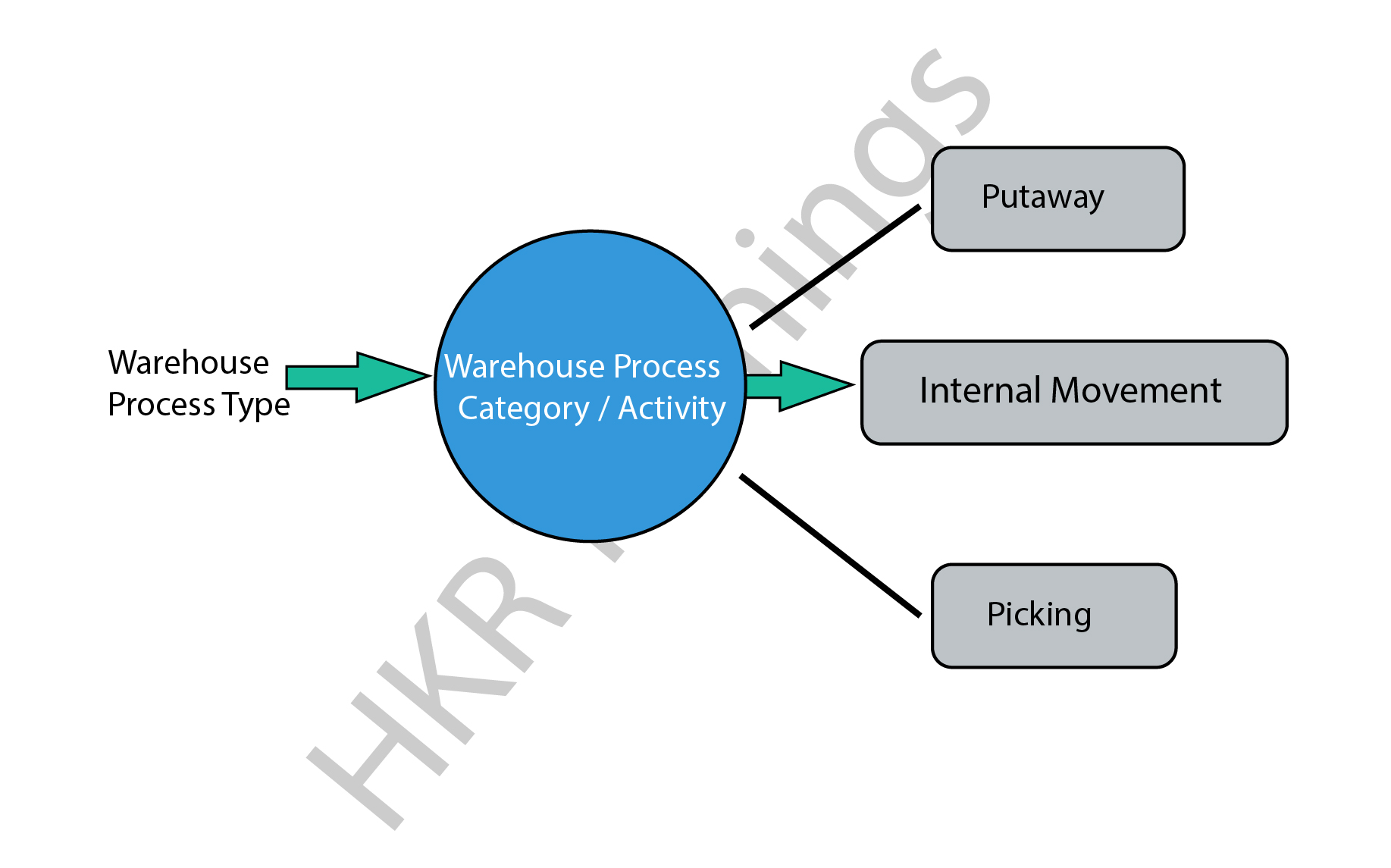
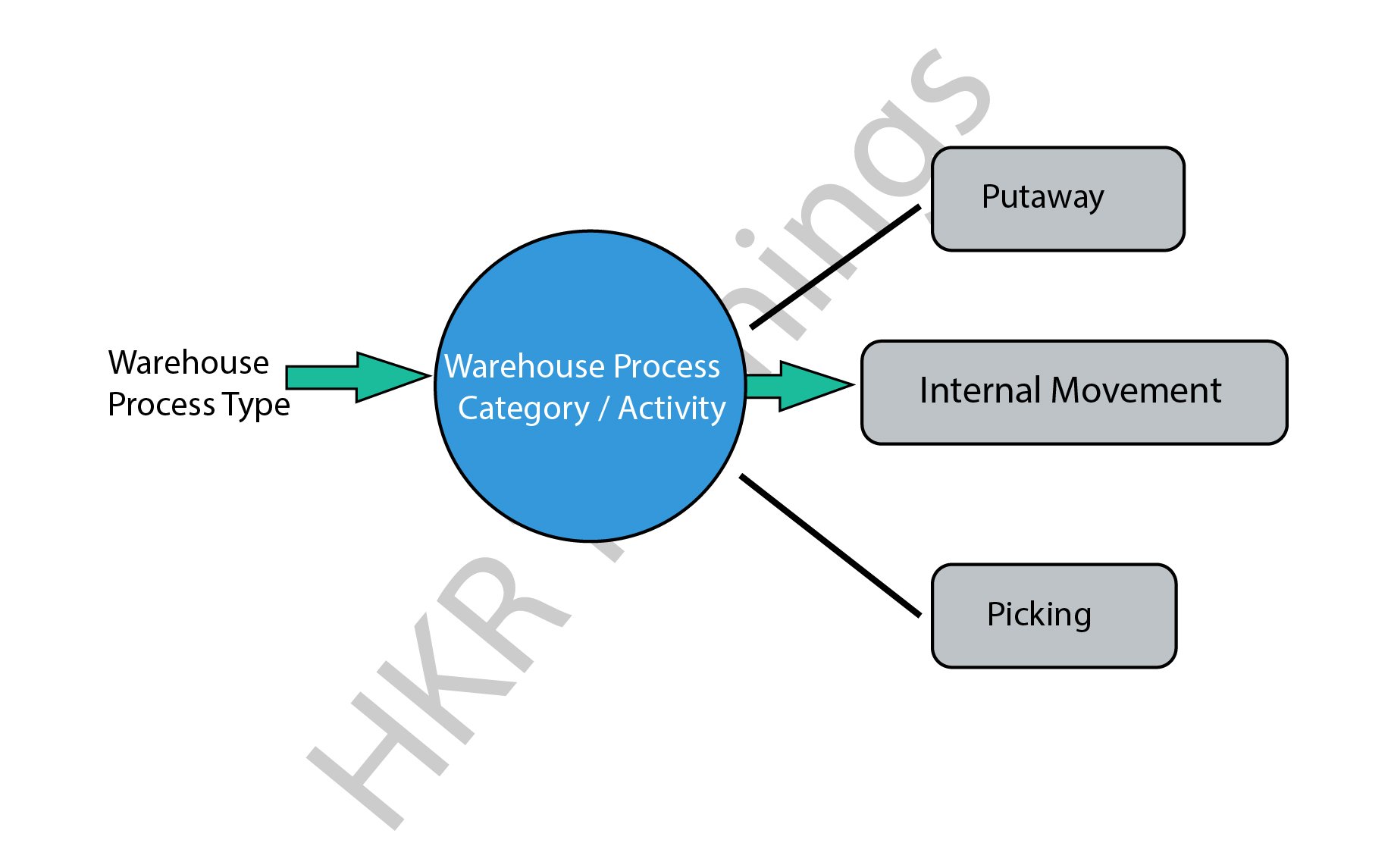
In general, SAP EWM process flow defines the type of activities that have been performed in a warehouse. We can consider the type of activities such as packing, goods receipt, goods issues, and they are assigned to each warehouse document. 

All warehouse process flow is further divided into warehouse categories. The warehouse categories also define the goods movement in the organization’s warehouses.

The following diagram explains the process flow of the SAP EWM;

SAP EWM

There are various process types also categorized in the SAP EWM system, we would like to mention them as well ;

  • Stock removal 
  • Putaway
  • Internal movement 
  • Goods receipt posting 
  • Goods issue posting 
  • Physical inventory 
  • Crossline putaway

               We have the perfect professional SAP Training in chennai for you. Enroll now!

SAP EWM Training

  • Master Your Craft
  • Lifetime LMS & Faculty Access
  • 24/7 online expert support
  • Real-world & Project Based Learning

Example 1: Here we are going to explain the internal process type for the picking type as follows;

The steps include are;

  • To create a picking type process type, go to the navigation EWM ->click on “cross-process setting” -> select warehouse tasks -> now choose to define warehouse process types.
  • You can also select the process type to copy -> then click on the copy at the top.
  • To save all the process type details -> then click on the Save button.

Example 2: internal process type for selling and receiving goods:

This process involves internal process types for selling and receiving goods/products in the warehouse. In general, the receiving goods process begins in the SAP ERP system once you have detected the purchase requisition and purchase order created. The purchase order composes the quantity of the material stored and plants in the storage location. 

There are two ways available to handle the purchase order requests;

  • Firstly you need to send the purchase order to the supplier for the goods deliveries, once you receive the goods, the receipt of the goods will keep posted.
  • Receive the order announcement from the supplier that is all about the goods arrival and purchase order request.

SAP EWM

Note: when you create the purchase order -> you can set the CTRL key to enabling the notification from the supplier. An inbound delivery will be created once you set the control. In a few cases, inbound delivery cannot be created even though you have set the control key. 

All the inbound delivery process consists of the following information;

  • Goods arrival
  • Quantity of goods
  • Store details
  • Plant location

An inbound process includes;

  • Goods receipt and optimization 
  • Transportation unit inspections
  • Quality inspection 
  • Routing of goods in warehouse 

The following image illustrates the inbound delivery process flow,

 inbound delivery process flow

Points to remember:

  • Whenever you make any changes to the inbound delivery, it will affect the SAP system.
  • The status of the inbound delivery report can be updated as per goods delivery.
  • Successful completion of the goods delivery report will also be updated on the SAP system.

          If you want to Explore more about SAP EWM? then read our article – SAP EWM Tutorial

HKR Trainings Logo
Subscribe to our YouTube channel to get new updates..!

SAP EWM outbound delivery process flow:

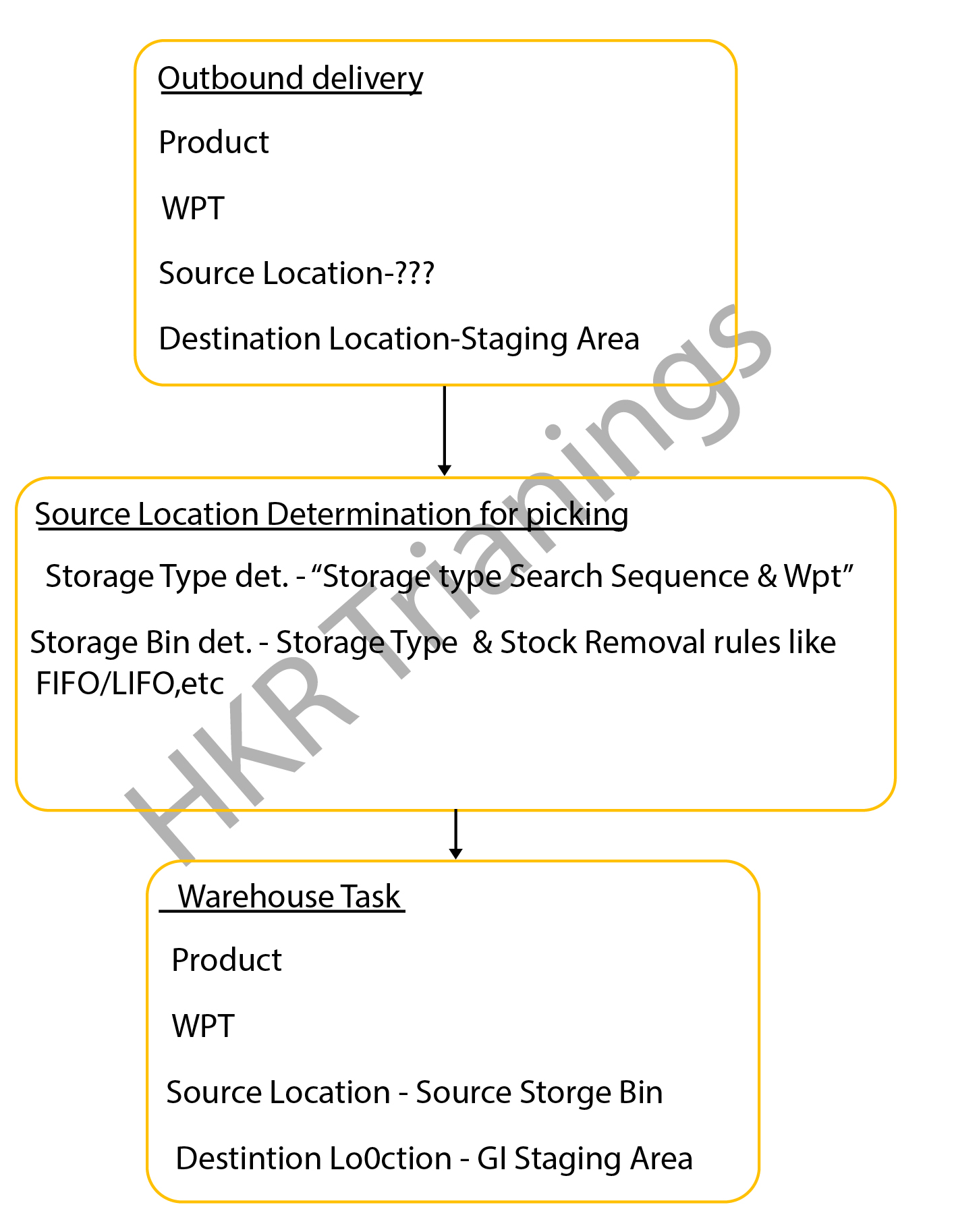
The SAP EWM outbound delivery process flow can also be known as the “Picking process”. This process type in the SAP system defines the store bin types in the warehouse. The outbound delivery process also helps to remove the stocks in the outbound goods issue process, this process is often known as the “picking process” in the SAP system.

The below diagrams explain the outbound delivery process in detail;

outbound delivery process

The types of the outbound delivery process;

  • Customer sales order: An outbound delivery process can be created with reference to the sales order to perform various tasks like picking products from a warehouse bin, packing the picked products, and resolving the goods issues which are related to the shipment.
  •  Stock transport order: this step involves moving the goods within the organization once the supply management issues it and receiving the receipt. The outbound delivery process can be created at the supplying plant, goods packed, shipment, and delivery of the products.
  • Vendor returns order: The return order is created within the ERP system if the product delivered failed to meet the customer’s expectations. 
    Production staging process: in this stage, the appropriate raw materials will be picked from the warehouse bin that is completely based on the order picking strategies and then moved to the production supply area. 

The following image explains the types of the outbound delivery processes and overall functionalities;

overall functionalities

The important documents created during the outbound delivery process;

  • Outbound delivery order: this document popularly known as the warehouse request is the source document that usually initiates the picking activity while creating a specific task.
    Warehouse task: The warehouse task consists of information like source bin, quality, search, batch, and destination bin. 
  • Warehouse orders: The warehouse orders are also the documents that are assigned to a warehouse employee to execute the product picking tasks at a specific time. The steps included in the storage bin determination in the SAP picking process:The storage bin ty             

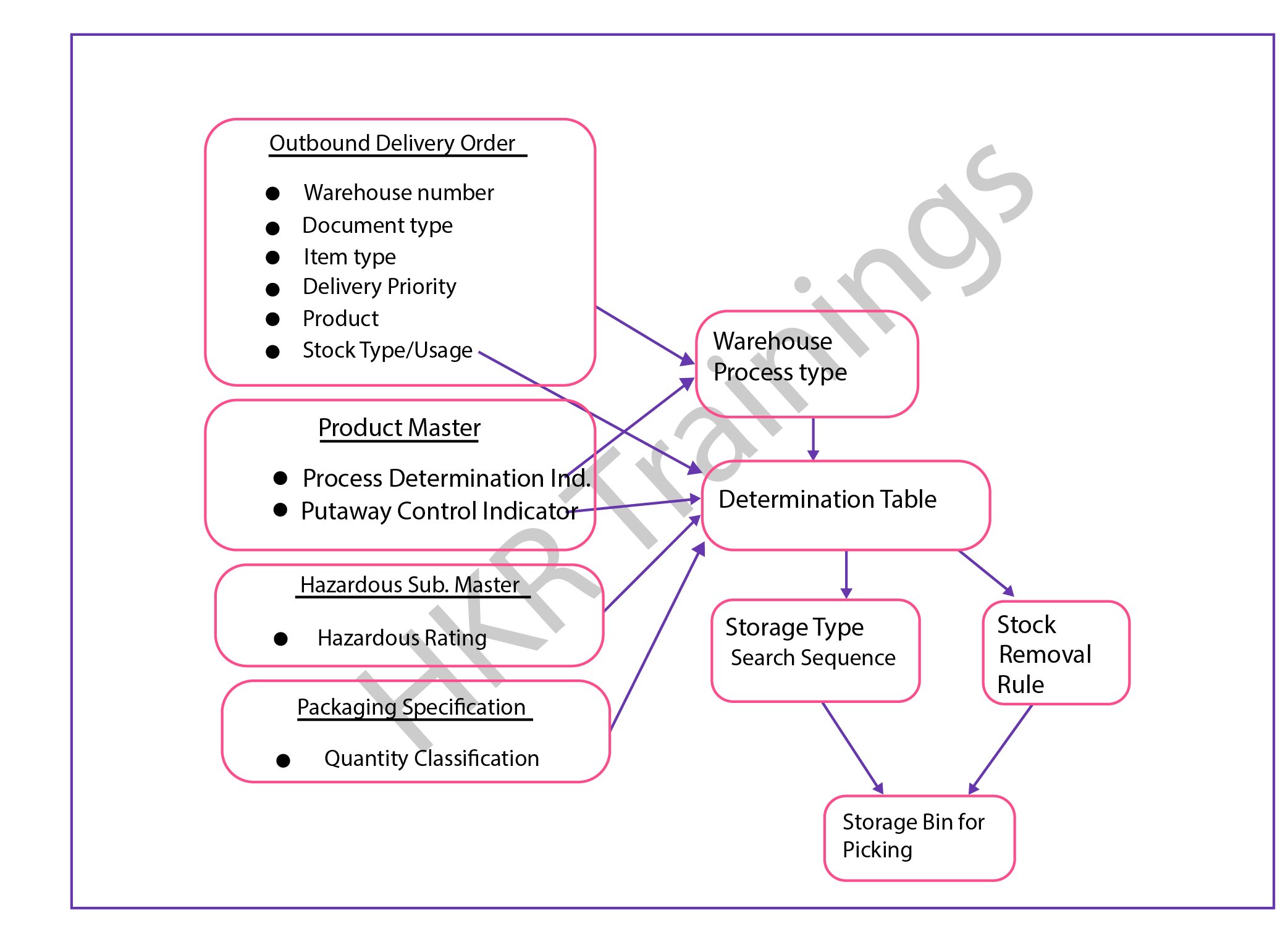
The steps included in the storage bin determination in the SAP picking process:

  • The storage bin type determination in the SAP picking process:The configuration process consists of the following parameters;Warehouse process types, stock removal control indicator (this will be maintained in the master data process), and packing specifications.
  • Stock removal determination type in the SAP picking process;This process can be performed based on the system looks available for the storage type or group of the storage types and the storage area where the stocks can be picked. 

The overall outbound determination process is shown below,

outbound determination process

                              frequently asked SAP EWM Interview Questions and Answers

SAP EWM Training

Weekday / Weekend Batches

Final note:

The latest survey report suggests that the SAP EWM is emerging as a powerful warehouse inventory management tool. The SAP EWM process flow plays a vital role in delivering efficient outcomes and also managing the storage bin. Our main aim to design this SAP EWM process flow article is to reach a global audience and shape their professional careers. This SAP EWM process flow article helps you to know both the inbound as well as process flow activities and how to perform them in the organizations to maintain the proper inventories.

Related Article:

  1. What is SAP EWM?
  2. SAP EWM Certifications


Source link