Google Health Finally Recognizes the Value of Naps


Google is ready to recognize iOS users’ cat naps. 

After the latest update to the Google Health app, naps greater than 20 minutes will now count toward your 24-hour total sleep duration in the app’s Sleep tab. You’ll still be able to see sleep trends over time for your main sleep session, like your longer nighttime stretch. Your main sleep session and naps will be available in separate tabs in your Sleep Score — Google’s single metric of how well you slept. You can use the metric to monitor your sleep trends over time.

The update, version 5.03, is now available for both Android and iOS users who use the Google Health app. For the 5.02 release, Google said Android users would be able to find and view recorded naps more easily. It let you see naps on separate tabs in your daily Sleep Score view. With the 5.03 release, that functionality comes to iOS as well.

Now you’ll get more credit for your naps, but do naps really help restore your body? A February 2026 study in the journal NeuroImage indicated they could. Researchers evaluated 20 adults in a sleep lab study in two sessions. They took a one-hour afternoon nap, and the researchers assessed several brain and muscle functions, including the communication between the brain and muscles and how well the brain rewires itself to learn. The study found that a nap — even a short one — can help restore those brain functions. 

But what counts as a nap for Google is still questionable. Will dozing off on your couch or at your desk for 20 minutes count toward it? In the future, I’m curious whether the app will distinguish nap quality rather than being duration-based. Google didn’t immediately respond to a request for comment. 


Source link

Leave a Reply

Subscribe to Our Newsletter

Get our latest articles delivered straight to your inbox. No spam, we promise.

Recent Reviews


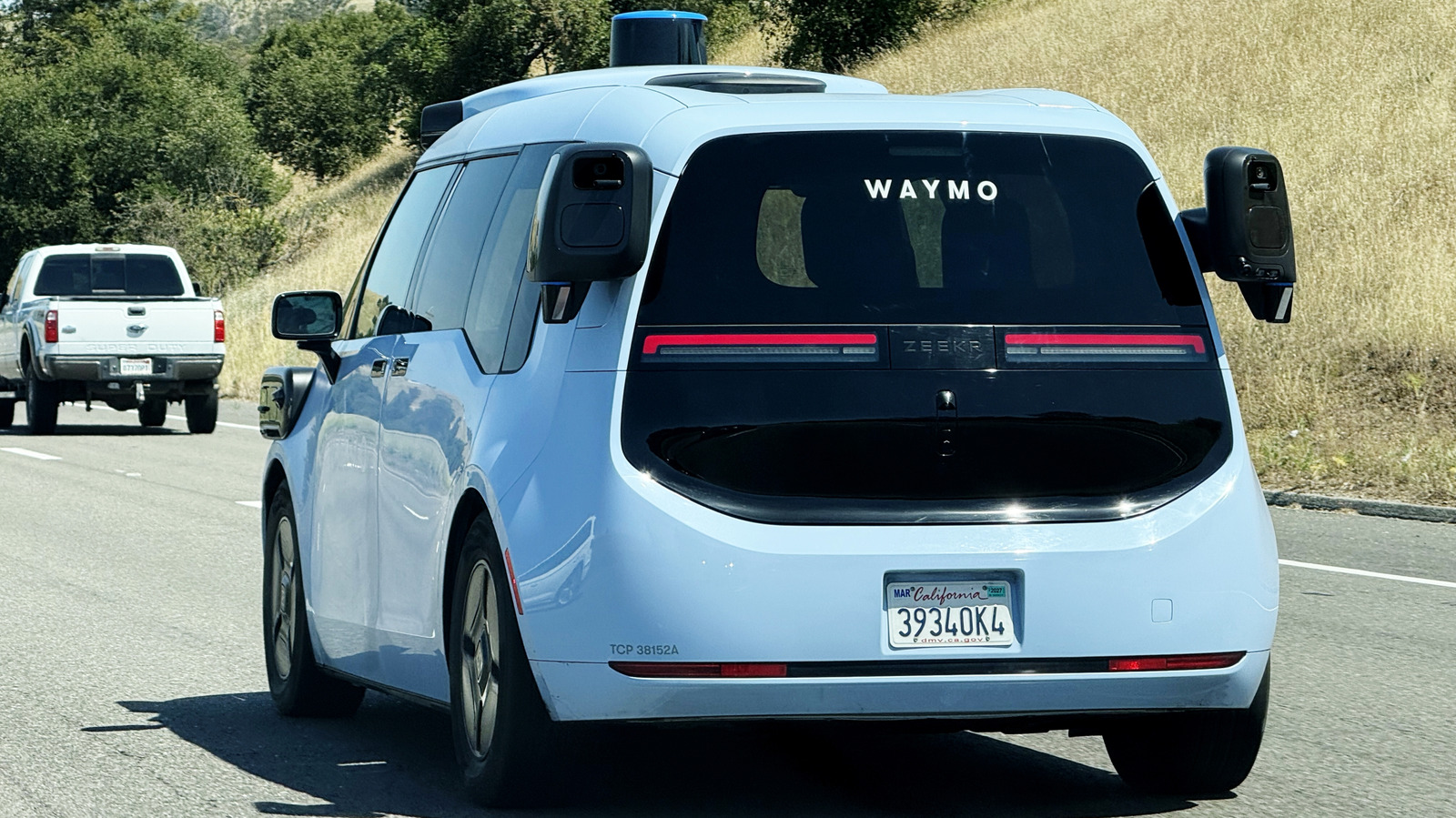
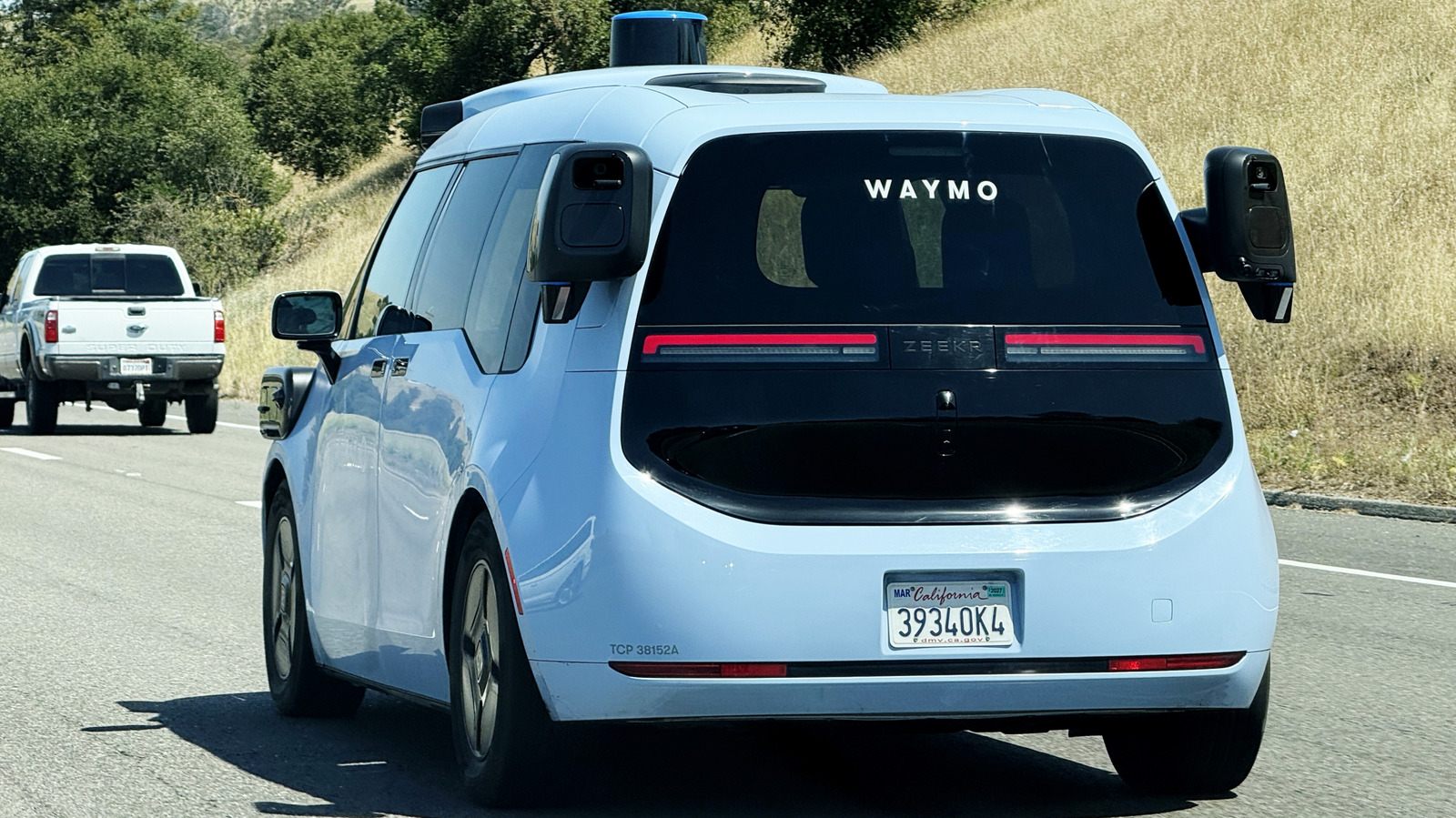
Waymo — the Alphabet-owned driverless taxi service which has seen a rapid expansion in recent years — is rolling out a new rewards program today. 

The service is called Waymo Premier, and it promises priority pickups along with a 10 percent in-app rebate applied to future rides. Subscribers will also get fee-free cancellations, though only up to five a month. Lastly, Premier gives subscribers the chance to be among the first to use Waymo in new cities as the service expands, which is certainly one way to reframe the concept of paying to beta test those new coverage areas.

The asking price for all of this is $30 a month, and that’s where Waymo Premier feels like it’s jumping the shark. Uber One, the loyalty service for Waymo’s human-driven competitor, is only $10 a month but gets you discounts on hotels, car rentals and food delivery, in addition to 6 percent in-app credits on rides. You even get 10 percent of a car rental cost credited to your Uber account. 

Meanwhile, Lyft offers Lyft Pink, which also costs $10 a month and gets you 5 percent off Standard rides along with free priority pickup. The whole point of eliminating the driver from a taxi service was supposed to be saving on human labor costs, but when you’re putting drivers out of a job and charging the customer three times as much, it’s fair to question where the value of Waymo Premier is hiding.

It’s not as if you’ll offset the inflated price of Waymo Premier by riding with robots, either. As found by rideshare data analytics firm Obi in a June 2025 report, a ride with Waymo is much more expensive on average than the same ride taken with Uber or Lyft. So, you’re paying more for the subscription and more per-ride, all to be carted around by a self-driving system that still needs human intervention from remote workers. It’s not exactly the deal of the century, and you never know when your ride will crush a beloved neighborhood cat to death.

Which brings us to the many, many times Waymo has been in the news for the wrong reasons recently. It’s not that Uber and Lyft are problem-free  — late last year, the New York Times uncovered that Uber allowed violent felons to drive with its platform, not to mention all the sexual assault complaints and lawsuits against the company. There are valid reasons to want no one else in the car with you, especially if you’re a lone woman or a member of a marginalized community. If a bear is preferable to a man, so is a car that might drive directly through a guns-drawn police standoff or flee from police with you inside. But there’s no reason to pay $30 more for the privilege each month on top of the already inflated ride fees, especially when Waymo has had to recall software for its entire fleet as recently as last month following dangerous behavior during a flood in San Antonio, Texas.


Source link