Medically reviewed by Robert Burakoff, MD
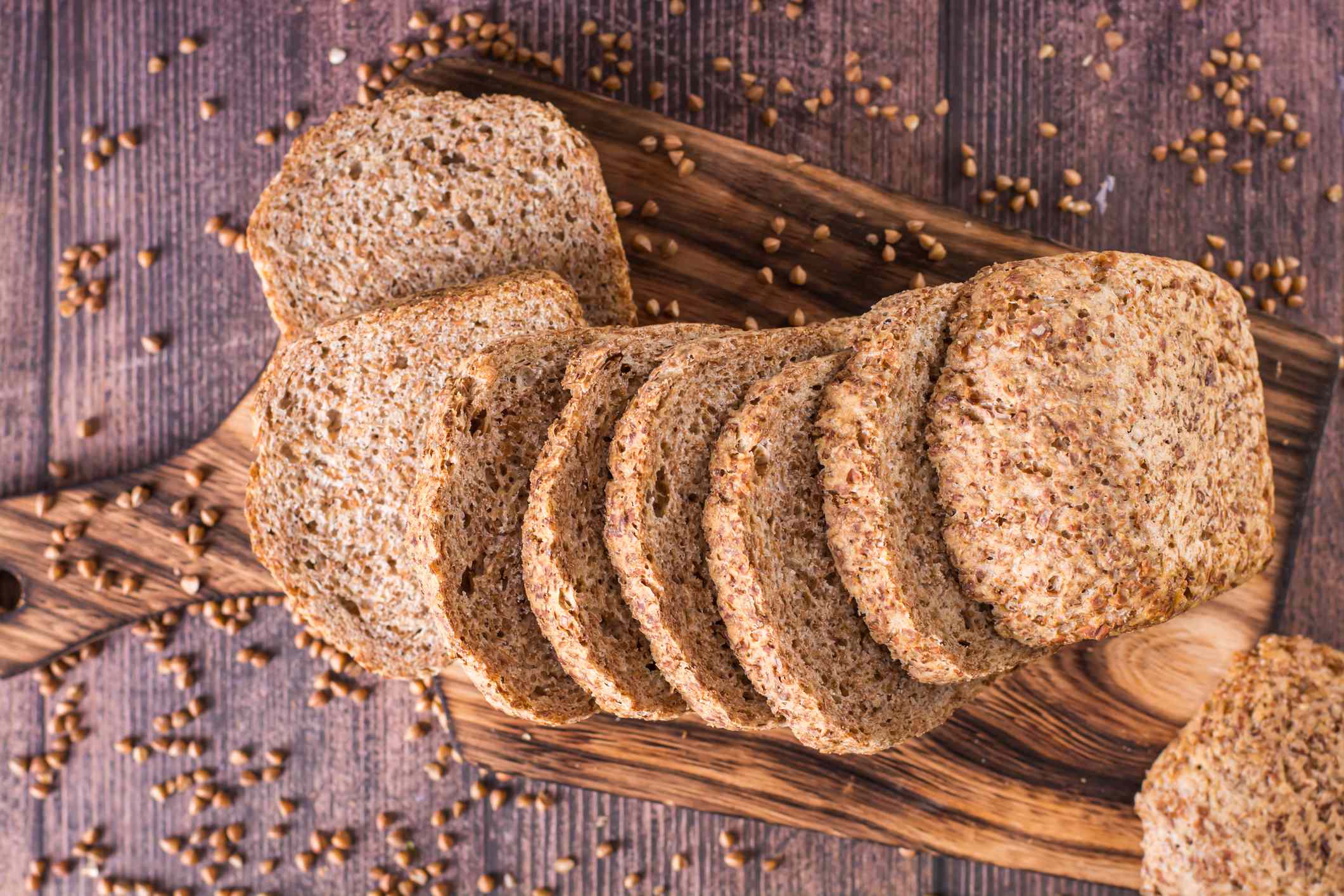
:max_bytes(150000):strip_icc():format(jpeg)/Health-GettyImages-GlutenFreeBread-a4583a9cf6ce41d9908c6787443fe293.jpg "Close up of sliced buckwheat bread on a cutting board and cereals on the table")
- Gluten is safe for most people, but those with celiac disease, gluten sensitivity, or wheat allergies should avoid it.
- Many gluten-free breads contain more additives and less fiber or protein than traditional whole grain breads.
- Whole grain and sourdough breads can support gut health because they provide fiber that helps nourish healthy gut bacteria.
Gluten-free bread is commonly considered a healthier choice, especially for gut health. But is this actually the case? The truth may be more nuanced than you might think, according to experts.
What Gluten Actually Does in the Body
Gluten is a type of protein found in wheat, barley, and rye that offers structure, support, and elasticity to food. It also supports health in the same ways as other proteins—encouraging muscle, hormone, and tissue health. It also helps promote fullness and stable blood sugar levels by slowing digestion and boosting immunity.
Most people do not experience gastrointestinal (GI) discomfort as a result of eating gluten—it’s typically digested like any other food you’d eat. “Enzymes in the small intestine break gluten down into amino acids that the body can absorb and use normally,” Samina Qureshi, RDN, LD, CSDH, digestive health dietitian and founder of Wholesome Start, told Health. In fact, Wendi LeBrett, MD, a board-certified gastroenterologist, told Health that approximately 95 percent of the population tolerates gluten just fine.
However, this isn’t the case for everyone. One percent of the population has celiac disease, "an autoimmune condition where gluten triggers the immune system to attack the lining of the small intestine," said LeBrett. Consuming gluten with this condition can lead to symptoms like diarrhea, bloating, abdominal pain, joint pain, headaches, and even malabsorption of nutrients like iron and B12, potentially resulting in anemia.
Another one to two percent of the population has non-celiac gluten sensitivity or non-celiac wheat sensitivity. With these, the same GI symptoms may be present, but an autoimmune reaction won’t be. "These individuals will have normal findings on blood tests and intestinal biopsies used to diagnose celiac," said LeBrett.
Who Should Avoid Gluten (and Why)?
Those with celiac disease, non-celiac gluten sensitivity, and non-celiac wheat sensitivity should steer clear of gluten-containing products—as should those with wheat allergies.
"Wheat allergy is an allergic reaction in which the immune system produces an antibody-mediated response to proteins found in wheat," Stephanie Mendez, RDN, RYT, CPT, GI registered dietitian at the Cedars-Sinai GI Motility Center in Los Angeles, told Health. Consuming gluten with a wheat allergy may result in vomiting, diarrhea, skin rash, nasal congestion, hives, swelling, and even life-threatening anaphylactic shock.
Is Gluten-Free Bread Healthier? Not Necessarily
Gluten-free bread has successfully been marketed as a healthier choice for everyone, but this isn’t necessarily the case.
In fact, Qureshi explained that many brands require extra starches, gums, additives, salt, sugar, or fat to recreate the texture and taste of conventional bread. This may result in a low-fiber, low-protein product that contains nutrients we generally want to limit for optimal gut health, such as added sugar and certain gum-based additives that can negatively impact the gut microbiome.
In contrast, traditional wheat-based bread often uses just a few simple ingredients, such as flour, salt, water, and yeast (or a sourdough starter). One hundred percent whole-grain loaves are also quite nutritious. "Many traditional whole grain breads naturally provide more protein, fiber, and fortified nutrients than their gluten-free counterparts," Qureshi said.
That said, nutrient-dense gluten-free options are becoming increasingly available. These often feature ingredients like psyllium husk, chia seeds, flaxseed, or whole-grain gluten-free flours that boost protein, fiber, healthy fats, and micronutrient content—naturally supporting gut health through their higher fiber content.
The Gut Health Factor
Fiber is one of the most important nutrients for supporting a healthy gut.
This complex carbohydrate—particularly soluble fiber—acts as food for the healthy bacteria in the gut microbiome. "When bacteria in the gut break down fiber, they produce byproducts such as short-chain fatty acids that support the lining of the gut cells by reducing inflammation and improving immune function," said LeBrett. Plus, fiber improves microbial diversity in the microbiome, supports digestion by moving food through the GI tract, and offers protection against GI-related cancers, such as colorectal cancer.
Sourdough whole wheat bread may be even better tolerated in terms of gut health, especially for those sensitive to gluten. This is because the fermentation process involved in making sourdough bread pre-digests, or breaks down, some of the wheat components—including gluten. In fact, research has shown that sourdough bread contains less gluten than regular wheat bread.
Many gluten-free breads fall short in fiber content compared to regular bread—sometimes up to three grams less per slice, brand dependent. Those without a medical need to be gluten-free may miss out on gut health benefits by opting for gluten-free bread over whole-wheat bread.
That said, many gluten-free breads now have boosted fiber content through featuring whole-food ingredients like nuts, seeds, and gluten-free whole grains.
What to Look for in a Gut-Healthy Bread
Gut-healthy bread is available in both gluten-containing and gluten-free varieties.
Mendez highlighted the importance of assessing individual gut health needs prior to purchasing bread. "For example, if someone has a GI condition that is not celiac disease and is currently in a flare, a more refined, lower fiber bread such as white bread, sourdough bread, or certain gluten-free breads may be better tolerated," she said.
For those who can tolerate gluten (and fiber), sourdough whole-grain bread with at least three grams of fiber per slice will help promote gut microbiome diversity, microbiome vitality, gut-related disease prevention, and overall digestion.