The Minneapolis City Council will host two hearings this week to hear the public’s feedback as it considers repealing the longstanding ban on adult bathhouses and venues where people can have sex.
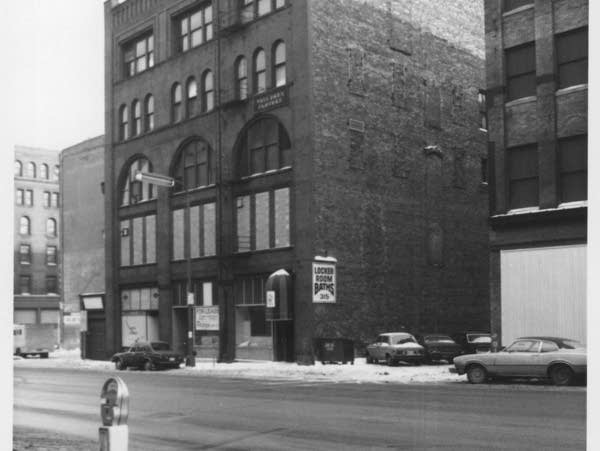
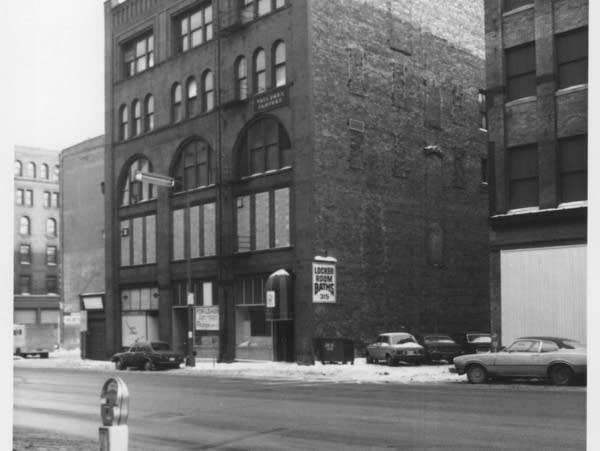
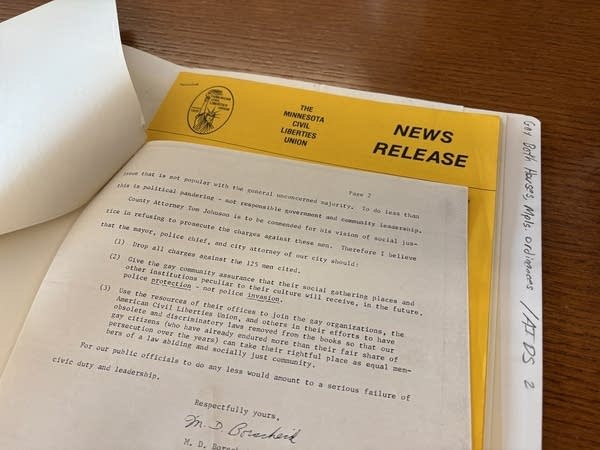
Adult bathhouses are community spaces that were historically frequented by gay men in the 1970s and ‘80s where people could engage in sexual activity or relax after going out to bars. They were banned in Minneapolis in 1988 during the AIDS epidemic.
In March, ordinances that together would repeal the ban were introduced to the council, and they were referred to city staff in April to research.
Currently, the ban prohibits any private businesses from allowing “high-risk sexual conduct” on the premises. The term is defined as “anonymous sex, sex with more than one partner or multiple partners and inconsistent condom/barrier use during sexual activity.”
On Tuesday, the public will be able to comment on license and business regulations for adult bathhouses and sex venues. The proposed changes would specify how these venues can be designed, such as rules on partitions, curtains and stalls.
Advocates expect the Wednesday hearing to draw the most public comment because it deals with the ordinance that currently holds the ban. The hearing will focus on the ordinance about health and sanitation, specifically updating what advocates call stigmatizing language. The ordinance would move building standards from the ordinance that oversees “high-risk sexual conduct” to the one regulating adult entertainment venues, like strip clubs.
According to city documents, the ordinances being considered would not automatically legalize venues like bathhouses where people can have sex, but they would lay the groundwork so the city could develop a regulatory framework to allow sex venues in the future.
Dylan Boyer, director of development at the Aliveness Project and member of the steering committee for the Safer Sex Spaces Coalition dedicated to overturning the ban, said sexual gatherings like what occurred in bathhouses didn’t end because of the ban, they just got moved to different places.
“These types of parties and gatherings around pleasure and sex and bodies and community — it's already happening. With this ordinance in place, what it has done is pushed people into unsafe spaces,” he said.
He hopes that if the ban is lifted, the Aliveness Project can work with future bathhouses to educate guests about sexual health like rapid HIV testing and the medication PrEP, which when taken consistently reduces the chance of HIV by about 99 percent.
“For some folks, they will never step foot in a place like Aliveness because of that stigma that, like, ‘Oh, if I walk in there, then they are going to know that I’m gay,’ or, ‘Somebody might see me’ — there’s a lot of fear of walking into these spaces. And they may not have that same fear walking into a bathhouse but still be able to find those resources there,” Boyer said.
San Francisco overturned its adult bathhouse ban and went on to legalize sex venues under extensive regulations. Advocates say Minneapolis is an outlier for not allowing bathhouses, as other major cities that have them include Chicago; Fort Lauderdale, Fla.; Cleveland, Ohio; Berkeley, Calif.; Dallas, Texas, and more. And a bit to the north, Duluth also has one.
Six of the 13 Minneapolis City Council members co-sponsored the proposed ordinances, but some of the others have so far signaled opposition. During the April 9 city council meeting, member Linea Palmisano said she was concerned about the ban being included under the adult entertainment ordinances, which she previously worked to change.
“Those adult entertainment ordinance changes were very much so particularly women in adult entertainment institutions were safe from sexual assault, they were safe from people crossing a line into sexual activity. If this were to piggy back on it then I don't think that’s a good place for that,” she said.
Council member Elizabeth Shaffer questioned if spending staff time and dollars at the time on researching the ordinances was worth it.
“These resolutions are simply disconnected from the reality of everyday residents and people trying to do business in our city,” she said.
Council member Jason Chavez, the only out LGBTQ+ member of the council, encouraged members to be careful with their language while discussing the ban during the meeting.
“LGBTQIA+ gathering spaces including bathhouses have long been targeted by criminalization and policing and our communities have had to pay a price for that. I'm hearing my colleagues who are concerned about priorities or why this is even an issue. The deeper question is whose priorities count and whose priorities matter,” he said.
“If we are telling LGBTQ+ Minneapolis residents that they do not matter and their safety does not matter and that their health does not matter and that our community spaces do not matter, that is very harmful and that is not OK.”
Both hearings take place at 1:30 p.m. The council will discuss the ordinances at the next council meeting on June 23 and will take a vote before the end of the month.