Even in the big-budget world of audiophiles, it’s rare for a pair of headphones to run more than $500. The FoKus Apollo headset already commanded a pro-tier price when it debuted, but now Noble Audio is releasing an actual pro version of the headset. By and large, the specs between versions are pretty similar, which makes the small price bump between models a little less surprising. The original set retailed for $649 at launch, and the FoKus Apollo Pro will debut at $699. The headset will go on sale globally later this week.
Our review of the original FoKus Apollo headphones found that the company’s goal of attaining the best possible sound quality was largely accomplished thanks to its unusual approach to drivers. The FoKus Apollo Pro leverages the same hybrid driver tech, combining a dynamic driver for powerful bass and a planar magnetic driver to provide clarity and detail. There didn’t seem to be more to improve on for the base model in terms of audio performance, but the Pro does add updated acoustic tuning for getting things as perfect as possible.
The main area where Noble appears to be pushing the Pro designation is in materials. The headset already had pretty premium build quality, but things are apparently even more high-end for the fabric, cabling and metal accents. The most substantial shift appears to be in the ear cups, which the company says have been changed for increased comfort.
Unfortunately, it doesn’t seem like the company is introducing much in the way of new features, which was our big concern back in 2025. There’s no sign of upgrades to the set’s active noise cancellation, which fell short of our high expectations, and the Pro is also running the same Qualcomm QCC3084 chipset as the original. Common capabilities we’d hoped for such as wear detection or spatial audio support aren’t mentioned in the release either. Noble dubbed the Pro a “limited-run” device, but didn’t specify just how limited this swanky upgrade option will be.
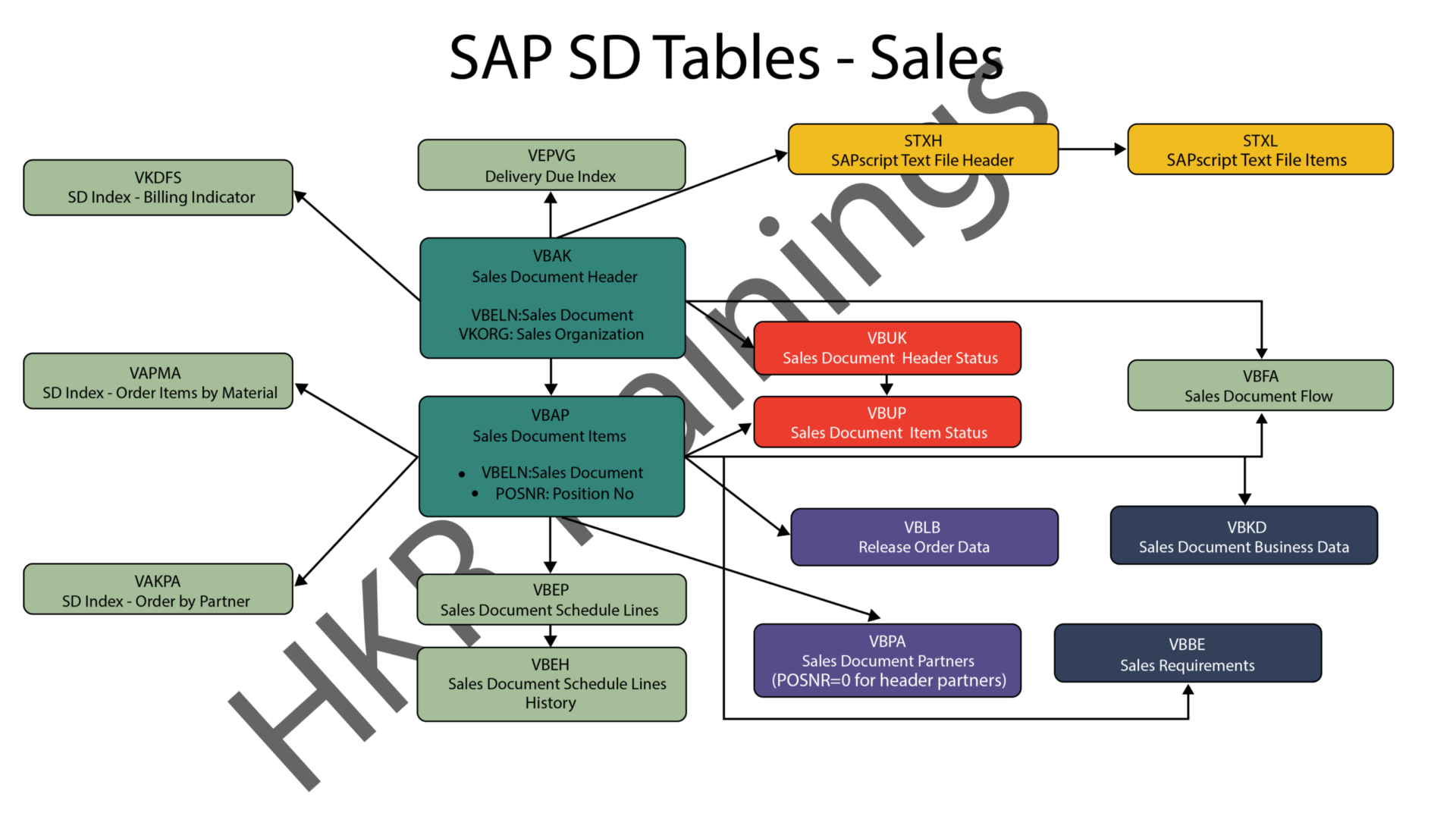
The SAP SD module is built on tables and uses them to store data. We’ll go through SAP SD tables and their relationships in this tutorial. SAP SD tables are critical storage for corporate data connected to SAP ERP software’s sales and distribution activities. The SD tables are basically divided into three parts:
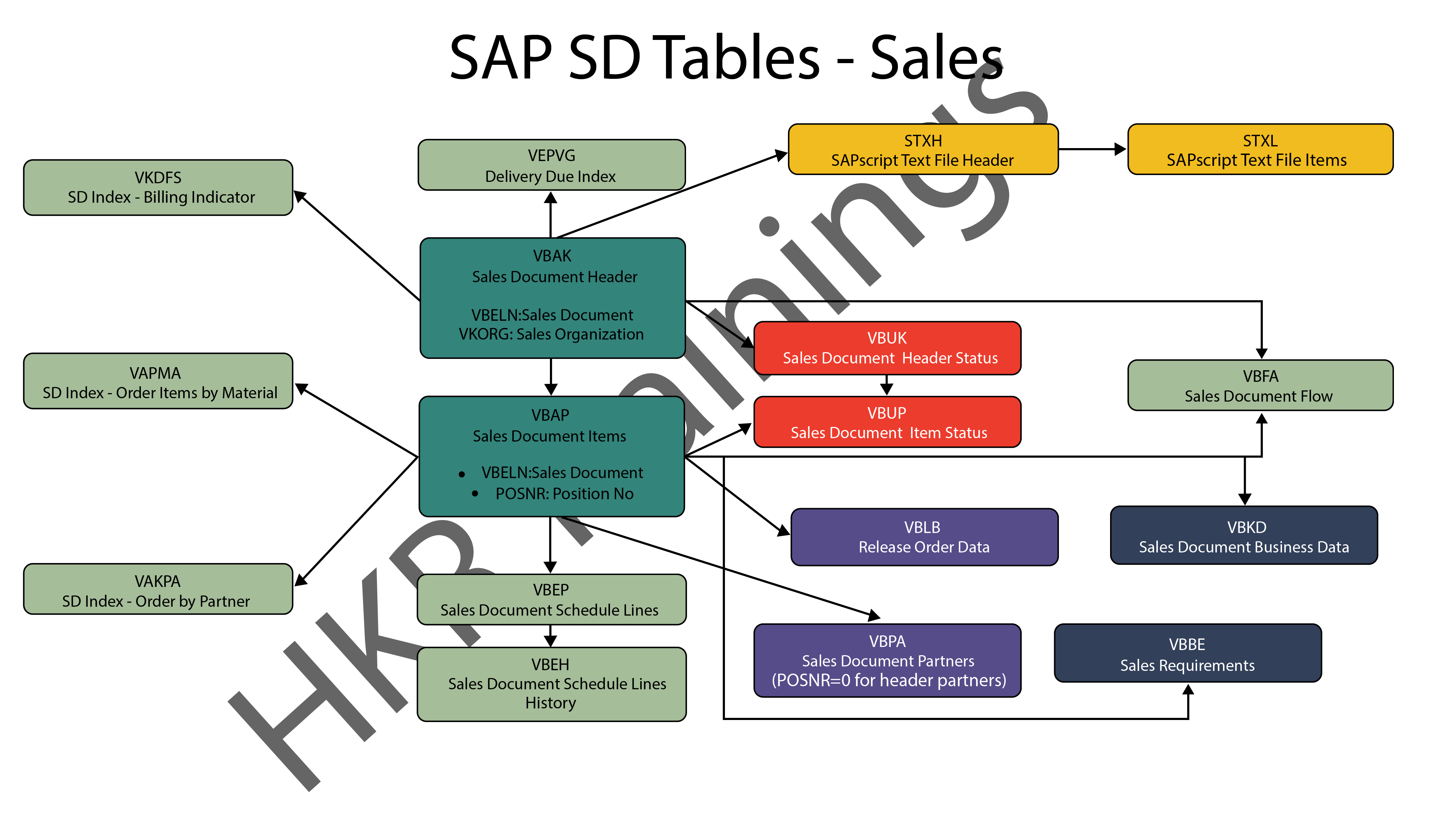
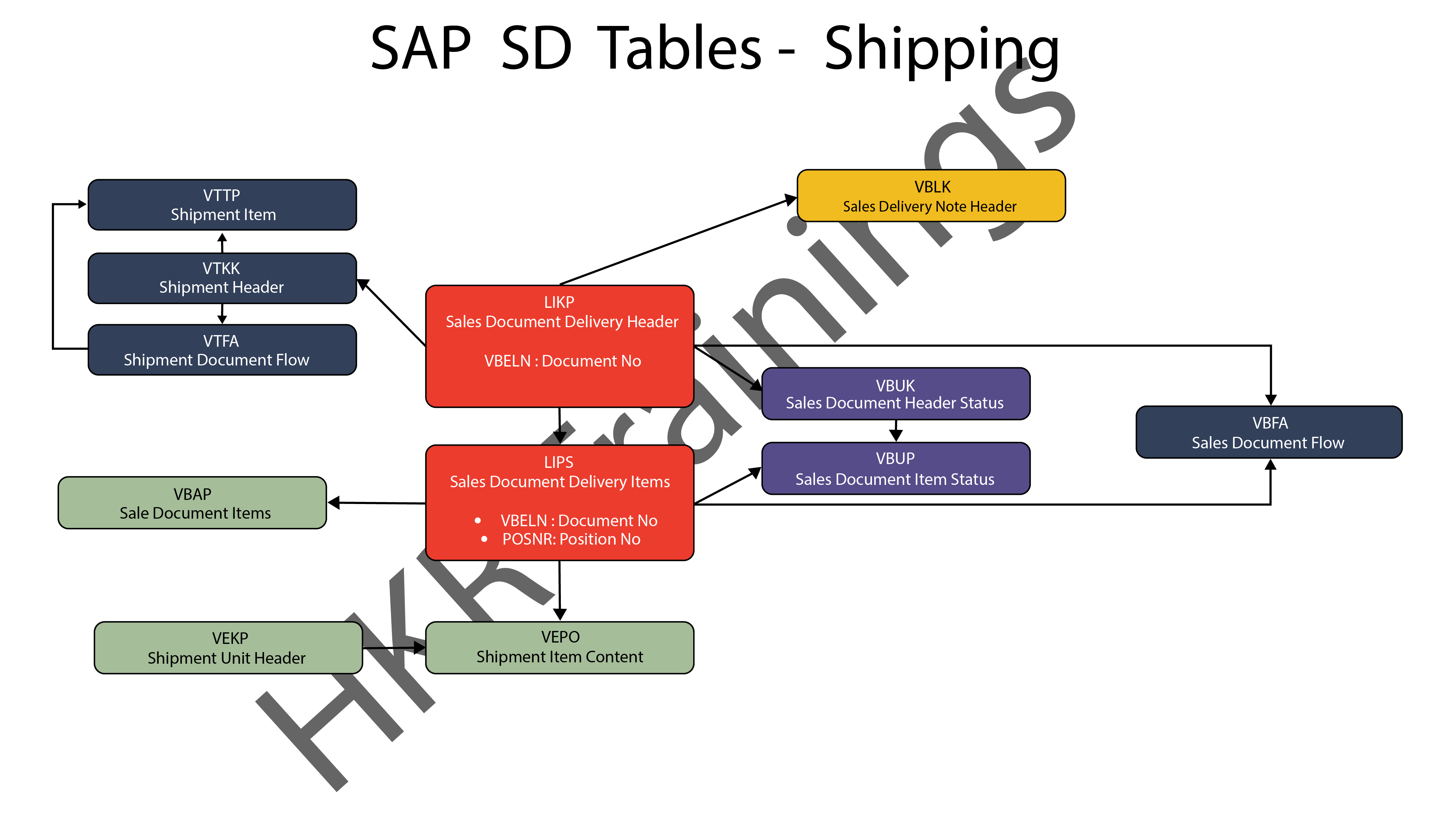
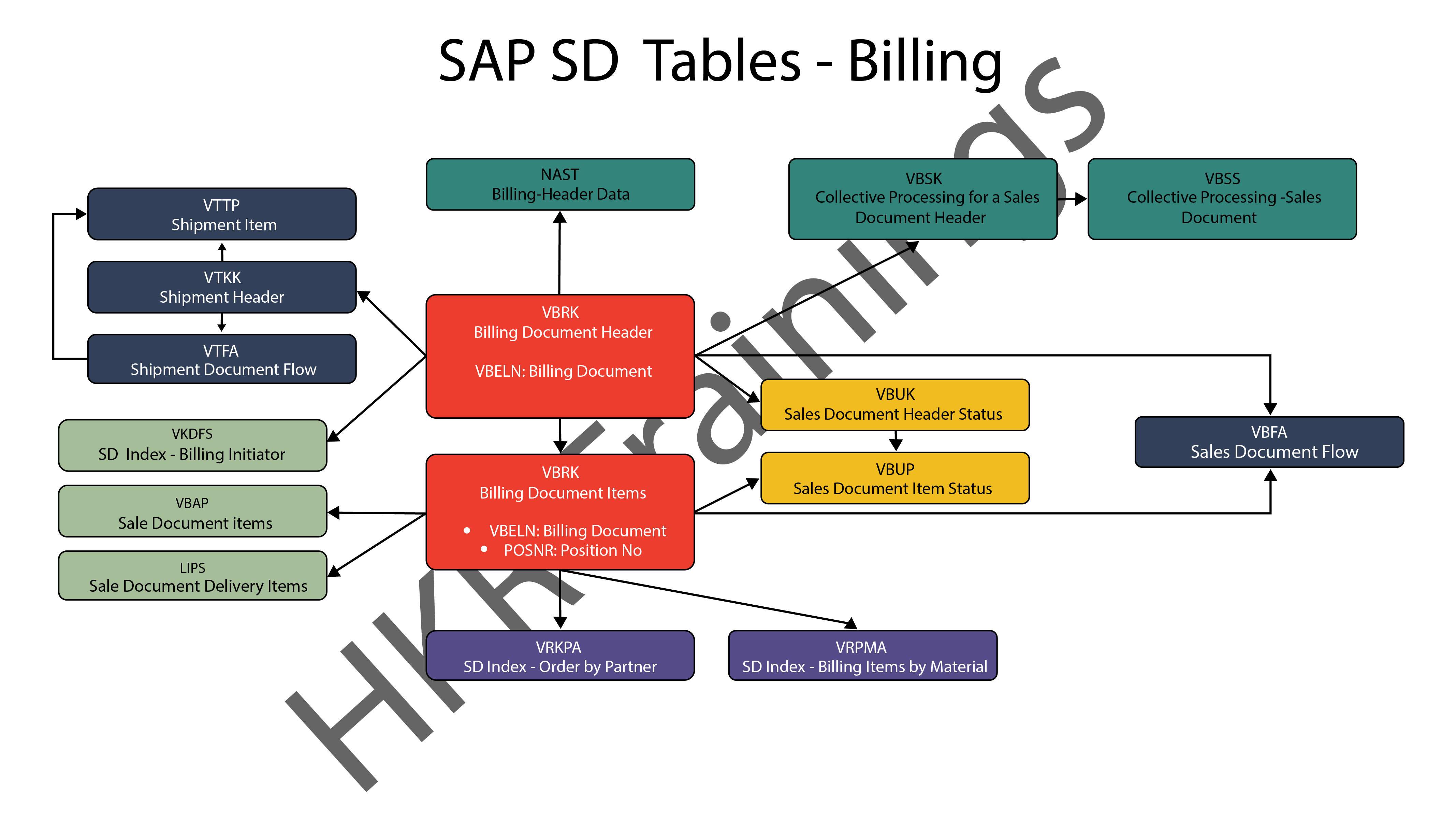
These are the SD module’s building blocks, and it’s only natural to address tables in this sequence. Please look at the slides to see how the tables from different blocks were connected. Being an expert in SAP SD necessitates an understanding of these relationships.
Become a SAP SD Certified professional by learning this HKRSAP SD Training!
1) Sales
In SAP SD, the first block is about sales procedures.This indicates that the SAP SD tables in this block would be related to sales orders, quotations, and other similar transactions. We designed a visual slide that lists all of the tables and their relationships.
2) Shipping
ThIs section is about SAP SD’s shipping processes. In this section, SAP SD tables deal with inbound and outbound deliveries, as well as shipments. Likewise, we’ve created a visual slide with links illustrating table relationships.
SAP SD Training
Master Your Craft
Lifetime LMS & Faculty Access
24/7 online expert support
Real-world & Project Based Learning
3) Billing
The billing feature of SAP SD is the last but not least. SAP has a variety of tables which are used to support a company’s billing procedures. Billing documents, as well as other related data, such as output conditions, are saved in these tables by SAP.
To provide the best experiences, we use technologies like cookies to store and/or access device information. Consenting to these technologies will allow us to process data such as browsing behavior or unique IDs on this site. Not consenting or withdrawing consent, may adversely affect certain features and functions.
Functional
Always active
The technical storage or access is strictly necessary for the legitimate purpose of enabling the use of a specific service explicitly requested by the subscriber or user, or for the sole purpose of carrying out the transmission of a communication over an electronic communications network.
Preferences
The technical storage or access is necessary for the legitimate purpose of storing preferences that are not requested by the subscriber or user.
Statistics
The technical storage or access that is used exclusively for statistical purposes.The technical storage or access that is used exclusively for anonymous statistical purposes. Without a subpoena, voluntary compliance on the part of your Internet Service Provider, or additional records from a third party, information stored or retrieved for this purpose alone cannot usually be used to identify you.
Marketing
The technical storage or access is required to create user profiles to send advertising, or to track the user on a website or across several websites for similar marketing purposes.