
The National Highway Traffic Safety Administration is also investigating the crash.
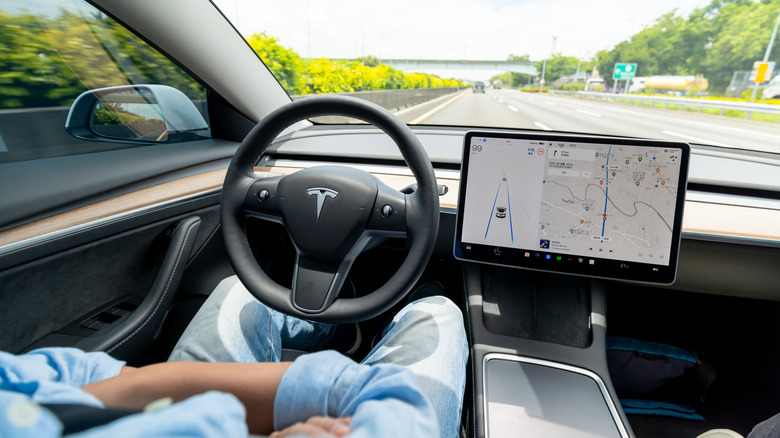
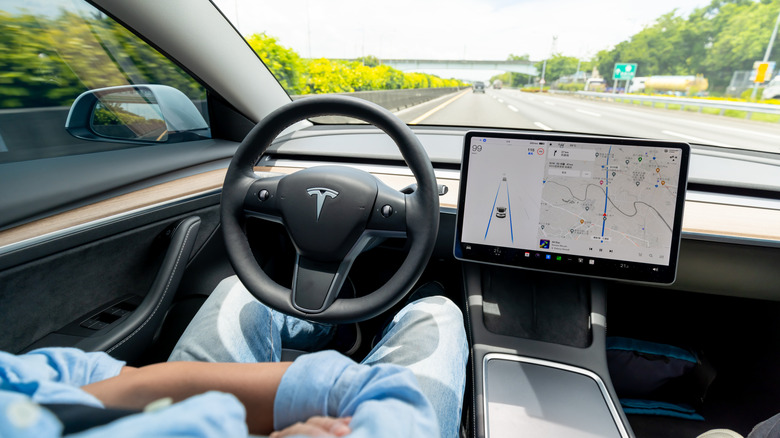
Michael Butler, the driver of a Tesla Model 3 that fatally struck a woman in her Texas home, manually overrode the car’s Full Self-Driving (Supervised) system “by pressing the accelerator pedal to 100 percent,” according to a preliminary investigation from the National Transportation Safety Board.
While local authorities initially reported that the Tesla’s “automated driving assistance system” was engaged when Butler crashed into Martha Avila’s home in June, the investigation says otherwise. According to the NTSB, the acceleration disabled the FSD system and the vehicle’s speed was ultimately “greater than 70 mph when the crash occurred.” The investigation’s preliminary findings match what Tesla AI head Ashok Elluswamy shared on X in June. “In this case, the driver manually overrode self-driving by pressing the accelerator all the way to 100 percent of the accel pedal in this residential area,” Elluswamy wrote.
Yup. In this case, the driver manually overrode self-driving by pressing the accelerator all the way to 100% of the accel pedal in this residential area. They reached a speed of 73 mph during the crash, and had the accelerator pressed even after the crash.
— Ashok Elluswamy (@aelluswamy) June 22, 2026
The larger unknown is what caused Butler to accelerate. The driver said he was completing a DoorDash delivery when the crash occurred, The Wall Street Journal writes, and that he enabled FSD while changing the music on the Tesla’s center touchscreen before he “passed out.” Authorities found no blood or alcohol in his system, but also that the brake pedal was never applied in the final minutes before the crash.
Avila’s family filed a wrongful death suit on June 24, accusing Butler and Tesla of negligence and seeking damages for the woman’s death. Not long after in July, Butler was charged with manslaughter. FSD (Supervised) is supposed to require active driver supervision to take turns, complete lane changes and otherwise navigate to destinations. Despite that protection, multiple crashes where FSD was involved have drawn scrutiny from the National Highway Traffic Safety Administration. The NHTSA is conducting its own investigation into this Texas crash, and in October 2025, it also opened a larger investigation into Tesla’s self-driving technology.

Stephan is the sports journalist for the Maple Grove Report.