OJ Simpson’s Lawyer Mark Fuhrman Was OJ’s ‘Get Out Of Jail Free Card’!!!
Published |
Updated
O.J. Simpson secretly believed he owed his freedom to Mark Fuhrman after his acquittal in his famous 1995 double murder trial — while also thinking the then-LAPD detective was a total racist, according to The Juice’s attorney.
Malcolm LaVergne, OJ’s longtime lawyer and executor of his estate, tells TMZ … “Privately, O.J. was very thankful for Mark Fuhrman because Mark Fuhrman blew up the case for prosecutors” during O.J.’s 1995 trial for the savage murders of his ex-wife, Nicole Brown Simpson, and Ron Goldman, in Los Angeles. LaVergne pointed out O.J. saw Fuhrman as his “get out of jail free card.”
As we first reported, Fuhrman died from throat cancer Tuesday in Idaho, where he moved after retiring from the Los Angeles Police Department in August 1995.
LaVergne also said O.J. didn’t care much for Fuhrman, viewing him as a racist after his repeated use of the n-word was revealed during the O.J. trial.
O.J.’s defense team played a tape in court, proving Fuhrman said the racial epithet dozens of times and catching him in a lie that he hadn’t uttered the word once in the previous 10 years. The evidence destroyed Fuhrman’s credibility as one of the primary detectives in the O.J. case, leading to the former NFL great’s acquittal.
LaVergne went on to tell us … O.J. received a lot of hate from people after the double murder trial because the public largely believed O.J. was guilty of the crimes despite the jury’s decision.
But, in LaVergne’s opinion, the American public should have been angrier with Fuhrman for being a dirty cop and destroying the prosecution’s case.
Furthermore, LaVergne says, O.J. would have treated Fuhrman’s death with respect if he was still around because he was a “class act.” O.J. died in 2024 after a battle with prostate cancer.
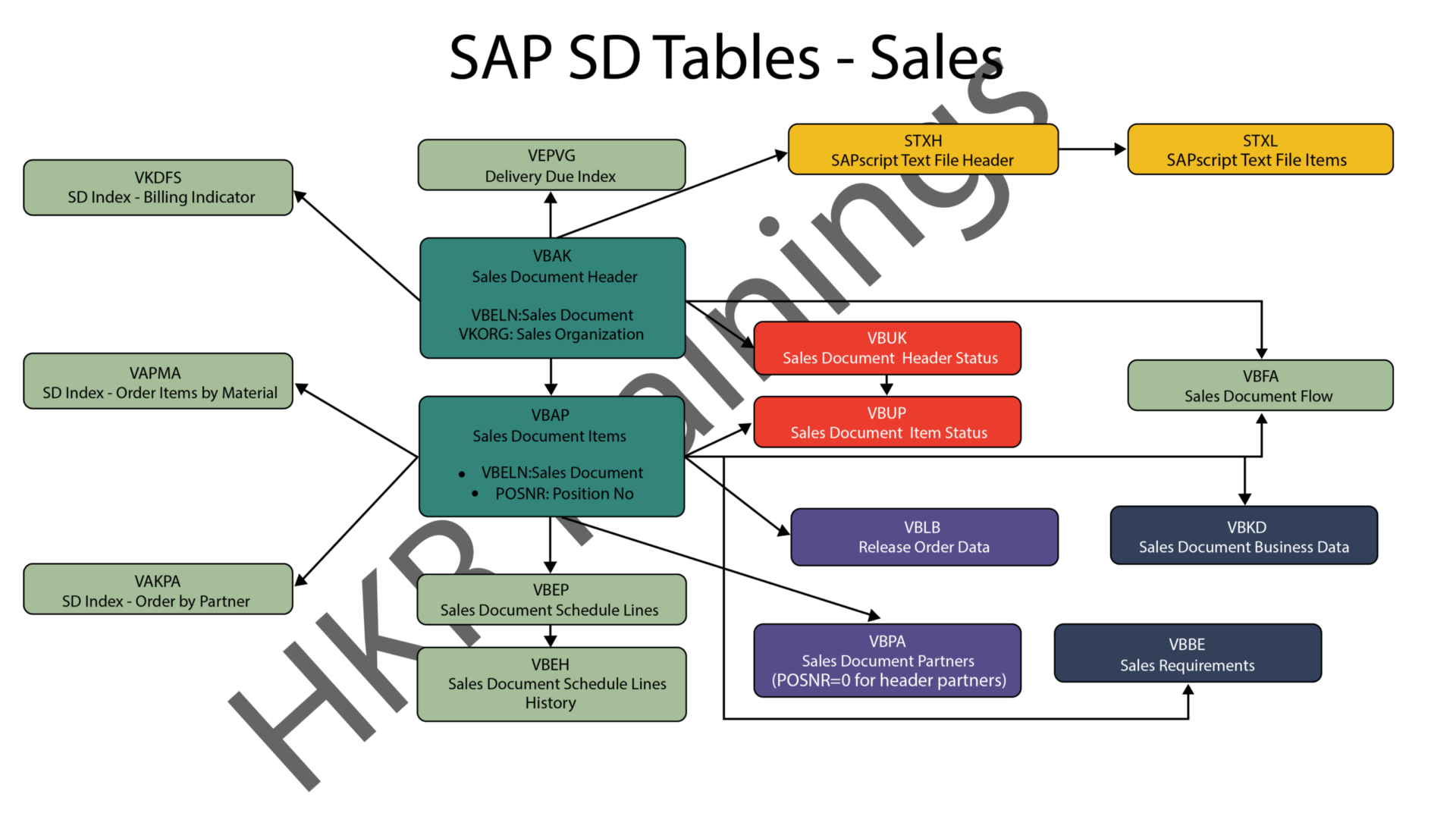
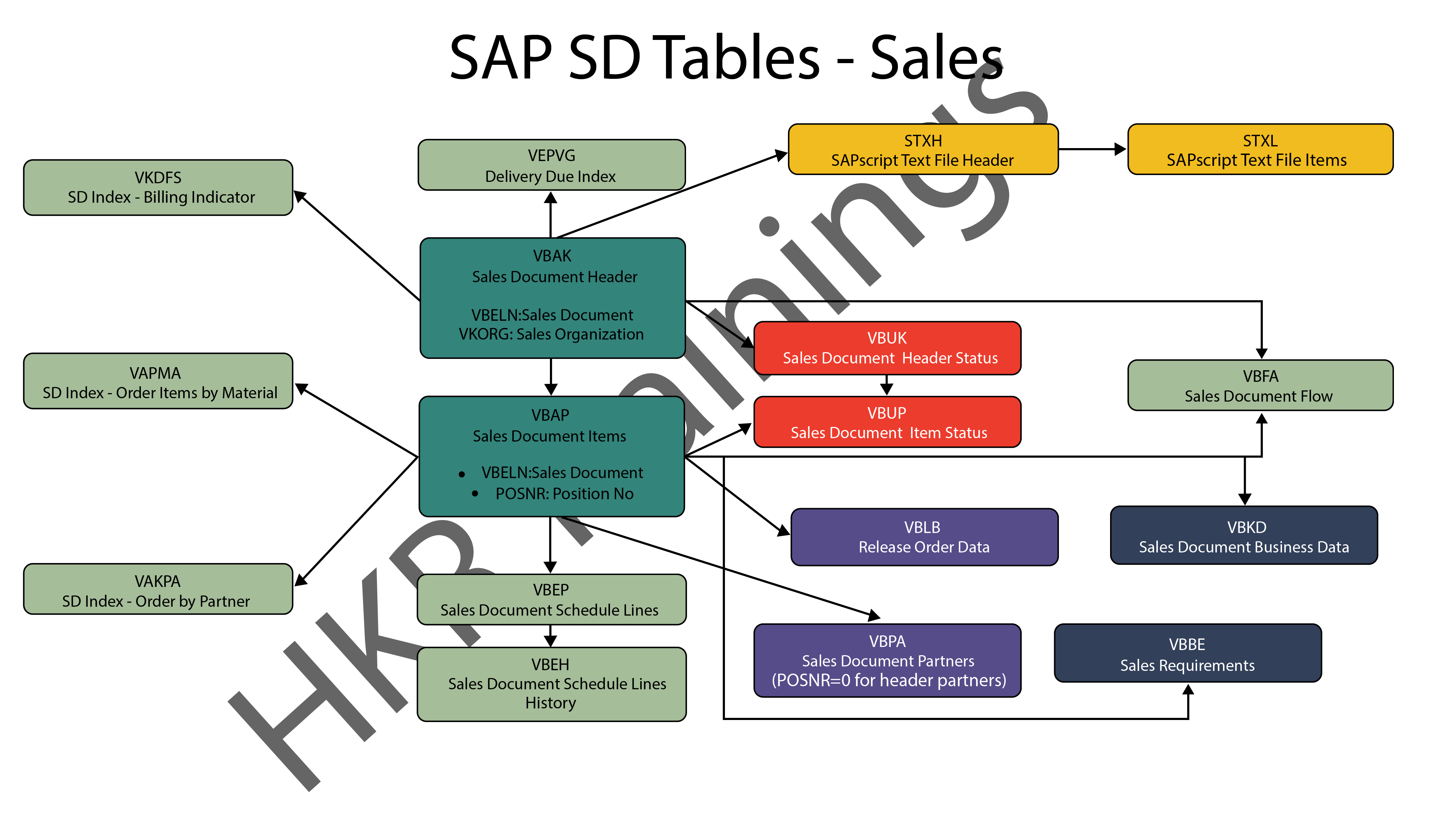
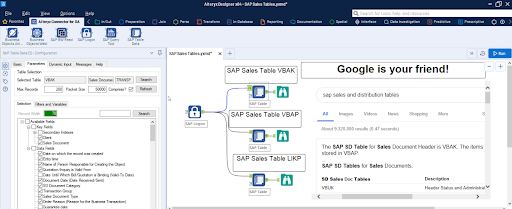
The SAP SD module is built on tables and uses them to store data. We’ll go through SAP SD tables and their relationships in this tutorial. SAP SD tables are critical storage for corporate data connected to SAP ERP software’s sales and distribution activities. The SD tables are basically divided into three parts:
These are the SD module’s building blocks, and it’s only natural to address tables in this sequence. Please look at the slides to see how the tables from different blocks were connected. Being an expert in SAP SD necessitates an understanding of these relationships.
Become a SAP SD Certified professional by learning this HKRSAP SD Training!
1) Sales
In SAP SD, the first block is about sales procedures.This indicates that the SAP SD tables in this block would be related to sales orders, quotations, and other similar transactions. We designed a visual slide that lists all of the tables and their relationships.
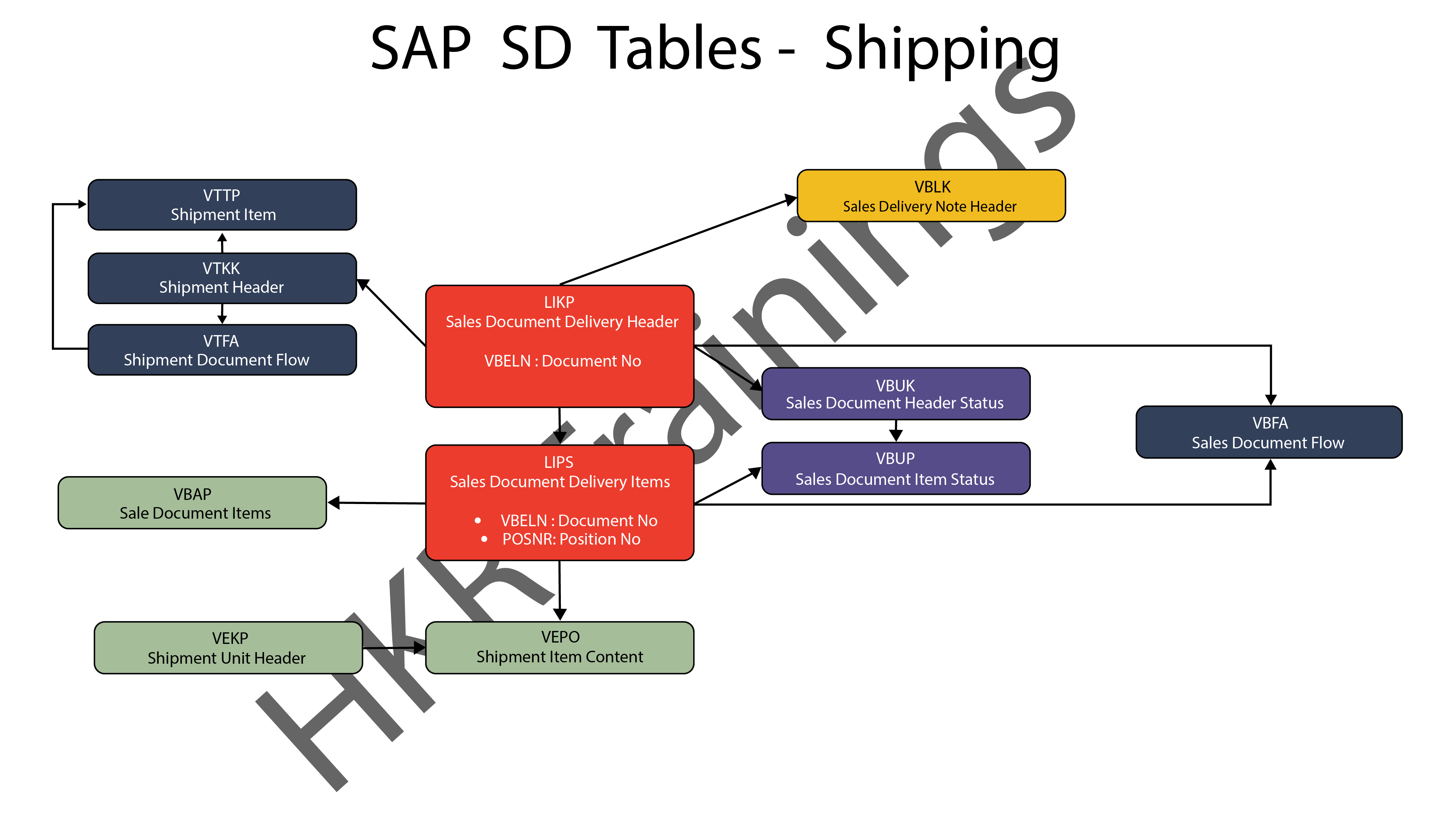
2) Shipping
ThIs section is about SAP SD’s shipping processes. In this section, SAP SD tables deal with inbound and outbound deliveries, as well as shipments. Likewise, we’ve created a visual slide with links illustrating table relationships.
SAP SD Training
Master Your Craft
Lifetime LMS & Faculty Access
24/7 online expert support
Real-world & Project Based Learning
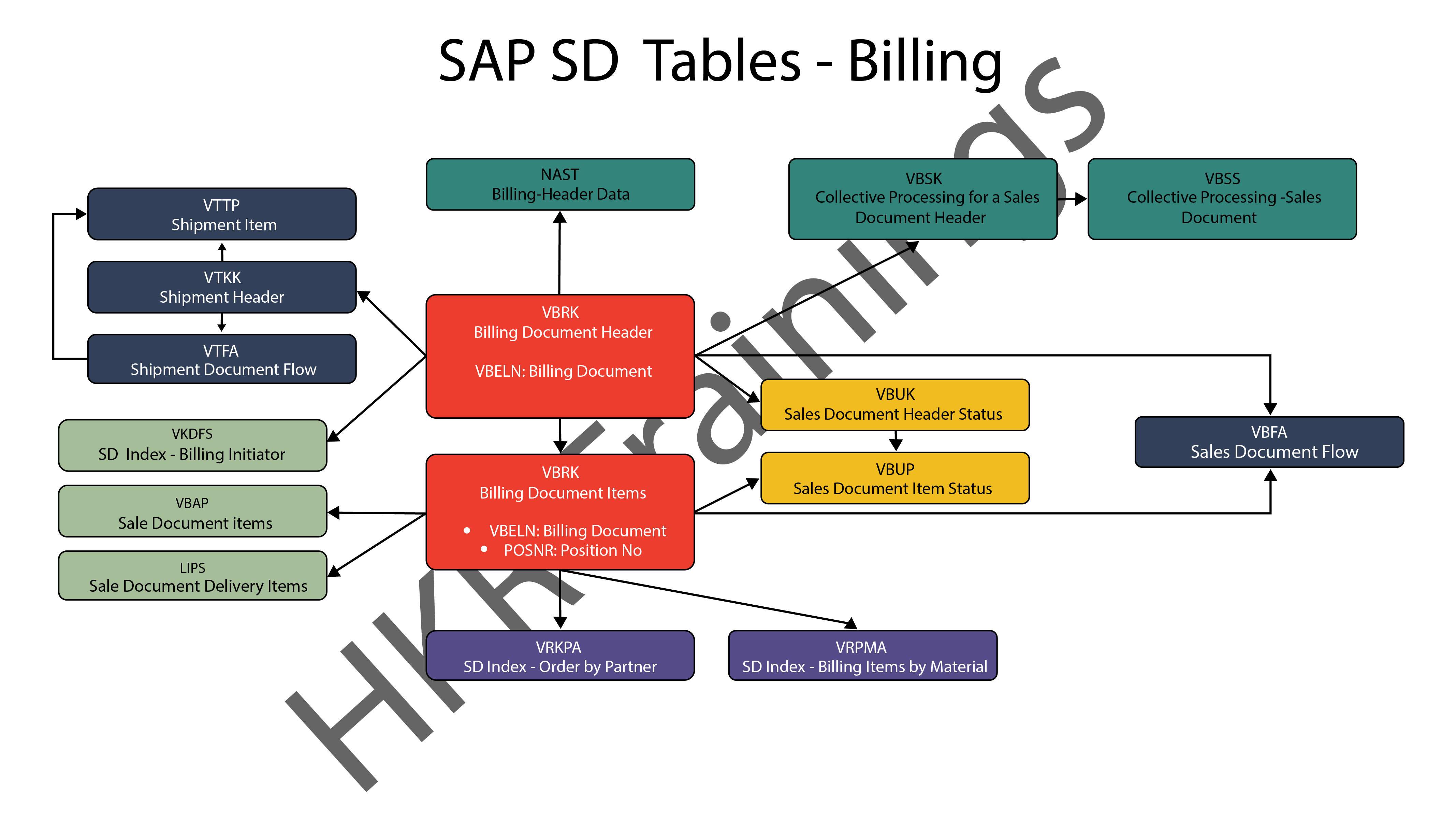
3) Billing
The billing feature of SAP SD is the last but not least. SAP has a variety of tables which are used to support a company’s billing procedures. Billing documents, as well as other related data, such as output conditions, are saved in these tables by SAP.
To provide the best experiences, we use technologies like cookies to store and/or access device information. Consenting to these technologies will allow us to process data such as browsing behavior or unique IDs on this site. Not consenting or withdrawing consent, may adversely affect certain features and functions.
Functional
Always active
The technical storage or access is strictly necessary for the legitimate purpose of enabling the use of a specific service explicitly requested by the subscriber or user, or for the sole purpose of carrying out the transmission of a communication over an electronic communications network.
Preferences
The technical storage or access is necessary for the legitimate purpose of storing preferences that are not requested by the subscriber or user.
Statistics
The technical storage or access that is used exclusively for statistical purposes.The technical storage or access that is used exclusively for anonymous statistical purposes. Without a subpoena, voluntary compliance on the part of your Internet Service Provider, or additional records from a third party, information stored or retrieved for this purpose alone cannot usually be used to identify you.
Marketing
The technical storage or access is required to create user profiles to send advertising, or to track the user on a website or across several websites for similar marketing purposes.