Fact checked by Nick Blackmer
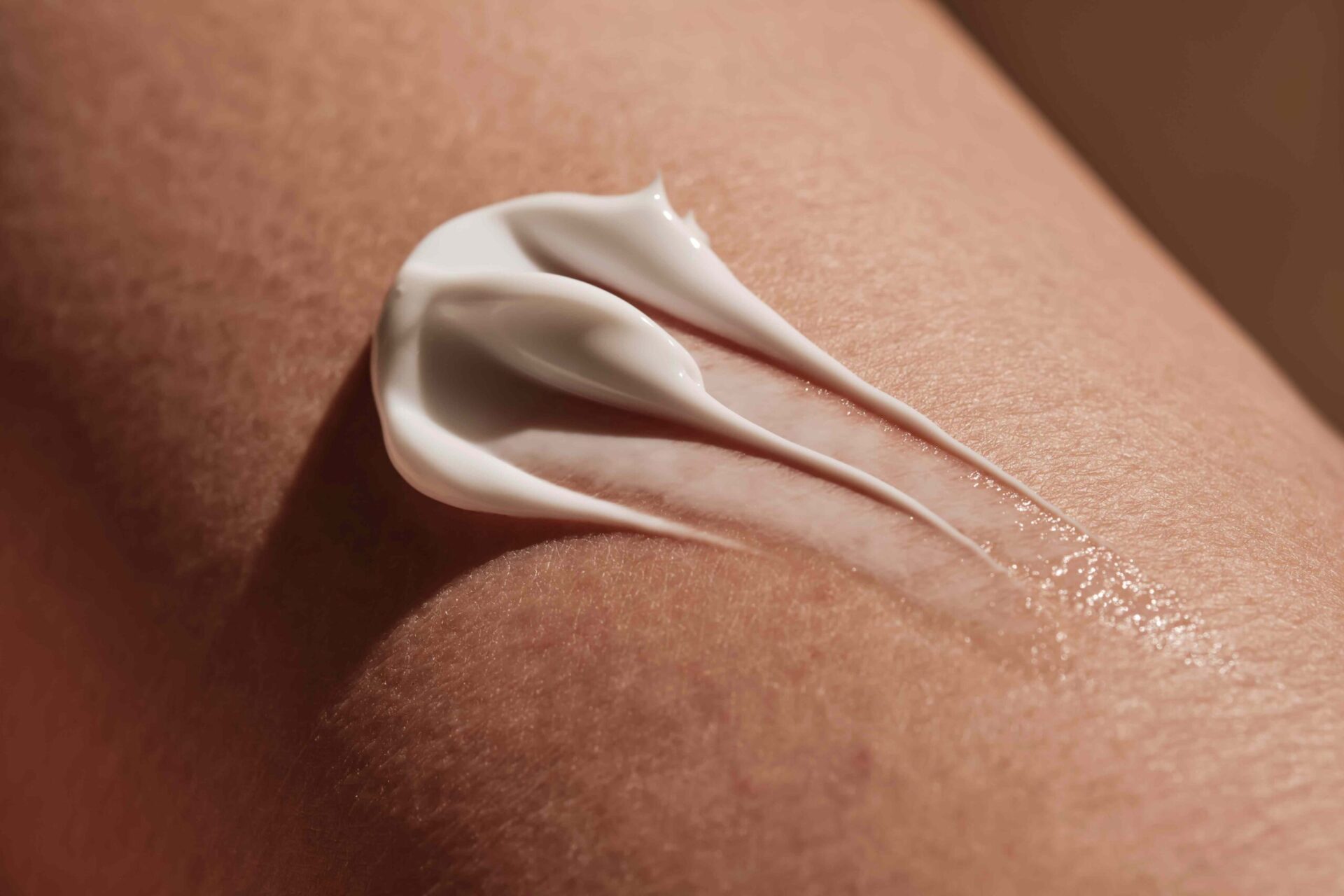
:max_bytes(150000):strip_icc():format(jpeg)/HDC-GettyImages-2201277833-46b88d0def004c9e91f184c7619f2782.jpg "A closeup of a dab of cream applied to skin")
Credit: Mariya Borisova / Getty Images
- You don’t need a whole new skincare routine for summer—a few seasonal adjustments are fine.
- If you have dry skin, swap heavy creams for lighter moisturizers (but oily skin needs moisture too).
- And remember: Sunscreen is the most important step in any summer skincare routine.
Q: I have super dry, sensitive skin. In the winter, I try to keep it as moisturized as possible with heavy creams and balms. But now that it’s officially summer—and I’ve replaced my winter wardrobe with lighter summer options—should I do the same with my skincare routine?
It’s completely reasonable to tweak your skincare routine depending on the time of year and the climate you live in—but a total overhaul is probably unnecessary.
“The core routine should remain the same,” S. Max Vale, MD, a clinical assistant professor of dermatology at the University of Washington School of Medicine and a partner at Kirkland Dermatology Associates, told Health. “Most people don’t need more skincare products in the summer—they need better sun protection habits.”
While people with dry, sensitive skin may benefit from swapping rich creams and balms for lighter moisturizers in the summer, the overall framework of a skin routine doesn’t need to change all that much.
When you’re creating a summer skincare routine, regardless of your skin type, you want to make sure you have three to four steps, depending on the time of day.
- Cleanse (A.M. and P.M.): Use a gentle cleanser or simply splash your face with water in the morning.
- Treat (A.M. and P.M.): This is based on your individual goals and time of day. The most common product in the morning is an antioxidant like a vitamin C serum to defend against free-radical damage from UV exposure and environmental pollution. At night—as long as you’re not pregnant or breastfeeding—use a retinoid for anti-aging benefits.
- Moisturize (A.M. and P.M.): Thick, heavy moisturizers are great for dry, sensitive skin in the wintertime, but they might be too heavy in the summer. Instead, try lotions and lighter creams. That said, if your skin still feels dry or tight, it’s okay to stick with a richer moisturizer year-round. If you’re acne-prone, look for products that are noncomedogenic, meaning they have a reduced risk of clogging pores.
- Protect (A.M. only): Use sunscreen—this is the most important step of your entire routine. Use half a teaspoon of sunscreen, ideally SPF 30 or higher, to cover your entire face and neck, and reapply every two hours. Vale also recommends an SPF-containing lip balm to protect your lips.
If you have oily skin, you may feel inclined to skip moisturizer altogether during the summer months, but Vale said even oily skin benefits from hydration. In fact, if you strip oily skin of moisture, it may actually overcompensate by producing more oil.
Your summertime cleanser can also be adjusted, depending on how your skin feels. A creamy or oil-based cleanser can be more gentle in the winter, but if you’re feeling extra oily or sweaty in the summer, try a foaming option, which can help remove more dirt and oil.
A gentle exfoliator—alpha hydroxy acid (AHA) or beta hydroxy acid (BHA)—may also be a nice addition to a summertime skincare routine to further remove dead skin cells, reduce congestion, and improve texture and complexion. Start once or twice a week and increase gradually if your skin tolerates it. And don’t forget sunscreen—AHAs make your skin more sensitive to the sun.
And remember: Certain summertime habits matter just as much as what you put on your face. If you’re out in direct sunlight a lot—especially between 10 A.M. and 4 P.M.—wear sun-protective clothing and hats, and chill out in the shade whenever you can.