:max_bytes(150000):strip_icc():format(jpeg)/Health-GettyImages-1487464848-ee9e47b9e2e340d793296f55efd4dc6b.jpg "Person stretching their arm in a comfortable living room setting")
Credit: JLco – Julia Amaral / Getty Images
- As your body changes with age, you can adapt your exercise routine to focus on strength training to preserve optimal muscle mass and bone density.
- Incorporating mobility exercises and recovery routines can help prevent injury and support long-term function.
- There is no need to slow down as you age. It’s important to train smarter and remain consistent.
Your exercise routine should change as you age, but not in the way you might think. It’s less about slowing down and more about prioritizing what your body needs most.
How to Adapt Your Workouts as You Age
Your exercise routine should change as you age, but the goal isn’t to scale back; it’s to rebalance.
Instead of focusing heavily on training for aesthetics or high-intensity output, your routine should prioritize:
- Longevity
- Injury prevention
- Functional strength
- Sustainable energy
You can, and should, still challenge yourself. But your workouts should support your lifestyle, not leave you feeling exhausted or in pain.
Which Types of Exercise Matter Most as You Get Older?
As your body ages, certain types of exercise become more valuable than others.
- Strength training: This becomes non-negotiable as you age, and should be the foundation of your exercise routine. Maintaining muscle mass as you age supports your metabolism, joint stability, and independence. Aim for two to four sessions per week, focusing on the major muscle groups.
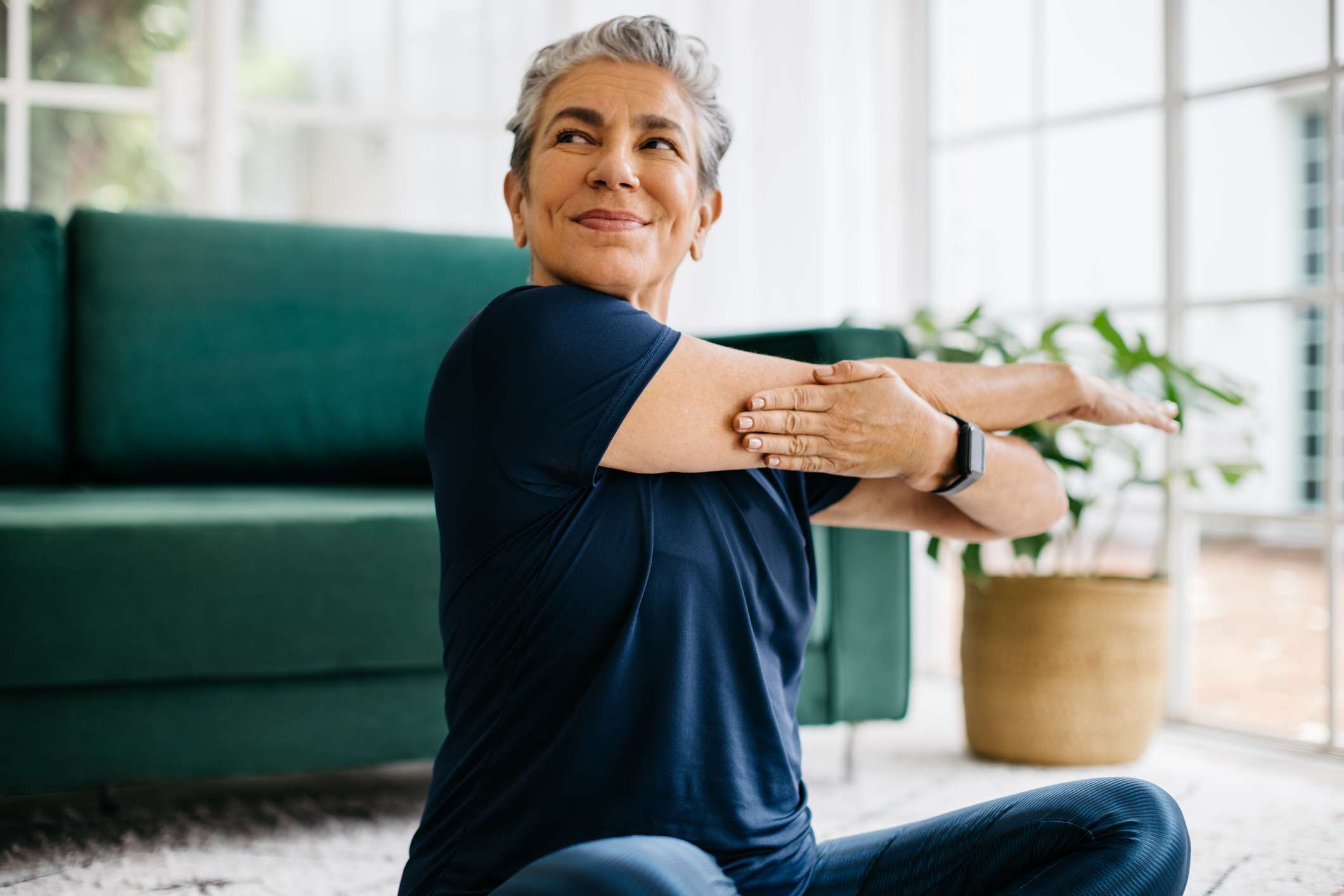
- Mobility and flexibility training: Working out with stiff joints or tight muscles can put pressure on other parts of your body and lead to injuries. Incorporating mobility work, such as dynamic stretching or yoga, can help you maintain optimal range of motion and reduce pain and risk of injury.
- Balance and stability training: Fall risk becomes greater with age, but balance training can significantly reduce your risk. Simple exercises such as single-leg stands and other controlled movements go a long way to improve stability and reduce fall risk.
- Cardio training: Cardiovascular exercise and heart health are still crucial. Walking, cycling, swimming, and even interval training can all be effective. Just be sure to adjust your intensity based on your fitness level and recovery capacity.
How Recovery Needs Change With Age
One of the biggest shifts you should make as you age isn’t the workout itself, but in how you recover.
As you age:
- Muscles take longer to recover and repair from exercise and injury
- Sleep becomes more important for performance
- Overtraining can lead to injury faster
Instead of pushing through fatigue or injury, it’s essential to listen to your body. This may mean:
- Taking more frequent rest days
- Alternating between high- and low-intensity workouts
- Prioritizing sleep, whole foods, and hydration
Recovery is no longer optional; it’s an essential part of your training.
Why Your Body Responds Differently to Exercise Over Time
As you get older, natural physiological changes affect how your body handles movement. Muscle mass begins to decline (a process known as sarcopenia), metabolism slows down, and joint stiffness can increase.
Hormonal shifts also play a role, impacting everything from your energy levels to bone density. This doesn’t mean your body is “breaking down,” but it does mean your approach to exercise needs to become more intentional with age.
What might have worked for you in your 20s may not provide the same results, and may even increase your risk of injury, in your 40s, 50s, and beyond.
Common Mistakes People Make When Adjusting Their Workouts
Many people either do too much or too little when adjusting their fitness routine as they age:
- Doing too much high-intensity training. Constantly pushing yourself to your maximum effort increases your risk for injury and burnout.
- Avoiding strength training. Leaning only on cardio means you are missing out on the muscle and bone benefits that come with resistance work.
- Ignoring pain. Pain is a form of information. Modifying exercises early on can prevent long-term issues.
- Not progressing. While it’s important to remain cautious when progressing exercise as you age, sticking with the same exercise routine forever can lead to plateauing. You should still aim to challenge your body; you just may need to do so more gradually as you get older.
How to Create a Routine That Evolves With You
A varying, age-appropriate routine doesn’t have to be complicated. Each week, aim to get or work up to a breakdown like this:
- 2-4 days: Strength training, focusing on major muscle groups.
- 2-3 days: Cardio, a mix of moderate and high-intensity if tolerated.
- 2-3 days: Mobility or flexibility work that can be included in other workouts.
- Daily: Light movement, including walking or stretching.
If you're not doing these things already, start with making small adjustments to your workout routine. Consider adding one strength session a week, one rest day, or 10 minutes of mobility work at the end of your workout. Over time, these small changes can make a significant difference in how you feel and function for years to come.
The key to building a workout routine that evolves with you is adaptability. Some weeks you’ll have more energy and feel stronger, other weeks your body will crave more rest. Both are part of a healthy, well-rounded exercise routine.