Sony InZone H6 Air Wired Gaming Headset Review: Great Sound, Great Fit


Sony InZone H6 Air MDR-G600

Pros

  • Excellent audio and mic quality
  • Very lightweight and comfortable
  • A lot of size leeway for headband, so good for smaller heads

Cons

  • Relatively expensive
  • Not a lot of mic settings

On paper, Sony’s InZone H6 Air sounds like a typical analog gaming headset at an atypical $200 price tag. But when you factor in the excellent audio quality and smart, open-back design, the high cost becomes a little easier to handle. A discount would make it even more attractive.

Open-back headphones, characterized by ventilated earcups, tend to be pricier than closed-back models, to some extent because the market is dominated by audiophile brands like Sennheiser and Beyerdynamic. Like all headsets, though, they can run from cheap to expensive. An open-back design generally delivers better, more neutral sound quality, partly because the aeration prevents the sound from bouncing around within the enclosure. 

Sony’s InZone H6 Air headset really delivers on sound — unsurprising since it’s based on the drivers of Sony’s MDR-MV1 Studio Monitor headphones, which run about $400. The headset produces a sonorous bass, clear mids and highs, with low distortion, precise separation and a broad soundstage. I usually have to tweak equalizer settings in gaming headsets for music, but these sound great without it.

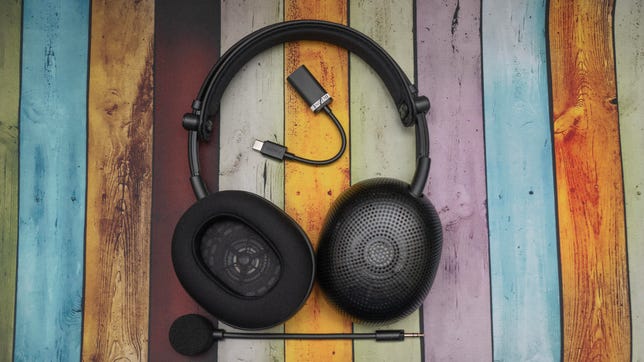
The backs of the earcups and the mic

The earcups are completely ventilated, which contributes to the headset’s light weight.

Lori Grunin/CNET

That makes them particularly suited to games with melodious soundtracks, like Clair Obscur. The InZone Hub offers a handful of EQ presets, surround audio (Sony’s 360 Spatial Sound for Gaming) and a new Immersive preset targeted at RPGs and Action games. 

For best results, I liked combining the surround with one of the FPS presets to better isolate the effects from behind, especially with a soundtrack that can overwhelm, like the one from Doom Eternal.

The mic is really good, too. There’s no noise canceling, but it’s narrowly directional. It picked up some soft typing and some fan noise from my desktop right next to me, but not my noisy air purifier to the left. I prefer it to noise canceling because the sound doesn’t suffer from compression and processing artifacts. And the audio from it sounds really good. Full and warm.

I wish, though, that the software had more mic controls than just sidetone volume — most importantly EQ, so I could increase clarity for chat or customize the sound for streaming or recording. 

close up of the mic showing the foam cover and vented rear

The mic sounds great, but the foam cover isn’t enough to handle my plosives.

Lori Grunin/CNET

The headset includes a detachable 3.5mm analog cable and a USB-C adapter. As with all analog headsets, you’ve got to use the USB adapter to access the settings in the InZone Hub software. 

Those include the various equalizer presets for gaming, which predominantly boost the mids or highs and reduce the lows to provide greater clarity for voices and effects like footsteps or gunshots. You can also create custom presets. But you can only get them in software — you can’t download them to the headset, for example, to use with the 3.5mm connection.

The same goes for surround audio and mic sidetone control. It’s not an unusual restriction, but one you should be aware of if you plan to connect, say, to an Xbox via the controller, or if you don’t want to keep the software loaded while you play.

So comfy

I really like the headset design. All that empty space plus the aluminum construction also makes it exceptionally lightweight — only 199 grams without the mic (it’s removable) or 217 grams with, less than half a pound either way. But it still feels sturdy.

Open-back ventilation helps reduce the air pressure on my ears, something which more sound-isolating designs exacerbate, and helps alleviate ear sweats: I appreciated that as the temperature at my desk hit 84 degrees Fahrenheit while testing them.

Close up of the headband sizing mechanism

The headband has a relatively large adjustment range and fits my short pate-to-ear distance as well as over my hair clip when fully extended.

Lori Grunin/CNET

The cushion covers feel like a light nylon, and while the padding’s comfortable, it’s not very deep or firm, similar to the lighter HyperX Cloud 3 models. The earcups rotate fully in either direction, which also helps reduce pressure.

You have quite a bit of latitude with the headband adjustment. It slides smoothly along the frame, and while I don’t know at the moment how durable the mechanism is, it’s one of the few that fits my head comfortably without relying on side pressure to hold it in place. Extended to full depth, it fits over the top hair clip I normally have to remove when I put on a headset.

There aren’t many controls, just a volume dial and a mic mute button. The mute is in an unusual spot at the top of the left earcup, but it’s big and easy to feel.

While I wish the headset had a larger feature set for the money, the comfort and quality go a long way toward softening the blow, especially compared to more convenient wireless headsets. 

If Sony’s InZone H6 Air headset is discounted even a little after launch, it will definitely be a compelling option.


Source link

Leave a Reply

Subscribe to Our Newsletter

Get our latest articles delivered straight to your inbox. No spam, we promise.

Recent Reviews


Medically reviewed by Jonathan B. Jassey, DO

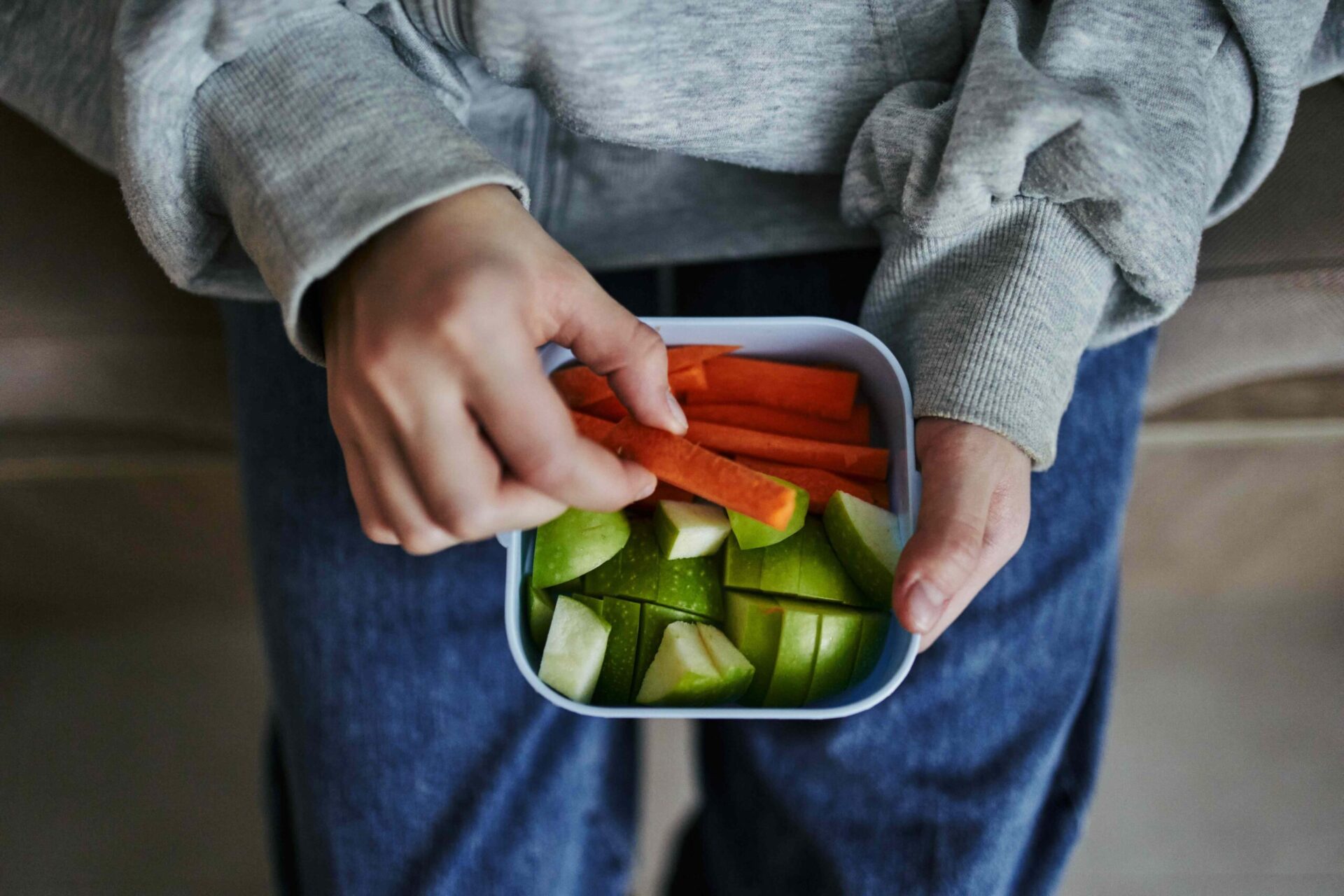
Fresh fruits and vegetables can provide nutrients, like fiber, that can help them feel full.Credit: Ekaterina Goncharova / Getty Images
Fresh fruits and vegetables can provide nutrients, like fiber, that can help them feel full.
Credit: Ekaterina Goncharova / Getty Images
  • Food ideas for children with Prader-Willi syndrome include high-protein meals, complex carbs, healthy fats, fruits, and vegetables.
  • Eating these types of food helps ensure your child gets enough nutrients and stays full, which can help curb their appetite and food intake.
  • It’s best to avoid feeding them lots of sugary or processed foods, as most of those foods have little to no nutritional value, are less filling, and can contribute to weight gain.

Food can be a complex topic for children with Prader-Willi syndrome (PWS). This is because PWS causes symptoms such as an uncontrollable preoccupation with food, relentless hunger, a persistent desire to eat (often leading to overeating), and weight gain—typically starting from around 4 years of age.

When choosing what to feed your child, experts recommend focusing on low-calorie, whole, filling, nutrient-dense foods to manage the metabolic and food-related behavioral issues associated with PWS.

1. Complex Carbohydrates

Children with PWS have the same nutritional needs as their peers. However, their bodies use energy at a lower rate due to reduced muscle mass and impairments in the brain and hormonal systems. This means kids with PWS may not burn calories fast, which contributes to their tendency to gain weight. Because of this, complex carbohydrates rather than simple or refined carbohydrates are recommended.

Whole complex carbs support slow, sustained release of energy. They do not spike blood glucose levels, are packed with essential nutrients, are filling, and are great food options for weight management.

Examples of whole, complex carbs that children with Prader-Willi syndrome can eat include:

  • Beans
  • Potatoes 
  • Corn
  • Peas
  • Lentils
  • Whole grains, including brown rice, quinoa, oats, and whole wheat
  • Home-made pastries, bread, cereals, and tortillas made with whole wheat and no or very minimal added sugar

2. Proteins

Research has widely indicated that high-protein meals can help curb appetite and regulate food intake. Proteins are also filling and can help you stay full longer. They also promote the building and maintenance of muscle mass.

A high-protein diet may also increase energy expenditure, as the body uses more energy to digest and absorb protein than other food classes. This is called diet-induced thermogenesis.

Early research suggests that eating high-protein meals shifts the metabolism of muscle cells toward fat rather than carbohydrates as an energy source in children and young adults with PWS. This may promote body fat reduction and weight loss. 

High-protein foods you can feed your child include:

  • Lean meats like chicken and turkey
  • Eggs
  • Milk
  • Tofu 
  • Hummus
  • Cheese
  • Bean soup
  • Oysters and shrimp
  • Low-mercury fish such as tilapia, sardines, and salmon

3. Fiber

Most complex carbs are also excellent sources of fiber. Recent research suggests that fiber may improve the lives of people with Prader-Willi syndrome by boosting gut health. 

Fiber supports a healthy gut microbiome, promotes the immune system, and helps lower the risk of gastrointestinal issues like constipation. Foods that are high in fiber are satisfying and can help your child stay fuller. 

High-fiber foods you can feed a child with Prader-Willi syndrome include:

  • Vegetables
  • Nuts (if the child is at least 5 years old)
  • Legumes, including peas, chickpeas, soybeans, and fava beans
  • Whole fruits like avocados, citrus, pears, berries, kiwis, and bananas

To maximize fiber intake, it’s best to serve fruits to your children whole, with the skin on. If your kid prefers drinks, you can make them a smoothie instead of juice, since most of the fiber in juice is lost during juicing.   

Also, while children need fiber in their diet, they don’t need excessive amounts. Excess fiber can cause abdominal discomfort and gas. Children need the following amount of fiber a day based on age:

  • 1-3 years: 19 grams (g)
  • 4-8 years: 25 g
  • 9-18 years: 26 g

4. Healthy Fats

A high-fat diet—particularly when paired with low consumption of refined carbs—may benefit children with PWS by promoting fullness, reducing frequent snacking, and regulating weight and blood sugar levels. However, this is not always straightforward, and the effects of a high-fat meal may vary depending on factors like the type of fat.

A 2020 study investigated the effects of a ketogenic-like diet called the modified Atkins diet in a very small number of children for four months. The study showed that the modified Atkins diet—a less restrictive high-fat diet that allows 10–15 grams of carbs per day—may be a good low-carbohydrate option for weight management in children with PWS.

Parents and relatives of the children who participated in the study reported positive effects on extreme hunger, reaching fullness, and the children’s behavioral and cognitive function. However, this was a small study, and more research is needed to further assess the risks or adverse effects that may be associated with ketogenic-like diets like a modified Atkins diet. 

The recommended type of fat to feed your child is unsaturated fatty acids. This type of fat is considered healthy and is divided into two types: monounsaturated and polyunsaturated fatty acids. Examples of foods rich in these healthy fats that you can feed your child include:

  • Fatty fish
  • Nuts and seeds
  • Low-fat or fat-free dairy products, such as low-fat Greek yogurt
  • Nontropical plant oils like olive, nut, soybean, and nut oils

5. Water and Drinks Without Artificial Sweeteners

People with Prader-Willi syndrome tend not to like plain water. However, water is important for hydration. Consider introducing a habit of drinking plain water early, sticking to it, and avoiding substituting it with beverages that have added sugars. You can also have them get more water with nutritious and healthy fluids, like:

  • Fresh, homemade smoothie
  • Coconut water
  • Herbal teas
  • Low-fat milk
  • Soups and broths
  • Water infused with fresh natural fruits like lemon
  • Fruits with a high amount of water, including citrus, watermelon, and cucumber

Speak with your child’s pediatrician about the safety of giving your child herbal teas and to get recommendations on which ones to try.

Other Dietary Considerations

Many people may place their children with PWS on strict calorie-restrictive diets. Instead of strictly counting and measuring calories (which can be tedious and time-consuming), it is best to focus on ensuring your child is eating mostly nutrient-dense, whole, well-balanced meals. 

Also consider the following suggestions:

  • Limit processed foods: Avoid or limit feeding them processed foods or foods with artificial sugar additives. This includes foods like pastries, carbonated drinks, and processed meat. Reducing sweeteners in a diet may reduce the urge to eat, especially if that type of diet starts in childhood.
  • Follow a Mediterranean-style diet: Evidence suggests that an eating plan similar to the Mediterranean diet may benefit young people with PWS. This diet involves eating mostly complex carbs, legumes, fruits, vegetables, fish, nuts, and animal-based proteins.
  • Consider a low-carb diet: If you want to try low-carb diets like the ketogenic diet (a high-fat, moderate-protein, and very low-carbohydrate eating plan), speak with your child’s provider first to determine if it’s ideal for your child. They may need to monitor your child for any possible adverse effects.
  • Offer a variety: Feeding your kids a variety of nutritious meals helps ensure they enjoy mealtimes. 
  • See a dietitian: Consult a registered dietitian for recommendations on various aspects of your child's diet, including a personalized meal plan, meal scheduling, and portion size recommendations.


Source link