

It’s no secret that at TPG, we love a good deal — whether that’s a business-class flight on points, an awesome welcome bonus on a top credit card or Amazon’s semi-annual Prime Day sales.
This year, Amazon’s June Prime Day sale is running for four days, from 12:01 a.m. PDT on Tuesday, June 23, until 11:59 p.m. PDT on June 26. Thousands of items across the site are eligible for deals, but we’ve already combed through to find some of our favorites so that you don’t have to.
These deals are only available to Amazon Prime members, but you can get a free 30-day trial membership to take advantage of the sale if you aren’t already a member.
So if you have an upcoming summer trip you’re planning for (or have a travel-lover’s birthday on the horizon), make sure to check out these Amazon Prime Day deals before they’re gone.
Travel deals
For those who don’t know, Amazon has its own Amazon Travel Deals platform where you can save money and get Amazon gift card rebates on car rentals and even — for the first time ever this Amazon Prime Day — hotels.
Select Chicago hotels — Up to 20% off

Amazon Prime members can save on select Chicago hotel stays by booking through Amazon’s Travel Deals platform (powered by Expedia). Featured hotels on sale include TPG-favorites like Pendry Chicago and Nobu Chicago. The list of available hotels is surprisingly extensive with hotels from Hilton’s Curio Collection, a selection of IHG hotels and more. If you’re thinking about a Chicago getaway anytime between now and spring 2027, it’s worth taking a look at what’s available.
Just remember that because these bookings are made via Expedia, you’ll likely miss out on the loyalty program benefits you get by booking direct. That said, if you can save up to 20% on nightly rates, the savings could be worth booking this way — especially if you’re also an Expedia OneKey rewards member.
Travel essentials
Apple AirTag 4-pack — $89 (normally $99)
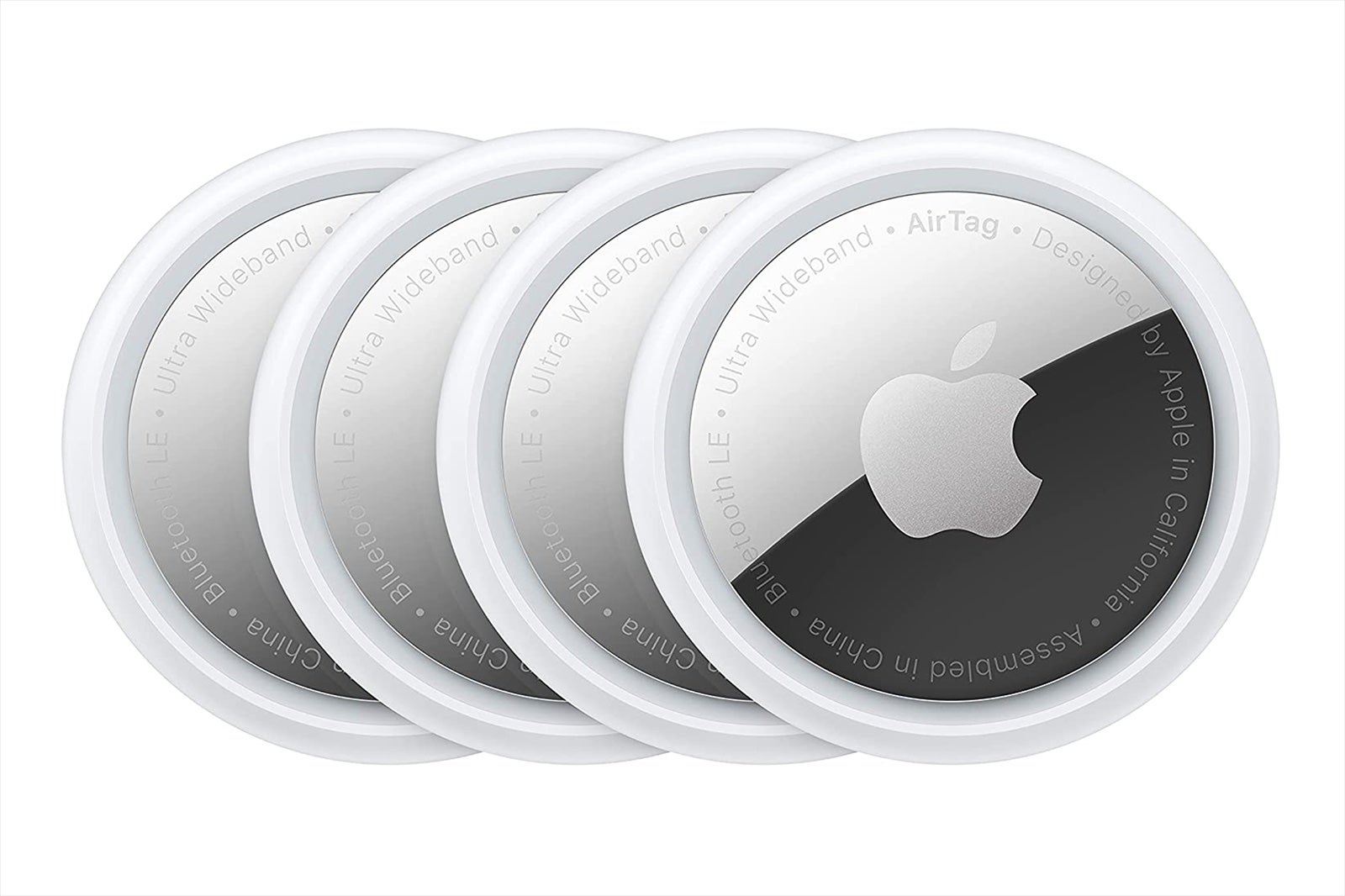
It’ll come as no surprise that we’re huge fans of Apple AirTags here at TPG. They’re the perfect way to keep track of your possessions, especially if you plan to check bags. As someone who has had my bag go to Germany when I was headed for Croatia, I can personally attest to these being a true trip-saver. These tend to sell out when they go on sale, so make sure to snag them before they’re gone!
Buy: Apple AirTag 4-pack, $89 (normally $99)

Reward your inbox with the TPG Daily newsletter
Join over 700,000 readers for breaking news, in-depth guides and exclusive deals from TPG’s experts
Tile by Life360 Mate 4-pack — $49.99 (normally $79.99)
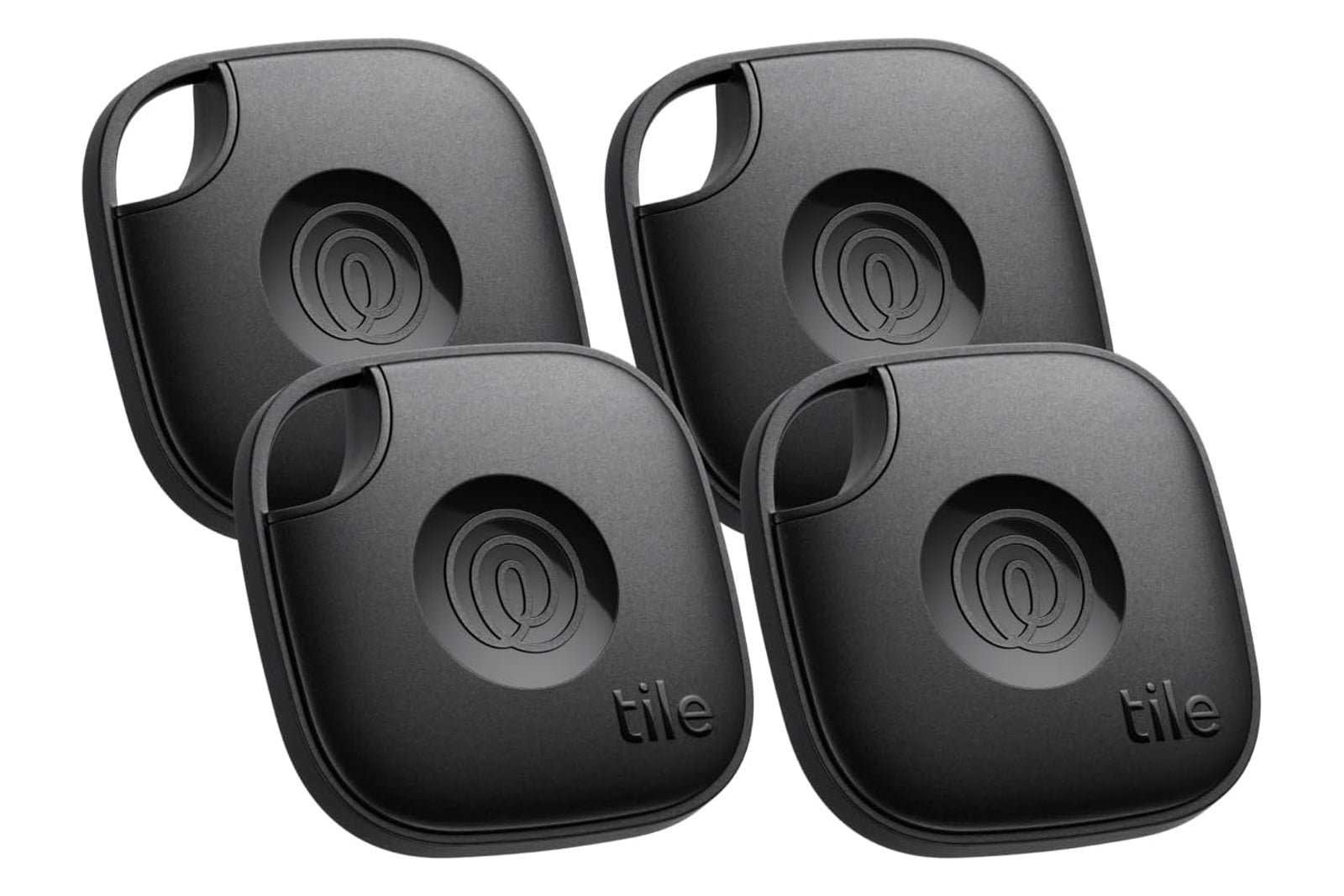
If you’re looking for a luggage tracker other than the much-lauded Apple AirTag, Tile is certainly a worthy contender. The tracker is compatible with most cellphone operating systems, including Android and iOS, and various smart home devices. It’s also water-resistant and is on sale for much cheaper than an AirTag set of four.
Buy: Tile by Life360 Mate 4-pack, $49.99 (normally $79.99)
Amazon Kindle Paperwhite 16GB — $124.99 (normally $159.99)
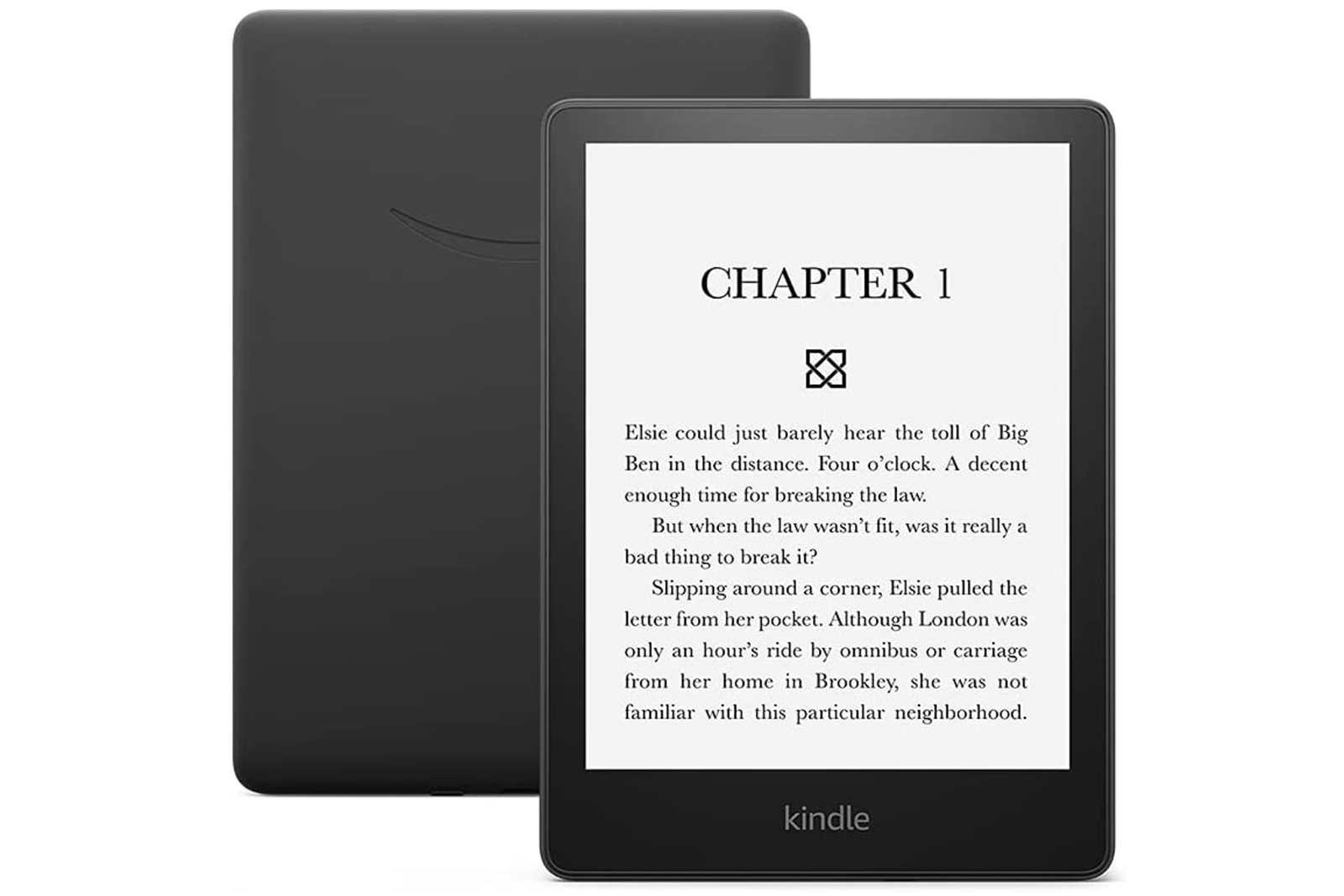
I love to read when I’m traveling — on long flights, at dinner when traveling solo, while relaxing pool- or beachside. For any fellow voracious readers, the newest Kindle Paperwhite is on sale this week. Its Paperwhite display provides a no-glare screen, and its battery lasts up to 12 weeks. You can even use library apps like Libby to download books via your local library instead of purchasing digital copies online. And if you trade in your old Kindle, you can save an extra 20%.
Buy: Amazon Kindle Paperwhite 16GB, from $124.99 (normally $159.99)
Anker nano portable charger — from $41.99 (normally $59.99)
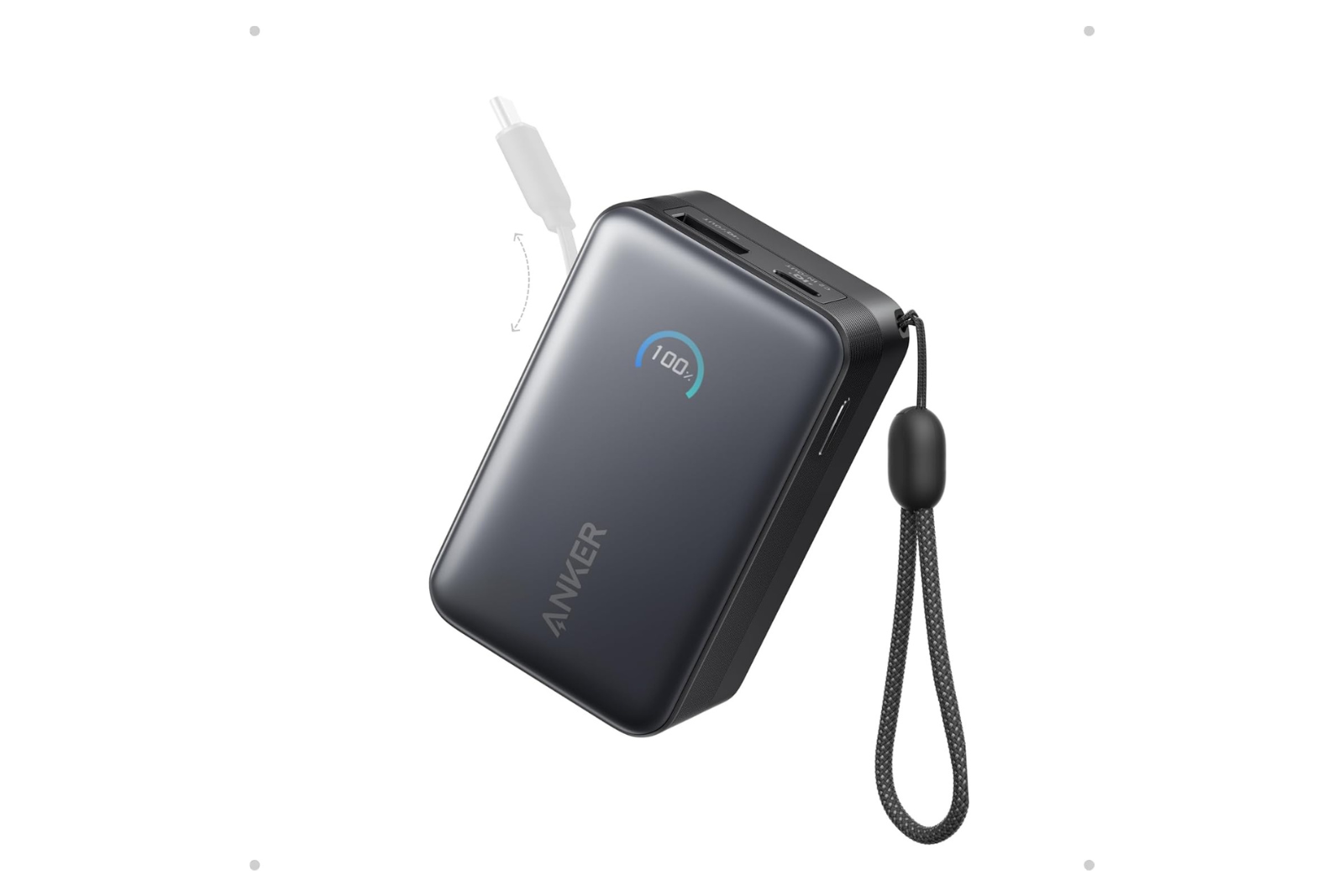
TPG staff members swear by their Anker power banks, and this version is 30% off right now. This ultra-high-capacity charging pack has a capacity of 10,000 mAh and can charge an iPhone to 100% in just over an hour. It comes with a built-in retractable USB-C cable, so you don’t have to search for your charging cords. If you want to charge more devices at the same time, it also has additional USB-C and USB-A ports.
Buy: Anker Nano portable charger, from $41.99 (normally $59.99)
Tessan universal travel adapter — from $20.51 (normally $27)
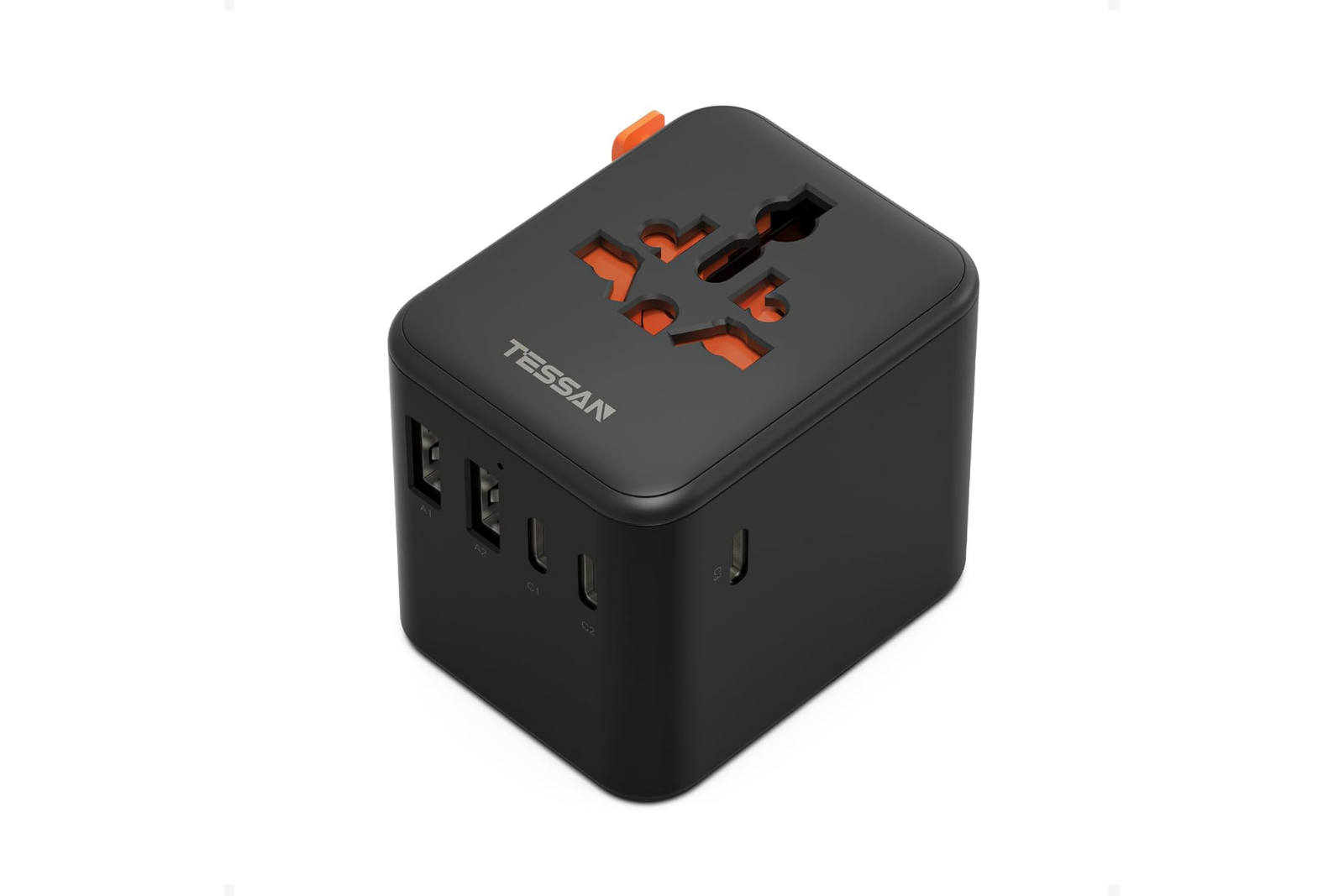
A universal power adapter is a must-have for any international traveler. This Tessan model has multiple USB and USB-C ports for your devices, and it’ll work in over 150 countries. Right now, you can get it for 24% off.
Buy: Tessan universal travel adapter, from $20.51 (normally $27)
Bagsmart compression packing cubes (set of 6) — from $24.19 (normally $43.49)
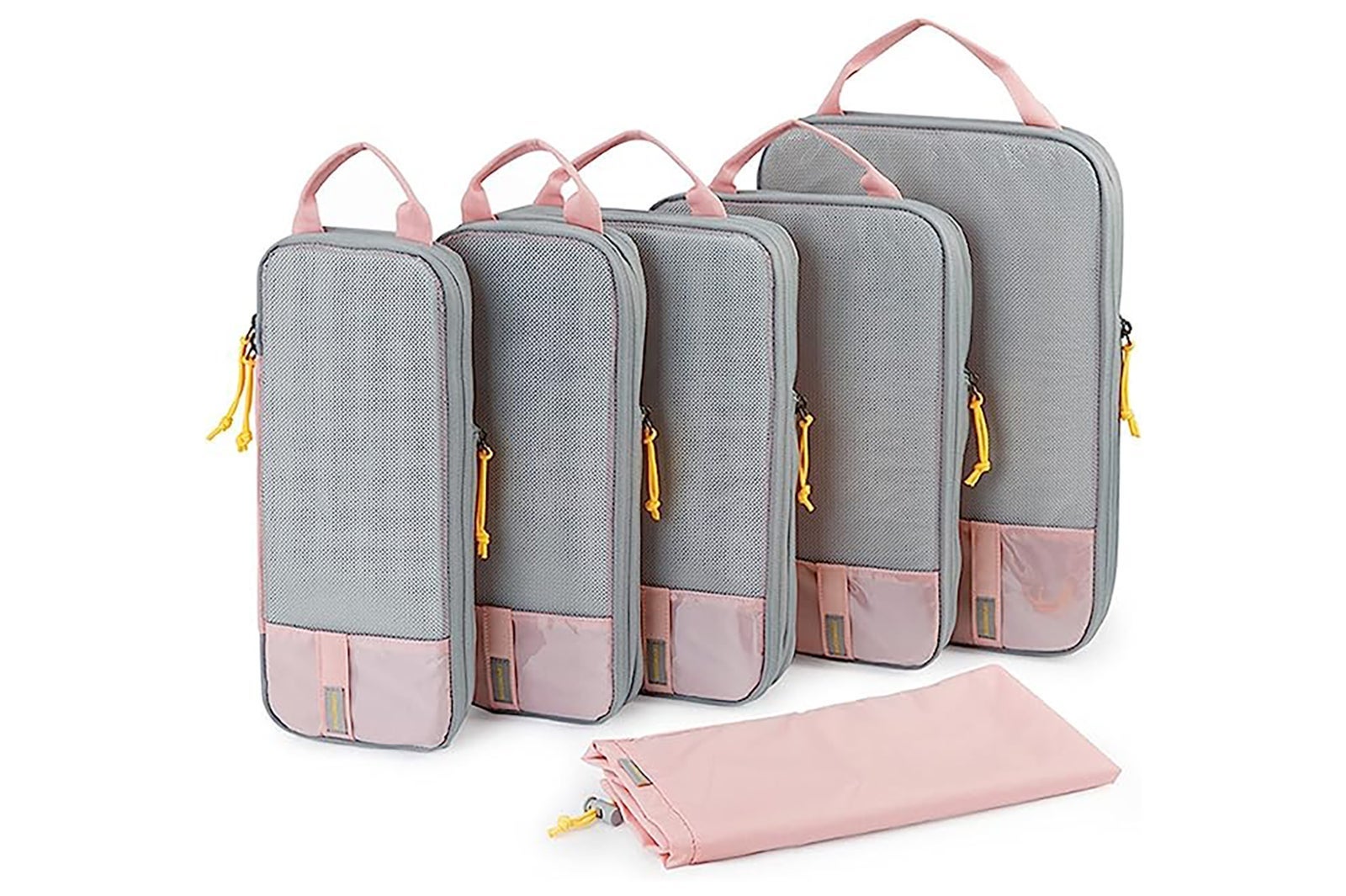
Packing cubes are absolute game changers: They are every pro traveler’s best-kept packing secret. Bagsmart’s set of compression packing cubes features various organizers in a range of sizes. They’re waterproof to boot and available in several different colors.
Note that not all colors are available, and the price depends on the color selected.
Buy: Bagsmart compression packing cubes (set of 6), from $24.19 (normally $43.49)
Cabeau Evolution Cool travel neck pillow — from $49.99 (normally $64.99)
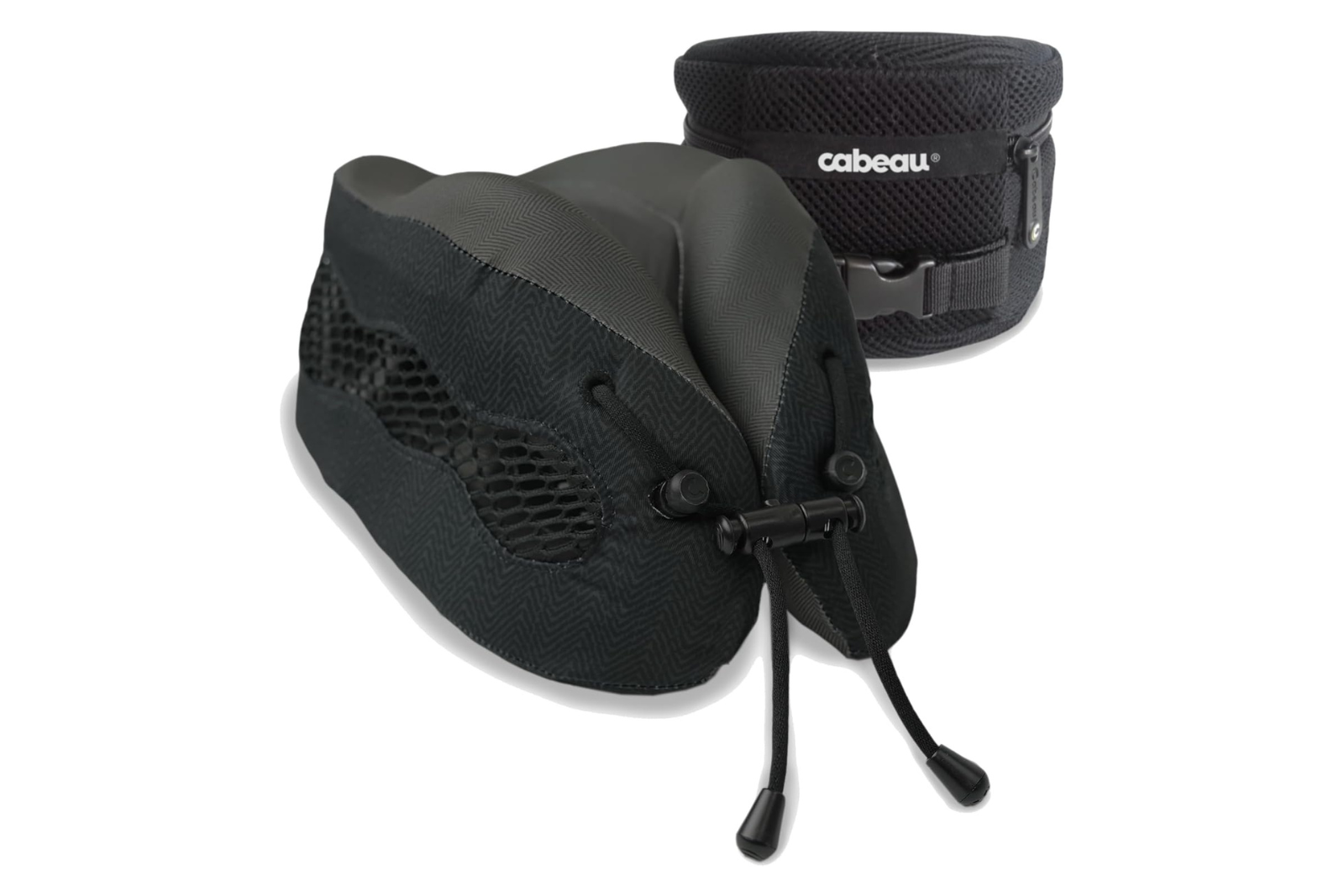
This supportive memory foam travel neck pillow is my current go-to for getting sleep in economy on longer flights. It’s extremely comfortable, can be worn multiple ways, has a storage pouch that I easily clip to my backpack and it has mesh vents for better airflow (so you don’t get overheated with the pillow fastened around your neck).
Buy: Cabeau Evolution Cool travel neck pillow, from $49.99 (normally $64.99)
Jisulife portable hand-held fan — $13.67 (normally $17.99)
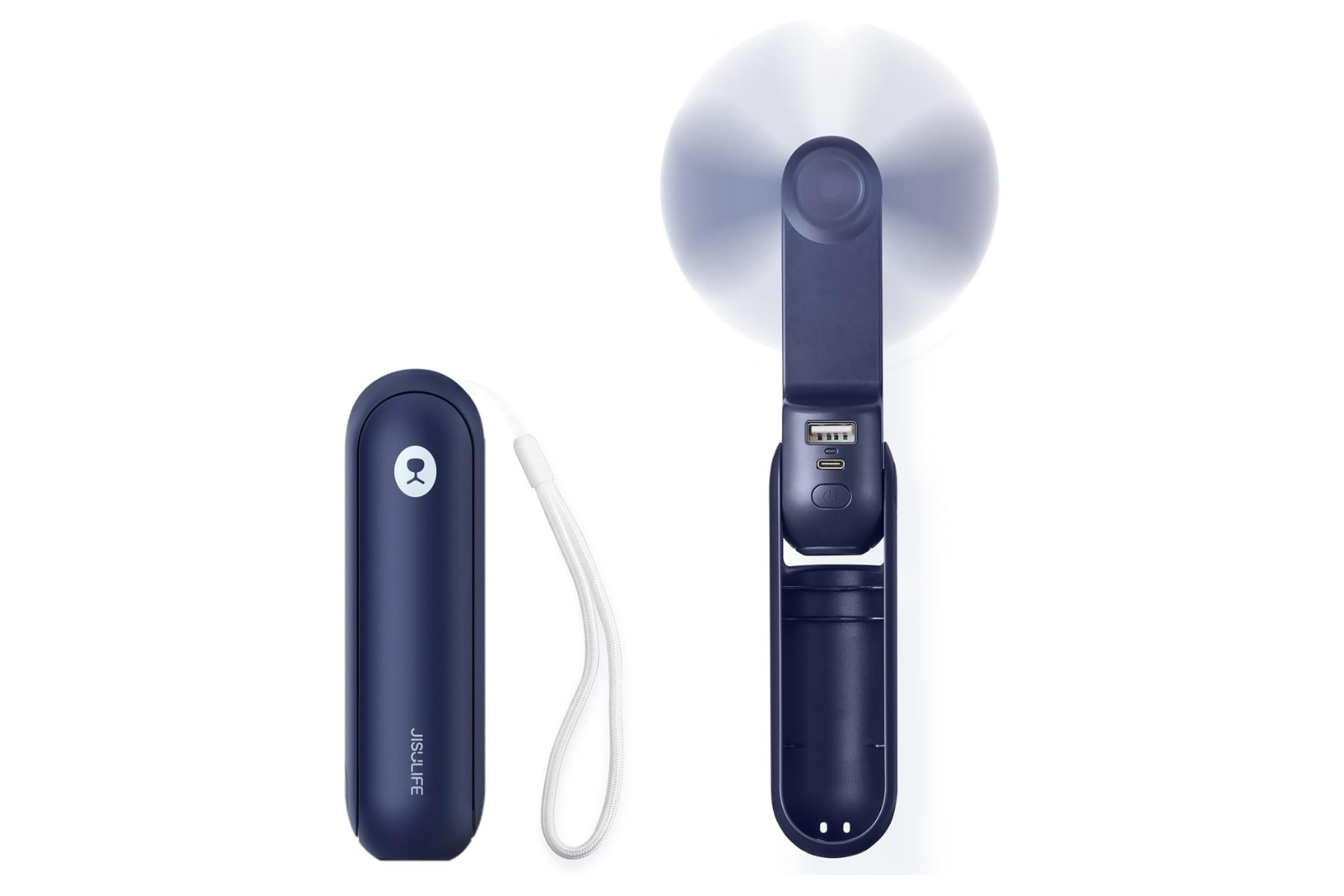
This compact desk fan won’t take up too much space in your bag, and it’s perfect for keeping cool while on the go in the summer. I use mine constantly when I’m traveling (especially to destinations that don’t have the same love of indoor air conditioning as the U.S), but it’s also an at-home staple for me while I’m out and about during the summer.
Buy: Jisulife portable hand-held fan, $13.67 (normally $17.99)
Carry-on and checked luggage
Travelpro Platinum Elite hard-sided luggage carry-on luggage — from $229.99 (normally $314.49)
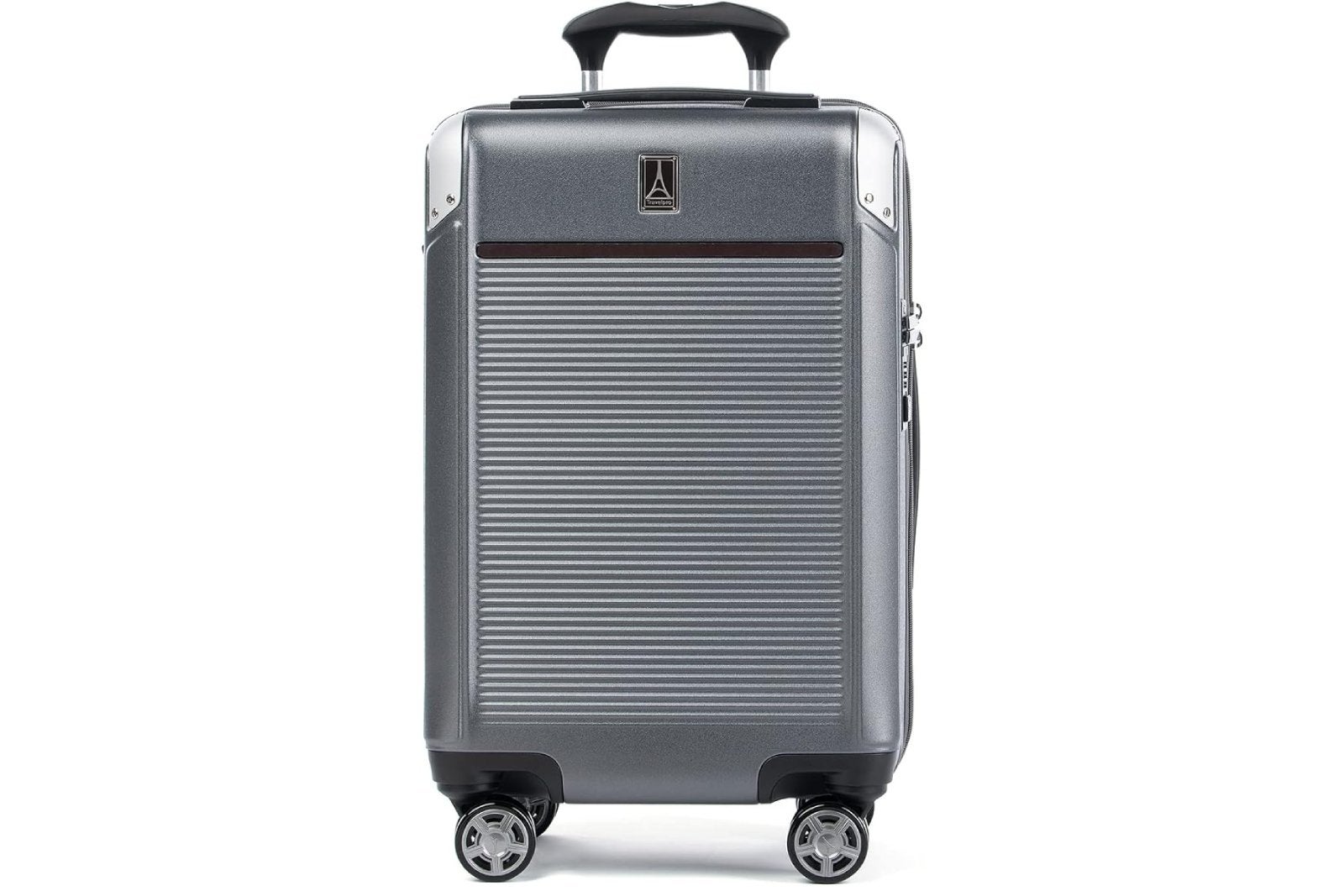
Travelpro is offering big discounts on a number of its top-performing luggage and accessories during this June’s Amazon Prime Day sale, including its Platinum Elite hard-sided luggage, and Maxlite 5 soft-sided expandable carry-on.
TPG’s Clint Henderson is a big fan of his Travelpro spinner suitcase. Overall, it has held up well. These carry-on spinner bags are great whether you’re looking to carry-on or check your bag.
Buy: Travelpro Platinum Elite hard-sided luggage, from $229.99 (normally $314.49)
Amazon Basics 21″ hard-sided carry-on luggage — $44.86 (normally $59.91)
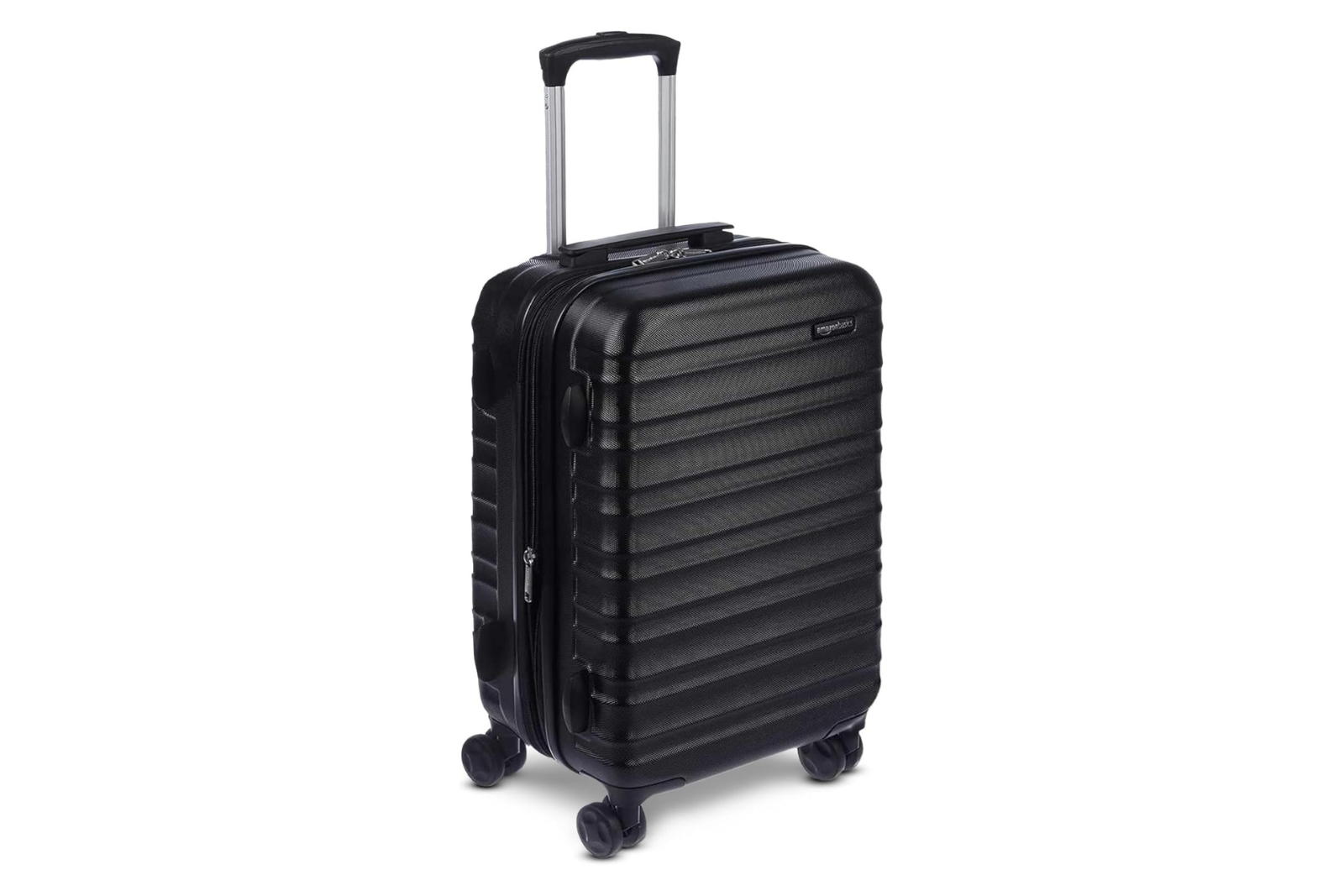
If you’re looking for a budget-friendly hard-sided carry-on option, the Amazon Basics brand isn’t a bad choice — especially when it’s on sale. This carry-on comes with a standard TSA-approved lock and internal dividers.
Buy: Amazon Basics 21″ hard-sided carry-on luggage, from $44.86 (normally $59.91)
Osprey Daylite expandable travel backpack — $82.50 (normally $110)
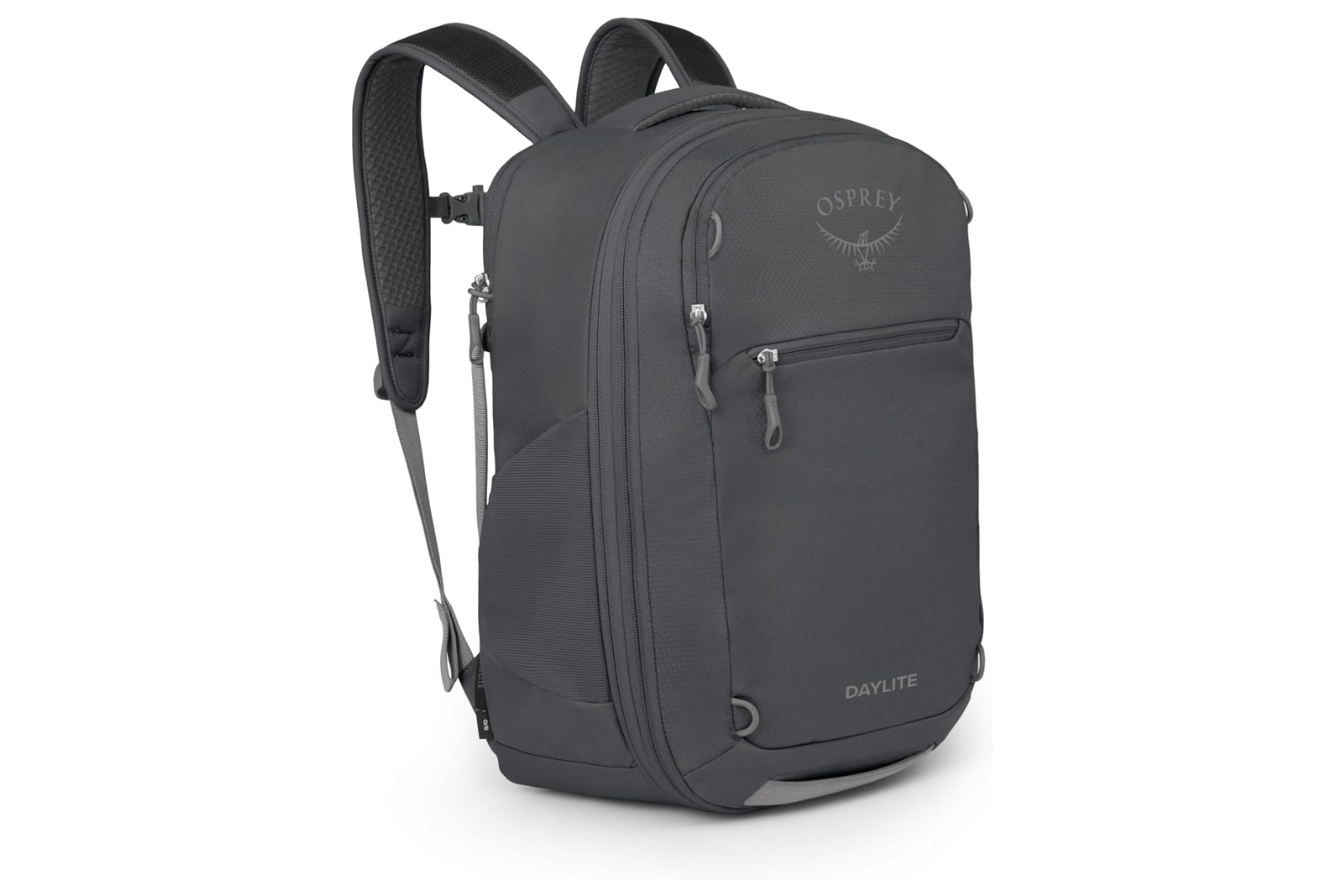
Osprey’s expandable backpack, which can be used as a personal item on most domestic and international flights, is on sale for 25% off. The “tunnel vision grey” color is an Amazon-exclusive, and the bag comes with an easy front-zip pocket, an internal laptop sleeve and a luggage sleeve so you can strap it to your roller bag for easy maneuvering. What I personally love about this backpack is that the zipper goes all the way around, allowing you to open it like a carry-on. This makes it easier to pack.
Buy: Osprey Daylite expandable travel backpack, from $82.50 (normally $110)
Headphones and travel speakers
Bose QuietComfort Bluetooth headphones — from $179.99 (normally $359)
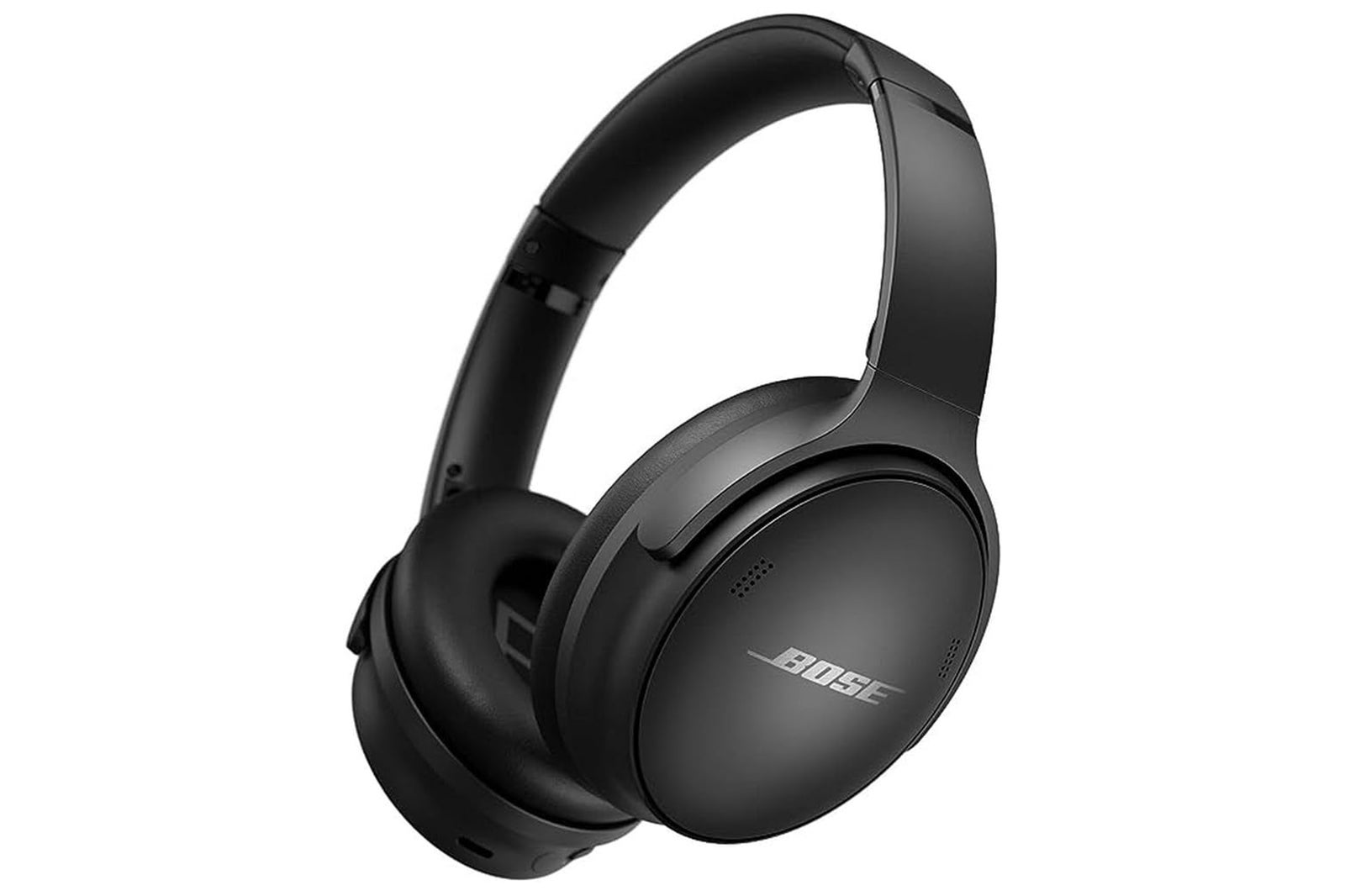
Bose’s staple noise-canceling wireless headphones are often touted as the perfect balance of quiet, comfort and sound. They have two modes: Quiet for noise cancellation and Aware for hearing your environment and music simultaneously. These are currently a whopping 50% off, so they are definitely worth checking out if you’re a fan of over-the-ear headphones.
Buy: Bose QuietComfort Bluetooth headphones, from $179.99 (normally $359)
Beats Solo 4 headphones — $99.95 (normally $199.95)
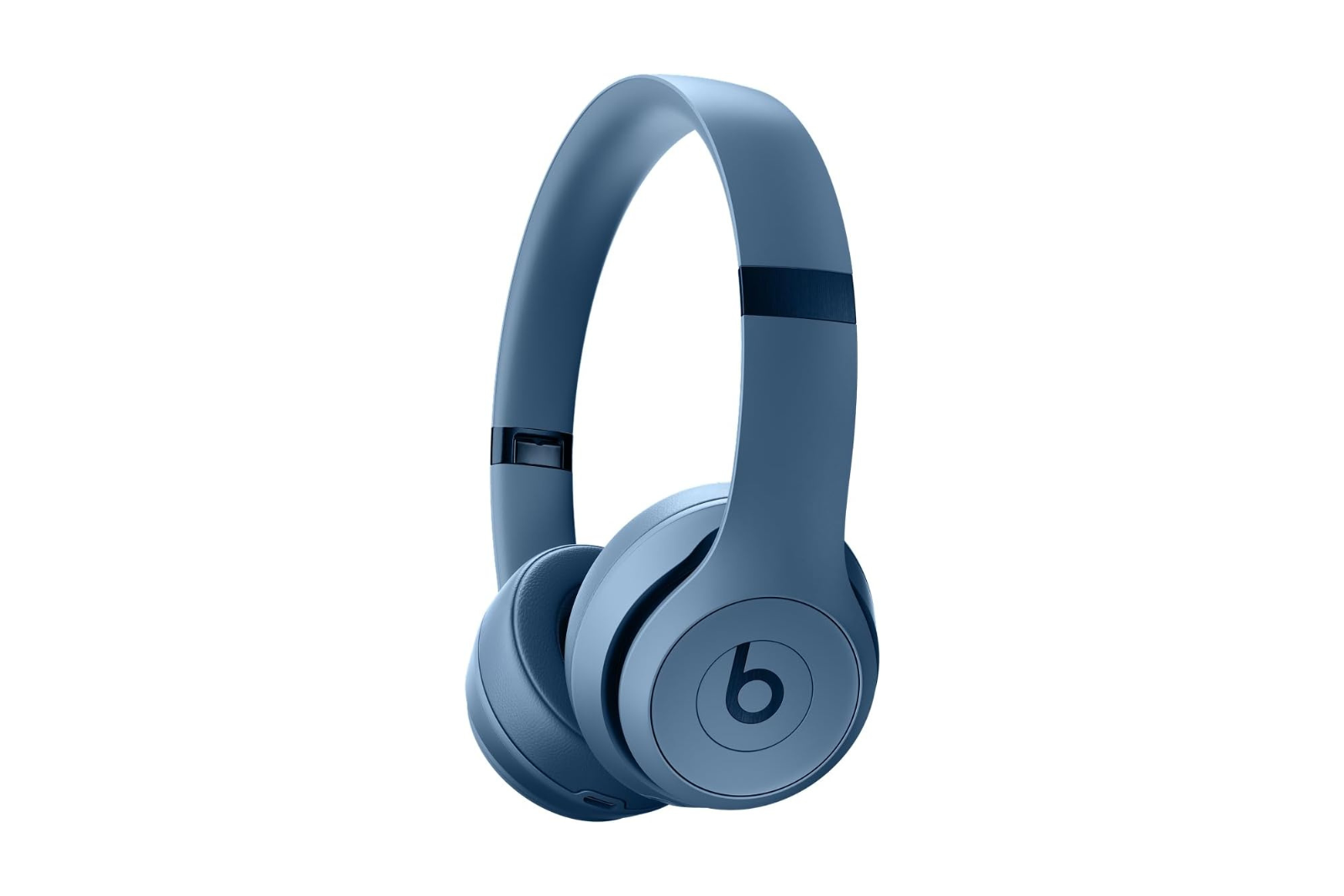
This model provides up to 50 hours of total battery life and features a more streamlined design than your typical over-the-ear headphones. These Bluetooth headphones are compatible with both Apple and Android devices, but you can also use a USB-C or 3.5mm audio cable if you prefer. All color options are currently 50% off.
Buy: Beats Solo 4 headphones, from $99.95 (normally $199.95)
Apple AirPods Pro 3 — $179.99 (normally $249)
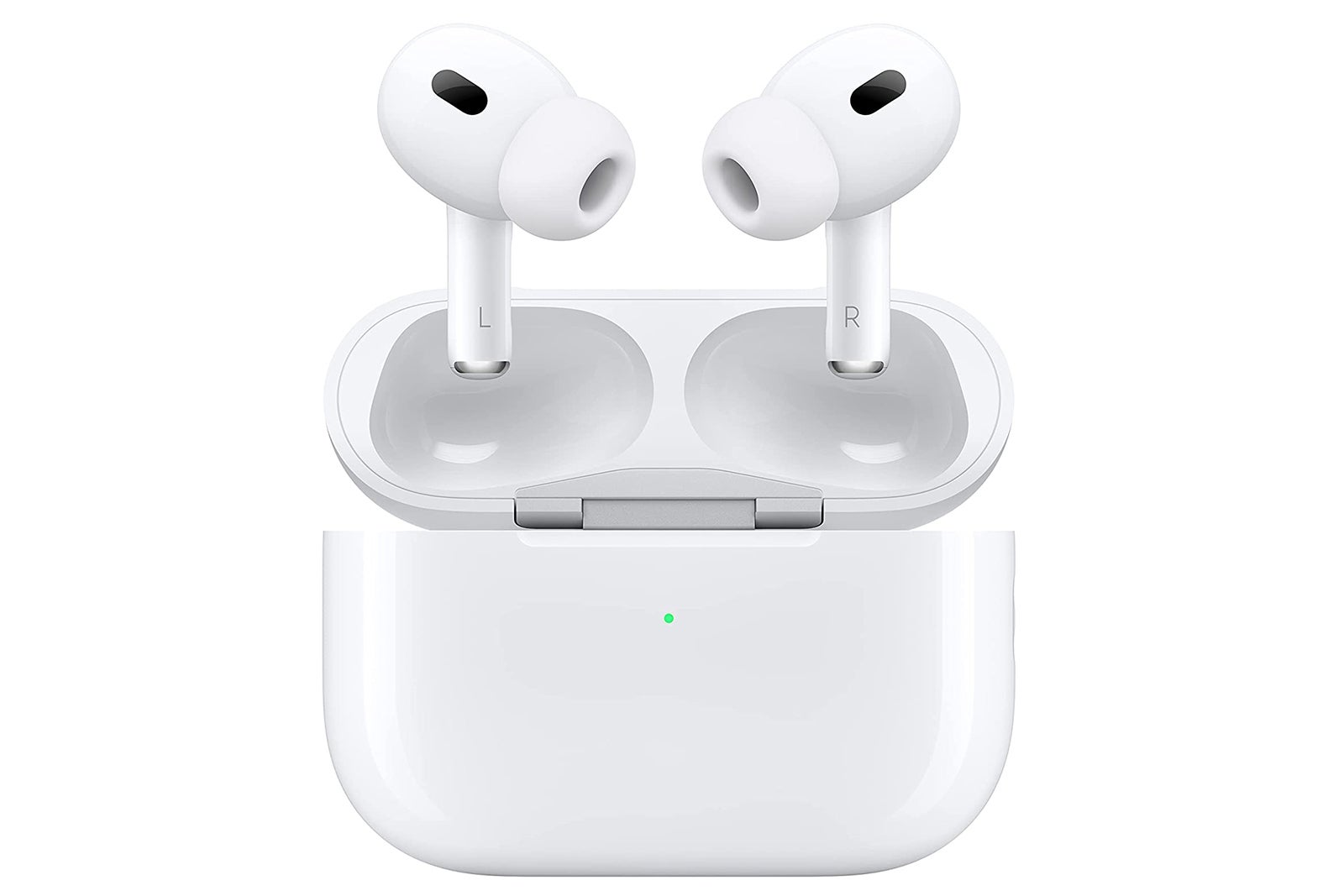
Apple AirPods Pro are a TPG favorite thanks to their superior sound quality, noise-canceling capabilities and snug fit. These are not the newest model, but they are currently available 28% below their usual asking price, which is a good deal.
Buy: Apple AirPods Pro 3, $179.99 (normally $249)
Apple AirPods 4 — $89 (normally $129)
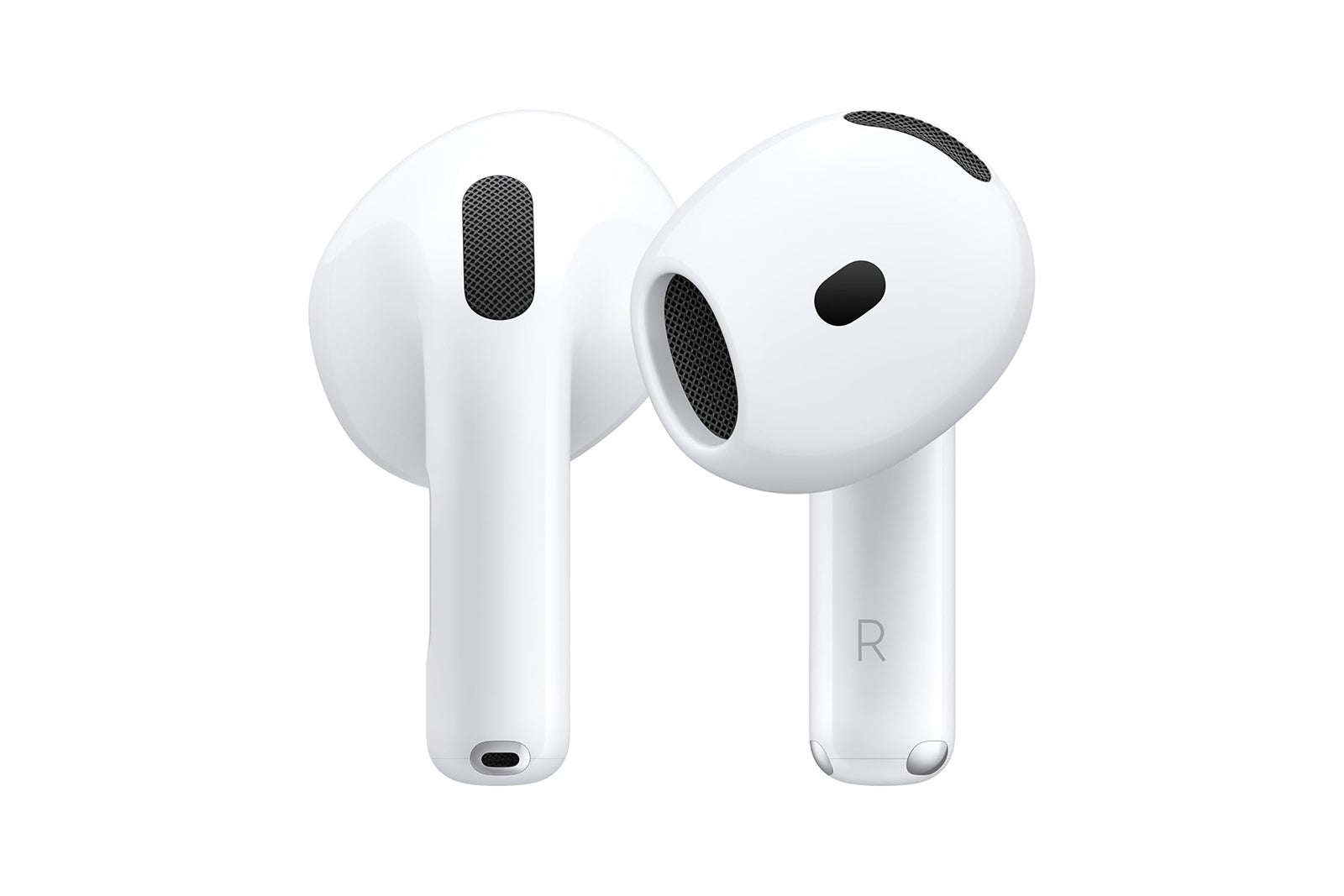
While these AirPods don’t have the fancier noise-cancellation feature of the higher-end model, they do the trick with a comfortable fit and up to 5 hours of listening time per charge. Clint has used these earbuds for years and can attest to their sound quality.
Buy: Apple AirPods 4, $99 (normally $129)
Related reading:

Stacie Harris is a local resident and reporter of the Maple Grove area. Stacie reports on medicine and science for the Maple Grove Report.