United Airlines is throwing its hat in the ring on two popular leisure routes from Cleveland. The carrier on Thursday announced it’s adding nonstop service from Cleveland Hopkins International Airport (CLE) to Miami and Las Vegas.
Both flights will launch later this year.
It’s part of what the Chicago-based airline said will form its largest schedule from the northern Ohio city in about a decade. Keep in mind that United used to operate a hub at CLE, but it wound down in 2014.
Tickets for both routes will go on sale this evening.
United’s new Cleveland service to Las Vegas’ Harry Reid International Airport (LAS) will launch Sept. 24 and operate throughout the year.
Join over 700,000 readers for breaking news, in-depth guides and exclusive deals from TPG’s experts
GABRIELLE BERNARDINI/THE POINTS GUY
Its flights to Miami International Airport (MIA) will be a bit more limited. That route will kick off Dec. 3 and run only during the peak winter season months through early April.
Each route will operate on Mondays, Thursdays, Fridays, Saturdays and Sundays on one of United’s Boeing 737-800s.
“Cleveland is an important market for United, and these flights continue the investment in our route network there by providing the local community with more nonstop and convenient flight options,” Mark Weithofer, United’s managing director of domestic network planning, said in a statement announcing the news.
United operated over 60,000 flights from Cleveland in 2013, according to Cirium data, averaging over 160 daily departures. That included service to both LAS and MIA.
Last year, the carrier operated just over 11,000 flights from the airport, or around 30 per day.
United will have competition on both its Las Vegas and Miami routes: Southwest Airlines and Frontier Airlines both fly CLE-LAS. Frontier and American Airlines fly CLE-MIA.
Related reading:
Editorial disclaimer: Opinions expressed here are the author’s alone, not those of any bank, credit card issuer, airline or hotel chain, and have not been reviewed, approved or otherwise endorsed by any of these entities.
The SAP SD module is built on tables and uses them to store data. We’ll go through SAP SD tables and their relationships in this tutorial. SAP SD tables are critical storage for corporate data connected to SAP ERP software’s sales and distribution activities. The SD tables are basically divided into three parts:
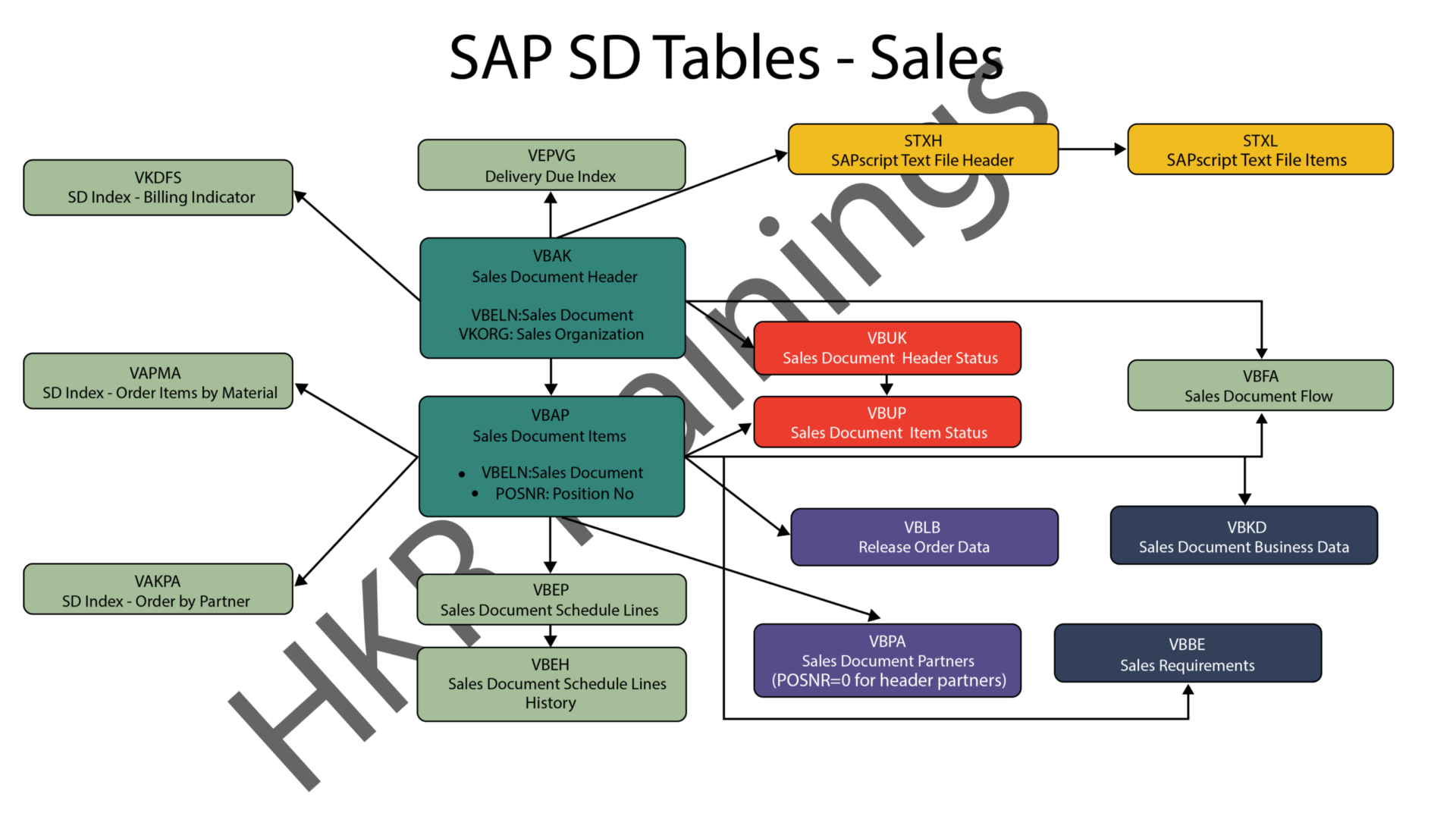
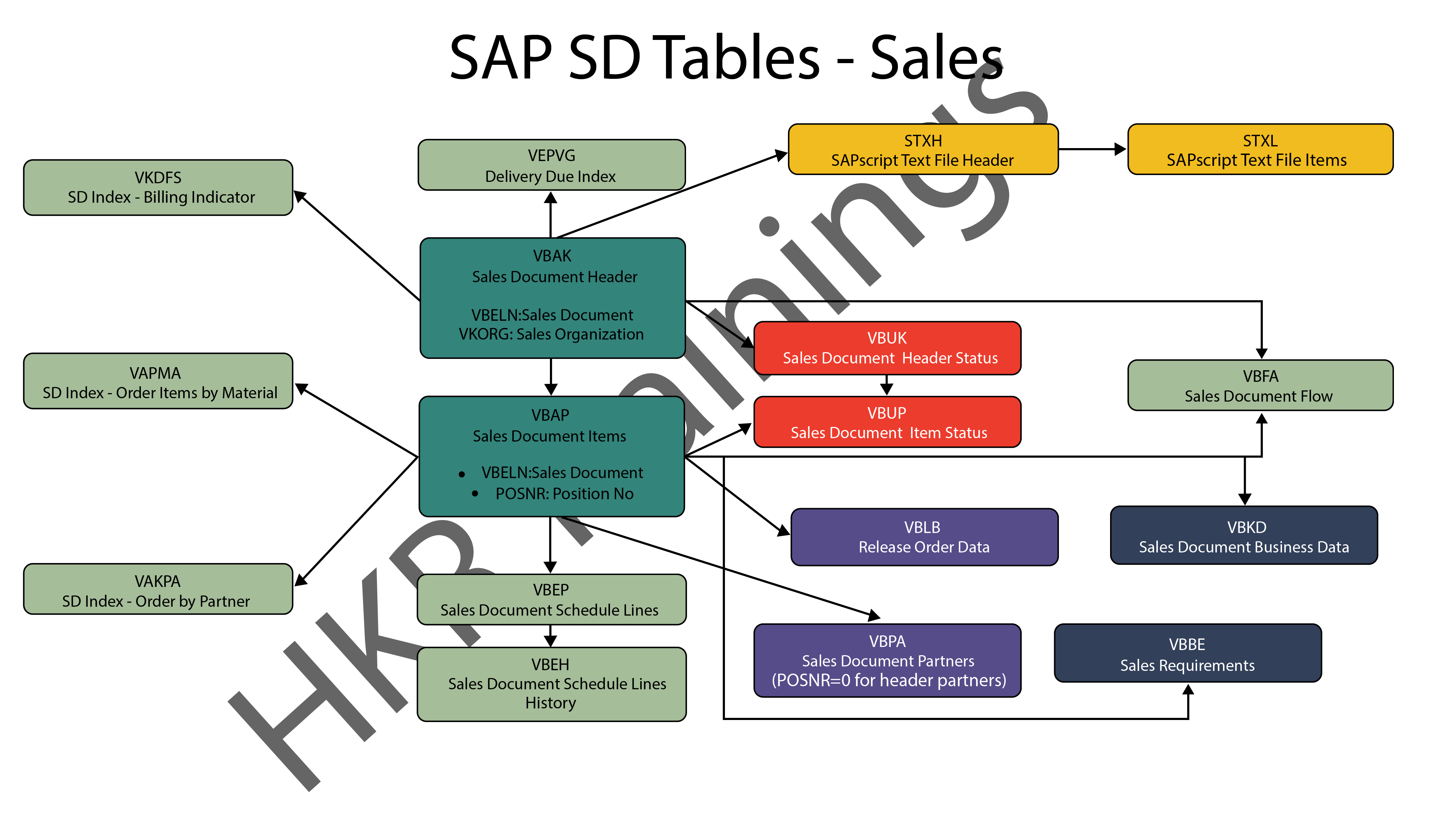
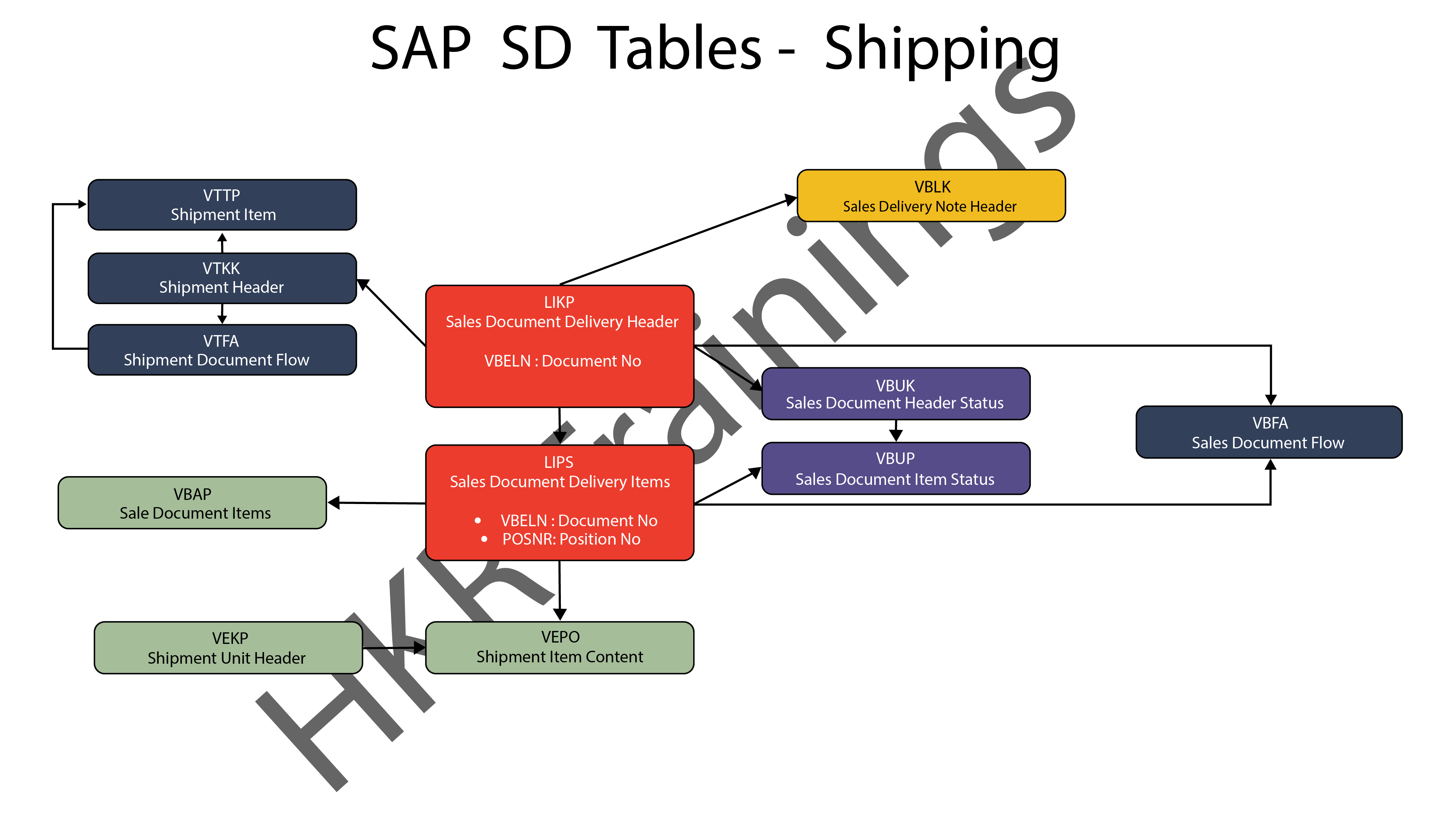
These are the SD module’s building blocks, and it’s only natural to address tables in this sequence. Please look at the slides to see how the tables from different blocks were connected. Being an expert in SAP SD necessitates an understanding of these relationships.
Become a SAP SD Certified professional by learning this HKRSAP SD Training!
1) Sales
In SAP SD, the first block is about sales procedures.This indicates that the SAP SD tables in this block would be related to sales orders, quotations, and other similar transactions. We designed a visual slide that lists all of the tables and their relationships.
2) Shipping
ThIs section is about SAP SD’s shipping processes. In this section, SAP SD tables deal with inbound and outbound deliveries, as well as shipments. Likewise, we’ve created a visual slide with links illustrating table relationships.
SAP SD Training
Master Your Craft
Lifetime LMS & Faculty Access
24/7 online expert support
Real-world & Project Based Learning
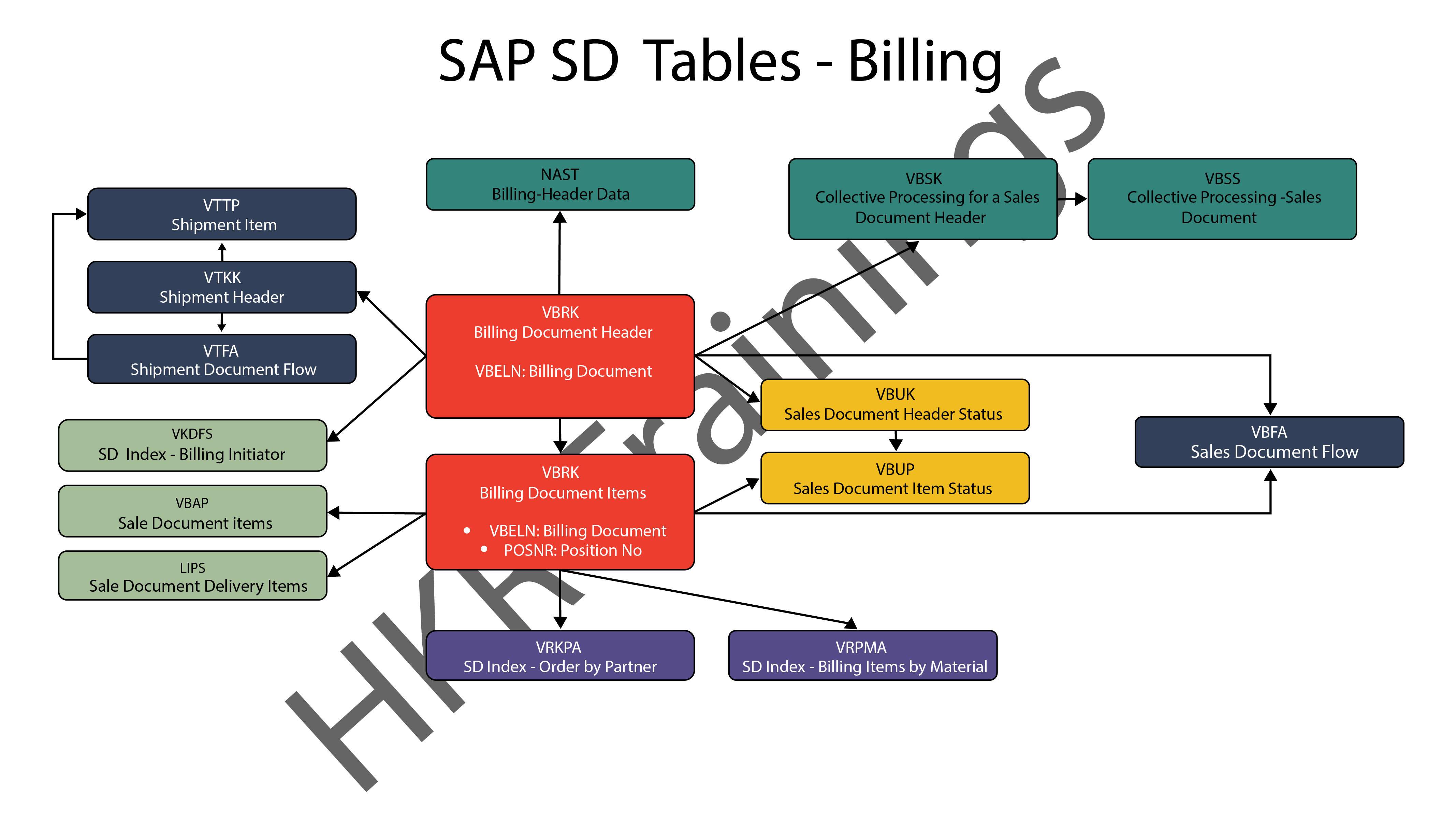
3) Billing
The billing feature of SAP SD is the last but not least. SAP has a variety of tables which are used to support a company’s billing procedures. Billing documents, as well as other related data, such as output conditions, are saved in these tables by SAP.
To provide the best experiences, we use technologies like cookies to store and/or access device information. Consenting to these technologies will allow us to process data such as browsing behavior or unique IDs on this site. Not consenting or withdrawing consent, may adversely affect certain features and functions.
Functional
Always active
The technical storage or access is strictly necessary for the legitimate purpose of enabling the use of a specific service explicitly requested by the subscriber or user, or for the sole purpose of carrying out the transmission of a communication over an electronic communications network.
Preferences
The technical storage or access is necessary for the legitimate purpose of storing preferences that are not requested by the subscriber or user.
Statistics
The technical storage or access that is used exclusively for statistical purposes.The technical storage or access that is used exclusively for anonymous statistical purposes. Without a subpoena, voluntary compliance on the part of your Internet Service Provider, or additional records from a third party, information stored or retrieved for this purpose alone cannot usually be used to identify you.
Marketing
The technical storage or access is required to create user profiles to send advertising, or to track the user on a website or across several websites for similar marketing purposes.