Fact checked by Nick Blackmer
:max_bytes(150000):strip_icc():format(jpeg)/GettyImages-841324240-f62a75d6716f4b8db313d1488e4a88d5.jpg "Rice cakes on old wooden background. Dietary food with low calories")
Credit: SasaJo / Getty Images
- Rice cakes have a high glycemic index, meaning they can cause blood sugar levels to rise quickly.
- Their effect on blood sugar is largely due to the fact that they’re made from refined grains.
- Pairing rice cakes with fiber, protein, or fat can help slow digestion and blunt the blood sugar spike.
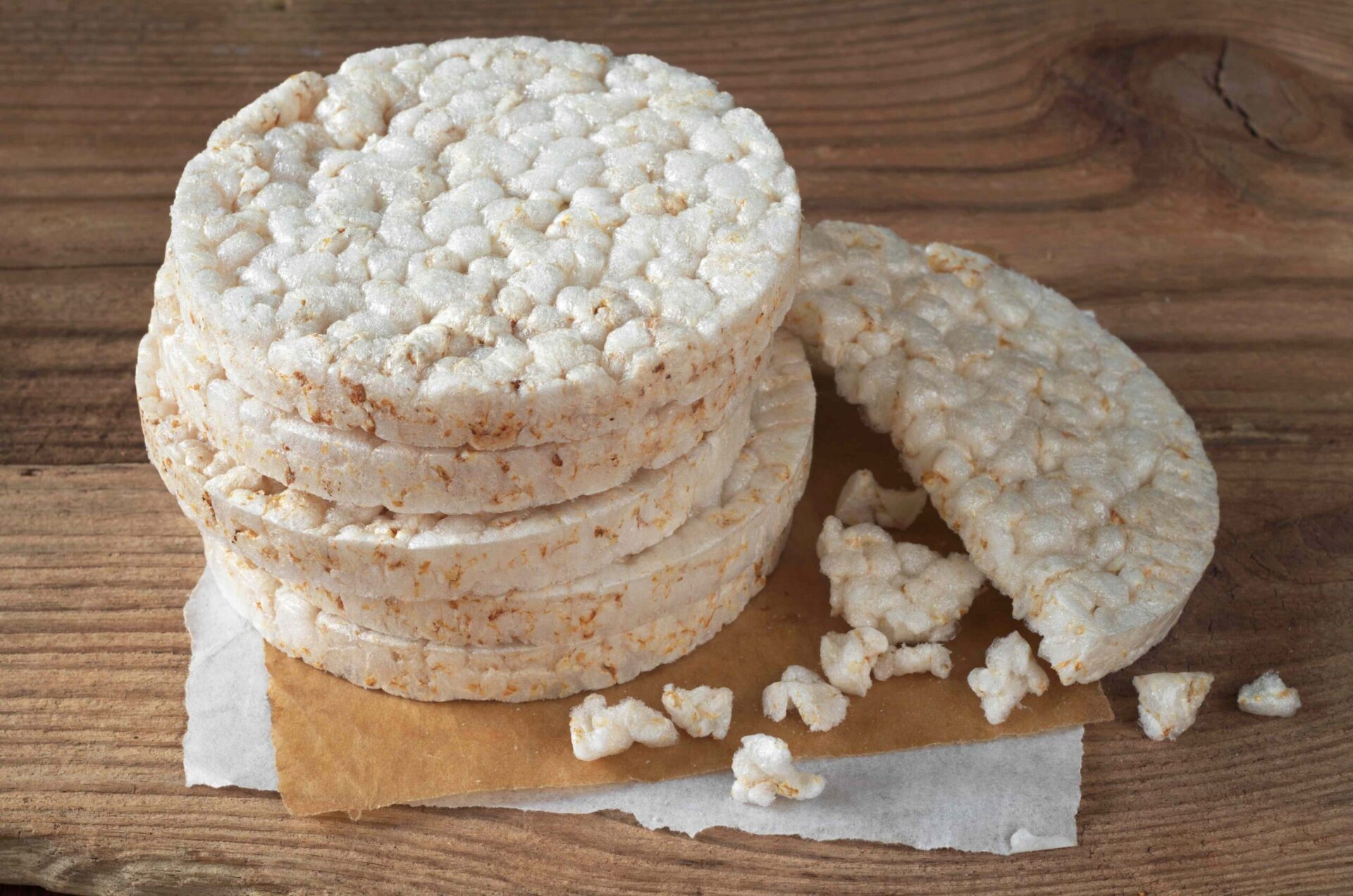
Rice cakes are often perceived as a smart dietary choice. But because they’re made from refined grains, they can trigger a disproportionate spike in blood sugar—potentially leading to an energy crash soon after eating them.
Related: Are Rice Cakes Healthy? 5 Benefits
Why Rice Cakes Can Spike Blood Sugar Quickly
A helpful way to understand what rice cakes do to blood sugar levels is to look at where they fall on the glycemic index, a scale from 0 to 100 used to measure how quickly a food raises blood sugar levels. Rice cakes have a GI of about 82, which classifies them as a high-glycemic food, since any value over 70 is considered high. For comparison, rice cakes come in just slightly lower than white bread, which can have a GI of 90.
The high glycemic index of rice cakes is related to the fact that they are essentially puffed white rice, a refined grain. During the production of white rice, the fiber-containing bran and germ layers of the grain are removed, eliminating most of the fiber naturally found in whole-grain (or “brown”) rice. That’s why most rice cakes contain zero grams of fiber per serving on their nutrition facts panels.
Fiber is important for healthy blood sugar responses because it slows digestion, leading to a slower and potentially lower rise in blood sugar. Because rice cakes lack it, they can cause blood sugar levels to rise quickly and then drop just as fast.
Related: What Is the Healthiest Type of Rice?
What That Spike Feels Like in Your Body
This quick bump and dip in blood sugar translates to a surge in energy levels with an equally noticeable crash soon after. That process typically manifests in the body as a short-lived period of satiety and alertness, followed by fatigue—and, commonly, feeling hungry again.
Research shows that sharp spikes and subsequent drops in blood sugar may increase cravings for sugary or high-calorie foods, as the body looks for quick sources of glucose, such as simple, refined carbohydrates, to restore blood sugar levels. Some evidence also indicates that frequent, large blood sugar fluctuations may contribute to insulin resistance, which can increase the risk of type 2 diabetes over time.
Are Rice Cakes “Bad” for You?
So, does this mean that rice cakes are “bad” for you or an overall poor dietary choice? Not necessarily.
These crunchy snacks aren’t inherently unhealthy, but rather offer little nutritional value. And because of their strong blood sugar response, eating a large number of rice cakes—which is easy to do given how light and airy they are—can cause glucose levels to spike significantly, especially if they are not paired with other foods that help moderate that response. If eaten as a late-night snack, this blood sugar effect may be even more pronounced, as research suggests that glucose tolerance is generally better earlier in the day.
While anyone who eats rice cakes can expect this response, it may be particularly problematic for people who need to closely monitor their blood sugar levels, such as those with metabolic syndrome, type 2 diabetes, or prediabetes.
How to Eat Rice Cakes Without the Blood Sugar Crash
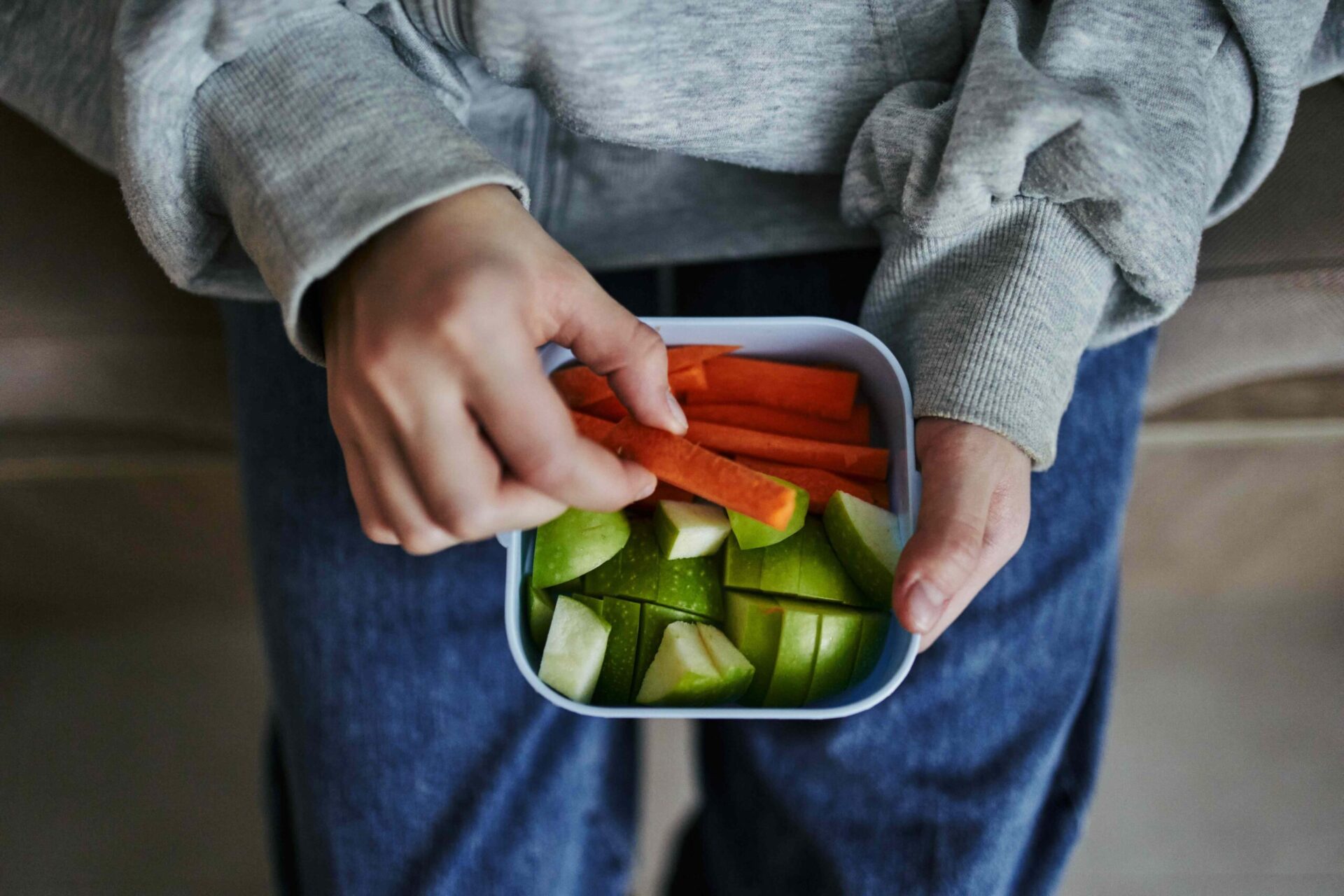
That said, as a low-calorie food, rice cakes can serve as a base for other nutrient-dense foods that help moderate the blood sugar response. Fiber isn’t the only nutrient that slows digestion; protein and fat have a similar effect and can make for satisfying rice cake toppings. Fiber can be found in meaningful amounts in vegetables, fruits, whole grains, seeds, nuts, and legumes. Meanwhile, good sources of protein include fish, poultry, lean meats, eggs, legumes, nuts, and seeds. Olive oil, avocados, nuts, and seeds are rich in healthy fats.
With this in mind, nut butter, cottage cheese, deli turkey, avocado, guacamole, hummus, bean dips, smoked salmon, sliced fruit, cucumber, and low-fat cheeses are all solid rice cake topping options that can help blunt the blood sugar response while also providing additional beneficial nutrients. Generally, it’s best to include at least a source of fiber and protein when enjoying rice cakes—bonus points for adding a source of fat as well—for a more balanced snack.
Additionally, there are plenty of whole-grain or brown rice cake options available today. These varieties may produce a less pronounced blood sugar response than white rice–based rice cakes. Even so, it’s still best to enjoy these options with nutrient-dense toppings to help keep blood sugar levels as stable as possible.





:max_bytes(150000):strip_icc():format(jpeg)/Health-GettyImages-1359002988-c5035308e08d4f738370002f8c2c837b.jpg "A person holding a bowl with sliced carrots and apple pieces on their lap")