Medically reviewed by Allison Herries, RDN
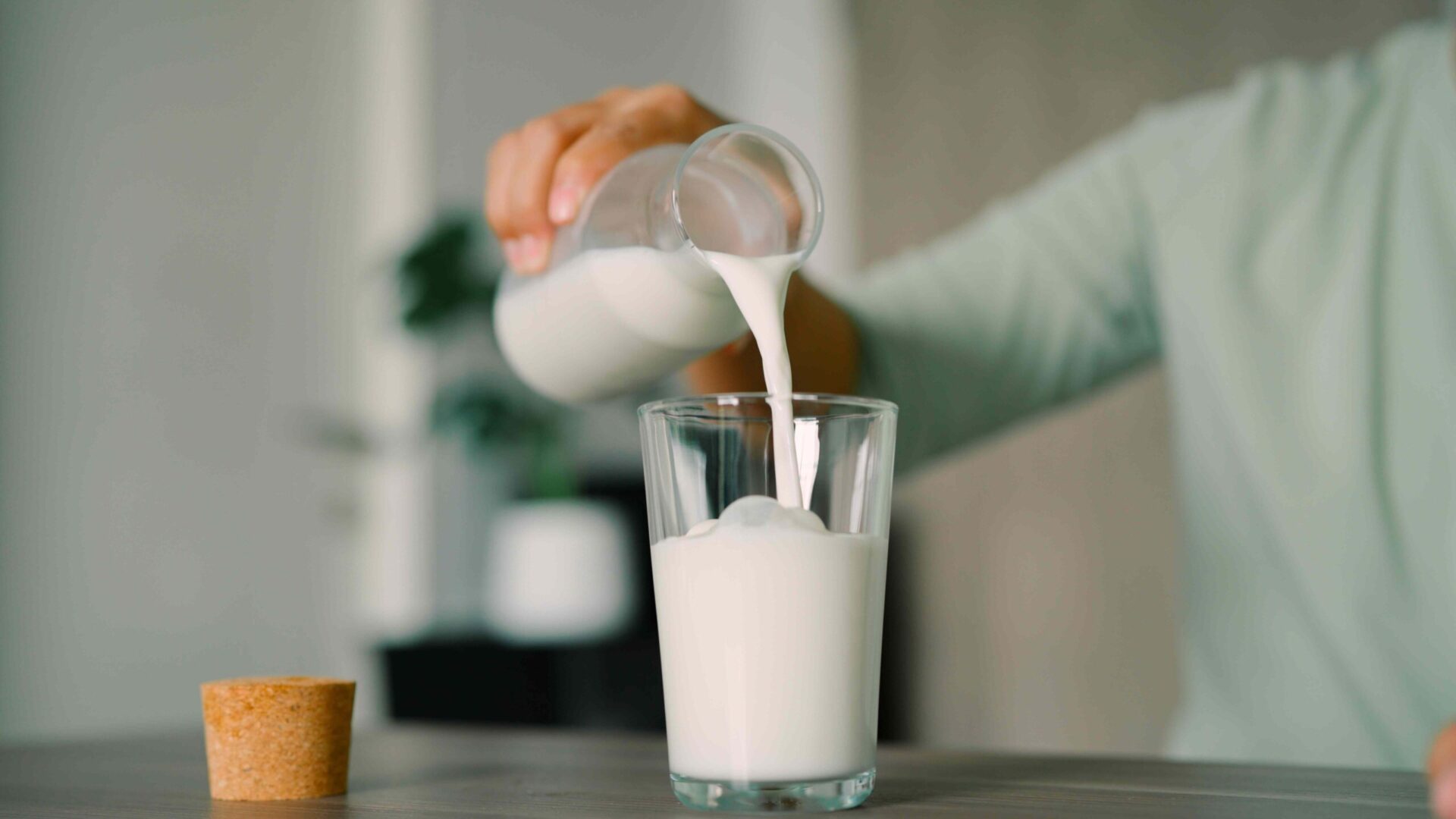
:max_bytes(150000):strip_icc():format(jpeg)/Health-GettyImages-2213997170-5ac06705019a4cd78e23f3d9874193e1.jpg "A persons hand pouring milk into a glass next to a cork lid on a table")
Credit: Keeproll / Getty Images
- Drinking whole milk may lower your risk of heart disease and obesity.
- Whole milk is a good source of protein, calcium, and vitamin D.
- People with lactose intolerance or high cholesterol may want to avoid whole milk.
Drinking whole milk has benefits for bone health and weight management. To be considered "whole," milk must contain at least 3.25% milk fat by weight.
1. Possible Lower Risk of Disease
Research shows that drinking 1 cup of milk daily, including whole milk, is linked to a lower risk of heart disease, stroke, metabolic syndrome, high blood pressure, obesity, colorectal cancer, and osteoporosis (weak and brittle bones).
Milk's nutrients may protect against these conditions. Calcium binds to harmful substances in the gut, like bile acids, which prevents them from damaging the gut lining and triggering cancer growth.
2. More Healthy Fats in Your Diet
Whole milk contains over 400 fatty acids, many of which are beneficial. Research suggests that fatty acids from milk, such as C15:0 (pentadecanoic acid) and C17:0 (heptadecanoic acid), may decrease inflammation, boost cellular repair, and lower blood fat levels—all of which support heart health.
Whole milk from grass-fed cows also contains higher levels of omega-3 fatty acids and conjugated linoleic acid (CLA). Omega-3 fats have powerful anti-inflammatory properties, while CLA may have heart-protective properties.
3. Better Bone Health
Whole milk is an excellent source of nutrients needed for healthy bones. One cup of milk covers 23% of the Daily Value (DV) for calcium, a mineral essential for bone mineralization.
Milk also provides protein, phosphorus, and magnesium, all of which play important roles in bone health. Fortified whole milk is a good source of vitamin D, which is needed for calcium absorption.
Adding milk to your diet may prevent bone loss, increase bone density, and decrease the risk of fractures and osteoporosis.
4. Improvements in Weight Management
Although whole milk is higher in calories than lower-fat milk products, studies show that drinking whole milk could support weight management.
A 2024 study found that whole milk intake was linked to lower body weight, smaller waist size, and a decreased risk of obesity.
A 2020 review found that, compared with reduced-fat milk, whole milk intake was associated with a 39% lower risk of overweight or having obesity in children.
Whole milk may support weight management by slowing digestion, increasing feelings of fullness, and replacing calories from sugar-sweetened beverages. Certain fatty acids in milk, such as CLA and butyric acid, may also decrease calorie intake and increase calorie burning.
What Nutrients Does Whole Milk Offer?
Milk is nutrient-dense, providing carbohydrates, fat, protein, vitamins, and minerals. One cup of whole milk contains:
- Calories: 149
- Carbohydrates: 11.3 grams (g)
- Total fat: 7.81 g
- Saturated fat: 4.54 g
- Unsaturated fat: 1.68 g
- Cholesterol: 29.3 milligrams (mg)
- Protein: 7.98 g
- Calcium: 300 mg, or 23% of the DV
Other Vitamins and Minerals
Whole milk is also good source of many micronutrients, including:
- Calcium: Dairy is famous for its calcium content. In addition to supporting bone health, calcium is necessary for nerve and muscle function, hormone secretion, blood vessel dilation, and more.
- Vitamin B12: One cup of whole milk provides 55% of the DV for vitamin B12, which is involved in neurological function, metabolism, red blood cell production, and more.
- Vitamin D: Though milk is not a natural source of vitamin D, most milk sold in the United States is fortified with this nutrient. One cup of fortified whole milk provides 12% of the DV, which supports calcium absorption, helps regulate inflammation, supports immune health, and more.
The nutritional content of milk varies depending on a number of factors, including the cows' diets. For example, organic and grass-fed milk usually contains more antioxidants, which protect against cellular damage and inflammation.
Are There Any Risks of Drinking Whole Milk?
Though whole milk is nutritious and provides several health benefits, it has some downsides:
- Disease risk: A research review found that high milk consumption was associated with a greater risk of prostate cancer, Parkinson's disease, and acne. While more research is needed, people at risk of these conditions may want to decrease their milk intake.
- Lactose content: Cow's milk is high in lactose, a type of sugar. People with lactose intolerance do not produce enough lactase, an enzyme needed to break down lactose for absorption. This leads to digestive symptoms, such as diarrhea and gas, after consuming lactose-containing foods like milk. If you have lactose intolerance, avoid milk or choose lactose-free milk.
- Higher dose of fat: Whole milk is much higher in saturated fat and cholesterol than low-fat milk products. While higher-fat foods generally are not a concern for most people, those with certain health conditions may want to stick to low-fat dairy products. For example, people with familial hypercholesterolemia, a genetic condition that causes high levels of low-density lipoprotein (LDL) cholesterol, need to limit their intake of cholesterol-rich foods, like whole milk.
Tips for Adding Whole Milk to Your Diet
Whole milk has a thicker texture and creamier taste than low-fat milk products. Here are a few ways to enjoy it:
- Add whole milk to smoothies and protein shakes.
- Drink whole milk for a post-workout snack.
- Enjoy whole milk in breakfast dishes like cereal and oatmeal.
- Add a splash of whole milk to your morning coffee or tea.
- Mix whole milk into soups and sauces for added creaminess.
When shopping for whole milk, it's best to avoid sugar-sweetened products, like chocolate milk, which can contain high levels of added sugar. You may also want to choose organic and grass-fed whole milk for higher nutrient levels, or pasture-raised dairy to ensure animal welfare.