What Happens When You Add Chia Seeds to Your Pre-Workout Snack


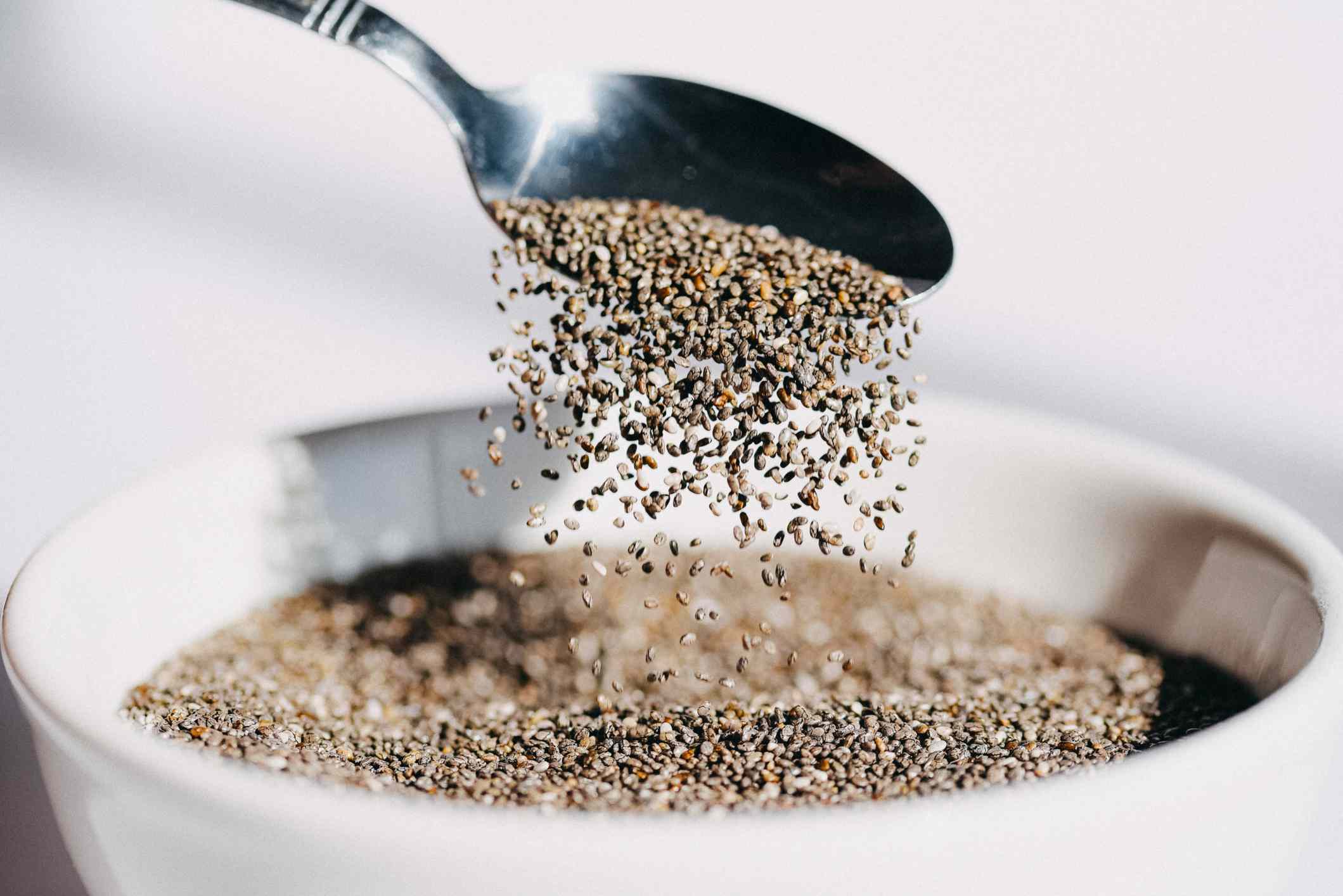
Chia seeds provide nutrients that can support energy, blood sugar, and hydration during exercise.Credit: Stefania Pelfini la Waziya / Getty Images
Chia seeds provide nutrients that can support energy, blood sugar, and hydration during exercise.
Credit: Stefania Pelfini la Waziya / Getty Images
  • Chia seeds contain fiber, carbohydrates, protein, and minerals that support steady energy during exercise.
  • The soluble fiber in chia seeds forms a gel that can aid hydration and support stable blood sugar levels.
  • Chia seeds may help sustain endurance when included in pre-workout snacks, but research is limited.

Chia seeds may be small, but they contain meaningful amounts of fiber, protein, and micronutrients. While not a performance booster on its own, these nutrients may help with steadier energy and endurance during exercise.

What’s in Chia Seeds That Could Affect Performance?

Chia seeds contain several nutrients that may influence exercise performance:

  • Fiber: Chia seeds contain 10 grams of fiber per ounce, primarily soluble fiber. Soluble fiber forms a gel when mixed with liquid, which slows digestion and supports a steady release of energy after eating. This gel also allows chia seeds to absorb several times their weight in water, which may help support hydration during exercise.
  • Carbohydrates: Carbohydrates are the body’s primary fuel source during exercise. Chia seeds contain about 12 grams of carbohydrates per ounce, which can contribute to energy availability when eaten before your workout.
  • Omega-3 fatty acids: Chia seeds contain alpha-linolenic acid (ALA), a plant-based omega-3 fatty acid. Omega-3s have anti-inflammatory benefits and may support post-exercise recovery by reducing markers of muscle damage and inflammation, although more studies are needed to confirm their effects.
  • Protein: Chia seeds contain 5 grams of plant protein per ounce. While not a major protein source on their own, chia seeds can contribute to overall protein intake, supporting muscle maintenance and recovery.
  • Minerals: Chia seeds contain small but meaningful amounts of iron, magnesium, and calcium. These minerals help support oxygen transport, muscle contraction, and energy metabolism during exercise.

Do Chia Seeds Actually Improve Endurance?

There aren’t many studies specifically examining chia seeds for endurance exercise, but the few available provide insight. One randomized study found that consuming chia seeds as part of a carbohydrate-loading strategy yielded performance comparable to that of a traditional carbohydrate sports drink.

Another study examining chia seed oil supplementation found no improvements in time to exhaustion or other performance markers in runners. However, this study used isolated chia seed oil rather than whole chia seeds, which means it didn’t include all the beneficial nutrients found in the whole seed.

Overall, whole chia seeds may support endurance exercise by providing carbohydrates and other nutrients that help sustain energy during prolonged activity, but more studies are needed to confirm the benefits.

How Chia Seeds May Support More Stable Energy

One of the most interesting characteristics of chia seeds is their ability to absorb liquid and form a gel. This gel, formed by soluble fiber, slows digestion and the release of carbohydrates into the bloodstream. A slower digestive process may help keep blood sugar levels more stable, rather than resulting in a quick spike.

For endurance activities, slower-digesting carbohydrates can be helpful because they provide steady energy over a longer period. Quick-absorbing carbohydrates provide a faster energy source that may not last as long. Both types are beneficial, depending on the activity.

Chia seeds also absorb several times their weight in water, which can help with hydration when consumed before exercise. While they don’t replace drinking fluids, the gel-forming property may help with fluid balance.

How to Add Chia Seeds to a Pre-Workout Snack

Chia seeds are easy to incorporate into everyday foods and only require 1 to 2 tablespoons to provide benefits. Here are a few simple ways to include them in a pre-workout snack:

  • Stir into yogurt: Mix chia seeds into Greek yogurt and let it sit for a few minutes to soften.
  • Add to overnight oats: Chia seeds blend well and add fiber and healthy fats.
  • Blend into a smoothie: Add a tablespoon of chia seeds to a smoothie or protein shake for a nutrient-dense snack before your workout.
  • Sprinkle over nut butter toast: Sprinkle chia seeds over your favorite nut butter with sliced banana on toast for a balanced snack that includes all three macronutrients.
  • Make chia pudding: Combine chia seeds with dairy or plant-based milk, top with berries, and let them soak for at least an hour for a simple pre-workout option.

Chia seeds are high in fiber, so it’s best to start with smaller amounts, especially if you’re eating them right before exercise. For some people, too much fiber close to a workout can cause digestive discomfort.




Source link

Leave a Reply

Subscribe to Our Newsletter

Get our latest articles delivered straight to your inbox. No spam, we promise.

Recent Reviews


Lululemon clothing is being investigated for PFAS.Credit: winhorse / Getty Images
Lululemon clothing is being investigated for PFAS.
Credit: winhorse / Getty Images
  • The Texas attorney general is investigating whether Lululemon clothing contains PFAS, commonly known as “forever chemicals.”
  • PFAS are widely used for stain- and water-resistant products, but their long-term health effects are still not fully understood.
  • Experts say exposure from clothing is likely low, but there are some signs to tell if your clothes contain PFAS.

Texas Attorney General Ken Paxton announced Monday that his office is launching an investigation into whether clothing from the athleisure brand Lululemon contains per- and polyfluoroalkyl substances (PFAS), long-lasting compounds commonly referred to as “forever chemicals.” The investigation has thrust these chemicals—linked to a range of negative health outcomes and used in a variety of products—into the spotlight. Here’s what to know about the Lululemon probe, PFAS, and what it could mean for your health if these compounds are lurking in your clothing.

What's the Investigation About, Exactly?

According to a press release from Paxton’s office, the investigation will examine whether Lululemon’s clothing contains PFAS "that their health-conscious customers would not expect based on the brand’s marketing.” The office “will also review the company’s Restricted Substances List, testing protocols, and supply chain practices to determine whether Lululemon’s products comply with its stated safety standards,” the release continued.

Per the release, the allegations stem from "emerging research and consumer concerns."

Lululemon, meanwhile, denied using PFAS in its apparel, which includes leggings, workout tops, and casual athleisure wear. In an email to Health, a company spokesperson said: 

"The company phased out the substance in FY23, which had been used in durable water repellent products, a small percentage of our assortment. The health and safety of our guests is paramount, and our products meet or exceed global regulatory, safety, and quality standards. We require all our vendors to regularly conduct testing for restricted substances, including PFAS, by credible third-party agencies to confirm ongoing compliance.”

What Are PFAS?

PFAS is an umbrella term for a class of chemical compounds used in a wide range of everyday products, including furniture, carpets, paint, food packaging, and clothing. They’re often added to fabrics for their stain-resistant or water-repellant properties, said Alex LeBeau, Ph.D., MPH, CIH, a toxicologist, certified industrial hygienist, and owner of Exposure Consulting in Orlando, Florida.

These compounds—which number in the thousands—have been dubbed “forever chemicals” because they don’t break down easily and have been discovered in soil, air, water, and in animals. They’ve been found in humans, too. Nearly everyone in the U.S. has measurable amounts of PFAS in their blood, according to the Centers for Disease Control and Prevention. 

How Harmful Are PFAS?

Scientists still don’t fully know how PFAS affect human health. The chemicals can be particularly challenging to study because the category includes thousands of compounds, products contain varying levels, and exposure can come from many sources.

Two of the most widely studied PFAS—PFOS and PFOA—were phased out in the U.S. in the 2010s, LeBeau said. Those long-chain PFAS, which tend to accumulate in the body and stick around for longer, were largely replaced with short-chain alternatives, which are thought to be less bioaccumulative but may still raise health concerns.

Much of the research into PFAS has focused on what happens when people ingest them through water or food. A 2025 study found a link between PFAS in drinking water and increased incidence of digestive, endocrine, respiratory, and oral cancers. Still, LeBeau said that overall, “the health impacts are still up for debate in the scientific community.” Many human studies have produced mixed results, and much of the existing research has been conducted in animals.  

While it’s possible for PFAS to be absorbed through the skin from clothing, LeBeau said it’s not considered as concerning as ingesting the chemicals. “Dermal PFAS uptake does not appear to be a concerning PFAS exposure route into the body,” he said. “Limited animal studies have suggested that PFAS may permeate the skin, but skin impact may also depend on the PFAS chemical form.”

How to Know If Your Clothing Contains PFAS

There is no federal law requiring clothing manufacturers to stop using PFAS or disclose whether their products contain them. Although, some states have banned their use in apparel and other products, and many well-known brands have said they are voluntarily phasing them out—including Lululemon. 

While LeBeau said people should be most concerned about PFAS in their food and water, it's understandable to want to avoid potentially harmful chemicals altogether. Unfortunately, it's not always easy to tell whether clothing contains PFAS—but there are a few clues.

One is if a garment is labeled as being made with GORE-TEX or Teflon, both of which are PFAS-based materials. Clothing marketed as moisture-wicking, waterproof or water-repellant, or stain-resistant is also more likely to contain PFAS. It’s also a good sign if a brand explicitly labels a product or line as PFAS-free and that claim has been verified through third-party testing.


Source link