Medically reviewed by Patricia Mikula, PharmD
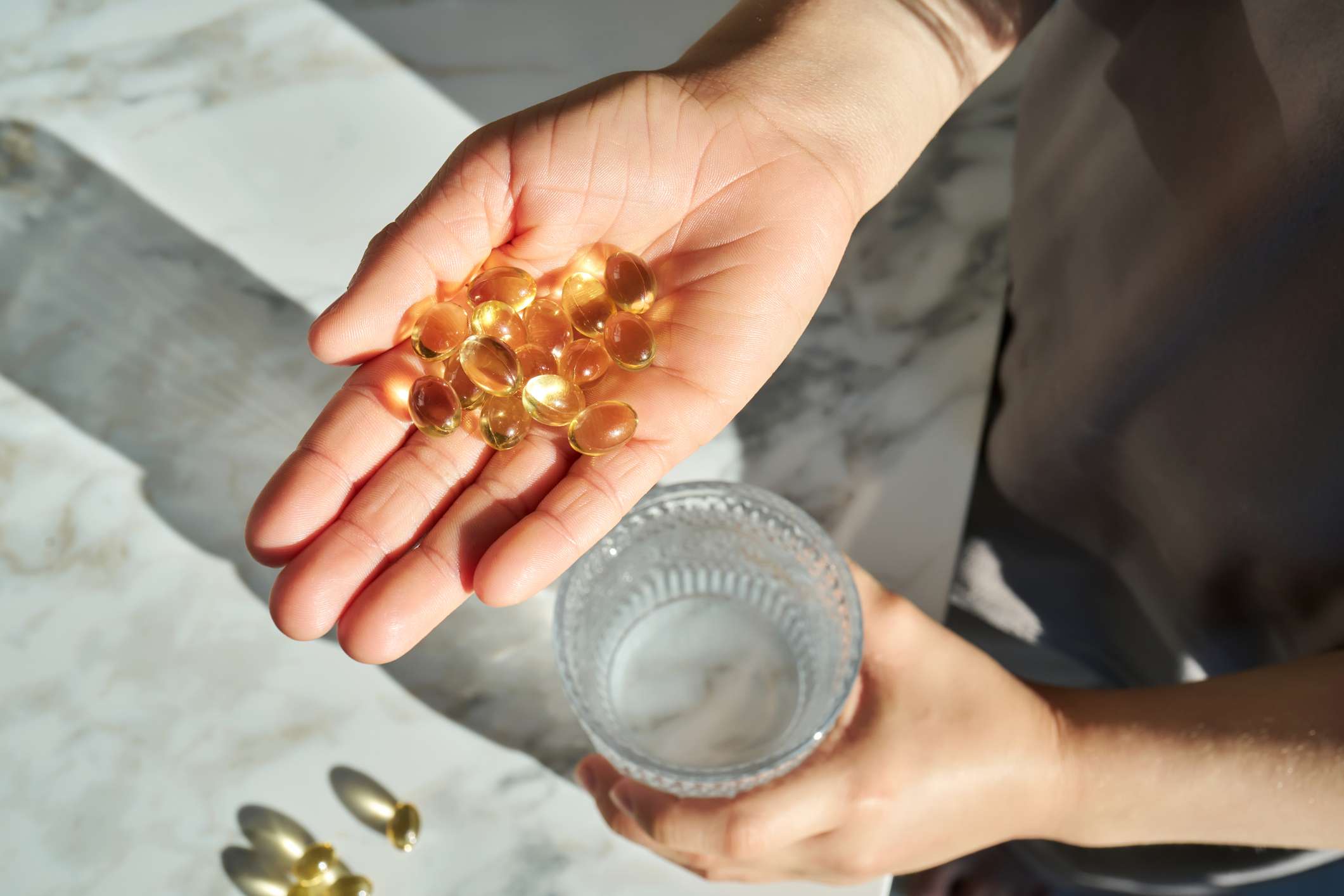
:max_bytes(150000):strip_icc():format(jpeg)/Health-GettyImages-2259861100-84094a850cc44e45a731323b339affc6.jpg "A person holding soft gel capsules in one hand and a glass of water in the other")
Credit: Denis Borisov / Getty Images
- Your body absorbs vitamin D better when you take it with fatty foods like avocados, olive oil, eggs, yogurt, and nuts.
- Most people can take vitamin D on an empty stomach without any problems. However, it may be best to take vitamin D with fatty food to maximize absorption.
- If you experience any discomfort while using medication or supplements, it may be better to take vitamin D with a meal.
Taking vitamin D supplements on an empty stomach is likely safe. However, your body may not fully absorb vitamin D, and you might feel nauseous when you take vitamin D supplements without food.
Should You Take Vitamin D With or Without Food?
Vitamin D is a fat-soluble vitamin and is poorly soluble in water. Studies have found that vitamin D is better absorbed when paired with fatty foods such as avocados, olive oil, eggs, yogurt, and nuts.
Taking vitamin D without food or a fat-based food can also significantly reduce how much of this vitamin your body absorbs.
However, some vitamin D formulations may not require fatty foods for optimal absorption. Some studies have found that the absorption of vitamin D from oil-based supplements was not affected by the presence or absence of a meal. This is likely because the oil in the supplement already provides a fat.
However, taking vitamin D without food may lead to stomach discomfort, especially nausea. If you experience any discomfort while using medication or supplements, it may be better to take vitamin D with a meal.
Best Time of Day to Take Vitamin D
There is no official time to take vitamin D supplements. Some healthcare providers recommend taking vitamin D in the morning, especially if breakfast is the largest meal of your day.
You can also take vitamin D in the evening. However, vitamin D may offset the effects of melatonin, which can affect sleep quality. If you struggle to fall asleep or have insomnia, it may be better to take it in the morning or early afternoon.
Vitamin D can also be taken in divided doses. You can take half of your total dose with breakfast and the other half with lunch or dinner. The key is to be consistent.
Foods That Help Your Body Absorb Vitamin D
Here are some foods you can pair with vitamin D for optimal absorption:
- Eggs: Eggs, particularly the yolk, contain healthy fats that can help your body absorb vitamin D better. You can pair the eggs with olive oil or avocados for even better absorption.
- Nuts and seeds: Nuts and seeds like pumpkin seeds, chia seeds, almonds, and cashews contain fats and magnesium, both of which help with vitamin D absorption.
- Yogurts: Yogurts are a good source of fat but are also rich in vitamin K and magnesium, both of which play an important role in improving calcium absorption.
- Olive oil and avocados: Adding foods like olive oil or avocados to a meal can provide healthy fats that help your body absorb vitamin D more effectively.
Who Should Not Take Vitamin D on an Empty Stomach
Most people can take vitamin D on an empty stomach without any problems. However, it may be best to pair vitamin D with fatty food to maximize absorption, if you:
- Are you an older adult
- Have a vitamin D deficiency and want better absorption
- Are prone to nausea or experience stomach pain when taking medications or other supplements.
If you have an underlying health condition, such as stomach ulcers, speak with a healthcare provider if you are concerned about taking vitamin D on an empty stomach.