Medically reviewed by Jonathan Purtell, RDN
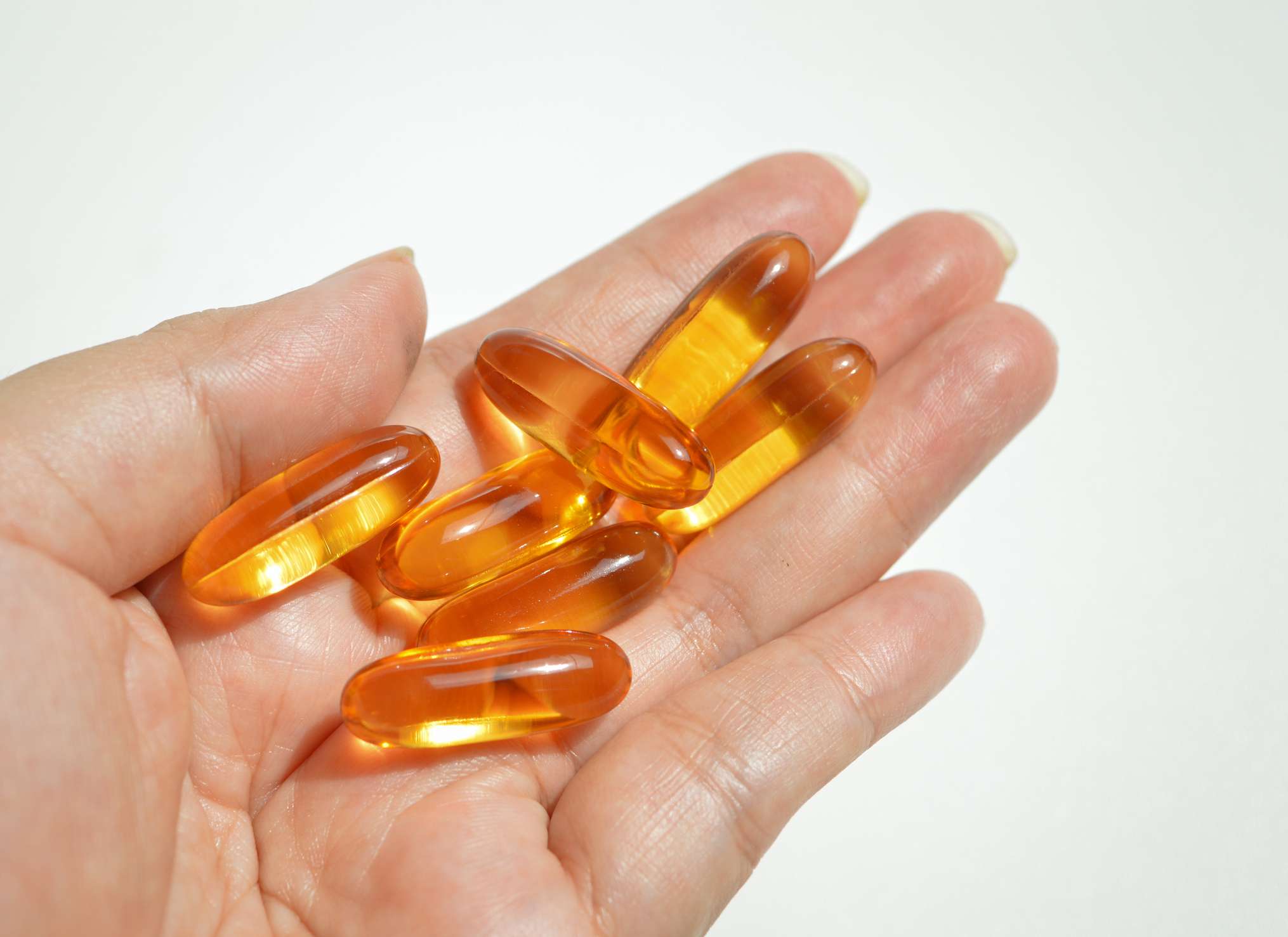
:max_bytes(150000):strip_icc():format(jpeg)/Health-GettyImages-Repub-VitaminB12-b541d17011614b01a43fa413418d67a7.jpg "Hand holding vitamin B12 supplements")
- Vitamin B12 supports brain function and helps treat depression.
- Taking acid reflux medications can deplete B12 levels.
- B12 can be taken at any time of day, with or without food.
Vitamin B12 is one of eight B vitamins that play essential roles in your health, including neurological function, DNA and red blood cell production, and metabolism.
Most people consume enough B12 through food. However, certain medical conditions, medications, dietary restrictions, and even normal aging can affect your body’s ability to absorb it.
1. Treats B12 Deficiency
About one-third of older adults are unable to properly absorb B12 because they produce less stomach acid and intrinsic factor (a protein), which are needed to absorb the vitamin.
Taking acid reflux medications and antidiabetic drugs can sometimes deplete B12 levels, as well as having certain medical conditions, like inflammatory bowel disease (IBD), and following a vegan diet.
For these individuals, B12 supplements can help increase blood levels and protect against health issues, like macrocytic anemia, a blood disorder that affects red blood cell production.
2. Can Reduce Homocysteine Levels
Homocysteine is an amino acid naturally found in your body. B12 helps break it down and turn it into other compounds that your body needs. But, having too much can be dangerous, and without enough B12 in your system, homocysteine can build up in your blood.
High homocysteine levels increase inflammation and oxidative stress, which can lead to health conditions, including heart disease, cognitive decline, and depression.
Supplementing with B12, along with folate (another B vitamin), can significantly reduce homocysteine levels and disease risk.
3. May Benefit People with Depression
B12 helps produce neurotransmitters like serotonin, γ-aminobutyric acid (GABA), and dopamine, which help regulate mood and brain function.
Supplementing with B12 may help prevent the onset of depression and improve depression symptoms. It may also improve how some antidepressant medications work.
4. Supports Brain Health
Having low levels of B12 can increase homocysteine, which can cause nerve cell inflammation and oxidative stress. Supplementing with vitamin B12 may help protect against this cell damage. It may also help maintain brain function and delay cognitive impairment.
Good Sources of B12
B12 is naturally concentrated in animal foods and is added to some plant-based foods, like fortified cereals and nutritional yeast.
Some of the best food sources of B12 include:
- Cooked beef liver
- Cooked clams
- Fortified nutritional yeast
- Cooked salmon
- Ground beef
- Whole milk Greek yogurt
- Eggs
People following a vegan diet are much more likely to develop a B12 deficiency compared to people who eat animal products. These individuals may need to supplement with B12 to prevent a deficiency.
How To Take It
B12 can be taken at any time of day, with or without food. Higher-dose supplements should be taken on an empty stomach to maximize absorption.
There are different forms of B12 supplements, including liquids, sprays, capsules, and lozenges. Choose a product that best suits your needs and preferences.
Some people with vitamin B12 deficiency may require B12 injections to effectively increase their levels.
B12 supplements can contain different forms of B12, such as cyanocobalamin, adenosylcobalamin, and methylcobalamin. Natural forms—like adenosylcobalamin and methylcobalamin—are better absorbed by the body compared to cyanocobalamin, which is a synthetic form.
Dosage
The current recommended daily B12 dosage for adults is 2.4 micrograms (mcg). Pregnant people need 2.6mcg per day, and breastfeeding people need 2.8mcg.
B12 supplements provide very high doses of B12, usually 500 mcg or more per serving. However, your body only absorbs very small amounts above 2 mcg and excretes the rest through urine.
Is B12 Safe?
B12 is generally considered safe, even at high doses, because you only absorb a small amount and pee out any extra. There is no Tolerable Upper Intake level (UL) established for B12.
High-dose B12 therapy may worsen or cause acne in some people.
Cyanocobalamin, the synthetic form of B12 supplements, may not be safe for people with kidney failure and people with Leber optic nerve atrophy, an inherited condition that causes vision loss.
Potential Drug Interactions
B12 supplements aren’t known to interact with many medications. However, a number of medications can deplete vitamin B12 levels in the body.
Here’s a list of medications known to deplete B12 levels:
- Proton pump inhibitors: Proton pump inhibitors (PPIs) like Prilosec that are prescribed to treat acid reflux can interfere with B12 absorption.
- Histamine 2-receptor antagonists: These medications stop gastric acid secretion and can cause low B12 levels.
- Metformin: This antidiabetic drug can reduce B12 absorption from food, which can cause low B12 levels.
These medications can decrease the absorption of B12 from food, but not from B12 supplements. This is because B12 in food depends on stomach acid for absorption, but stomach acid is not required to absorb B12 from supplements.
What To Look For
You’ll want to choose high-quality products from trusted supplement brands. Some supplement manufacturers are certified by organizations like Underwriters Laboratories (UL), United States Pharmacopeia (USP), and NSF International. These organizations set strict standards for supplement quality and safety.
You’ll also want to choose a form of B12 that works best for you, whether that is pills, a liquid supplement, or dissolvable lozenges.
You can take a B12-only supplement or a B-complex vitamin that contains all eight B vitamins. B12 is also included in multivitamin supplements.