
Marriott is the world’s largest hotel chain, with over 9,000 properties in 146 countries spread across 35-plus brands. Like most hotel chains, Marriott offers an extensive family of cobranded credit cards.
Two issuers offer these credit cards: American Express and Chase. Options range from no-annual-fee, entry-level cards to premium cards and a business card.
Here are some of the most popular Marriott credit cards available to new applicants, a snapshot of each one’s welcome offer range and some guidance on the best time to apply.
Note: We’ll only discuss publicly available welcome offers. However, you might receive targeted offers that feature better deals than those outlined below. Also keep in mind that offers may change at any time, and some of those mentioned below may not be available.
Best Marriott welcome offers
| Card | Best welcome offer we’ve seen | When to apply |
|---|---|---|
|
Earn 200,000 bonus points after spending $6,000 on purchases in the first six months of card membership. |
If the offer is at least 185,000 points or at least two free nights (worth up to 85,000 points each) |
|
|
Earn 175,000 bonus points after spending $5,000 on purchases in the first six months of card membership. |
If the offer is at least 155,000 points |
|
|
Earn five free night awards (valued at up to 50,000 points each) after spending $8,000 on purchases in the first six months of card membership. (Certain hotels have resort fees.) |
If the offer is at least 125,000 points or at least three free nights (worth up to 50,000 points each) |
|
|
Earn five free night awards (valued at up to 50,000 points each) after spending $3,000 on purchases in the first three months from account opening. (Certain hotels have resort fees.) Additionally, you can receive up to $100 in statement credits (up to $50 biannually) after spending $500 on eligible airline purchases. |
If the offer is at least 150,000 points or at least four free night awards (valued at up to 50,000 points each) |
|
|
Earn two free night awards (valued at up to 50,000 points each) after spending $1,000 on purchases in the first three months from account opening. (Certain hotels have resort fees.) |
If the offer is at least two free night awards or at least 60,000 points plus one free night award (valued at up to 50,000 points) |
Marriott Bonvoy Brilliant American Express Card
Marriott’s most premium card, the Bonvoy Brilliant, has a $650 annual fee (see rates and fees).
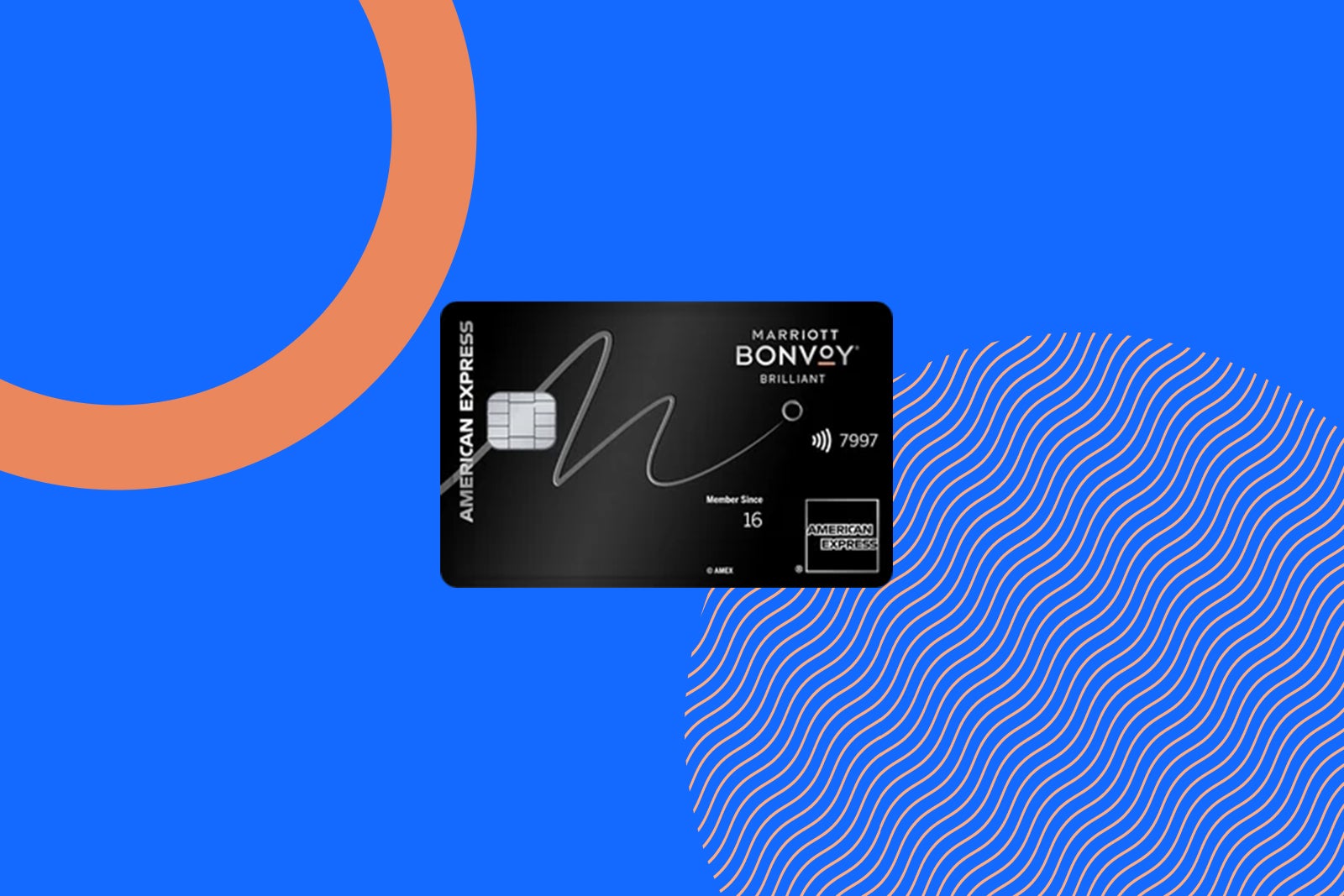
The card earns:
- 6 points per dollar spent on eligible purchases at hotels participating in the Marriott Bonvoy program
- 3 points per dollar spent at restaurants worldwide and on flights booked directly
- 2 points per dollar spent on all other purchases
The Brilliant offers benefits like automatic Platinum Elite status, an annual 85,000-point free night award each year after renewal (certain hotels have resort fees) and various travel protections in case something goes awry during your travels.
Here are the offers we have seen on the Bonvoy Brilliant:

Reward your inbox with the TPG Daily newsletter
Join over 700,000 readers for breaking news, in-depth guides and exclusive deals from TPG’s experts
| Approximate date | Offer | Value* |
|---|---|---|
|
Earn 100,000 bonus points after spending $6,000 on purchases in the first six months of card membership. Plus, earn 50,000 bonus points after spending an additonal $2,000 on purchases in the first six months of card membership. |
Up to $1,200 |
|
|
Earn 200,000 bonus points after spending $6,000 on purchases in the first six months of card membership. |
$1,600 |
|
|
September 2025 to March 2026
|
Earn 100,000 bonus points after spending $6,000 on purchases in the first six months of card membership. |
$800 |
|
July 2025 to September 2025
|
Earn 185,000 bonus points after spending $6,000 on purchases in the first six months of card membership. |
$1,480 |
|
Earn 100,000 bonus points after spending $6,000 on purchases in the first six months of card membership. Plus, earn 50,000 bonus points after spending an additional $2,000 on purchases in the first six months. |
Up to $1,200 |
|
|
Earn 185,000 bonus points after spending $6,000 on purchases in the first six months of card membership. |
$1,480 |
|
|
October 2024 to March 2025
|
Earn 95,000 bonus points after spending $6,000 on purchases in the first six months of card membership. |
$665 |
|
August 2024 to October 2024
|
Earn 185,000 bonus points after spending $6,000 on purchases in the first six months of card membership. |
$1,480 |
|
Earn 95,000 bonus points after spending $6,000 on purchases in the first six months of card membership. |
$760 |
|
|
February 2024 to May 2024
|
Earn 185,000 bonus points after spending $6,000 on purchases in the first six months of card membership. |
$1,480 |
|
November 2023 to February 2024
|
Earn 95,000 bonus points after spending $6,000 on purchases in the first six months of card membership. |
$760 |
|
September 2023 to November 2023
|
Earn two free night awards (valued at up to 85,000 points each) after spending $6,000 on purchases in the first six months of card membership. (Certain hotels have resort fees.) |
Up to $1,360 |
|
August 2023 to September 2023
|
Earn 95,000 bonus points after spending $6,000 on purchases in the first six months of card membership. |
$760 |
|
Earn 150,000 bonus points after spending $6,000 on purchases in the first six months of card membership. Plus, earn 50,000 bonus points after staying six eligible paid nights at Marriott Bonvoy hotels. |
Up to $1,600 |
|
|
January 2023 to June 2023
|
Earn 95,000 bonus points after spending $6,000 on purchases in the first six months of card membership. |
$760 |
*The bonus offer value is based on TPG’s June 2026 valuations and not provided by the credit card issuer.
Currently, new cardmembers can earn up to 150,000 bonus points: 100,000 bonus points after spending $6,000 on purchases in the first six months of card membership, plus an additional 50,000 bonus points after spending $2,000 on purchases (for a total of $8,000) in the first six months of card membership.
Highest welcome offer
The highest welcome offer we’ve seen on the Bonvoy Brilliant allowed new cardmembers to earn 200,000 bonus points after spending $6,000 on purchases in the first six months of card membership (no longer available).
When to apply
If the offer is for at least 185,000 bonus points or at least two free nights (worth up to 85,000 points each), it’s a good time to consider applying.
To learn more, read our full review of the Marriott Bonvoy Brilliant.
Learn more: Marriott Bonvoy Brilliant American Express Card
Marriott Bonvoy Bevy American Express Card
The Bonvoy Bevy is a mid-tier credit card that earns 6 points per dollar spent on Marriott hotels. It has a bevy of benefits and a $250 annual fee (see rates and fees).
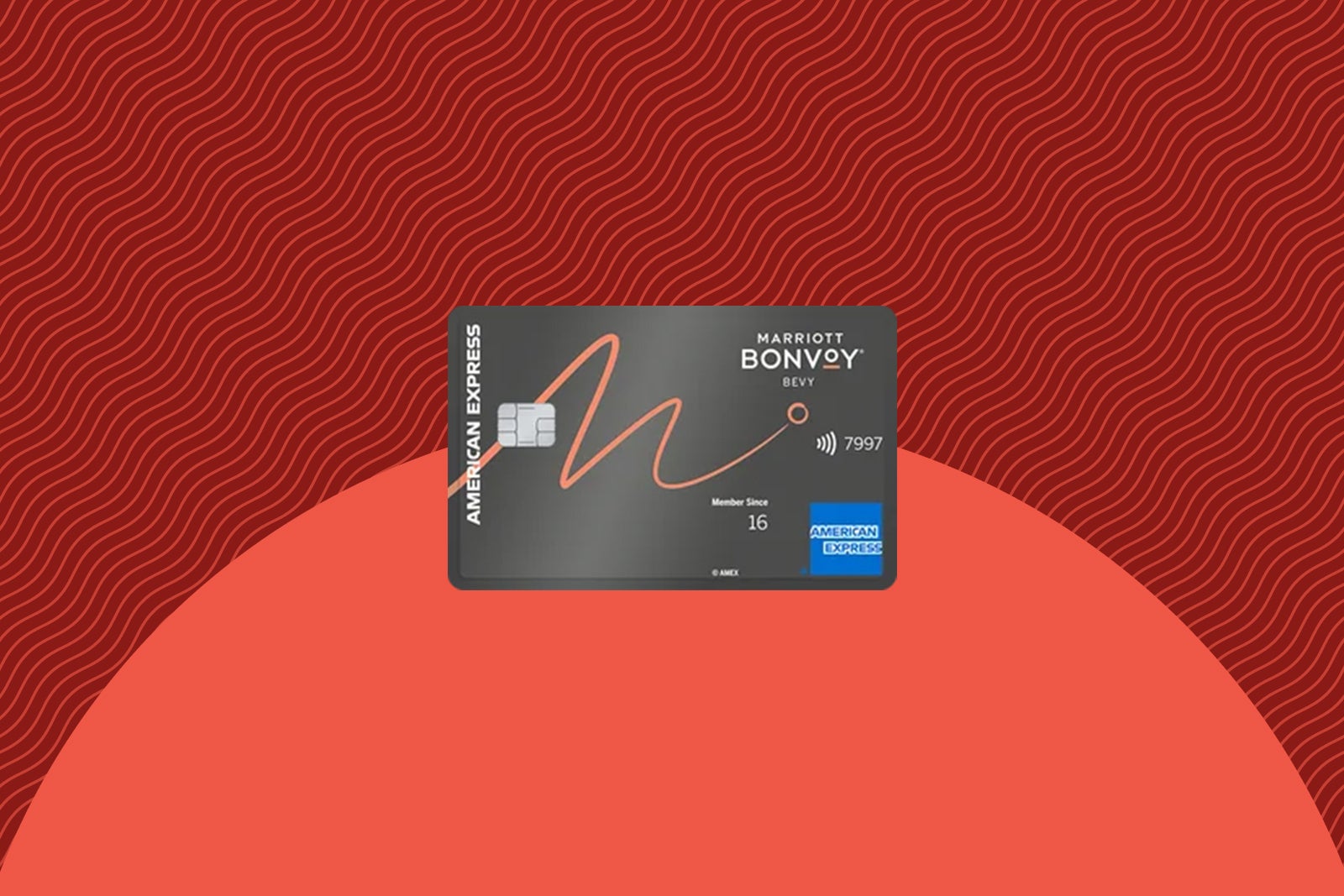
The Bevy comes with perks like automatic Gold Elite status, elite night credits and modest travel protections.
Here are the offers we have seen on the Bonvoy Bevy:
| Approximate date | Offer | Value* |
|---|---|---|
|
Earn 85,000 bonus points after spending $5,000 on purchases in the first six months of card membership. Plus, earn 50,000 bonus points after spending an additional $2,000 on purchases in the first six months of card membership. |
Up to $1,080 |
|
|
Earn 175,000 bonus points after spending $5,000 on purchases in the first six months of card membership. |
$1,400 |
|
|
September 2025 to March 2026
|
Earn 85,000 bonus points after spending $5,000 on purchases in the first six months of card membership. |
$680 |
|
July 2025 to September 2025
|
Earn 155,000 bonus points after spending $5,000 on purchases in the first six months of card membership. |
$1,240 |
|
Earn 85,000 bonus points after spending $5,000 on purchases in the first six months of card membership. Plus, earn 50,000 bonus points after spending an additional $2,000 on purchases in the first six months. |
Up to $1,080 |
|
|
Earn 155,000 bonus points after spending $5,000 on purchases in the first six months of card membership. |
$1,240 |
|
|
October 2024 to March 2025
|
Earn 85,000 bonus points after spending $5,000 on purchases in the first six months of card membership. |
$680 |
|
August 2024 to October 2024
|
Earn 155,000 bonus points after spending $5,000 on purchases in the first six months of card membership. |
$1,240 |
|
Earn 85,000 bonus points after spending $5,000 on purchases in the first six months of card membership. |
$680 |
|
|
February 2024 to May 2024
|
Earn 155,000 bonus points after spending $5,000 on purchases in the first six months of card membership. |
$1,240 |
|
November 2023 to February 2024
|
Earn 85,000 bonus points after spending $5,000 on purchases in the first six months of card membership. |
$680 |
|
September 2023 to November 2023
|
Earn 125,000 bonus points after spending $5,000 on purchases in the first six months of card membership. |
$1,000 |
|
August 2023 to September 2023
|
Earn 85,000 bonus points after spending $5,000 on purchases in the first six months of card membership. |
$680 |
|
Earn 125,000 bonus points after spending $5,000 on purchases in the first six months of card membership. Plus, earn 50,000 bonus points after staying six eligible paid nights at Marriott Bonvoy hotels. |
Up to $1,400 |
|
|
January 2023 to June 2023
|
Earn 85,000 bonus points after spending $5,000 on purchases in the first six months of card membership. |
$680 |
*The bonus offer value is based on TPG’s valuations and not provided by the credit card issuer.
Currently, new applicants can earn up to 135,000 bonus points: 85,000 bonus points after spending $5,000 on purchases in the first six months of card membership, plus an additional 50,000 bonus points after spending $2,000 on purchases (for a total of $7,000) in the first six months of card membership.
Highest welcome offer
The highest welcome offer we’ve seen on the Bonvoy Bevy allowed new cardmembers to earn 175,000 bonus points after spending $5,000 on purchases in the first six months of card membership (no longer available).
When to apply
If the offer is at least 155,000 points, it’s a good time to submit an application.
To learn more, read our full review of the Bonvoy Bevy.
Learn more: Marriott Bonvoy Bevy American Express Card
Marriott Bonvoy Business American Express Card
Small-business owners who frequently stay at Marriott’s properties will find plenty to like about the Marriott Bonvoy Business American Express. The card comes with a $125 annual fee (see rates and fees), but it also offers many perks that can help justify it.
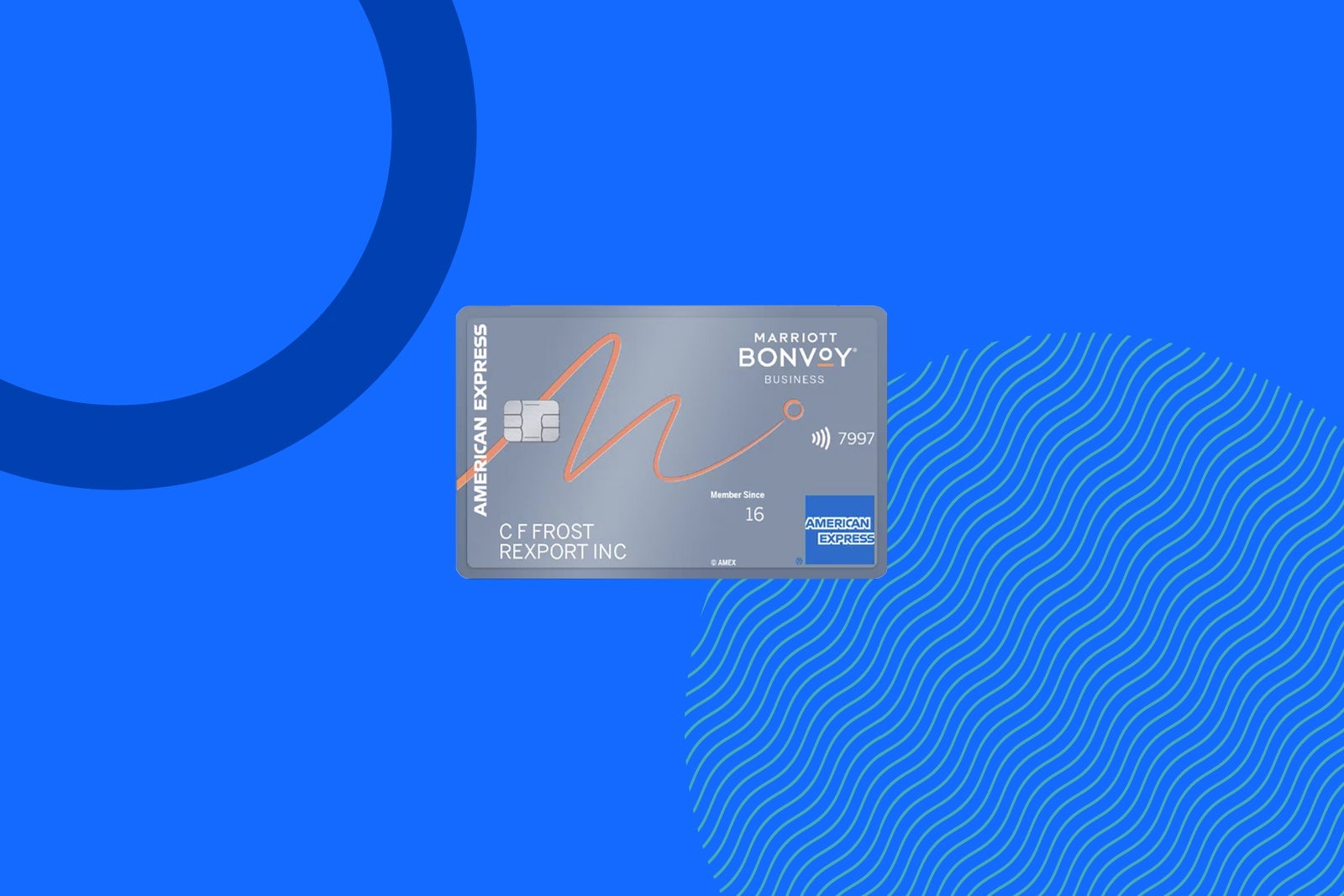
This card offers a free night award of up to 35,000 points (certain hotels have resort fees), elite night credits and solid earnings on Marriott stays.
Here are the offers we have seen on the Bonvoy Business:
| Approximate date | Offer | Value* |
|---|---|---|
|
Earn 150,000 bonus points and a $125 statement credit after spending $8,000 on purchases in the first six months of card membership. |
$1,325, including the statement credit |
|
|
Earn three free night awards (valued at up to 50,000 points each) after spending $6,000 on purchases in the first six months of card membership. Plus, earn an additional two free night awards after spending an additional $3,000 on purchases ($9,000 in total) in the first six months of card membership. (Certain hotels have resort fees.) |
Up to $2,000 |
|
|
January 2026 to March 2026
|
Earn three free night awards (valued at up to 50,000 points each) after spending $6,000 on purchases in the first six months of card membership. (Certain hotels have resort fees.) |
Up to $1,200 |
|
October 2025 to January 2026
|
Earn up to 125,000 bonus points: 75,000 bonus points after spending $6,000 on purchases in the first six months of card membership and an additional 50,000 bonus points after spending an additional $3,000 on purchases in the first six months of card membership. |
Up to $1,000 |
|
July 2025 to October 2025
|
Earn 125,000 bonus points after spending $8,000 on purchases in the first six months of card membership. |
$1,000 |
|
Earn three free night awards (valued at up to 50,000 points each) after spending $6,000 on purchases in the first six months of card membership. (Certain hotels have resort fees.) |
Up to $1,200 |
|
|
February 2025 to March 2025
|
Earn 125,000 bonus points after spending $8,000 on purchases in the first six months of card membership. |
$1,000 |
|
October 2024 to February 2025
|
Earn three free night awards (valued at up to 50,000 points each) after spending $6,000 on purchases in the first six months of card membership. (Certain hotels have resort fees.) |
Up to $1,200 |
|
September 2024 to October 2024
|
Earn five free night awards (valued at up to 50,000 points each) after spending $8,000 on purchases in the first six months of card membership. (Certain hotels have resort fees.) |
Up to $2,000 |
|
July 2024 to September 2024
|
Earn three free night awards (valued at up to 50,000 points each) after spending $6,000 on purchases in the first six months of card membership. (Certain hotels have resort fees.) |
Up to $1,200 |
|
Earn five free night awards (valued at up to 50,000 points each) after spending $8,000 on purchases in the first six months of card membership. (Certain hotels have resort fees.) |
Up to $2,000 |
|
|
Earn three free night awards (valued at up to 50,000 points each) after spending $6,000 on purchases in the first six months of card membership. (Certain hotels have resort fees.) |
Up to $1,200 |
|
|
February 2024 to March 2024
|
Earn five free night awards (valued at up to 50,000 points each) after spending $8,000 on purchases in the first six months of card membership. (Certain hotels have resort fees.) |
Up to $2,000 |
|
November 2023 to February 2024
|
Earn three free night awards (valued at up to 50,000 points each) after spending $6,000 on purchases in the first six months of card membership. (Certain hotels have resort fees.) |
Up to $1,200 |
|
September 2023 to November 2023
|
Earn 125,000 bonus points after spending $8,000 on purchases in the first six months of card membership. |
$1,000 |
|
August 2023 to September 2023
|
Earn three free night awards (valued at up to 50,000 points each) after spending $6,000 on purchases in the first six months of card membership. (Certain hotels have resort fees.) |
Up to $1,200 |
|
Earn 75,000 bonus points after spending $3,000 on purchases in the first three months of card membership. |
$600 |
*The bonus offer value is based on TPG’s valuations and not provided by the credit card issuer.
Currently, new applicants can earn 150,000 bonus points and a $125 statement credit after spending $8,000 on purchases in the first six months of card membership.
Highest welcome offer
The highest welcome offer we’ve seen on the Bonvoy Business (no longer available) allowed new cardmembers to earn five free night awards (valued at up to 50,000 points each) after spending $8,000 on purchases in the first six months of card membership. (Certain hotels have resort fees.)
When to apply
If the offer is for at least 125,000 points or at least three free nights (worth up to 50,000 points each), it’s a good time to submit an application.
To learn more, read our full review of the Marriott Bonvoy Business Amex.
Learn more: Marriott Bonvoy Business American Express Card
Marriott Bonvoy Boundless Credit Card
The Marriott Bonvoy Boundless is a mid-tier Chase card with a $95 annual fee. It earns 6 points per dollar spent at Marriott properties.
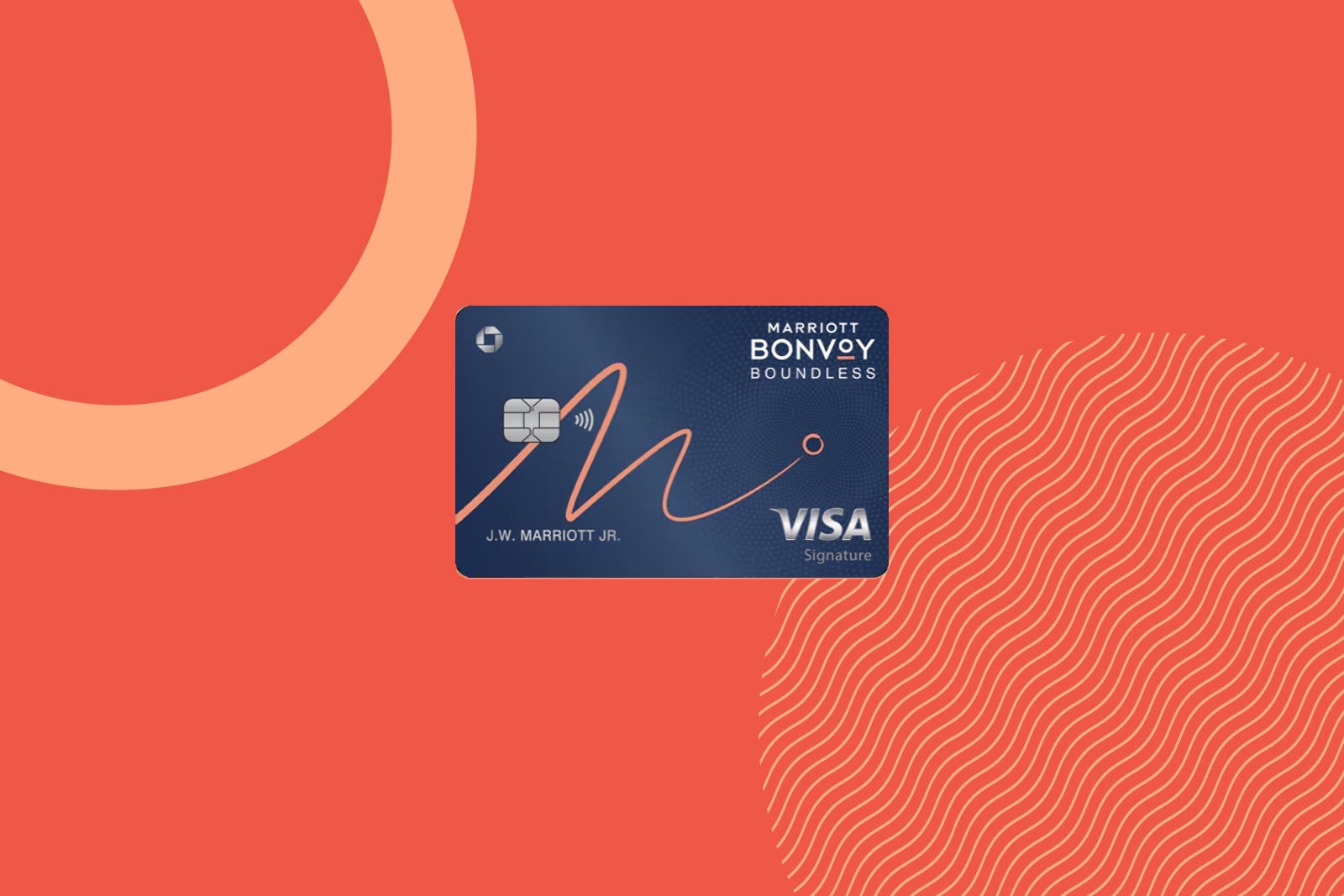
The Boundless card also comes with many premiumlike benefits, including an up to 35,000-point anniversary free night award (certain hotels have resort fees), automatic Silver Elite status and elite night credits.
Here are the offers we’ve seen over the past few years:
| Approximate date | Offer | Value* |
|---|---|---|
|
Earn 125,000 bonus points and a free night award (valued at up to 50,000 points) after spending $3,000 on purchases in the first three months from account opening. Additionally, earn up to $100 in statement credits (up to $50 biannually) after spending $500 on eligible airline purchases. (Certain hotels have resort fees.) |
Up to $1,500, including the statement credit |
|
|
Earn three free night awards (valued at up to 50,000 points each) after spending $3,000 on purchases in the first three months from account opening. Plus, earn an additional free night award after spending a total of $4,000 on purchases in the first four months from account opening. Additionally, earn up to $100 in statement credits (up to $50 biannually) after spending $500 on eligible airline purchases. (Certain hotels have resort fees.) |
Up to $1,700, including the statement credit |
|
|
January 2026 to March 2026
|
Earn five free night awards (valued at up to 50,000 points each) after spending $3,000 on purchases in the first three months from account opening. Additionally, earn up to $100 in statement credits (up to $50 biannually) after spending $500 on eligible airline purchases. (Certain hotels have resort fees.) |
Up to $2,100, including the statement credit |
|
November 2025 to January 2026
|
Earn three free night awards (valued at up to 50,000 points each) after spending $3,000 on purchases in the first three months from account opening. (Certain hotels have resort fees.) |
Up to $1,200 |
|
September 2025 to November 2025
|
Earn 125,000 bonus points and one free night award (valued at up to 50,000 points) after spending $3,000 on purchases in the first three months from account opening. (Certain hotels have resort fees.) |
Up to $1,400 |
|
July 2025 to September 2025
|
Earn three free night awards (valued at up to 50,000 points each) after spending $3,000 on purchases in the first three months from account opening. (Certain hotels have resort fees.) |
Up to $1,200 |
|
Earn five free night awards (valued at up to 50,000 points each) after spending $5,000 on purchases in the first three months from account opening. (Certain hotels have resort fees.) |
Up to $2,000 |
|
|
Earn three free nights (valued at up to 50,000 points each) after spending $3,000 on purchases in the first three months from account opening. Plus, earn 50,000 bonus points after spending $6,000 on purchases in the first six months from account opening. (Certain hotels may have resort fees.) |
Up to $1,600 |
|
|
Earn three free night awards (valued at up to 50,000 points each) after spending $3,000 on purchases in the first three months from account opening. (Certain hotels have resort fees.) |
Up to $1,200 |
|
|
January 2025 to March 2025
|
Earn a $150 statement credit after making your first purchase in the first 12 months from account opening, plus earn 100,000 bonus points after spending $3,000 on purchases in the first three months from account opening. |
Up to $950 |
|
November 2024 to January 2025
|
Earn three free night awards (valued at up to 50,000 points each) after spending $3,000 on purchases in the first three months from account opening. (Certain hotels have resort fees.) |
Up to $1,200 |
|
September 2024 to November 2024
|
Earn 125,000 bonus points after spending $5,000 on purchases in the first three months from account opening. |
$1,000 |
|
March 2024 to September 2024
|
Earn three free night awards (valued at up to 50,000 points each) after spending $3,000 on purchases in the first three months from account opening. (Certain hotels have resort fees.) |
Up to $1,200 |
|
January 2024 to March 2024
|
Earn five free night awards (valued at up to 50,000 points each) after spending $5,000 on purchases in the first three months from account opening. |
Up to $2,000 |
|
August 2023 to January 2024
|
Earn three free night awards (valued at up to 50,000 points each) after spending $3,000 on purchases in the first three months from account opening. |
Up to $1,200 |
|
Earn 75,000 bonus points after spending $3,000 on purchases in the first six months from account opening. Plus, earn 50,000 bonus points after staying six eligible paid nights at Marriott Bonvoy hotels. |
Up to $1,000 |
|
|
Earn three free night awards (valued at up to 50,000 points each) after spending $3,000 on purchases in the first three months from account opening. (Certain hotels have resort fees.) |
Up to $1,200 |
*The bonus offer value is based on TPG’s valuations and not provided by the credit card issuer.
Currently, new cardholders can earn 125,000 bonus points and a free night award (valued at up to 50,000 points) after spending $3,000 on purchases in the first three months from account opening. Additionally, earn up to $100 in statement credits (up to $50 biannually) after spending $500 on eligible airline purchases. (Certain hotels have resort fees.)
Highest welcome offer
The highest offer we’ve seen on the Bonvoy Boundless (no longer available) was to earn five free night awards (valued at up to 50,000 points each) after spending $3,000 on purchases in the first three months from account opening. (Certain hotels have resort fees.)
When to apply
If the offer is at least 150,000 bonus points or at least four free night awards (valued at up to 50,000 points each), you should consider applying.
To learn more, read our full review of the Marriott Bonvoy Boundless.
Learn more: Marriott Bonvoy Boundless Credit Card
Marriott Bonvoy Bold Credit Card
The no-annual-fee Marriott Bonvoy Bold from Chase is an entry-level Marriott credit card. It offers modest benefits and perks similar to those you would get with elite status for those who don’t stay at Marriott properties frequently.
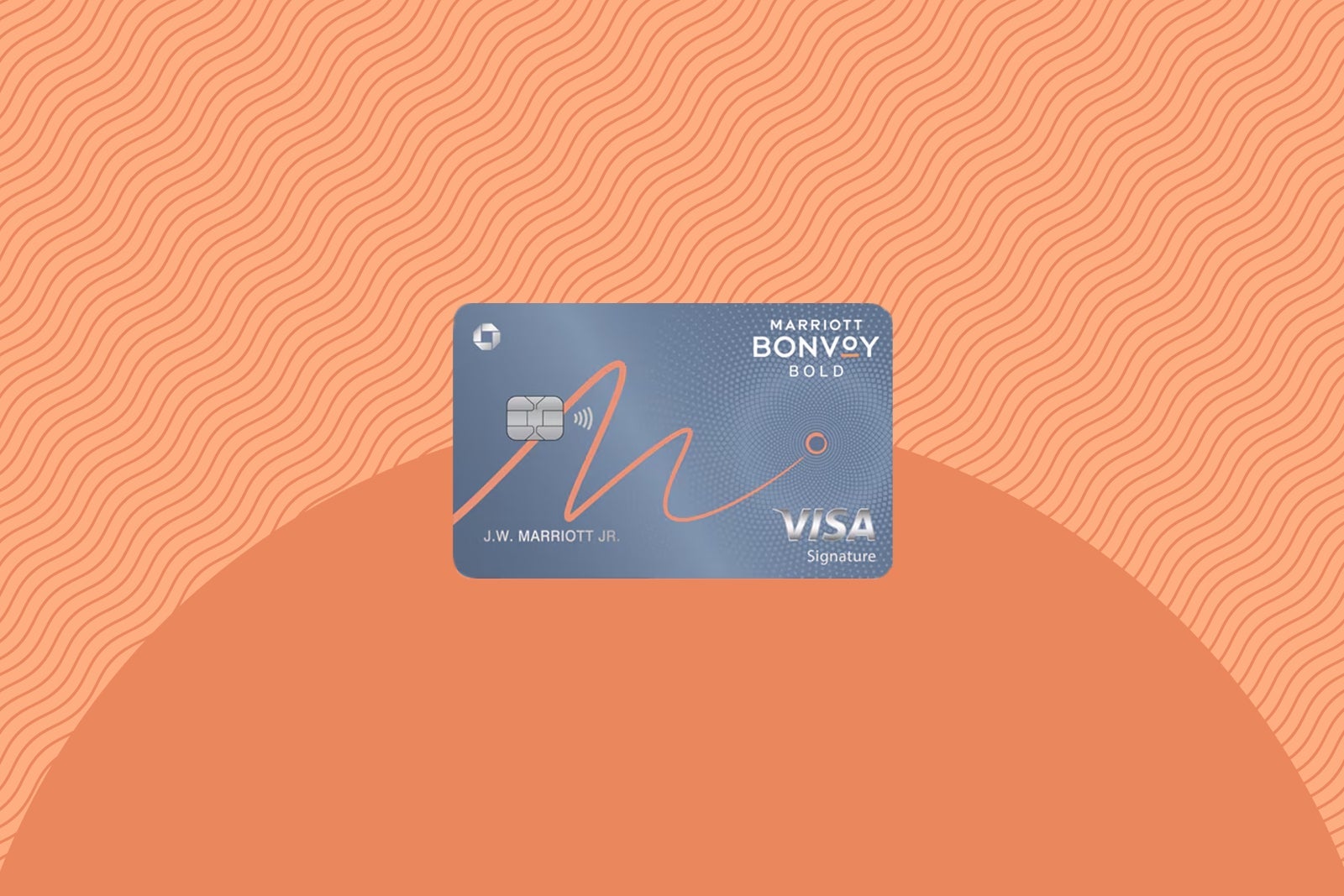
The Bold offers automatic Silver Elite status, elite night credits and modest travel protections.
Here are the offers we have seen on the Bold card:
| Approximate date | Offer | Value* |
|---|---|---|
|
Earn 60,000 bonus points after spending $1,000 on purchases in the first three months from account opening. |
$480 |
|
|
Earn 30,000 bonus points after spending $1,000 on purchases in the first three months from account opening. |
$240 |
|
|
January 2026 to March 2026
|
Earn two free night awards (valued at up to 50,000 points each) after spending $1,000 on purchases in the first three months from account opening. (Certain hotels have resort fees.) |
Up to $800 |
|
November 2025 to January 2026
|
Earn 30,000 bonus points after spending $1,000 on purchases in the first three months from account opening. |
$240 |
|
September 2025 to November 2025
|
Earn 60,000 bonus points after spending $1,000 on purchases in the first three months from account opening. |
$480 |
|
July 2025 to September 2025
|
Earn 30,000 bonus points after spending $1,000 on purchases in the first three months from account opening. |
$240 |
|
Earn 60,000 bonus points plus one free night award (valued at up to 50,000 points) after spending $2,000 on purchases in the first three months from account opening. (Certain hotels have resort fees.) |
Up to $880 |
|
|
Earn 30,000 bonus points after spending $1,000 on purchases in the first three months from account opening. |
$240 |
|
|
January 2025 to March 2025
|
Earn 60,000 bonus points plus one free night award (valued at up to 50,000 points) after spending $2,000 on purchases in the first three months from account opening. (Certain hotels have resort fees.) |
Up to $880 |
|
November 2024 to January 2025
|
Earn 30,000 bonus points after spending $1,000 on purchases in the first three months from account opening. |
$240 |
|
July 2024 to November 2024
|
Earn 60,000 bonus points plus one free night award (valued at up to 50,000 points) after spending $2,000 on purchases in the first three months from account opening. (Certain hotels have resort fees.) |
Up to $880 |
|
Earn 30,000 bonus points after spending $1,000 on purchases in the first three months from account opening. |
$240 |
|
|
Earn 50,000 bonus points after spending $1,000 on purchases in the first six months from account opening. Plus, earn 50,000 bonus points after staying six eligible paid nights at Marriott Bonvoy hotels. |
Up to $800 |
*The bonus offer value is based on TPG’s valuations and not provided by the credit card issuer.
Currently, new cardholders can earn 60,000 bonus points after spending $1,000 on purchases in the first three months from account opening.
Highest welcome offer
The highest offer we’ve seen on the Bonvoy Bold (no longer available) provided new cardholders two free night awards (valued at up to 50,000 points each) after spending $1,000 on purchases in the first three months from account opening. (Certain hotels have resort fees.)
When to apply
If the offer is at least two free night awards or at least 60,000 points plus one free night award (valued at up to 50,000 points), it’s a good time to consider applying.
To learn more, read our full review of the Marriott Bonvoy Bold.
Learn more: Marriott Bonvoy Bold Credit Card
Application restrictions
Before applying for one of these Marriott credit cards, make sure you’re eligible for the welcome offer.
The Marriott American Express cards only allow you to earn one bonus for each card once in a lifetime, and they have strict rules, so you may not be eligible for some cards’ welcome bonuses.

Additionally, Marriott has extra rules on welcome bonus eligibility if you have previously held other Marriott or former Starwood Preferred Guest credit cards. You can use this eligibility table to see if you are eligible for a welcome bonus.
On the Marriott Chase cobranded cards side, you are subject to the 5/24 rule, which means you can’t have opened five or more personal credit cards across all banks in the past 24 months. This rule is in addition to the Marriott application rules if you have previously held another Marriott or former SPG credit card.
Related: Want to open a new Chase card? Here’s how to calculate your 5/24 standing
Bottom line
Using the data and offer history above can help you time applications and potentially net you many more Bonvoy points. Historical data shows that, during certain months, welcome offers tend to be higher than in other months year over year.
Lastly, with this offer history, you have a baseline and threshold on the bare minimum welcome offer you should apply for. If it exceeds that threshold, it would be an ideal time to apply for that Marriott card.
Related: Best welcome offers of the month
For rates and fees for the Marriott Bonvoy Bevy, click here.
For rates and fees for the Marriott Bonvoy Brilliant, click here.
For rates and fees for the Marriott Bonvoy Business, click here.

Stacie Harris is a local resident and reporter of the Maple Grove area. Stacie reports on medicine and science for the Maple Grove Report.