Fact checked by Nick Blackmer
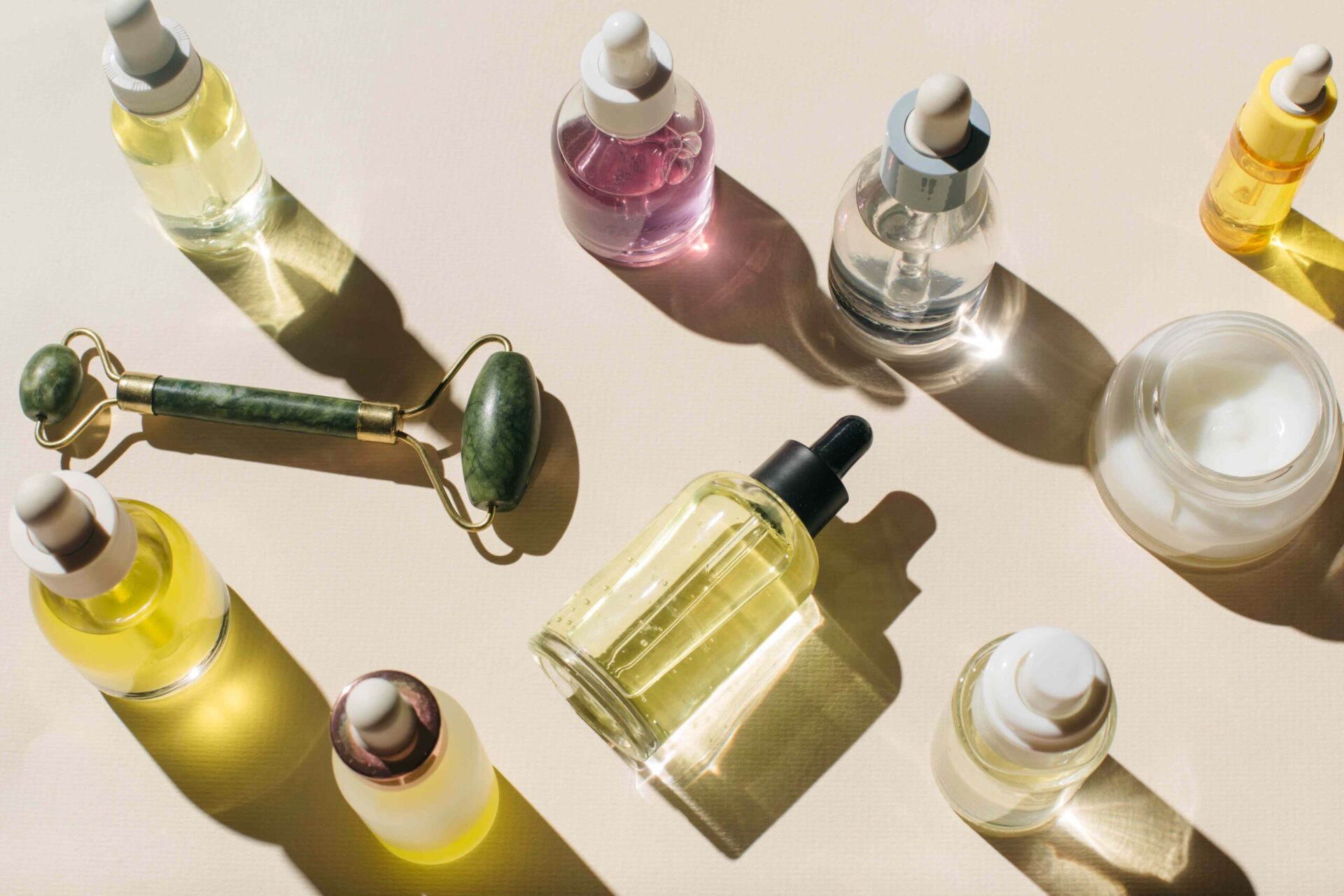
:max_bytes(150000):strip_icc():format(jpeg)/GettyImages-1369960275-9fc22f5456e245d4a0d359a1c1654ea6.jpg "Glass bottles for cosmetic products with pipette, natural skincare face cream and essential oil on beige background. Beauty products. Multitasking beauty, skinmalism, Skin care concept.")
Credit: Tanja Ivanova / Getty Images
- With so many skincare ingredients on the market, it can be difficult to know which ones are actually effective.
- Dermatologists consistently recommend sunscreen as the most important skincare product.
- Other ingredients, including retinoids and vitamin C, can also help improve skin’s appearance.
There are countless skincare ingredients that claim to smooth wrinkles, plump skin, and fade age marks, making it hard to know which products are actually worth the investment. With this confusion in mind, we asked dermatologists which ingredients can actually improve aging skin—here are their top choices.
1. Sunscreen
According to dermatologists, sun protection is the single most important aspect of any anti-aging skin care routine. “Sunscreen protects the skin against both UVA and UVB radiation,” said Natalie M. Curcio, MD, MPH, a Nashville-based dermatologist and dermatologic surgeon with Curcio Dermatology.
While exposure to UVB rays can cause the DNA mutations that lead to skin cancer, UVA rays are primarily responsible for signs of skin aging, including pigmentation changes and loss of elasticity.
Most dermatologists recommend choosing a sunscreen with an SPF of 30 or higher, applying it at least 15 minutes before going outdoors, and reapplying it every two hours while outside. For the face, use about 1 teaspoon and rub the sunscreen thoroughly into your skin.
When it comes to which type of sunscreen to choose, mineral or chemical, board-certified dermatologist Lycia Thornburg, MD, FAAD said both are effective, but mineral sunscreen is often preferred for sensitive skin. Ultimately, she added, the better choice is the one you'll use consistently.
2. Retinols and Retinoids
Retinoids and retinol are the gold standard for nighttime skin restoration, said Jessica Weiser, MD, a board-certified dermatologist and medical director of Weiser Skin MD (NYC) and Weiser Skin West MD (Aspen). “These topicals are the only ones that consistently demonstrate collagen stimulation in robust scientific trials.”
Retinol is available over the counter, while retinoids are prescription-strength products that vary in potency.
These products work primarily by accelerating skin cell turnover. While they can be effective, Curcio said it’s important to know that they may stop producing visible results over time.
“After years of use, many patients find that they have reached a ceiling on visible improvement,” she explained, even when using stronger formulations. “For many patients in their 40s and 50s, accelerating turnover alone may no longer address everything that is happening biologically in the skin.”
Keep in mind that some people are sensitive to these products. When first starting retinol or retinoids, it’s common to experience redness, dryness, irritation, or increased skin sensitivity for a few weeks. However, if these side effects continue, it might be worth talking about alternatives with a dermatologist.
3. Defensins
Experts also recommend defensins, an ingredient that Curcio said dozens of clinical studies suggest is generally safe and effective.
Defensins work by signaling the skin to begin a renewal process, engaging the same dormant cells the body uses during wound healing and stimulating the growth of fresh cells, Curcio said. The result? “People see improvements in fine lines, wrinkles, texture, sagging, pigment, and pore size.”
According to Curcio, people may start noticing results within four to eight weeks. She recommends choosing products with defensins that are fragrance-free, gluten-free, and oil-free or non-comedogenic. These formulations are generally better for sensitive and acne-prone skin.
4. Peptides and Growth Factors
Peptides and growth factors are also promising skincare ingredients, Thornburg said. While they belong to different classes of ingredients, both can influence how skin cells function.
Growth factors work on the skin’s surface to stimulate cell growth, division, and repair, Curcio said, which may help increase collagen and elastin production. Meanwhile, peptides are more targeted. They support the skin’s natural repair processes by signaling the production of new proteins, including collagen, she said.
Some research suggests that copper peptides, one popular type, may help improve smoothness and firmness while reducing inflammation and redness.
Still, Thornburg said that the evidence is mixed, and at this point, she views “peptides and growth factors as supportive adjuncts rather than replacements for foundational skincare.”
5. Antioxidants Like Vitamin C and Niaminicide
Vitamin C is a powerful antioxidant that helps neutralize free radicals and even out skin tone over time, said Shuting Hu, PhD, a cosmetic chemist, skin biologist, and founder of Acaderma. “It works best in the morning layered under SPF, since the two together offer stronger protection against UV-induced oxidative stress.”
Niacinamide, another antioxidant, can also help reduce inflammation and improve skin tone, as well as strengthen the skin’s barrier, said Hu. “It is one of the most versatile and well-tolerated ingredients available, suitable for almost every skin type, including sensitive skin.” It layers well with most other active ingredients, she added.
6. Hyaluronic Acid
Hu said she considers hyaluronic acid a foundational ingredient in a skin-longevity routine. The compound, which occurs naturally, is a humectant that draws water into the skin and helps retain it, she said. Unfortunately, hyaluronic acid decreases with age, which can contribute to a loss of plumpness, fine lines, and an overall duller complexion.
Hu recommends applying hyaluronic acid to damp skin and following it with a moisturizer to help seal in hydration. Otherwise, in a dry environment, it may draw moisture from the skin instead of the surrounding air.
7. Ceramides
Ceramides are also a core part of any skincare routine, Hu said, adding that they pair well with hyaluronic acid. These fats, found in skin cells, help retain moisture and keep the skin barrier intact, according to Weiser. As we age, ceramide production decreases, which can weaken the skin’s barrier and contribute to dryness and irritation. Adding ceramides to your routine can help "prevent skin infection from various microbes and also reduces the penetration of irritants,” Hu said.