Medically reviewed by William Truswell, MD
:max_bytes(150000):strip_icc():format(jpeg)/Health-GettyImages-2191396929-e415ba069db249c79f0cf5223c2130ec.jpg "A closeup of a persons hand pinching the skin on their thigh displaying texture")
Credit: Darya Komarova / Getty Images
- Cellulite is common, harmless, and happens to most females after puberty. It’s caused by fat pushing against bands under the skin.
- Aging, genetics, hormones, and weight can all affect how much cellulite you develop and how visible it is.
- If cellulite makes you uncomfortable, there are treatments to reduce its appearance.
Cellulite gives your skin a bumpy appearance, and the truth is, most women have it, and there's not much you can do about it. Age, genetics, hormones, and weight can all play a role in how it shows up on the body. While there's no real treatment for cellulite, there are things you can do to reduce its appearance if you don't like how it looks.
First, What Is Cellulite?
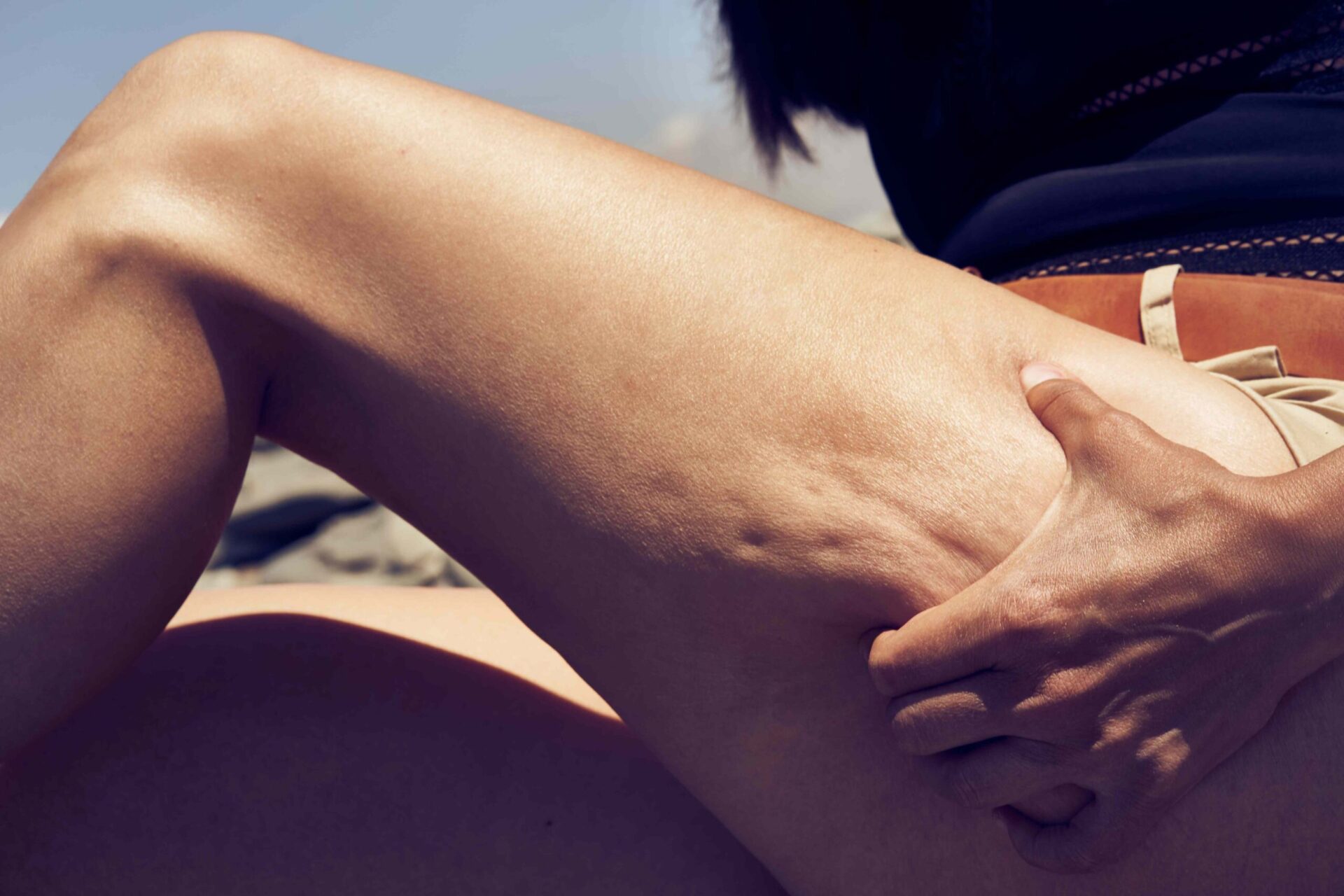
Cellulite is a skin condition in which fat collects in pockets under the skin and pushes up against it, making the skin's surface look lumpy or dimpled. The painless condition is a cosmetic issue only; it does not affect your health and doesn't need treatment. An estimated 80-90% of females who have gone through puberty have cellulite.
Everyone has fat on their bodies, no matter what size they are. Cellulite usually happens in areas of the body with more fat, including the butt, hips, and thighs. Although anyone can develop cellulite, it's more common in females after puberty. People generally start to notice the appearance between the ages of 20-30.
The Stages of Cellulite
Cellulite is classified on a scale from 1-4, based on severity:
- Stage 1: There is no change in the skin appearance when standing or sitting. The skin still looks smooth, but some changes are visible when pinched.
- Stage 2: The skin around the area still looks smooth. Changes, like dimpling, become visible when the skin is pinched.
- Stage 3: The skin looks smooth when lying down, and lumps or dimples are visible when standing.
- Stage 4: The lumps or dimples in stage 3 are visible along with more pronounced raised areas and dents. There may also be soreness.
Why Does It Happen?
Your skin has fibrous bands that connect it to the muscle below. When these bands tighten, they can pull down on the skin and cause the fat below to push up. This pushing results in dimpling.
It's unclear why some people get cellulite and others don't, but factors that may contribute to cellulite include:
- Genetics (some research points to cellulite being more common among white women)
- Diet heavy in ultraprocessed foods and carbohydrates
- Inactive lifestyle
- Dehydration
It's also unclear why females are more likely to develop cellulite than males. There are two main theories, though.
Theory #1: The bands connecting skin, tissue, and fat are shaped differently in males and females. Males have more fibrous connections that form a criss-cross pattern between the top layer of skin and deeper tissue, which may provide the skin with greater stability and help prevent the appearance of cellulite. In females, the bands run parallel and are an equal distance apart. This structure may show the fat puckering more than a male's tighter structure.
Theory #2: Females have more of the hormone estrogen. When hormones fluctuate and estrogen is higher—which can happen during pregnancy, puberty, or by taking hormonal birth control or hormone therapy—cellulite is more likely to develop.
How Does Aging Affect Cellulite?
Aging causes skin to change, so it makes sense that age would also affect how cellulite appears. As you get older, hormonal fluctuations, weight gain, and loss of skin elasticity can make cellulite more noticeable.
Collagen is an important protein that helps skin maintain its strength and elasticity, but its levels decrease with age. As the body produces less collagen, skin becomes thinner and loses its elasticity, which changes how it looks. For example, fine lines and wrinkles begin to show up. Skin that isn't as thick may also show cellulite more easily. This might be even more noticeable in people with overweight or obesity.
Can You Get Rid of Cellulite?
Cellulite isn't a medical issue that requires treatment, but some people don't like how it looks. If it causes you mental distress, a dermatologist (a doctor who specializes in conditions of the skin, hair, and nails) can offer treatment to reduce its appearance. Just keep in mind that while some treatments can reduce the appearance of cellulite, they are unlikely to prevent or "cure" it.
If cellulite bothers you, research has shown that the following treatments can be effective in reducing the appearance of cellulite:
- Acoustic wave therapy: A device uses sound waves to break up cellulite
- Laser treatment: Tiny lasers break up bands beneath the skin that cause cellulite and also thicken the skin
- Subcision: A needle is inserted under the skin to break up the bands that cause cellulite
- Vacuum-assisted precise tissue release: A device with blades cuts through the bands that cause cellulite
The results can vary, and the dimpling usually returns after a certain time period.
Some creams and lotions may help with cellulite, but they need to be used daily for a long time to be effective. Products with caffeine or retinol are most likely to make cellulite a little less visible.
Lifestyle changes may also reduce the appearance of cellulite. Reaching or maintaining the weight you and your healthcare provider decided is optimal for you might reduce the amount of cellulite that's visible. Exercise can also be beneficial because adding muscle, especially if you replace fat, can make cellulite less noticeable.