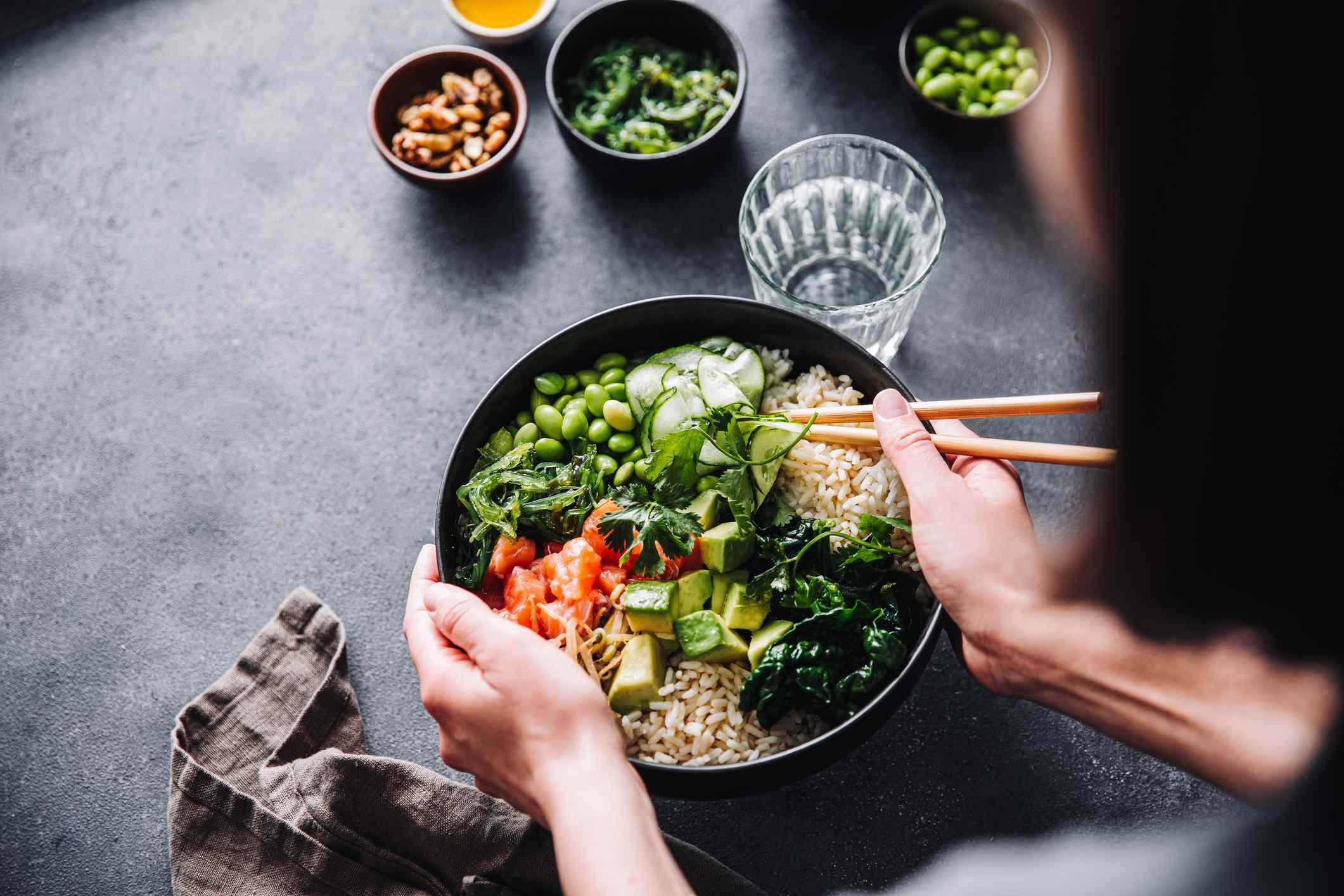
:max_bytes(150000):strip_icc():format(jpeg)/Health-GettyImages-ImproveGutHealthIn30Days-42ee997ca0814515af2bbffa01089040.jpg "Close-up of woman eating a bowl of healthy salad.")
- Increasing fiber supports gut bacteria, improves bowel regularity, and helps protect against digestive diseases.
- Staying hydrated and exercising regularly helps keep digestion moving and reduces the risk of issues like constipation and colon cancer.
- A nutrient-dense diet and targeted supplements can improve gut balance, but medical guidance is important for persistent symptoms.
If you’re dealing with gut issues such as bloating, gas, constipation, or diarrhea, you may be interested in improving your digestive health as quickly as possible. While getting to the root cause of your gut issues by visiting a healthcare provider is essential, there are several evidence-based lifestyle and diet changes you can make right now to support your gut. Here are five tips to improve your gut health in just 30 days.
1. Increase Your Fiber Intake
Increasing your fiber intake is one of the easiest ways to support overall digestive health.
Fiber plays multiple roles in gut health, including fueling the growth of beneficial bacteria in your large intestine and supporting regular, comfortable bowel movements. Increasing your fiber intake can also stimulate the production of short-chain fatty acids (SCFAs). SCFAs are released by certain gut bacteria after breaking down fiber. They act as fuel for the cells lining the large intestine, maintain the integrity of the intestinal barrier, and regulate inflammation in the gut.
Studies show that adding more fiber to your diet could help reduce constipation and protect against common digestive conditions, such as irritable bowel syndrome (IBS), colon cancer, and inflammatory bowel disease (IBD).
Try to get at least 28 grams of fiber per day by incorporating fiber-rich foods like beans, chia seeds, berries, and avocado.
2. Stay Hydrated
Your water intake impacts your gut health more than you think. Your gut depends on consistent liquid intake to keep stools soft and passable.
Water is also essential for breaking down and absorbing nutrients. If you’re dehydrated, you’ll likely experience symptoms such as hard or difficult-to-pass stools, infrequent bowel movements, and even hemorrhoids.
Additionally, research shows that proper hydration is crucial for maintaining a healthy and balanced gut microbiome.
Try increasing your water intake by taking regular water breaks at work or investing in a larger water bottle and filling it throughout the day. The National Academy of Medicine recommends a total daily water intake from beverages and foods of about 13 8-ounce cups for men and nine 8-ounce cups for women.
3. Exercise
If you lead a sedentary lifestyle, it could be negatively impacting your gut health. Studies show that people who aren’t active are more likely to experience gut issues, like constipation and IBS. A sedentary lifestyle is also considered a major risk factor for colon cancer.
Studies suggest that regular exercise significantly reduces the risk of colon cancer by about 24% in men and 23% in women.
Physical activity can help reduce the risk of gut issues by stimulating intestinal activity, promoting stool movement through the digestive tract, and reducing inflammation.
If you currently don’t get a lot of physical activity, try to slowly incorporate exercise into your daily routine.
4. Improve Overall Diet Quality
In addition to increasing fiber intake, adding more nutrient-dense, gut-healthy foods to your diet can improve and protect digestive health.
Fermented foods rich in probiotics, like kimchi, sauerkraut, and yogurt, as well as foods high in anti-inflammatory compounds, like fruits and vegetables, promote an overall healthy gut environment by improving gut bacteria diversity and lowering inflammation.
While increasing your intake of nutrient-dense foods supports gut health, it’s equally important to limit foods that can harm digestion when consumed regularly. For example, added sugars, ultra-processed foods, and red and processed meats.
5. Consider Evidence-Based Supplements
Though dietary changes play the biggest role in supporting gut health, certain supplements can provide relief from common gut ailments while protecting intestinal health.
For example, fiber supplements, such as psyllium husk powder, can be effective in reducing constipation symptoms and improving gut bacterial balance. Psyllium husk supplements are relatively affordable, making them an effective choice for those looking for a budget-friendly way to support their gut.
Taking probiotics may be worthwhile for some people who struggle with digestive issues. For example, certain probiotic supplements may benefit people with conditions like IBS, IBD, and constipation.
However, it’s best to consult a healthcare provider before starting any gut health supplements, especially if you’re experiencing gastrointestinal symptoms or have a diagnosed condition.







:max_bytes(150000):strip_icc():format(jpeg)/Health-Anchovies-vs-Sardines-abf78393ed254f7fb6103ad3b603bfd0.png "Comparison between canned anchovies and sardines, side by side.")