:max_bytes(150000):strip_icc():format(jpeg)/Health-GettyImages-56519341-2be6d12922874dfea4e64df96ab0c70d.jpg "An open tin of sardines on a yellow background")
Credit: Connect Images / Getty Images
- Sardines are rich in omega-3 fats, which may support heart health.
- Salmon, rainbow trout, and tuna offer heart-protective nutrients with a milder flavor.
- Plant foods like walnuts, chia seeds, and flaxseeds provide ALA, a plant-based omega-3.
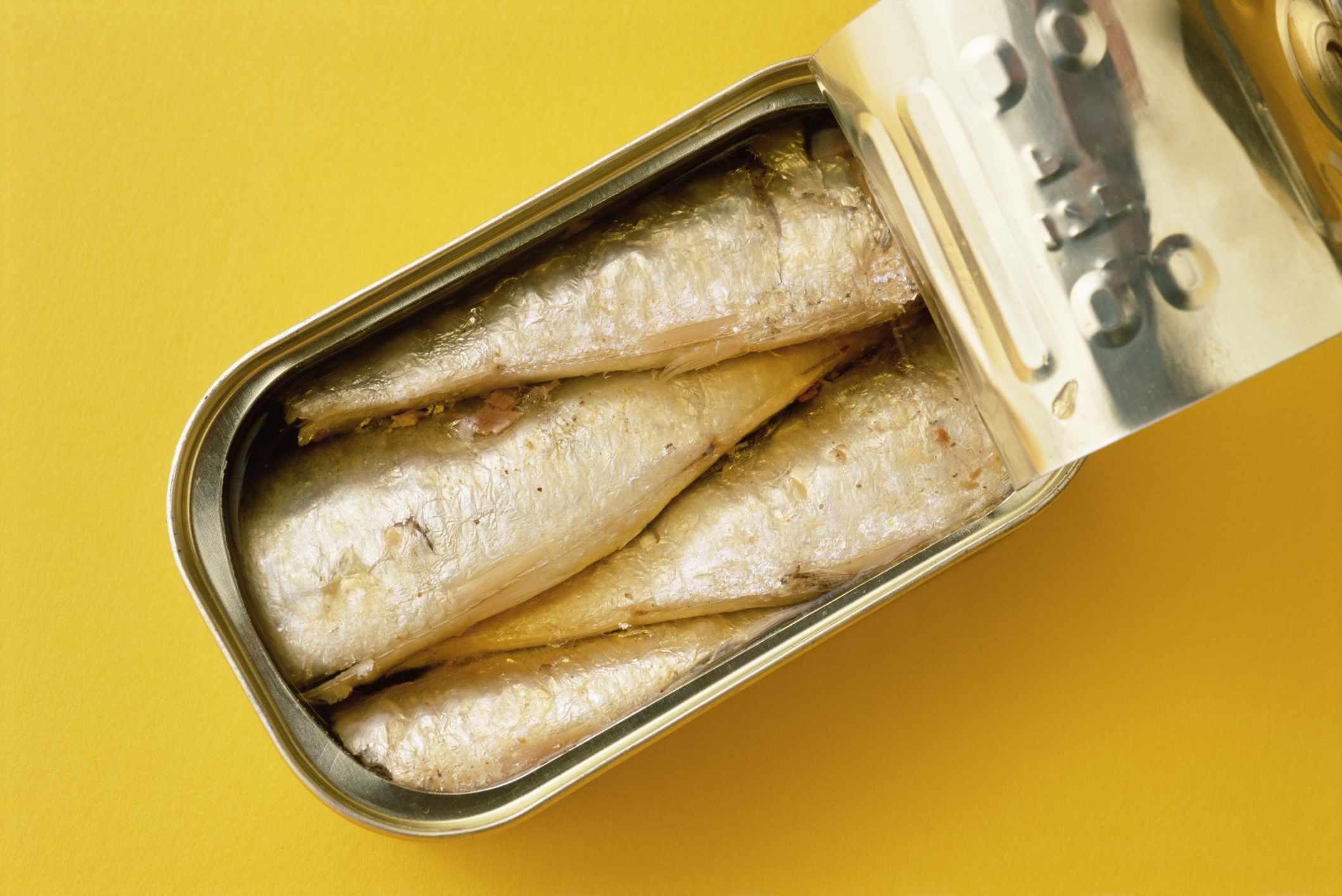
Sardines are rich in omega-3 fats, protein, vitamin D, and calcium, which may help reduce inflammation and support heart health. But their strong taste and smell don't appeal to everyone. However, plenty of other foods offer similar benefits.
1. Salmon

Salmon is one of the best swaps for sardines. Some types of salmon are even higher in EPA (eicosapentaenoic acid) and DHA (docosahexaenoic acid), the same omega-3 fats found in sardines. These fats may help reduce inflammation and support healthy blood pressure and triglyceride levels.
Salmon also provides protein, vitamin D, selenium, and B vitamins. Canned salmon with bones can also provide calcium, making it nutritionally closer to sardines.
Try salmon in salads, rice bowls, wraps, or on whole-grain toast.
2. Rainbow Trout

Rainbow trout is another fatty fish that provides omega-3 fats, protein, and vitamin D. It has a mild, slightly nutty flavor, making it a good choice if you do not like the “fishy” taste of sardines.
Rainbow trout is especially rich in vitamin D, a nutrient many people do not get enough of from food. Vitamin D plays a role in bone, immune, and muscle health. It may also support heart health, although more research is needed.
You can enjoy rainbow trout baked with olive oil, lemon, garlic, and herbs. You can also flake cooked trout into tacos, salads, or grain bowls.
3. Tuna

Tuna is a lean, high-protein option that also provides some omega-3 fats. It may not have as high amounts as sardines or salmon, but it can still fit into a heart-healthy diet.
Canned light tuna is often a good choice because it is lower in mercury than albacore or bigeye tuna. It may also provide more omega-3s than some fresh tuna options.
You can mix tuna with olive oil, mayo, or mashed avocado for a heart-healthy tuna salad.
4. Mackerel

Mackerel is another fatty fish rich in omega-3 fats, with an amount similar to sardines. It also provides protein, vitamin D, and vitamin B12.
Atlantic and Pacific mackerel are better choices, while king mackerel is high in mercury and should be avoided, especially during pregnancy or breastfeeding.
Mackerel is best paired with acidic ingredients like lemon juice, tomatoes, mustard, or vinegar to balance its rich, oily flavor. Try it in pasta, grain bowls, salads, or on whole-grain toast.
5. Walnuts

If you aren't a fan of fish, walnuts can help you get more omega-3s. Walnuts are one of the best dietary sources of ALA (alpha-linolenic acid), a plant-based omega-3.
Your body does not use ALA the same way it uses the omega-3 fats found in fish. It has to convert ALA into EPA and DHA first, but this process is very limited.
Research suggests less than 15% of ALA gets converted. So, even if a food is high in ALA, it may not give your body as much usable omega-3 as fatty fish.
Still, walnuts offer more than omega-3s. They contain plant compounds that may support gut health, which may play a role in healthy blood pressure and cholesterol levels.
Add walnuts to oatmeal, yogurt, salads, trail mix, or roasted vegetables. They also pair well with fruit, like apples or berries.
6. Chia Seeds

Chia seeds are another plant-based source of ALA omega-3 fats. They also provide fiber, which can help support healthy cholesterol levels and digestion.
Fiber helps reduce the amount of cholesterol your body absorbs. Eating more fiber-rich foods may help lower LDL, or “bad” cholesterol.
You can stir chia seeds into yogurt, oatmeal, smoothies, or overnight oats.
7. Ground Flaxseed

Ground flaxseed provides ALA omega-3 fats, soluble fiber, and plant compounds called lignans. These nutrients may help support heart health by improving cholesterol, blood pressure, and inflammation.
Try adding ground flaxseed to oatmeal, smoothies, pancake batter, muffins, or yogurt. Start with one tablespoon at a time and drink plenty of water to help prevent bloating or digestive discomfort.
8. Eggs Enriched With Omega-3s

Omega-3-enriched eggs are another option if you do not like fish. They come from hens fed omega-3-rich feed, which makes the eggs higher in omega-3 fats than regular eggs.
Some research suggests omega-3-enriched eggs may help support healthy cholesterol, triglyceride, and blood pressure levels. The amount can vary by brand, but these eggs typically provide both ALA and DHA omega-3s.
Try omega-3-enriched eggs boiled, scrambled, in veggie omelets, or on whole-grain toast for a fiber boost.
How to Eat for Heart Health
You don’t have to eat sardines to support your heart. You can get the same benefits from choosing foods with heart-healthy nutrients, like omega-3 fats, fiber, protein, calcium, potassium, and magnesium.
A few simple ways to do this include:
- Aim to eat fatty fish, like salmon, trout, or mackerel, twice per week
- Add plant-based omega-3s, like walnuts, chia seeds, and ground flaxseed
- Choose more high-fiber foods, like beans, oats, fruits, vegetables, and whole grains
- Use heart-healthy fats, like olive oil, avocado, nuts, and seeds
- Be mindful of foods high in sodium, added sugar, and saturated fat