




Medically reviewed by Allison Herries, RDN
:max_bytes(150000):strip_icc():format(jpeg)/Health-GettyImages-2186231045-b026fdbb107643de8aebd0ce88eef7cb.jpg "Someone pouring a glass of milk")
Credit: krisanapong detraphiphat / Getty Images
- Calcium is essential for maintaining strong bones and teeth and regulating nerve function.
- A cup of dairy milk provides 306 milligrams of calcium, nearly 25% of your daily needs.
- Sardines, tofu, sesame seeds, soy milk, collard greens, certain cheeses, and fortified juices and cereals are high in calcium.
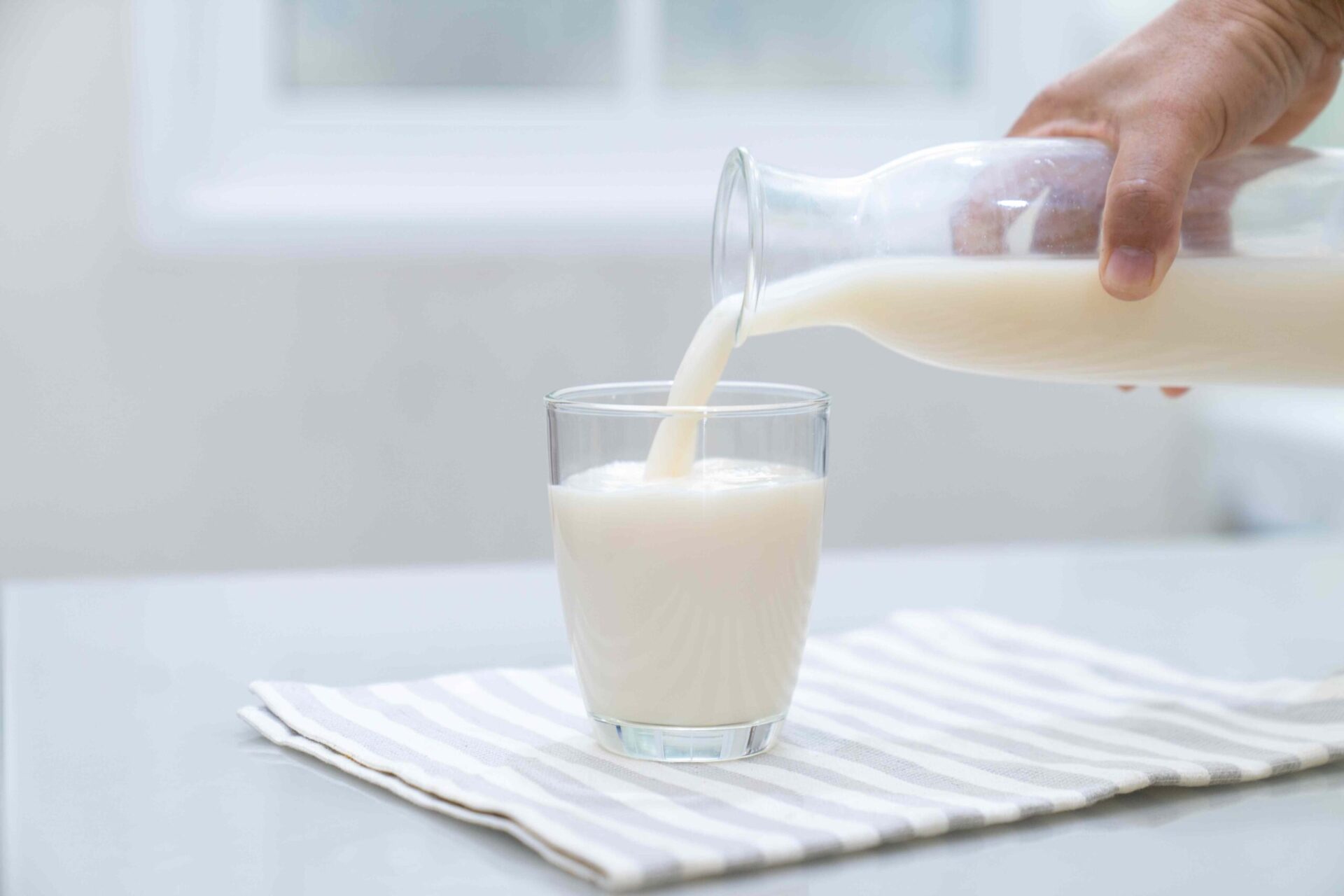
Calcium is a mineral that helps regulate nerve function and provides structure to bones and teeth. When you hear "calcium," you might automatically think "milk," with a cup of dairy milk providing 306 milligrams of calcium, nearly 25% of the Daily Value for the nutrient. However, some foods provide more calcium per serving than milk.
1. Yogurt

- Calcium content: 415 milligrams (mg)
- Serving size: 1 cup
Yogurt is a fermented dairy product rich in essential nutrients like calcium, protein, and vitamin B12.
One cup of yogurt contains 415 milligrams of calcium, which is 32% of the daily value (DV). For comparison, the same serving of dairy milk provides 306 milligrams of calcium, of 25% of the DV.
2. Sardines

- Calcium content: 351 mg
- Serving size: A 3.75-ounce can
Sardines with bones contain 27% of the DV of calcium.
The bones found in canned sardines are soft and safe to eat. Fish bones are a natural source of readily-absorbed calcium.
Sardines are also an excellent source of B12 and selenium, with the same serving providing 343% of the DV for B12 and 88% for selenium.
3. Kefir

- Calcium content: 316 mg
- Serving size: 1 cup
Kefir is a fermented yogurt drink with impressive health-promoting properties. A 1-cup serving of kefir contains 24% of the DV of calcium.
Kefir contains other nutrients, such as protein and vitamin A, and is a good source of probiotics, live microorganisms that may improve digestive health.
4. Tofu

- Calcium content: 861 mg
- Serving size: Half-cup
Tofu is a nutritious soy-derived product that's high in calcium. Some tofu is made with calcium salts, such as calcium sulfate, which help firm it and boost its calcium content.
A half-cup of firm, calcium-set tofu contains 66% of the DV of calcium.
Tofu is a popular protein source for people following plant-based diets. It also provides minerals that tend to be low in many vegetarian and vegan diets, like selenium, zinc, and iron.
5. Fortified Orange Juice

- Calcium content: 349 mg
- Serving size: 1 cup
Some juices are fortified with calcium, meaning it's added during manufacturing.
One cup of fortified orange juice contains 27% of the DV of calcium. Orange juice is also an excellent source of vitamin C, with the same serving covering over 400% of the DV.
6. Sesame Seeds

- Calcium content: 351.2 mg
- Serving size: One-quarter cup
Sesame seeds are tiny but packed with nutrients like magnesium, copper, iron, thiamine, zinc, and calcium.
A quarter-cup serving of dried sesame seeds contains 28% of the DV of calcium.
The same serving covers 30% of your daily needs for magnesium, a mineral required for blood pressure and blood sugar regulation, stress response, and building and maintaining strong bones.
7. Fortified Soy Milk

- Calcium content: 500 mg
- Serving size: 1 cup
Soy milk is often fortified with calcium, making it a good calcium source for people who don't drink dairy milk. A cup of fortified soy milk may contain up to 38.5% of the DV for calcium.
Soy milk is also a good source of protein, a nutrient lacking in plant-based options like almond milk and coconut milk. A cup of soy milk contains about 8 grams of protein.
8. Parmesan Cheese

- Calcium content: 335 mg
- Serving size: 1 ounce (oz)
Parmesan is a hard, salty cheese that's a great source of calcium. An ounce of Parmesan contains 25.7% of the DV.
Parmesan cheese is lower in lactose (milk sugar) than soft cheeses like mozzarella. It may be a better option for people who are sensitive to lactose.
9. Lamb's Quarters

- Calcium content: 309 mg
- Serving size: 100 grams (g)
Lamb's quarters is a wild-growing green that's very high in calcium. A 100-gram serving of raw lamb's quarters contains 23.7% of the DV of calcium. It's also a good source of potassium, a mineral needed for healthy blood pressure control.
10. Fortified Cereal

- Calcium content: 100-1,000 mg
- Serving size: Varies depending on the type
Like juices, many breakfast cereals are fortified with calcium. Depending on the type, fortified breakfast cereal can provide 100-1,000 milligrams of calcium, or 10-100% of the DV per serving.
11. Fortified Almond Milk

- Calcium content: 450 mg
- Serving size: 1 cup
Like soy milk, almond milk is commonly fortified with minerals like calcium. One cup of Almond Breeze Unsweetened Original Almond Milk contains 35% of the DV of calcium.
If you're following a plant-based diet, choosing fortified almond milk can help you meet your daily calcium needs. Almond milk is a safe option for people with lactose intolerance and dairy allergies.
12. Cheddar Cheese

- Calcium content: 398 mg
- Serving size: 2 ounces
Cheddar is a popular cheese that's packed with nutrients, including calcium. A 2-ounce serving of cheddar cheese contains 30.6% of the DV of calcium.
Cheddar also provides other critical nutrients, like protein and vitamin A. Vitamin A is required for vision, reproductive health, immune function, and normal growth and development.
13. Collard Greens

- Calcium content: 402 mg
- Serving size: 1.5 cups
Collard greens are a cruciferous vegetable exceptionally high in calcium. A 1.5-cup serving of cooked collard greens provides 30.9% of the DV.
Collard greens are also high in fiber, which is important for digestive health, as well as vitamin C, magnesium, and B vitamins.