Fact checked by Nick Blackmer
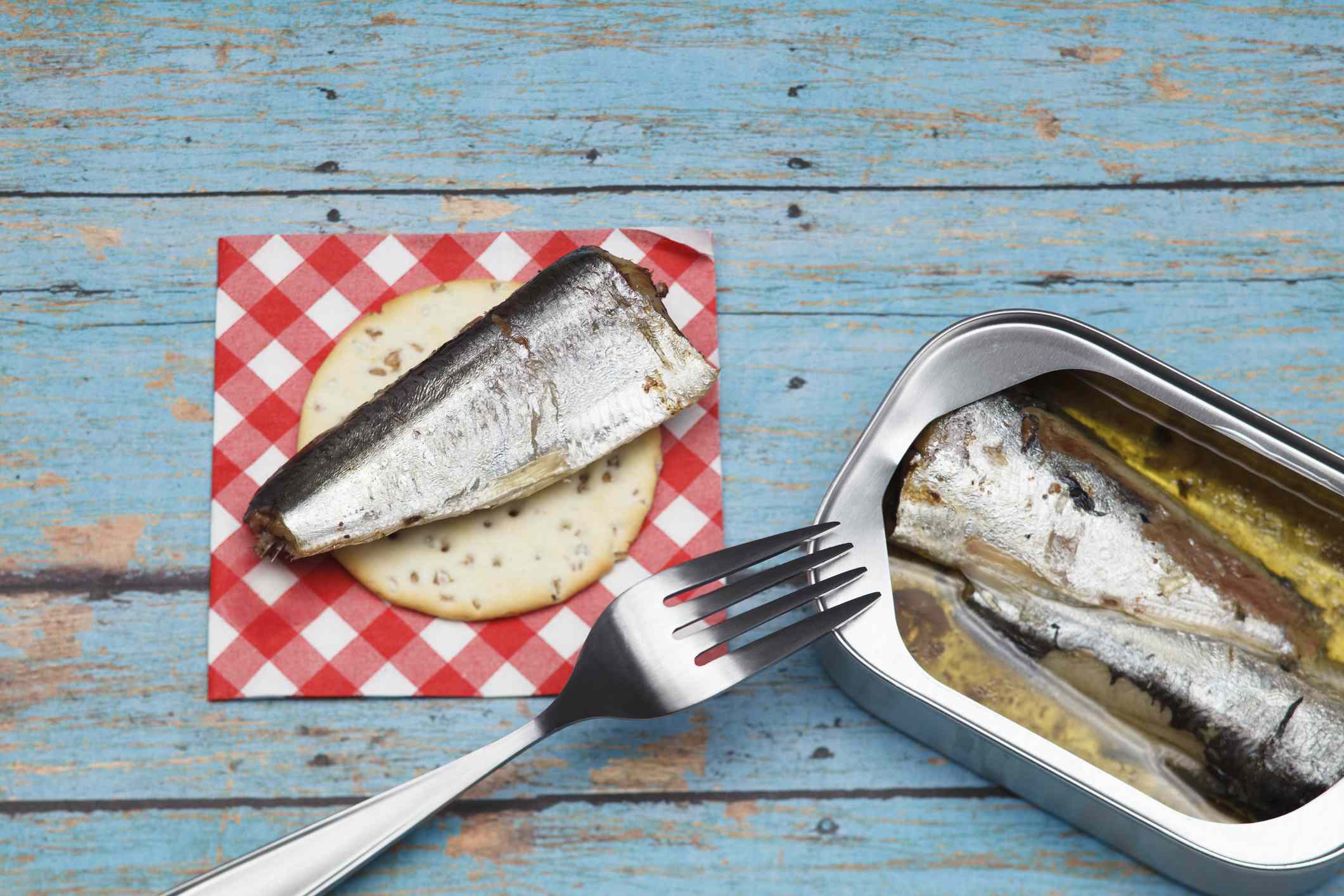
:max_bytes(150000):strip_icc():format(jpeg)/Health-GettyImages-BonesOfTinnedFish-cb48ae24e2b3420d9f125f3b338fcf8f.jpg "Opened can of sardines and crackers create a simple snack")
Credit: DustyPixel / Getty Images
- Tinned fish bones become tender due to high-heat canning and are usually safe to eat.
- People with swallowing issues or GERD should avoid eating canned fish bones.
- Tinned fish provides essential nutrients like calcium and omega-3s, promoting longevity.
Once considered a wartime staple or a protein to have on hand in case of an emergency, tinned fish is now featured in everything from charcuterie boards to spreads. However, are the bones in these little delicacies safe to eat, or do these tiny fish need to be deboned?
Are The Bones Safe?
Typically, tinned fish undergoes a high-heat, high-pressure canning process that softens their bones to the point where they’re easily chewable and digestible. “This process breaks down the calcium structure, making the bones tender and safe for consumption,” Rima Kleiner, MS, RD, a registered dietitian and voice of Dish on Fish, told Health.
Due to their softened texture, the bones are generally safe, but there are exceptions. “I don’t recommend whole canned bones for anyone with post-radiation swallowing issues, unmanaged GERD, or children under age 3,” Louisa Mason, MS, RDN, LDN, CSCS, sports dietitian and strength coach at Revive Sports Recovery, told Health.
“I often advise clients to mash sardines or salmon with lemon juice to further break down any remaining structure before eating,” she added.
What Happens in the Canning Process
When canning tinned fish, manufacturers use a process called retort sterilization, which heats the fish under pressure to over 240 degrees Fahrenheit. “This not only kills pathogens but softens collagen and minerals in the bones,” Mason said.
The bones become chalky and pliable, much like how slow-cooked marrow becomes spoonable. It also improves texture and nutrient availability.
Here’s how canning affects some specific types of tinned fish:
- Sardines and anchovies: These small fish have delicate, fine bones to begin with. During canning, the bones get to the point of near disintegration, making them safe, edible, and even enjoyable for most people, according to Kleiner. The result? Bones that practically melt into the flesh, adding a subtle texture and a boost of calcium, phosphorus, and vitamin D.
- Salmon: As a larger fish, its bones—especially the pin bones—are more noticeable. During pressure canning, the bones soften significantly, though they may retain a bit more structure than those in sardines or anchovies. “These softened bones are entirely edible and contribute to the creamy texture of canned salmon,” said Kleiner.
Are the Bones Good For You?
Tinned fish are some of the most efficient dietary sources of bioavailable calcium, Mason said. Plus, the canned bones contain boron, a trace mineral important for estrogen metabolism and bone retention.
Tinned fish is one of the most overlooked functional foods for active and aging populations, Mason said. It combines protein, omega-3s, calcium, selenium, and even coenzyme Q10, all in a shelf-stable format.
In a 2024 study, researchers found that people who eat tinned fish may actually live longer than those who don’t. In another study, scientists found that eating canned sardines is more effective at promoting health and longevity than taking a fish oil supplement. It also helped people get more omega-3s.
While research is ongoing, preliminary studies suggest that eating tinned fish may reduce the risk of certain cancers. In a 2022 study, researchers found that eating tinned fish may protect people from colorectal cancer as much as fresh fish.
Not only is tinned fish affordable, but it’s also easy to prepare and packed with protein. “Plus, these tinned seafood items are a flavorful, nutrient-rich protein perfect for snacking straight from the can or adding to salads, pastas, and pizzas," Kleiner said. They’re loaded with nutrients essential for strong bones, a resilient immune system, and brain health, she said.
“I advise clients to eat it two to four times weekly, varying between sardines, wild salmon, and anchovies to diversify micronutrient intake and minimize exposure to heavy metals," Mason added.
When You Might Want to Avoid Them
Some people avoid eating the bones in tinned fish because they have texture aversions or a bone phobia. “If someone has a sensitivity to texture, a digestive condition, or is on a low-calcium diet, they might prefer to remove the bones," Kleiner said.
You also should avoid eating the bones if:
- The fish is not from a trusted source or looks under-processed, Mason said. To know for sure, the bones should yield easily under fork pressure.
- You have chronic kidney disease. You should monitor phosphorus intake, which can be elevated in canned bones, said Mason.
- You have difficulty swallowing (dysphagia) and gastrointestinal issues.
- You are pregnant, to ensure you are limiting your exposure to mercury.
But from a safety standpoint, they’re not harmful; it’s just a matter of personal preference. “Unless you’re dealing with a specific medical concern or a strong texture aversion, those tiny bones are not only safe, they’re also a bonus,” Kleiner said.