Amazon Eyes 2026 Entry to Satellite Internet Market Dominated by Musk’s Starlink


Amazon is moving forward, as planned, with its Leo satellite network after CEO Andy Jassy acknowledged in a letter to shareholders last week that the project had hit a major delay. During the retail giant’s earnings call on Wednesday, Jassy teased the global value of the low-Earth-orbit communications network when the commercial service launches, which he said would be “in a few months.”

Amazon Leo already has deals in place with companies, including Delta Airlines (which has committed half of its fleet to connect with the service in 2028), JetBlue, AT&T, Vodafone, DirecTV and NASA, and is positioning itself as a major competitor to Elon Musk’s Starlink service with ambitions to provide high-speed internet at an affordable price worldwide. 

“It will be one of two offerings that are on the current technology edge, and I think that we will have a meaningful advantage in performance,” Jassy said during the call. “I think we’ll be about two times better on the downlink than existing alternatives, and about six times better on the uplink performance than existing alternatives.”

One could easily view this as a David versus Goliath matchup, considering Musk’s service has more than 10,000 SpaceX-connected satellites, while Leo will have roughly 250 in space once all satellite launches are complete. 

It sounds like a numbers game, but according to an optimistic Jassy, Amazon’s acquisition of satellite network Globalstar is a massively important step in getting Leo off the ground (figuratively). The use of Globalstar’s system will “expand Leo’s satellite network with direct-to-device capabilities,” he said. Globalstar provides emergency satellite connectivity for the iPhone and Apple Watch, for texting emergency services, requesting roadside assistance, sharing locations, and messaging friends and families during natural disasters.

The name of the game here is connectivity, and, as Jassy pointed out during the call, there are still “billions of people around the world who do not have access to broadband.” If all goes according to plan, Amazon Leo will change that. 

“There are many thousands of businesses and government assets that people don’t have visibility to because they don’t have the right connectivity. We think that Amazon Leo is going to solve that problem.”

Last week, Leo suffered another setback after Blue Origin’s New Glenn Mission 3 ended in a partial failure, when it delivered a satellite into the wrong orbit. Blue Origin, like Amazon, is owned by Jeff Bezos and was supposed to be delivering its first commercial payload for a customer, the BlueBird 7 communications satellite for AST SpaceMobile. Amazon didn’t address that failure and subsequent delay (the FAA has grounded the New Glenn vehicle from future missions while it conducts an investigation into the “mishap”) during the earnings call.


Source link

Leave a Reply

Subscribe to Our Newsletter

Get our latest articles delivered straight to your inbox. No spam, we promise.

Recent Reviews


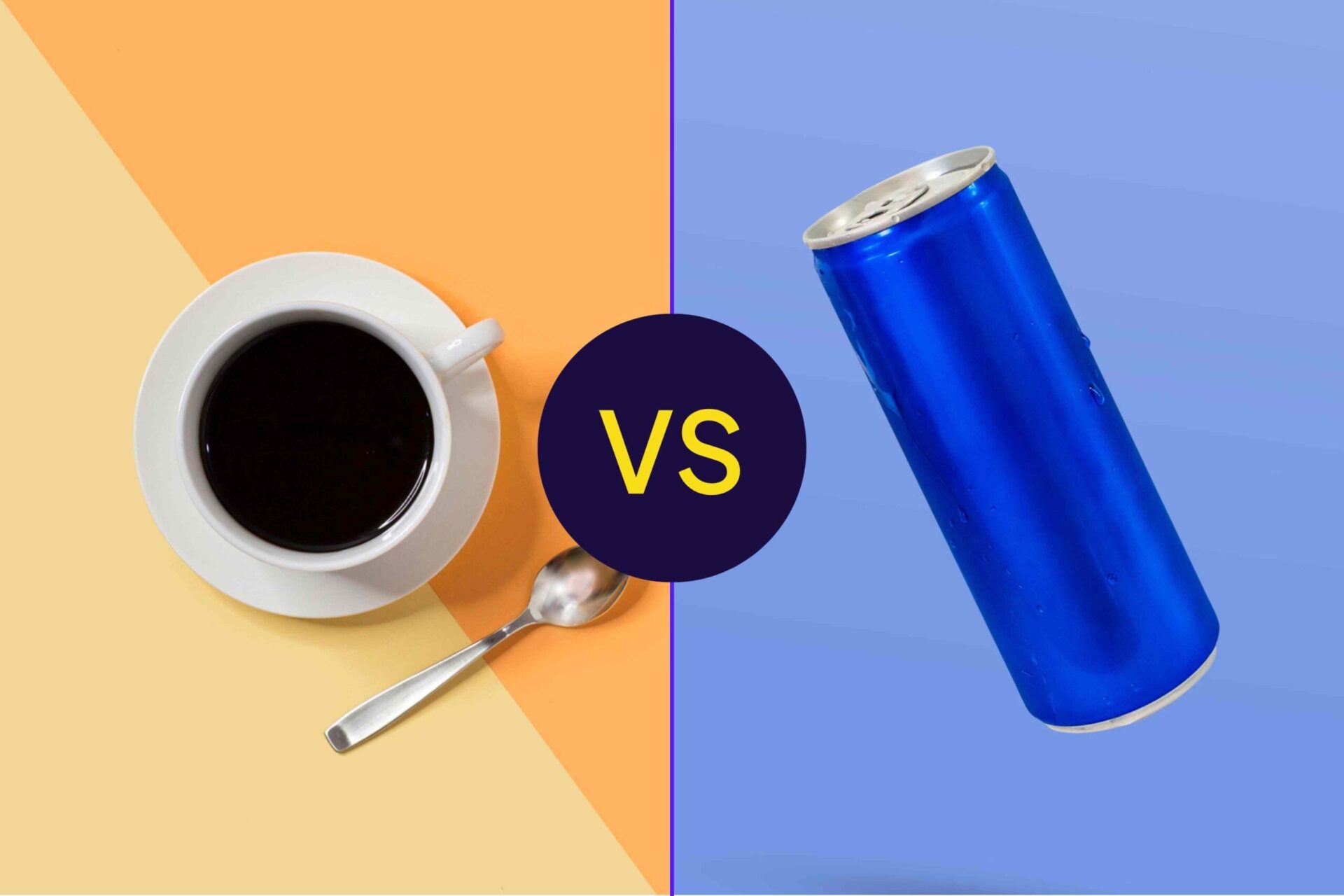
Coffee and energy drinks are popular sources of caffeine, but may have different health effects.Credit: Health / Getty Images
Coffee and energy drinks are popular sources of caffeine, but may have different health effects.
Credit: Health / Getty Images
  • Both coffee and energy drinks can vary in caffeine content.
  • Moderate caffeine consumption is recommended for reducing the risk to your heart.
  • Energy drinks have been shown to cause heart problems, but more research is needed.

Coffee and energy drinks are popular options for a quick energy boost. Both caffeinated beverages can support physical endurance, alertness, and reaction time. However, they can also increase heart rate, reduce steadiness, and increase your added sugar intake.

Which One Will Give You More Energy?

Coffee and energy drinks can both range in caffeine content, which can affect their impact on energy levels. Coffee drinks vary in caffeine based on the brew method and bean type, but on average, a cup (8 ounces) of coffee contains about 113-247 milligrams of caffeine.

Standard 16-ounce energy drinks can contain anywhere from 70 to 240 milligrams of caffeine. Concentrated 2-2.5 ounce energy shots pack about 113-200 milligrams of caffeine in a much smaller volume.

It's important to be aware of how much caffeine you’re consuming and check nutrition labels. However, energy drink manufacturers aren’t required to disclose the caffeine content.

Which Has a Greater Impact on Heart Health?

Research shows consuming high levels of caffeine can raise your blood pressure and heart rate, as well as affect your heart’s rhythm. This risk is especially high for children since their cardiovascular and nervous systems aren’t fully developed.

Coffee's effect on heart health is more widely researched than that of energy drinks. Evidence suggests that moderate coffee drinking can support heart health, while heavy consumption increases heart disease risk. How you prepare your coffee also affects the way it impacts your heart. Boiled coffee, like the kind you can make with a French press, can increase your cholesterol levels. High amounts of caffeine can also have negative effects on the heart, so many people with existing heart conditions choose decaf coffee out of caution.

Some case studies show that energy drink consumption can harm heart health, even in young people, but more research is needed to understand the mechanisms behind this. Some of the more severe cases include sudden death from drinking an energy drink.

What Other Ingredients, Besides Caffeine, Can Affect My Health? 

Coffee and energy drinks aren’t just pure caffeine. It’s important to consider their other ingredients when thinking about how they can impact your health. Early research suggests some of the cardiovascular effects of coffee and energy drinks may be more related to other ingredients than caffeine.

For example, energy drinks can contain a range of other ingredients, such as guarana (which contains additional caffeine), sugar, B vitamins, and other energy-boosting compounds. Both coffee drinks and energy drinks can contain high amounts of added sugar. Energy drinks can also interact with alcohol and prescription or illicit drugs, causing negative health effects.

Risks of Having Too Much Caffeine

Whether you choose coffee, an energy drink, or another caffeinated drink for your energy boost, it’s important to watch how much caffeine you’re consuming per day. Adults without underlying health conditions should limit their total caffeine intake per day to 400 milligrams. People who are pregnant or breastfeeding should stick to half of that limit, or about 200 milligrams. You can always check with your healthcare provider about your individual health status and their recommendations for your caffeine levels.

If you consume too much caffeine, you may notice:

  • A faster heart rate or a racing heart
  • High blood pressure
  • Trouble sleeping
  • Anxiety or jitters
  • Nausea or an upset stomach
  • Headache

If you’re choosing an energy drink, research suggests having only one drink at a time, with a max of two per day, for safer outcomes.


Source link