Steven McBee Jr. & Allie Eklund Man Accused in Cheating Scandal Speaks Out
Published

Drew Dodson is breaking his silence after being accused of hooking up with Steven McBee Jr.‘s girlfriend, Allie Eklund, and he’s pushing back on the cheating claims.
Dodson addressed the drama in an Instagram Story, saying he hadn’t planned to speak out but felt forced to after the situation “took on a life of its own” online.

“I was at Stagecoach with a big group of friends, including someone I’ve known for years,” he wrote, adding he was simply “enjoying the night like everyone else.”
According to Drew, things spiraled when the night was “turned into public accusations about both of us without any conversation or attempt to actually understand what happened.”

He doubled down … “The reality is simple … I was there with friends, nothing more” … making it clear he’s not interested in going back and forth and just wants to “clear the air and keep it moving.”
The post comes after Steven claimed he ended things with Allie after leaving Stagecoach early, then getting hit with DMs, calls and even video allegedly showing her getting close with another man, later identified as Drew.
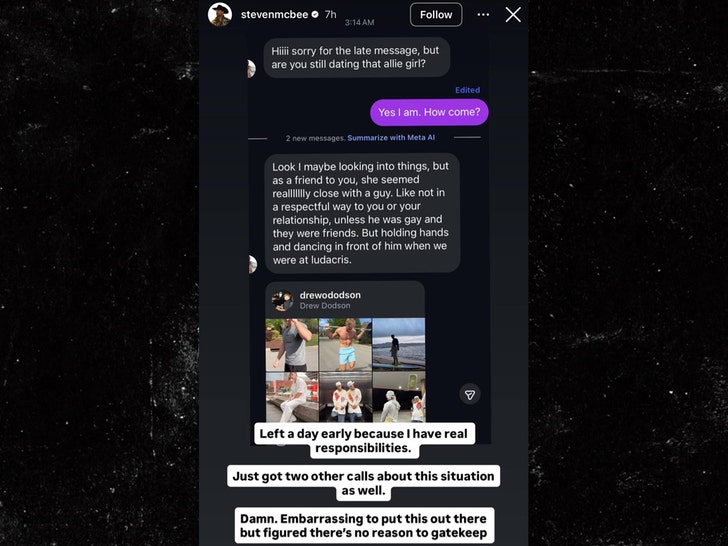
Steven said he was told there was “handholding, grinding, dancing” and a “drunken stupor” at an afterparty … though he admitted he doesn’t know exactly what happened.
Waiting for your permission to load the Instagram Media.
Allie, for her part, has denied cheating … saying she’s hurt Steven took things public before they could talk, especially given how often she says she protected him during their relationship. She claims she held back at first because of how he can react emotionally, but felt forced to respond after he went public, adding she wants to de-escalate, end things and move forward.

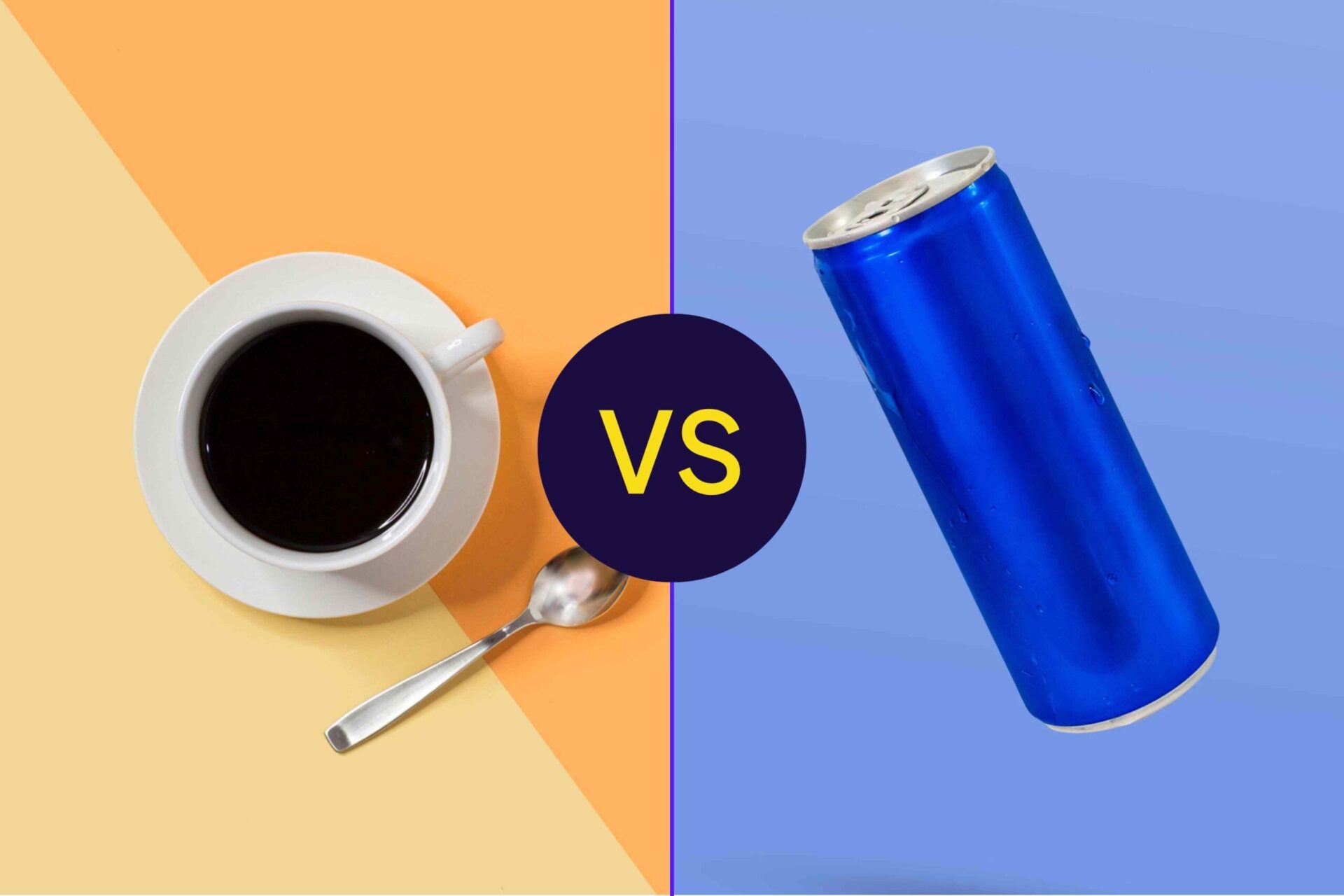
Coffee and energy drinks are popular sources of caffeine, but may have different health effects. Credit: Health / Getty Images
Both coffee and energy drinks can vary in caffeine content.
Moderate caffeine consumption is recommended for reducing the risk to your heart.
Energy drinks have been shown to cause heart problems, but more research is needed.
Coffee and energy drinks are popular options for a quick energy boost. Both caffeinated beverages can support physical endurance, alertness, and reaction time. However, they can also increase heart rate, reduce steadiness, and increase your added sugar intake.
Which One Will Give You More Energy?
Coffee and energy drinks can both range in caffeine content, which can affect their impact on energy levels. Coffee drinks vary in caffeine based on the brew method and bean type, but on average, a cup (8 ounces) of coffee contains about 113-247 milligrams of caffeine.
Standard 16-ounce energy drinks can contain anywhere from 70 to 240 milligrams of caffeine. Concentrated 2-2.5 ounce energy shots pack about 113-200 milligrams of caffeine in a much smaller volume.
It's important to be aware of how much caffeine you’re consuming and check nutrition labels. However, energy drink manufacturers aren’t required to disclose the caffeine content.
Which Has a Greater Impact on Heart Health?
Research shows consuming high levels of caffeine can raise your blood pressure and heart rate, as well as affect your heart’s rhythm. This risk is especially high for children since their cardiovascular and nervous systems aren’t fully developed.
Coffee's effect on heart health is more widely researched than that of energy drinks. Evidence suggests that moderate coffee drinking can support heart health, while heavy consumption increases heart disease risk. How you prepare your coffee also affects the way it impacts your heart. Boiled coffee, like the kind you can make with a French press, can increase your cholesterol levels. High amounts of caffeine can also have negative effects on the heart, so many people with existing heart conditions choose decaf coffee out of caution.
Some case studies show that energy drink consumption can harm heart health, even in young people, but more research is needed to understand the mechanisms behind this. Some of the more severe cases include sudden death from drinking an energy drink.
What Other Ingredients, Besides Caffeine, Can Affect My Health?
Coffee and energy drinks aren’t just pure caffeine. It’s important to consider their other ingredients when thinking about how they can impact your health. Early research suggests some of the cardiovascular effects of coffee and energy drinks may be more related to other ingredients than caffeine.
For example, energy drinks can contain a range of other ingredients, such as guarana (which contains additional caffeine), sugar, B vitamins, and other energy-boosting compounds. Both coffee drinks and energy drinks can contain high amounts of added sugar. Energy drinks can also interact with alcohol and prescription or illicit drugs, causing negative health effects.
Risks of Having Too Much Caffeine
Whether you choose coffee, an energy drink, or another caffeinated drink for your energy boost, it’s important to watch how much caffeine you’re consuming per day. Adults without underlying health conditions should limit their total caffeine intake per day to 400 milligrams. People who are pregnant or breastfeeding should stick to half of that limit, or about 200 milligrams. You can always check with your healthcare provider about your individual health status and their recommendations for your caffeine levels.
To provide the best experiences, we use technologies like cookies to store and/or access device information. Consenting to these technologies will allow us to process data such as browsing behavior or unique IDs on this site. Not consenting or withdrawing consent, may adversely affect certain features and functions.
Functional
Always active
The technical storage or access is strictly necessary for the legitimate purpose of enabling the use of a specific service explicitly requested by the subscriber or user, or for the sole purpose of carrying out the transmission of a communication over an electronic communications network.
Preferences
The technical storage or access is necessary for the legitimate purpose of storing preferences that are not requested by the subscriber or user.
Statistics
The technical storage or access that is used exclusively for statistical purposes.The technical storage or access that is used exclusively for anonymous statistical purposes. Without a subpoena, voluntary compliance on the part of your Internet Service Provider, or additional records from a third party, information stored or retrieved for this purpose alone cannot usually be used to identify you.
Marketing
The technical storage or access is required to create user profiles to send advertising, or to track the user on a website or across several websites for similar marketing purposes.