:max_bytes(150000):strip_icc():format(jpeg)/Health-GettyImages-2211615304-88217e0d9a4c42398b93d3b256908183.jpg "A person applying oil to their scalp with a dropper")
Credit: Alina Storozhenko / Getty Images
- Pumpkin seed oil contains plant compounds that may help block enzymes that cause male and female pattern hair loss.
- Fatty acids in pumpkin seed oil may help moisturize the scalp and hair shaft, promoting healthier hair growth.
- People with a pumpkin seed allergy or sensitivity should avoid applying or ingesting pumpkin seed oil.
Pumpkin seed oil may help hair grow thanks to its moisturizing, anti-inflammatory, and anti-androgen properties. However, more research is necessary to fully understand how pumpkin seed oil helps with hair loss and growth.
Benefits of Pumpkin Seed Oil for Hair Loss and Growth
While there are different causes of hair loss and hair thinning, studies show pumpkin seed oil may help promote hair growth affected by:
- Male pattern hair loss: A 2014 study including 76 men with male pattern hair loss found that oral pumpkin seed oil supplements helped increase hair growth over 24 weeks. However, the supplement contained additional ingredients, so the benefit may not be from pumpkin seed oil alone.
- Female pattern hair loss: A 2021 three-month study of 60 women with female pattern hair loss found improved hair regrowth in the group that applied pumpkin seed oil and the group that used minoxidil 5% foam (an FDA-approved hair loss treatment).
- Irritated skin: A healthier scalp may promote hair regrowth. A 2020 study found that applying pumpkin seed oil products to the skin helped add moisture and improve the skin barrier in people with eczema. However, the study did not directly look at hair growth.
While existing research on pumpkin seed oil shows some promising results for hair growth, more high-quality studies are needed. Most studies contain small sample sizes or are not transparent about other ingredients added to pumpkin seed oil supplements.
How Does Pumpkin Seed Oil Help With Hair Loss?
It's not fully understood how pumpkin seed oil works. Research suggests pumpkin seed oil may promote hair growth by improving scalp health and blocking enzymes that contribute to male and female pattern hair loss (androgenetic alopecia).
Pumpkin seed oil contains phytosterols that may help block 5-alpha reductase, the enzyme that converts testosterone into dihydrotestosterone (DHT). High levels of DHT can shrink hair follicles and lead to male and female pattern hair loss.
Omega-3 and omega-6 fatty acids found in pumpkin seed oil may also help repair and moisturize the skin barrier. This could improve scalp and hair follicle health. Fatty acids may also help prevent scalp infections and reduce inflammation that affects hair growth.
Additionally, pumpkin seed oil contains antioxidants like vitamin E and zinc. These nutrients may help protect your hair follicles from oxidative stress and inflammation, which can cause hair thinning.
How to Use Pumpkin Seed Oil for Hair Growth
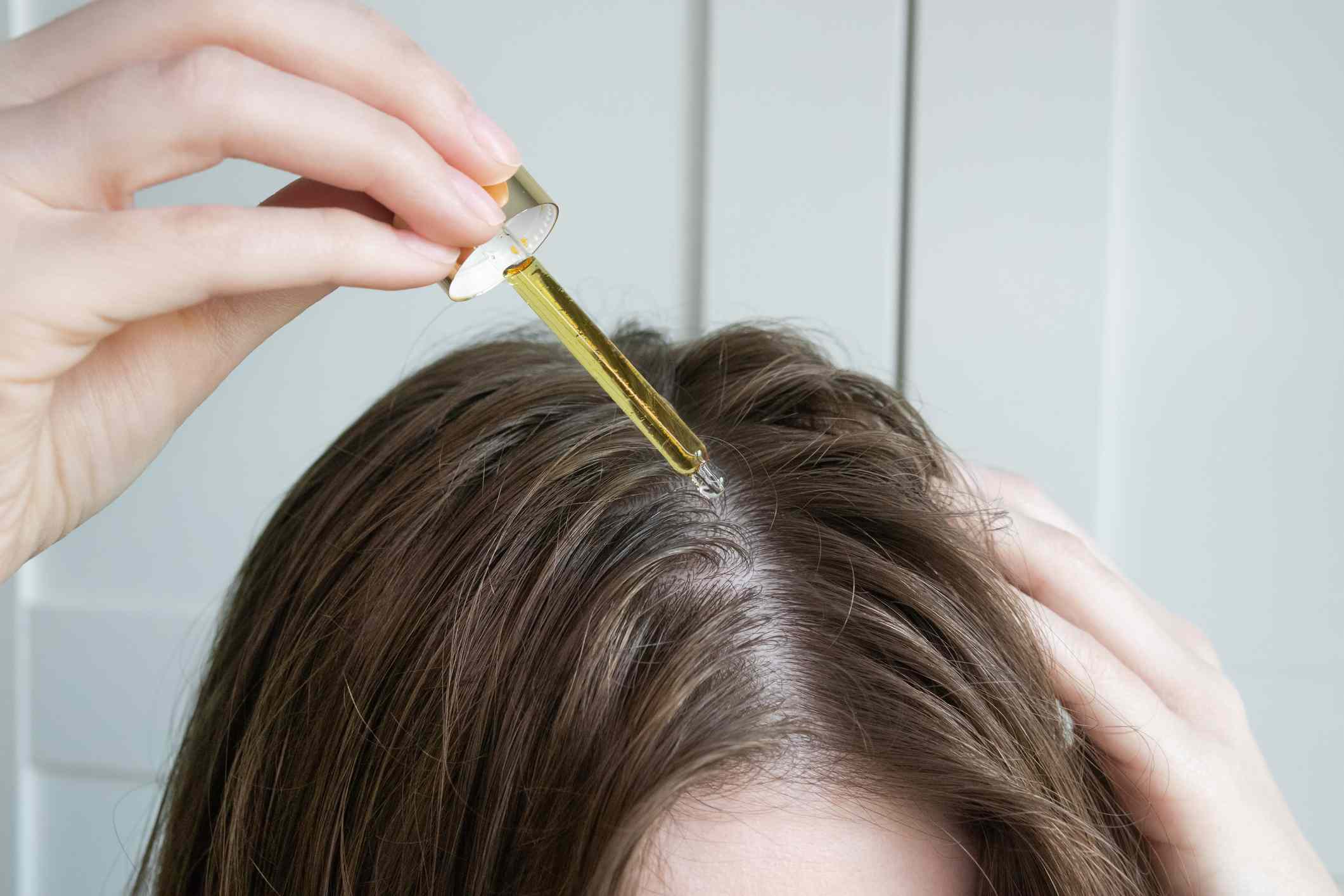
Pumpkin seed oil is often added to hair serums that you massage directly onto the scalp. You can also use pumpkin seed oil alone.
To get the most out of your pumpkin seed oil hair product, follow the provided instructions. Generally, you’ll want to massage a few tablespoons of oil on your scalp. Then let it sit for an hour or overnight before washing your hair. For best results, use pumpkin seed oil two to three times a week.
Ingesting pumpkin seed oil supplements may also help hair growth. There is no exact recommended dosage. However, a 2014 study found that taking 400 milligrams of pumpkin seed oil daily for six months improved hair growth in men with male-pattern hair loss.
Who Should Avoid Pumpkin Seed Oil?
Pumpkin seed oil is usually well-tolerated and safe to use on your hair and skin. However, pumpkin seed oil can irritate skin in some people, especially in those allergic to pumpkin seeds.
If you’re allergic or sensitive to pumpkin seeds, using pumpkin seed oil can cause hives (inflamed, raised bumps) and itchiness. You should avoid using pumpkin seed oil for hair loss.
To avoid a serious reaction, always do a patch test before applying pumpkin seed oil to your scalp. Stop using pumpkin seed oil if you develop red, irritated, or itchy skin. While pumpkin seed oil can help soothe skin, it may also irritate sensitive skin conditions, such as eczema and psoriasis.
Next Steps
If you’re dealing with hair loss, chat with your healthcare provider before using pumpkin seed oil. Excessive hair shedding and thinning are often signs of an underlying health condition. You should also see your provider if you’re experiencing other hair loss side effects—like itchy or burning scalp, scaly patches, blisters, or open sores.
Treating hair loss is usually more effective if you start treatments early, and pumpkin seed oil may be helpful depending on the root cause.